

I’m an Ashkenazi Jew who has somehow cracked the code and made my way into the Persian Jewish community. My wife — and her 1,000-plus-member family — have become my own, and the hues of our home reflect corners of a faraway bazaar where Jewish Iranian life once thrived.
Being the “outsider” — or the “white” one, as the community jokingly calls me — has given me a particular gift. I’ve been allowed to listen. To learn. To sit at countless tables — dinners, lunches, late-night gatherings — and hear about the Iran that was: the nightlife, the tight-knit Jewish quarters, the rhythm of the bazaars, the ease of daily coexistence. I’ve heard about coffee shops that stayed open too late, about Muslim neighbors who were family, about a sense of permanence that felt unquestioned — until it wasn’t.
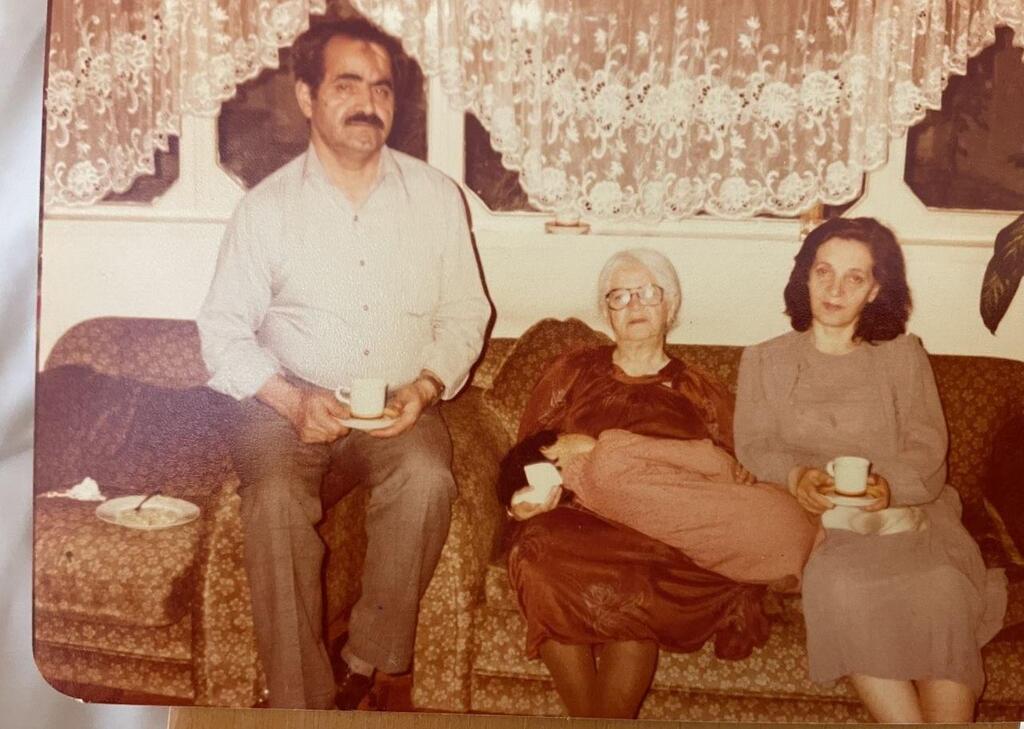
Like the children and grandchildren of Holocaust survivors, nearly every Persian-American Jew of the next generation knows the outline of their family’s exodus. They know about the Iranian Revolution. They know what was left behind. They know about HIAS and the scramble to begin again in a new land. They know their parents rebuilt from scratch.
What they often don’t fully know is the emotional texture of what was lost.
The generation that fled in 1979 made a deliberate choice. They built businesses. They filled synagogues. They created thriving Persian Jewish enclaves in the United States that preserved tradition while embracing opportunity. But in doing so, many also shielded their children from the deepest layers of trauma. Some stories were told. Others were tucked away.
Part of that silence was protective. Why pass down pain if you can instead pass down resilience? Why let your children inherit the ache of streets they may never walk again?
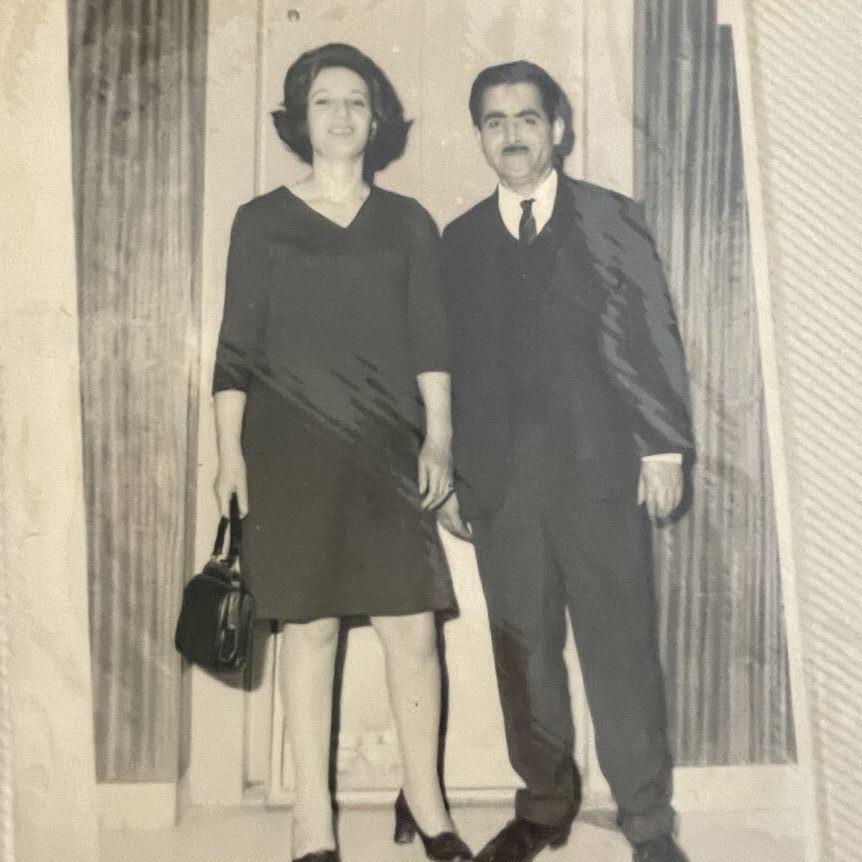
Longing for a homeland that feels permanently out of reach can consume you. Better to turn the page. Better to focus forward. Better to build a life that does not depend on what was stolen.
(Photo: Courtesy)
Another part was pragmatic. Longing for a homeland that feels permanently out of reach can consume you. Better to turn the page. Better to focus forward. Better to build a life that does not depend on what was stolen.
That mindset helps explain why many Iranian Jews have historically kept their distance from organized opposition politics. Regime change felt distant. Risky. Unlikely. Hope, in this context, was something to ration.
And yet this moment feels different.
In the turbulence unfolding inside Iran today, there is a new undercurrent in the diaspora — cautious, measured, but unmistakably hopeful. Conversations that once sounded like fantasy are now spoken aloud. Visiting childhood homes. Walking old neighborhoods. Investing in a reopened economy. Reintroducing children to the land their grandparents still dream about.
No one serious believes this transformation is imminent. Iran stands at a fragile crossroads. A stable, pluralistic future aligned with democratic values is far from guaranteed. The forces that have defined the Islamic Republic for decades will not dissolve overnight. Optimism must be disciplined by realism.
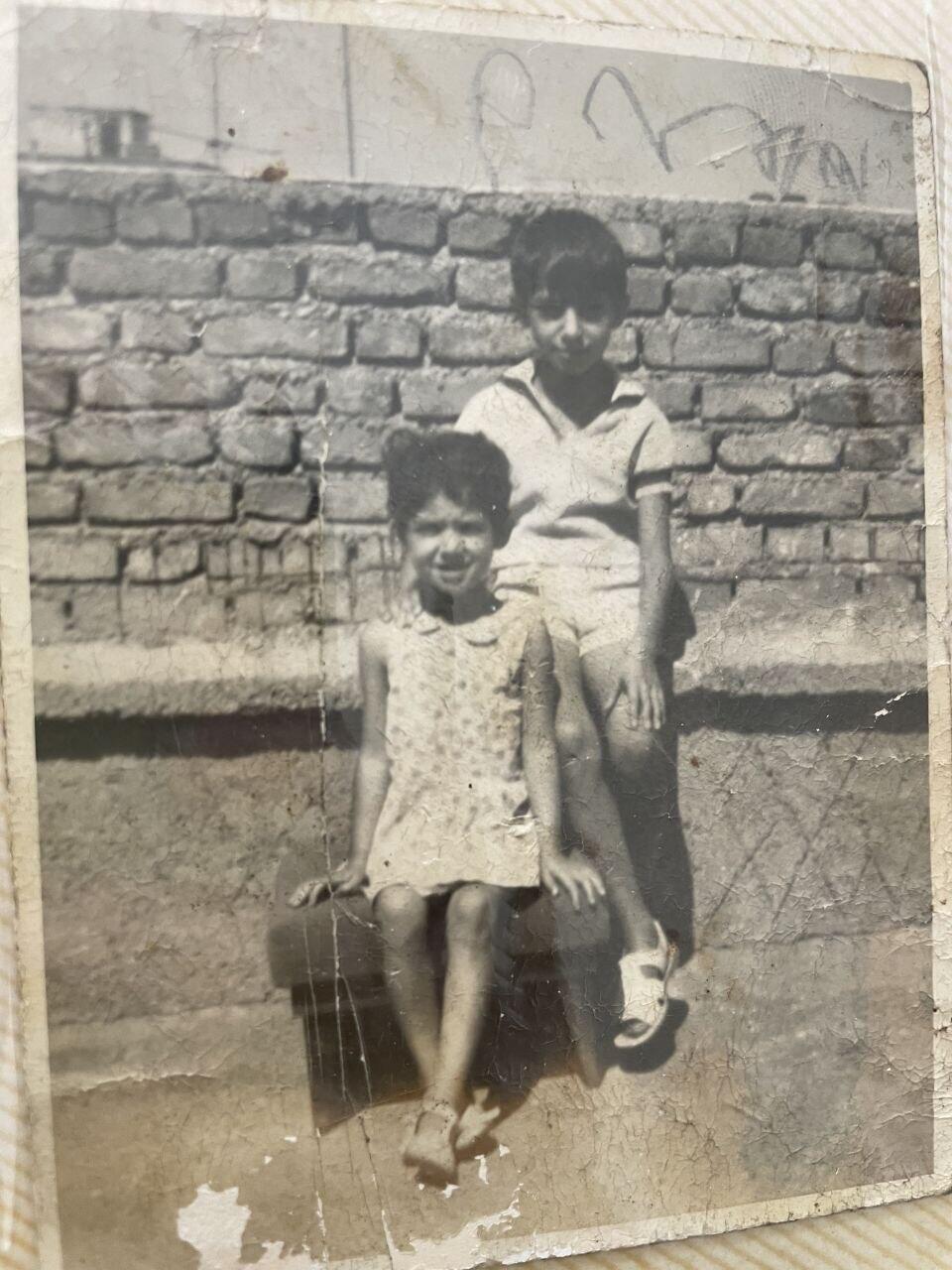
History rarely offers return. But sometimes, it offers the hope of it
(Photo: Courtesy)
But hope itself is powerful.
For decades, the regime projected permanence. Today, that aura feels cracked. The possibility — however distant — that Iran could one day be a country where Jews live freely and visibly again, where its diaspora can return without fear, where its government reflects the aspirations of its people rather than the dictates of repression — no longer feels absurd.
This moment calls for moral imagination. For solidarity with the Iranian people demanding dignity. For sustained support of those who seek a freer future. And yes, for quiet acknowledgment that those who trafficked in extremism and terror may finally be confronting the consequences of their choices.
I often think about my mother-in-law, Mojgan, and the Tehran she describes with such clarity. I imagine boarding a plane with her one day. Walking the streets she grew up on. Seeing the stories she told me come alive in real time. Not as tourists peering into a sealed past, but as a family reclaiming something that was unjustly stripped away.
History rarely offers return. But sometimes, it offers the hope of it.
- Coby Schoffman is a Los Angeles–based serial social entrepreneur and the founder of The Nation Foundation (TNF), which operates project zones across East Africa.