


With the return of the bodies of several hostages for burial in Israel—under far more complex circumstances than typical funerals held soon after death—Rabbi David Stav has prepared a summary of Jewish mourning laws and customs specific to such situations. The guidance is intended to assist bereaved families seeking a deeper understanding of the religious framework during this difficult time.
“The day on which the bodies of fallen individuals are brought for burial is one of terrible pain, but also of closure and the hope of comfort,” said Rabbi Stav, chairman of the Tzohar Rabbinical Organization.
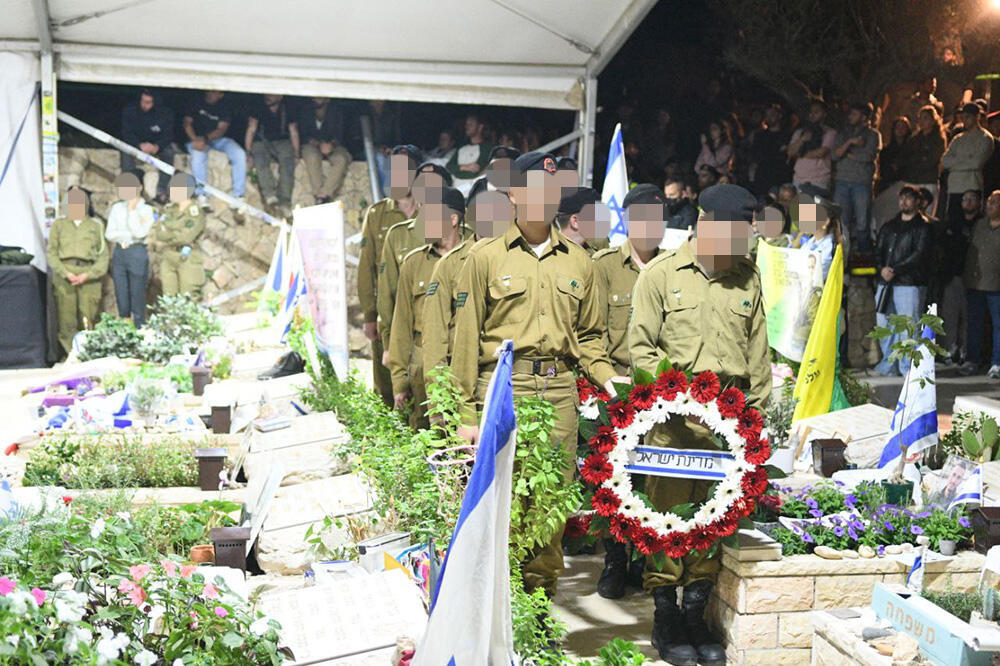
“Since the deceased were held by the enemy and it was known for a long time that their return would be delayed, the halachic mourning periods of shiva [the initial seven days] and shloshim [the first 30 days] already took effect once their fate became clear. These do not restart upon burial, even if those mourning periods were not observed previously.”
Regarding the funeral day itself, Rabbi Stav explained how Jewish law guides the mourners: “On the day the body is returned for burial, the immediate family observes mourning practices similar to those of ‘Yom Likut Atzamot’—a day from Talmudic times dedicated to reburial. These practices begin from the moment the deceased is definitively identified, even before burial, and according to halacha, they end at sunset that same day. If burial is delayed until the following day, some authorities rule that mourning customs continue until the evening after the burial.”
Although the formal shiva period does not resume after burial in such cases, Rabbi Stav emphasized: “While the halachic obligation of mourning does not apply, these days often reopen wounds. It is appropriate to dedicate this time to remembering the deceased and comforting the mourners.”
For those whose exact date of death remains unknown, Rabbi Stav clarified that the anniversary memorial—yahrzeit—should be held on the Hebrew date of burial. In the case of victims of the October 7 massacre whose remains are only now being laid to rest, there is no need to mark the 30-day period again, and children are not required to observe a full year of mourning for a parent, as the halachic year has already concluded.
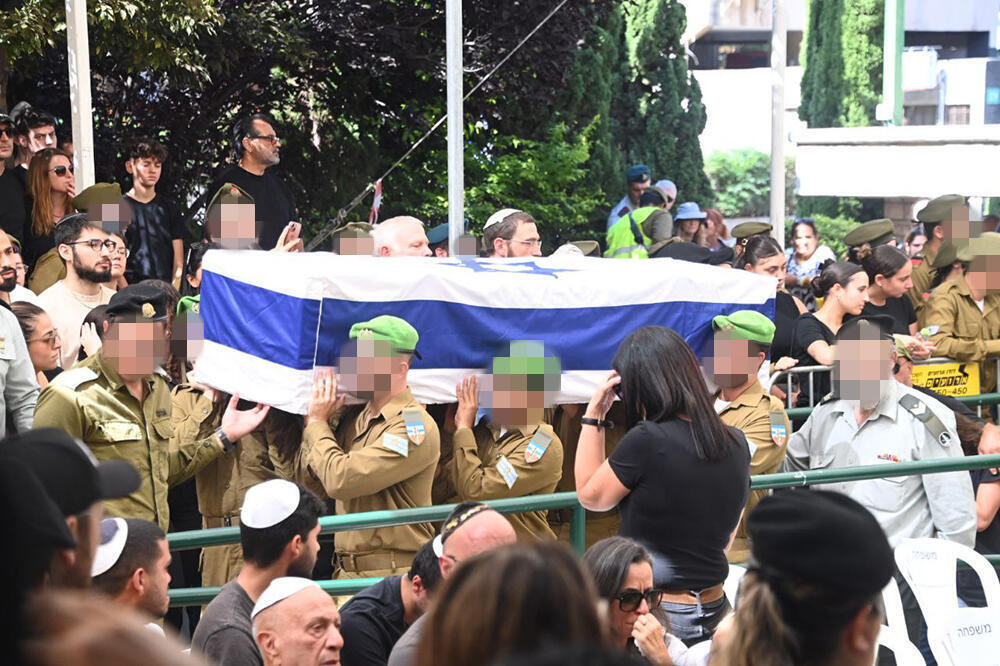
Returned hostage Staff Sergeant Tamir Nimrodi laid to rest
(Photo: Yair Sagi)
Rabbi Yosef Zvi Rimon added that in cases where the date of death is uncertain, rabbinic authorities have ruled that a specific date should be chosen for the yahrzeit. If the time of death can be narrowed to a range of days, some suggest observing the memorial on the earliest possible date to ensure that prayers in the deceased’s merit fall within the first year. Others recommend the latest date, as Jewish law considers a person to be alive until death is confirmed.
Meanwhile, amid ongoing anguish over the bodies of fallen soldiers still held in Gaza, and in response to widespread public concern, Chief Rabbis David Yosef and Kalman Bar called on the public to add a special prayer for their return to proper Jewish burial:
“Merciful Father in Heaven, may He mercifully remember our brothers who were killed sanctifying God's name, our people and our land. May God remember them for good along with the righteous of the world, and may He bring them swiftly to burial in the Land of Israel, as it is written: ‘And you shall bring him to his people.’ May they rest in peace in their graves, and let us say, Amen.”