

At the same hospital where his father saved lives — and where his own life was saved twice — 13-year-old Yehuda Ne’eman celebrated his bar mitzvah, wrapping for the first time the tefillin that had belonged to his late father, Dr. Eitan Ne’eman.
Dr. Ne’eman, a senior pediatric intensive care physician at Soroka Medical Center’s Saban Children’s Hospital, was killed two years ago during the first days of the war. “Two years ago, my father fell in battle,” Yehuda said during the ceremony. “In the last picture of him, you can see him putting on his tefillin for the last time. And now, after two years, I’m putting on his tefillin.”
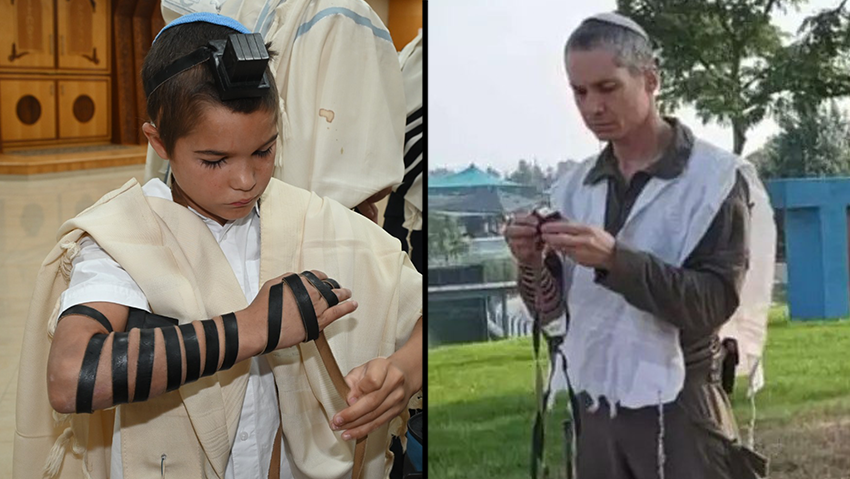
Dr. Ne’eman, a reserve IDF major and son of the late former Justice Minister Adv. Yaakov Ne’eman, was 45 when he was killed in combat near the Gaza border. He lived with his wife, Yael, and their seven children in Tene Omarim, a community in southern Mount Hebron. A Ben-Gurion University medical graduate, he completed pediatric training at Soroka and later trained at Yale and Johns Hopkins in the United States.
On October 7, 2023, he was among the first doctors to treat the wounded flooding into Soroka. Later that day, he was called to reserve duty. He was killed two days later in heavy fighting near the Gaza envelope, leaving behind a grieving family and colleagues.
Yehuda Ne'eman marks bar mitzvah with the tefillin of his late father, Dr. Eitan Ne'eman
(Video: Soroka Medical Center)


Yehuda’s journey, too, is deeply tied to Soroka. As an infant, he was critically injured in a car accident just as his father began his dream role as a pediatric ICU specialist. From that moment on, Dr. Ne’eman carried the experience of being both healer and father into every case he treated.
Surrounded by family, friends, the medical team that saved him, and his father’s colleagues, Yehuda was called to the Torah at Soroka’s synagogue. His bar mitzvah closed a powerful circle of life, healing, and remembrance.
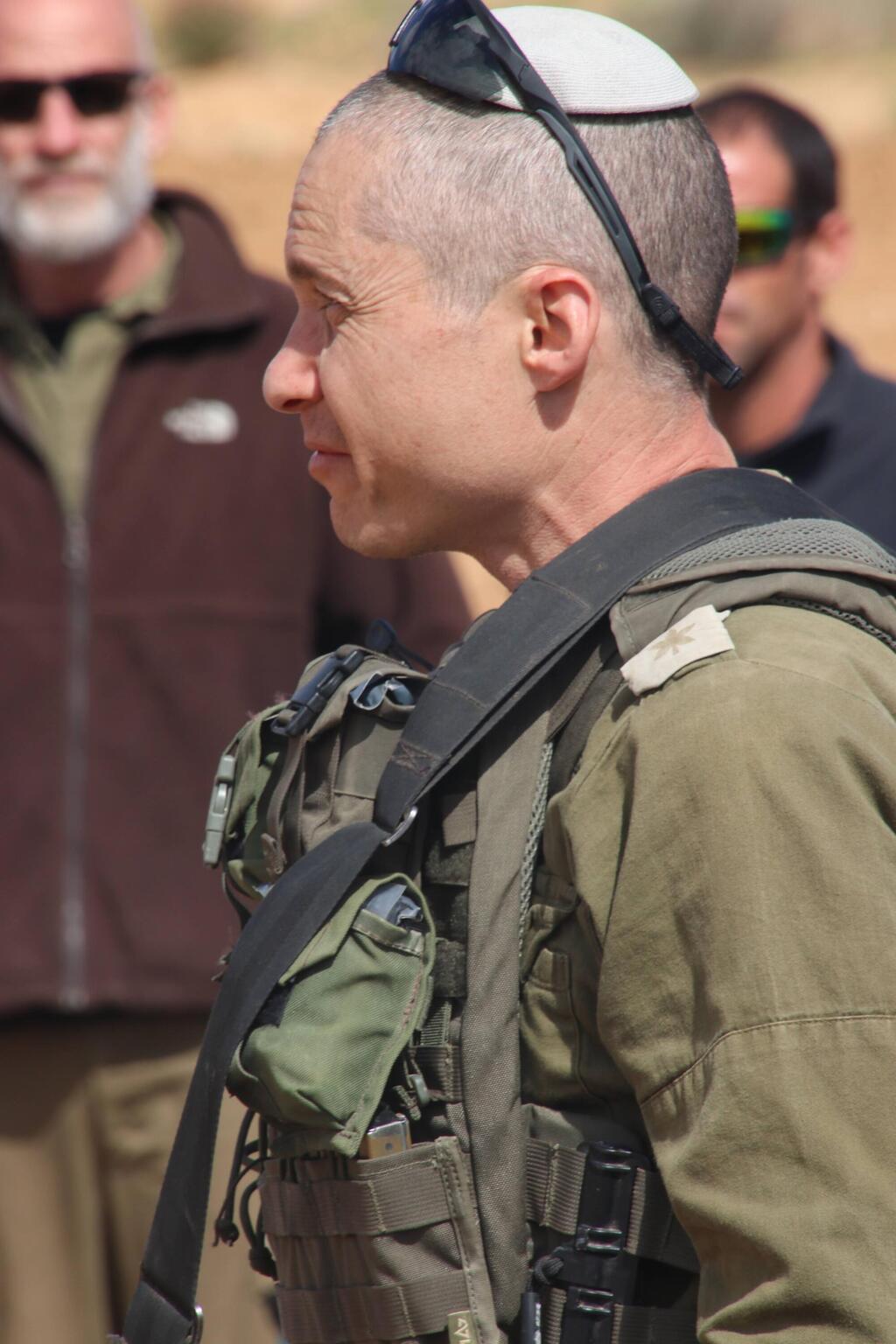
“Eitan taught us courage and love”
Yael Ne’eman, Eitan’s widow, shared at the ceremony: “Exactly two years ago, Eitan put on his tefillin for the last time. Even before he was killed, it was clear to me that Yehuda’s bar mitzvah — his first time putting on tefillin — should be here at Soroka, the place where Yehuda was twice given life.”
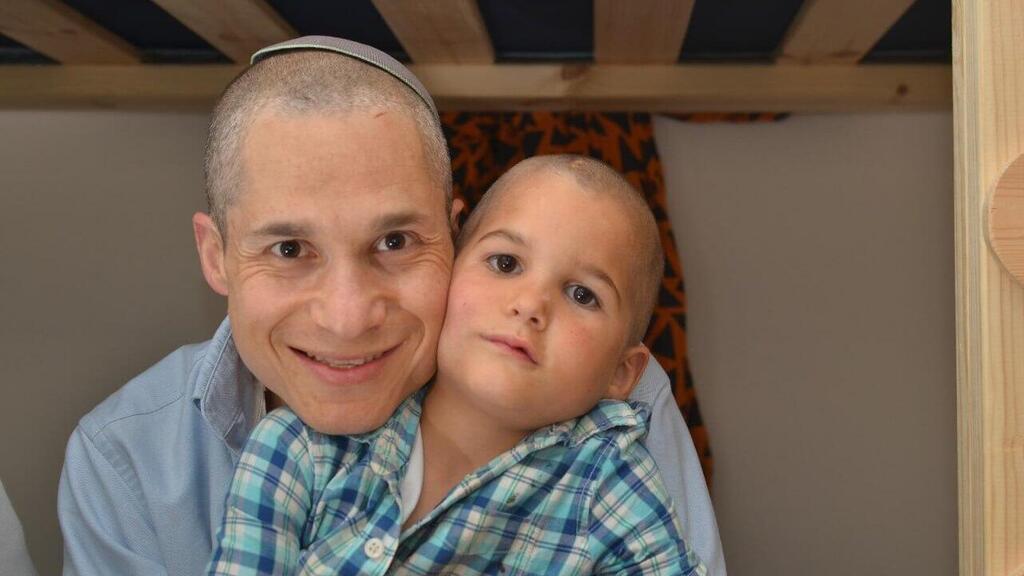
Eitan and Yehuda
Yehuda’s life was saved once after his car accident and again three years later, when he survived a severe brain abscess. “Eitan was killed as the weekly Torah portion Bereshit was being read — the story of humanity’s first murder, born of jealousy,” she said.
“Eitan was a man of cooperation and mutual responsibility. Before he was killed, he treated the stream of wounded arriving at Soroka. When called to reserves, he left the trauma unit and went to the front. On Oct. 8, he searched for survivors in Kibbutz Kfar Aza. On Oct. 9, he was ambushed and killed near Sha’ar HaNegev. In life and in death, Eitan saved thousands. Today Yehuda continues his father’s path, wearing Eitan’s left-handed tefillin — the only left-handed child among his siblings — in the same place where his father chose his calling.”
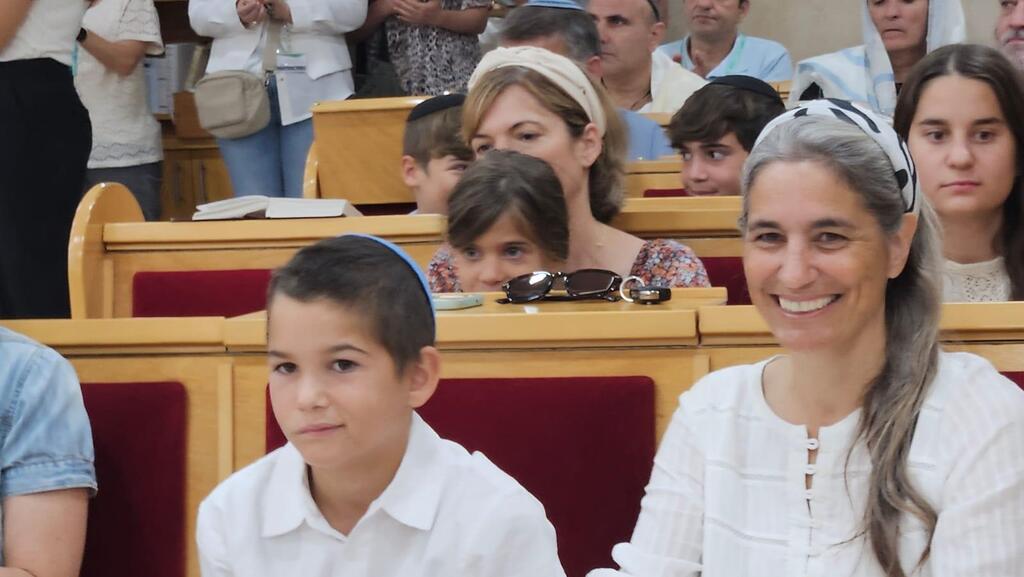
Yehuda with his mother Yael during the ceremony
A story of faith and gratitude
Yael recalled in a Facebook post the day Yehuda was born in 2012, during Operation Pillar of Defense: “It was a difficult time in Be’er Sheva, full of rocket fire and fear. When I went into labor, I knew I needed to give thanks for the simple miracle of a healthy child. That’s why I named him Yehuda — from the word odeh, to give thanks.”
Years later, Yehuda’s father would weep at his hospital bedside after the boy’s near-fatal illness. “I remember it like it was yesterday,” Yael said. “Eitan came straight from reserve duty, dusty from the field, fell onto the bed where Yehuda lay with a brain abscess, and cried, asking forgiveness from him. It was a hard time — Eitan, once so full of energy and compassion, was consumed by guilt and pain. But even then, his guiding principle was connection — to people, to truth, to love.”
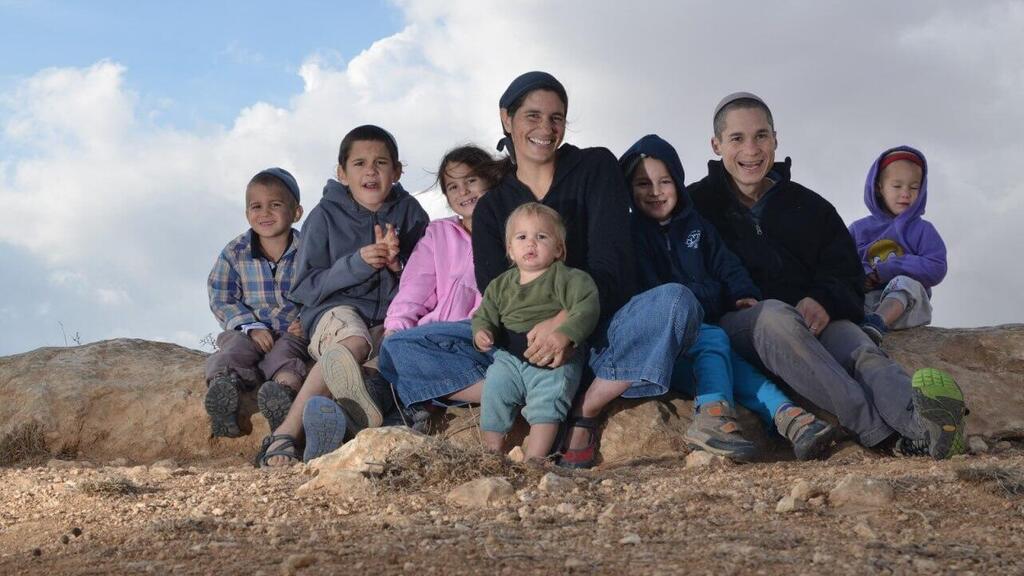
(Photo: Courtesy)
Eitan’s life, she said, was defined by teamwork and empathy. “He volunteered for Magen David Adom and a rescue unit, taught countless medical students, promoted patient welfare projects, and even learned fluent Arabic out of responsibility for all residents of the Negev. That same belief in connection and courage guided him into battle.”
Soroka Director Prof. Shlomi Kodesh addressed Yehuda at the ceremony: “Thank you to the Ne’eman family for letting us share this joyful occasion. Holding this bar mitzvah at Soroka, a place so dear to your family and to Israel’s hero Dr. Eitan Ne’eman, is deeply meaningful. Know that you have another family here at Soroka, walking beside you every step of the way.”
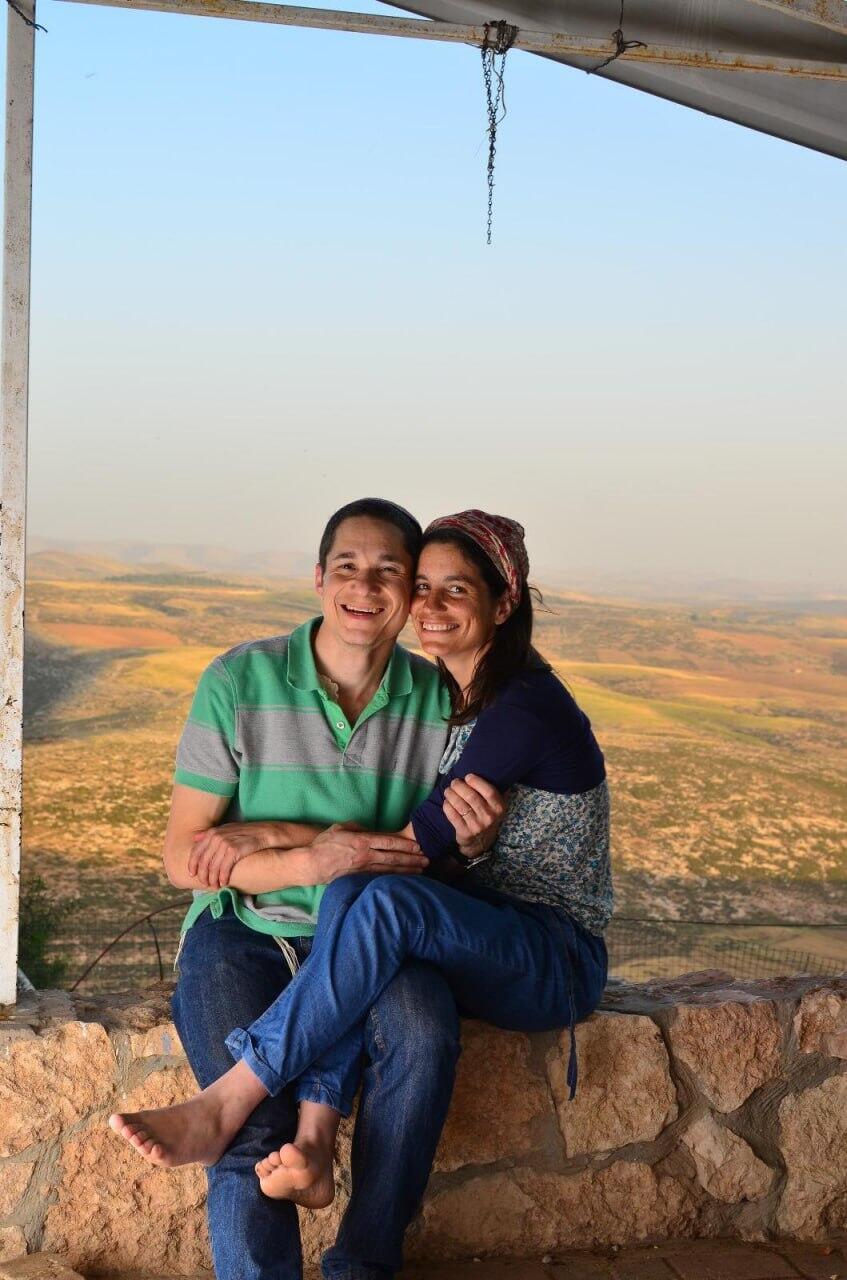
Eitan and his wife Yael
Dr. Tzahi Lazar, head of Soroka’s pediatric ICU, added: “The day you were discharged from the hospital was one of the happiest of my life. We watched you grow from a baby to a bright, active boy — and now a young man. You’ve taken on a great responsibility, carrying your father’s tefillin and his spirit. I have no doubt Eitan is beaming with pride as he watches you today, just as we all are.”
In the synagogue where prayers once accompanied Eitan’s lifesaving work, Yehuda’s bar mitzvah became more than a family milestone — it was a testament to memory, healing, and the enduring bond between generations.