

Jewish organizations in Europe are launching a new medical training and certification center for mohels in response to efforts in several countries to restrict or even prohibit ritual circumcision.
The European Jewish Association and the Rabbinical Centre of Europe announced Tuesday that the new Brussels-based center will provide mohels with additional medical and safety training, practical examinations and professional certification under a supervised framework.
Gallery
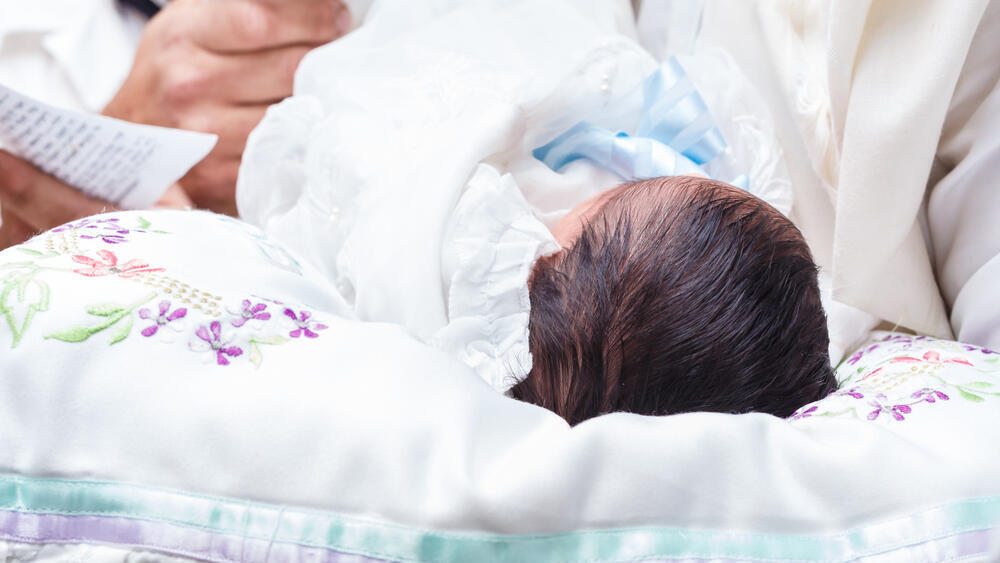
Brussels center to medically certify mohels as Europe debates limits on circumcision
(Photo: natushm/Shutterstock)
Organizers say the Center of Excellence for Religious Circumcision, or CERM, will be the first comprehensive program of its kind outside Israel.
Its goal is to supplement the existing religious and professional training of certified mohels with formal medical instruction, safety protocols, practical assessment and accreditation.
The initiative comes amid legal and political disputes over circumcision in several European countries, particularly Belgium, where the status of mohels who are not physicians has faced uncertainty and legal debate in recent years.
Other European countries have also considered or attempted to impose restrictions on the practice.
The European Jewish Association and Rabbinical Centre of Europe said that alongside their efforts to defend religious freedom, Jewish communities also need a professional framework that strengthens medical standards and infant safety.
The center is expected to work with health authorities across Europe with the aim of securing professional recognition for mohels who meet its certification requirements.
The program will cover assessment of a newborn’s medical condition, hygiene and infection prevention, bleeding and wound care, identification of complications, emergency response, infant resuscitation and post-procedure follow-up.
Mohels will also undergo practical examinations, clinical scenarios and emergency simulations.
Particular emphasis will be placed on recognizing situations in which a circumcision should be postponed, understanding the limits of a mohel’s authority and identifying cases in which a child should be referred for medical treatment.
The center will operate under the supervision of an international network of urologists, pediatricians, physicians and scientists.
A medical and scientific council will review clinical protocols, certification examinations and professional standards, while updating them in line with developments in medicine.
Experts involved in the initiative include Dr. Ses Bar-Moshe, a Brussels-based urologist; Dr. Joseph Spitzer, a physician and veteran mohel who has served since 2003 as medical director of Britain’s Initiation Society; and Dr. Michael Ben Akoun, director of the pediatric division at Laniado Hospital in Israel, a certified mohel and Health Ministry representative on Israel’s interministerial committee for the certification and supervision of mohels.
The wider network includes specialists from Belgium, Britain, Israel, Italy and Germany.
The center’s safety model is based on four principles: Recognise, Prevent, Stop and Refer.
The goal is to ensure mohels can identify warning signs, reduce risk, operate within the limits of their training and quickly refer infants to medical professionals when necessary.
“Jewish life and the practice of Jewish religious traditions are an integral part of Europe,” said European Commissioner for Health and Animal Welfare Olivér Várhelyi.
He said Europe has a responsibility to allow ancient traditions to continue while meeting the highest possible standards of child welfare, medical safety and professional accountability.
Rabbi Menachem Margolin, chairman of the European Jewish Association and Rabbinical Centre of Europe, said circumcision “has been at the heart of Jewish life for thousands of years.”
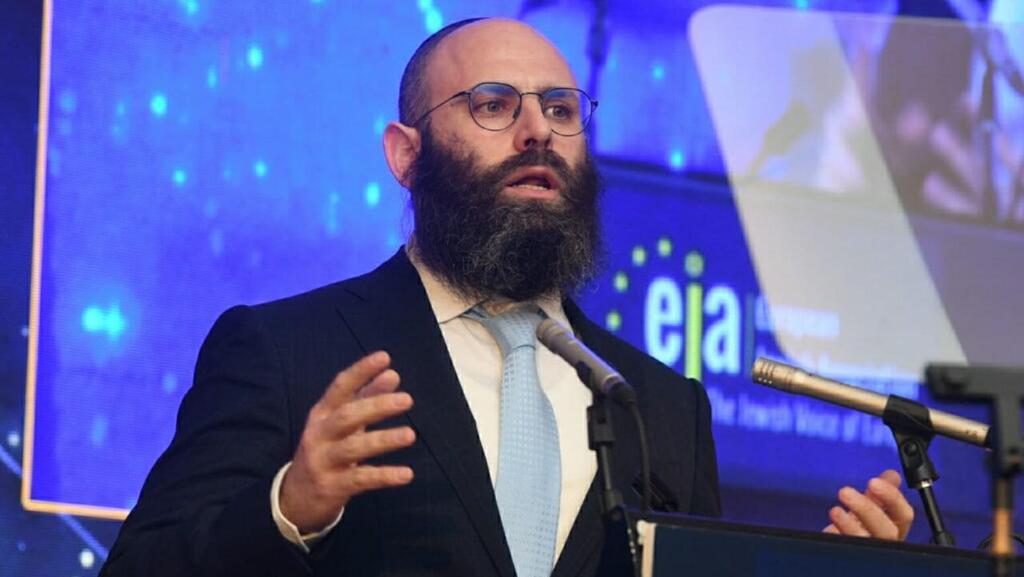
Rabbi Menachem Margolin
(Photo: Yossi Zeliger)
In light of attempts to restrict the activities of certified mohels in Europe, he said, “our response cannot end with defending religious freedom” but must also include establishing a professional framework that guarantees the continued practice of the ritual.
“When it comes to the well-being and safety of a child, our aspiration can never be satisfied with meeting the minimum standard,” Margolin said.
“We aspire to excellence, and we want that excellence to be transparent, documented and demonstrable through independent assessment.”
Organizers say CERM is eventually intended to become a European knowledge center for religious circumcision, promoting evidence-based medical and professional standards and creating cooperation between mohels, medical professionals, Jewish communities, policymakers and public authorities.
“In Europe, this is too often presented as if there must be a choice between religious freedom and the well-being of the child,” Margolin said.
“We reject that assumption. There is no contradiction between the two.”
“The higher and more transparent the professional standards surrounding circumcision, the stronger the justification for protecting the freedom of Jewish families to practice it.”