

What do they do about overdraft, how much do they pay for their home and what dream did they fulfill in the shadow of the war? People from across Israel speak candidly about everyday life, before and during the war. This time: the Uspensky family of Kedem Arava.
Pictured: Roni, 34, Raheli, 33, Shoval, 12, Roi, 9, Doron, 7, Oz, 4, and Gili, 10 months.
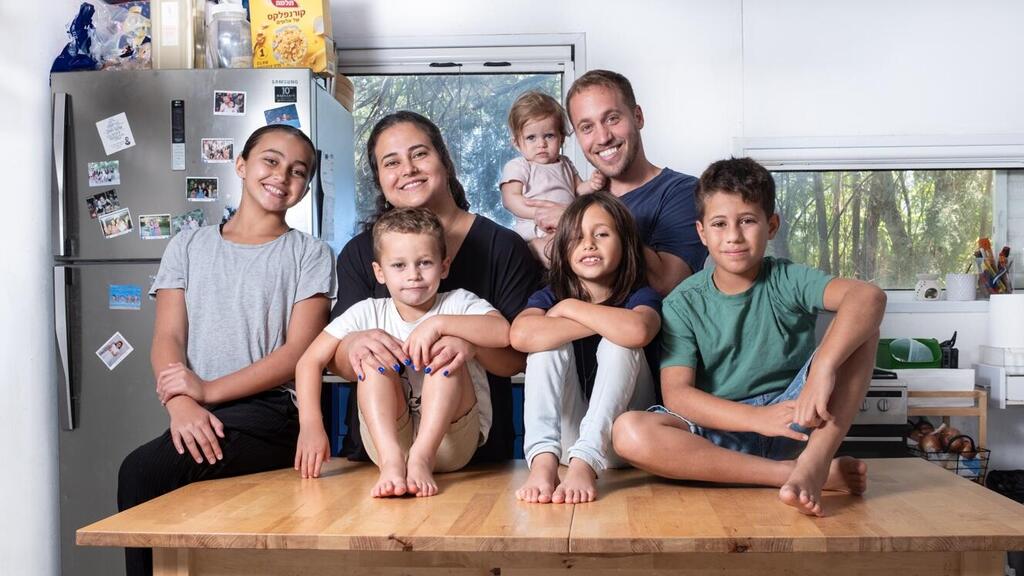
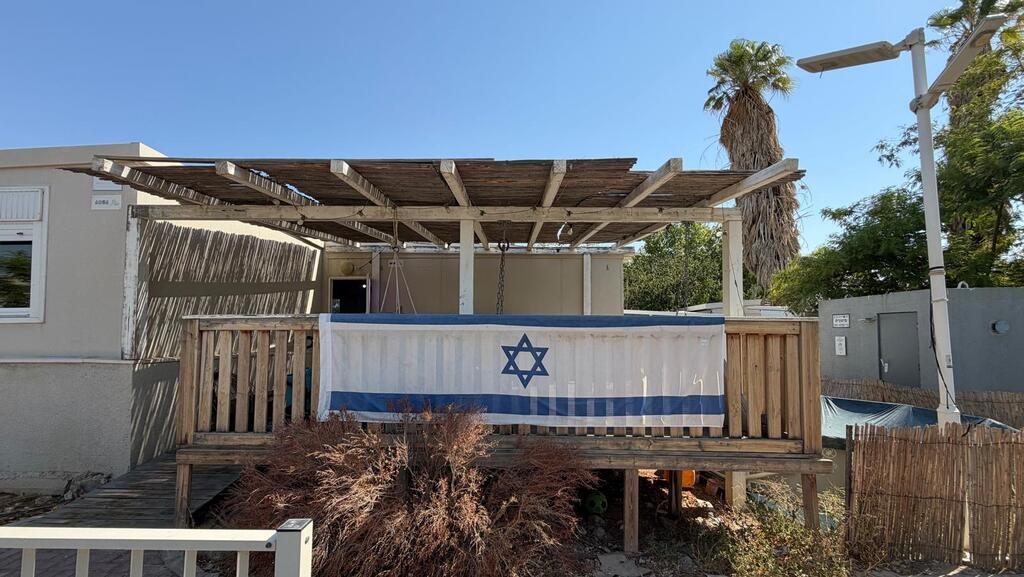
The house? A 72-square-meter, four-room prefabricated home. They pay less than 3,000 shekels a month, including expenses.
Raheli: “Now that Gili was born, it’s become really crowded. The community received approval and construction is expected to begin soon, but until we build our own house, we’ll probably have to add another room.”
Kedem Arava? Roni: “It’s a mixed religious-secular community. There are 70 families here. The community is still being built. We’ve been here for eight years. The heat is probably a great filter because the people here are really good.
“Raheli and I both grew up religious in Gush Etzion. Raheli is still religious and I’m not anymore. Before this, we lived in Nir Galim, a religious moshav near Ashdod, and there were all kinds of nuances that made me feel a little less comfortable. Shabbat there is a whole event. Here, by contrast, if someone lights a barbecue on Shabbat, there’s no problem.”
Raheli: “We were looking specifically for a mixed community, something that would have both. Roni happened to come here and came back with the idea that we should move.”
(Photo: Assi Haim)
Politics? Raheli: “There’s no friction here.”
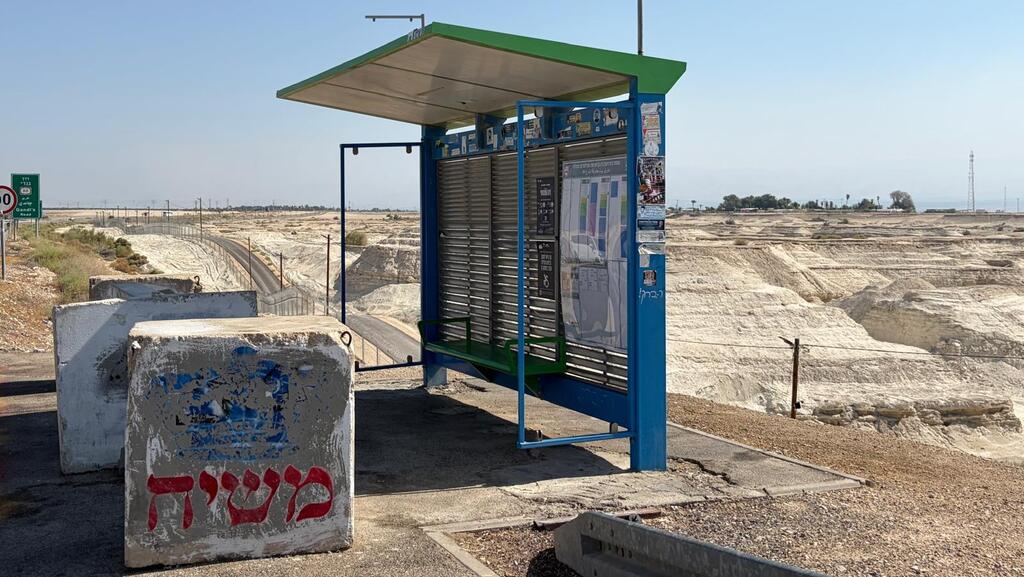
Roni: “Even though this is the northern Dead Sea area, at the end of the day we’re in the West Bank. For most people who live here, that works ideologically.”
The Dead Sea? Roni: “The truth is, last summer we were supposed to move back to central Israel, to Mazkeret Batya. There are disadvantages to living here because as the children get older, there are fewer opportunities for them. The ability to pursue excellence here is limited, and that breaks my heart.
“You have to understand, the move was already settled. We only delayed signing the contract because I was waiting for a checkbook. Then at the very last moment, just before leaving, Raheli said to me, ‘I didn’t sleep all night. We can’t take away the children’s freedom.’”
Raheli: “There’s a kind of magic here that you don’t find elsewhere. It’s peaceful.”
(Photo: Assi Haim)
The weather? Roni: “In the summer, everyone is irritable.”
Raheli: “In July and August, the community practically empties out and only a handful of families stay. You’re mostly inside. Everyone bought some kind of plastic pool for the yard and the kids go from pool to pool.”
What do you do for work? Roni: “I spent my entire adult life in the military, in an elite unit. I left a year and a half ago. Today I’m a sales manager at Matrix. It’s a large tech company, and two or three times a week I drive to Kfar Saba.
“I leave at 6 a.m. and by 2 p.m. I’m already heading back, beating the traffic, then I continue working here in the community. There’s a kind of WeWork here, office space for residents to use.”
The military? Roni: “I was a combat soldier and commander, and I was supposed to be appointed deputy commander of the unit. During the war, I realized I couldn’t do it anymore and decided to leave. War puts things into perspective and I understood that I wanted to change direction. I still contribute through reserve duty.”
Raheli: “I’m trying to get him back into the military. We joke that I’m pushing him and he doesn’t want to go. I believe that when you have a commander like him, you can’t afford to lose him. My dream was for him to become commander of the unit and go wherever he wanted from there. It’s a unit that does incredible work. You can’t compare it to an ordinary job where you get up in the morning and come home at night. It’s a mission.”
Roni: “It was never really my dream. I was in the military because of her.”
Raheli: “He left the military and the next day went back for reserve duty.”
Roni: “At some point I told her that if we didn’t go on vacation abroad, they would never leave me alone.”
(Photo: Assi Haim)
Abroad? Roni: “We went to Romania and Hungary. It was during Operation Rising Lion, and it was the first time there was action and I wasn’t part of it. It felt strange.
“It’s true that the sense of mission you have in the military doesn’t exist in civilian life, but there are other values that matter to me, like being with my family. And yes, I’m also advancing myself, and that’s completely fine. For the first time, I’m learning how to do business and talk about money, things I avoided until now. The khan we built here also happened because I left the military.”
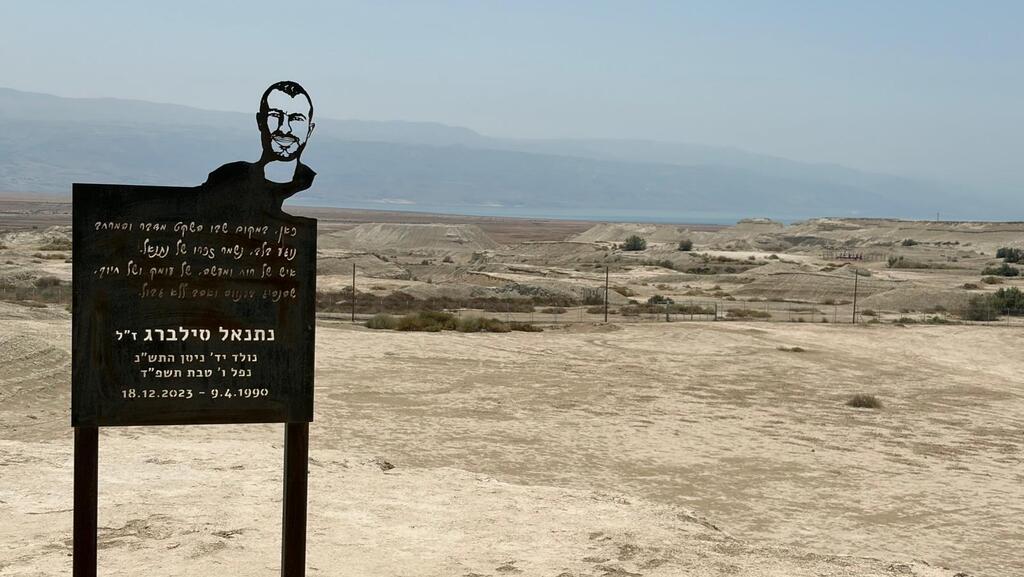
Raheli? “I used to work as a caregiver at a daycare center. My brother was killed during the war and since then I’ve been at home. Before the war, we had a dream of starting a small business with a caravan guest unit.”
Roni: “We bought a trailer and planned to put it out on the property and host guests. The war, of course, put everything on hold. When I left the military, I decided I wasn’t giving up on the dream and wanted to make it even bigger and more beautiful.
“I decided to build a khan with glamping tents — an air-conditioned tent in the middle of the desert, completely secluded, with plunge pools. We market it as a private compound, so whoever books it gets the entire place. We also placed the caravan on the property, totally secluded, and rent it out to couples.”
Raheli: “Bachelor and bachelorette parties are especially popular. In winter, it’s the perfect place. We called it Khan Midora. They even filmed the new Givat Halfon movie here.”
Givat Halfon? Roni: “Some guy contacted me because he was looking for a filming location. There was nothing here yet, just water and electricity. He came, loved it, and that was that.
“I’m not connected to that world at all, but somehow they ended up taking over the place for a month and a half and living here. Eli Yatzpan, Shahar Hason and all the actors were here. I put a clause in the contract saying the kids get photos with the actors.”
Raheli: “They helped with the vision for where to place the khan and what it should look like. They invited us to the premiere, and it’s funny because I’m watching the movie and thinking to myself, ‘That’s our place.’ Even the kids appear briefly in one scene.”
Financial situation? Roni: “We’re doing perfectly fine. You spend much less here and you get tax benefits. Our biggest expense is fuel.”
Raheli: “There’s no Wolt here. There are no little top-up shopping trips. You do one big weekly shop.”
What do you do for fun? Roni: “We have five kids.”
Raheli: “When we want to go out, we call the grandparents in Gush Etzion and they come sleep here. I love food. Going to restaurants is my kind of entertainment.”
Roni: “Me? Just give me a coffee kit out in the field.”