

Coalition leaders sharply criticized a High Court ruling ordering the government to move forward with plans to connect the egalitarian prayer plaza at the Western Wall, known as Ezrat Yisrael, to the main stones of the site.
In a decision issued Thursday, a seven-justice panel headed by Supreme Court President Yitzhak Amit instructed the state to act quickly to obtain the necessary construction approvals from the Israel Antiquities Authority and to advance building plans without further delay. The court ordered the state and the Jerusalem Municipality to update it within three months on progress made.
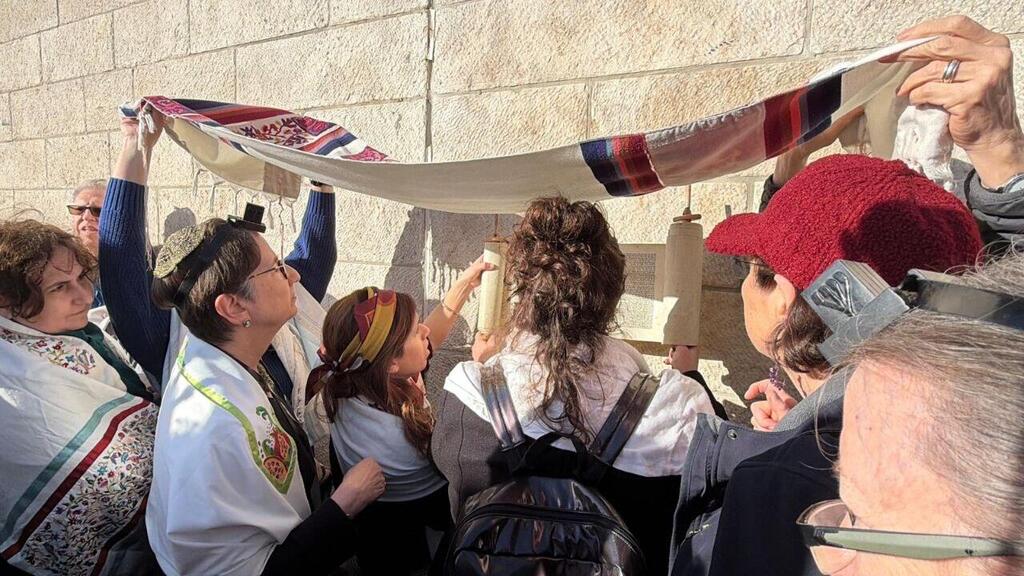
The ruling follows petitions demanding full implementation of a 2017 government decision approved by Prime Minister Benjamin Netanyahu regarding prayer arrangements at the Western Wall. The plan included improving access between Ezrat Yisrael — a southern section designated for non-Orthodox prayer, including services by Women of the Wall — and the Western Wall stones.
Petitioners argued that archaeological remains currently separate the plaza from the wall itself and that access to the site is only via stairs, making it inaccessible to people with disabilities. They called for construction of a proper passageway and accessibility upgrades.
Deputy Prime Minister and Justice Minister Yariv Levin denounced the ruling, accusing the court of overstepping its authority.
“The extremist group sitting on the High Court has crossed the last red lines by raising its hand against the holiest site of the Jewish people, the Western Wall,” Levin said. He called the decision illegitimate and said it contradicts the fundamental values of the state.
Levin said the government and Knesset must act without delay and voiced support for legislation stipulating that management of the Western Wall be placed solely under the Chief Rabbinate or a body approved by it.
Finance Minister Bezalel Smotrich, head of the Religious Zionism party, also attacked the ruling, saying the court had again exceeded its authority and harmed the sanctity of the Western Wall. He pledged to advance legislation to ensure what he described as the site’s unity and preservation in accordance with Jewish law and the rulings of the Chief Rabbinate.
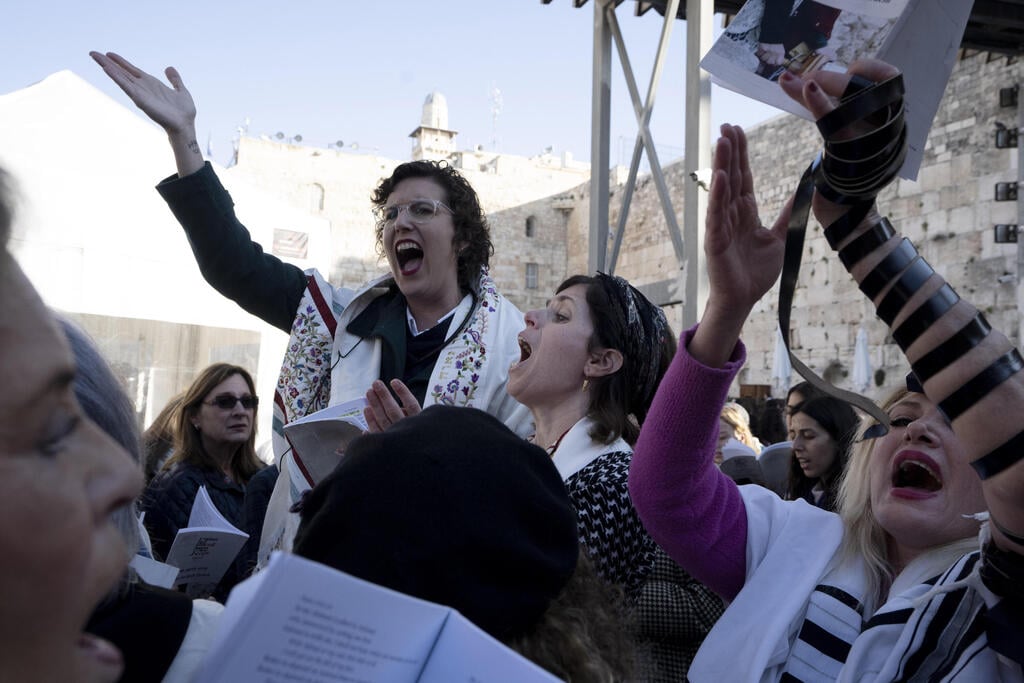
(Photo: Women of the Wall)
Shas chairman Aryeh Deri said the court was attempting to interfere in the character of prayer at the Western Wall and insisted that authority over the site rests exclusively with the Chief Rabbinate. He said his party would urgently promote a “Western Wall Law” to safeguard the site’s sanctity.
Other ultra-Orthodox lawmakers issued similar statements, accusing the judiciary of undermining Jewish identity and calling for reforms to curb the court’s powers.
The Chief Rabbinate also criticized the ruling, saying it represented improper intervention in the holiest site for the Jewish people and warning it could deepen divisions within the public.
On the other side, attorneys Orly Erez-Likhovski and Uri Regev, who represented the petitioners on behalf of the Reform movement, welcomed the decision. They said that for nine years the state and municipality had delayed advancing an equal, respectful and accessible alternative at Ezrat Yisrael.
“The message from the Supreme Court is clear: All authorities must act urgently, because the process has dragged on for an unreasonable amount of time,” they said in a statement.
Rabbi Doron Rubin, chief executive of the Masorti movement, also welcomed the ruling, saying it marked another step toward making the Western Wall accessible to all streams of Judaism. He expressed hope that the prolonged delays would soon end and that access to the stones of the Western Wall would finally be arranged.