

Leonie Feininger, 27, a member of the March of Life movement, arrived in Israel from Germany to lead solidarity marches across the country ahead of Holocaust Remembrance Day.
What is the March of Life movement?
“The movement was founded in 2007 in the city of Tübingen, Germany, by descendants of Wehrmacht soldiers, SS members and German police, who, through their personal stories, take a stand against antisemitism and actively demonstrate support for Israel. The movement has three main goals: remembering the past, healing and restoring the victims, and standing with the State of Israel and against manifestations of antisemitism. Since its founding, the movement has organized dozens of memorial marches at 25 Holocaust remembrance sites across Europe.”
Gallery
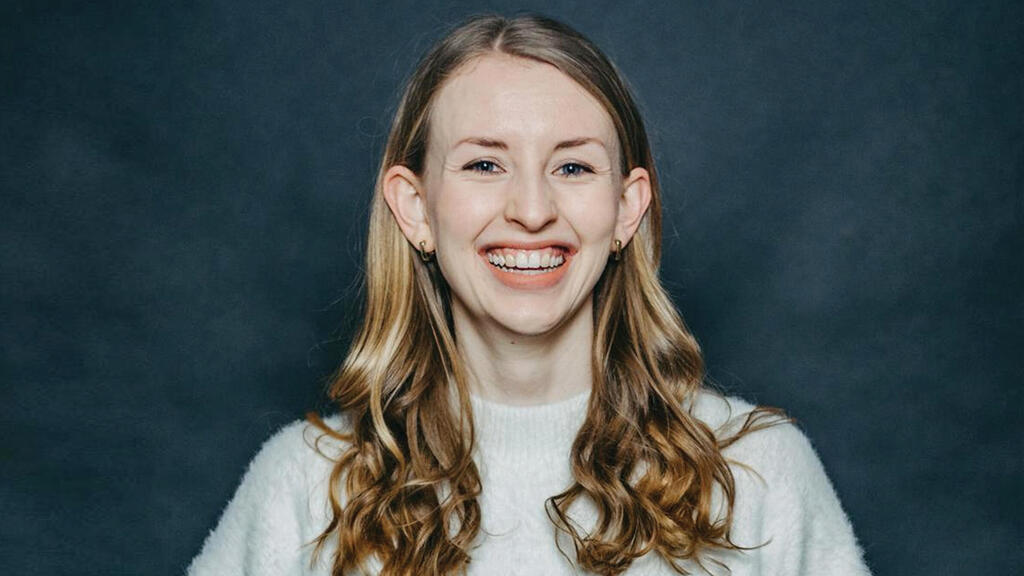
Leonie Feininger, 27, is leading solidarity marches across Israel for Holocaust Remembrance Day
(Photo: March of Life)
How did you discover that your grandparents were SS Nazis?
“I learned about the Holocaust in middle school, and when we visited a concentration camp I was shocked and decided to find out whether my family had any connection to it. I started asking questions, and when I didn’t get answers, I went to the national archives. To my horror, I discovered what my family had done during the war. My great-grandfather volunteered for the SS and took part in invasions across Europe. Until the end of his life, he remained a proud Nazi who told antisemitic jokes and kept a copy of Mein Kampf on his shelf. His wife, my great-grandmother, volunteered in the Nazi Party offices in Vienna, which operated out of a house confiscated from Jews who had been deported.”
How did you feel when you discovered this?
“At first I didn’t believe it. I was filled with shame and guilt. I was shocked to realize that no one forced them — they did it willingly and voluntarily.”
And then you decided to join the movement?
“Yes. I felt I couldn’t remain silent. When I was told that my grandparents never regretted their actions and remained proud of what they had done during the Holocaust until the day they died, I decided to share my family story everywhere so that no one would dare deny what happened. When I joined, my parents were already part of the movement, and I saw how much healing it brought.”

March last year in Be'er Sheva
(Photo: Courtesy)
How does the younger generation in Germany relate to their history?
“Many people my age don’t even know what Auschwitz is. Studies show that 25% of the population deny that their family took part in the events. Many young Germans think the past should be left behind, and some are even proud of German heritage. That’s why it is my responsibility to say what they will never say: I am guilty, and I ask for forgiveness.”
You didn’t just ask for forgiveness — you also came to Israel to volunteer with people with disabilities.
“In Germany, it is customary for high school graduates to volunteer for a year before university, and I chose to come to Israel. I volunteered at Adi Negev - Nahalat Eran Rehabilitation village near Ofakim, working with people with disabilities. People with disabilities were among the first to be murdered by the Nazis, so it was also a form of tikkun olam (repairing the world). I stayed in Israel for nine months, lived in the moshav of Ranen, and fell in love with the country and with Israelis. It was a wonderful time and a meaningful experience. When I returned to Germany, I spoke about my journey with a heart full of love and gratitude for all the friends I made here.”

During her time in Israel as a volunteer in 2018
(Photo: Courtesy)
Is there a chance we’ll see you in Israel again?
“I got married recently and my family is in Germany, but I visit Israel regularly because it is in my heart. This coming May, I will arrive with other members of the movement to lead public solidarity marches across the country.”
What do you do today?
“After returning from Israel, I studied history for my bachelor’s degree and Jewish studies for my master’s. I chose this path because I was inspired by the bat sherut (young women performing national service) in Israel with whom I volunteered, and I became curious about Judaism. Today I work half-time in a church and half-time in the movement. As part of my work, I have had the opportunity to meet Holocaust survivors, hear about their suffering, and tell them I am sorry for what my grandparents did to them.”
The best advice you’ve received?
“To follow my beliefs all the way.”
The worst advice you’ve received?
“To stay silent and not tell my story, because ‘why do you need this?’”