

The University of California, Berkeley, agreed to tighten protections against antisemitism on campus to settle a lawsuit accusing the school of tolerating an "unrelenting" stream of harassment toward Jewish students and faculty.
Thursday's settlement resolves a lawsuit filed by the nonprofit Louis D. Brandeis Center and Jewish Americans for Fairness in Education in November 2023, following harassment and other alleged mistreatment of Jews in the wake of Hamas' attack on Israel a month earlier.
UC Berkeley was accused of turning a blind eye to long-festering antisemitism, including anti-Israel protests and the exclusion of speakers who support Israel or Zionism.
Gallery
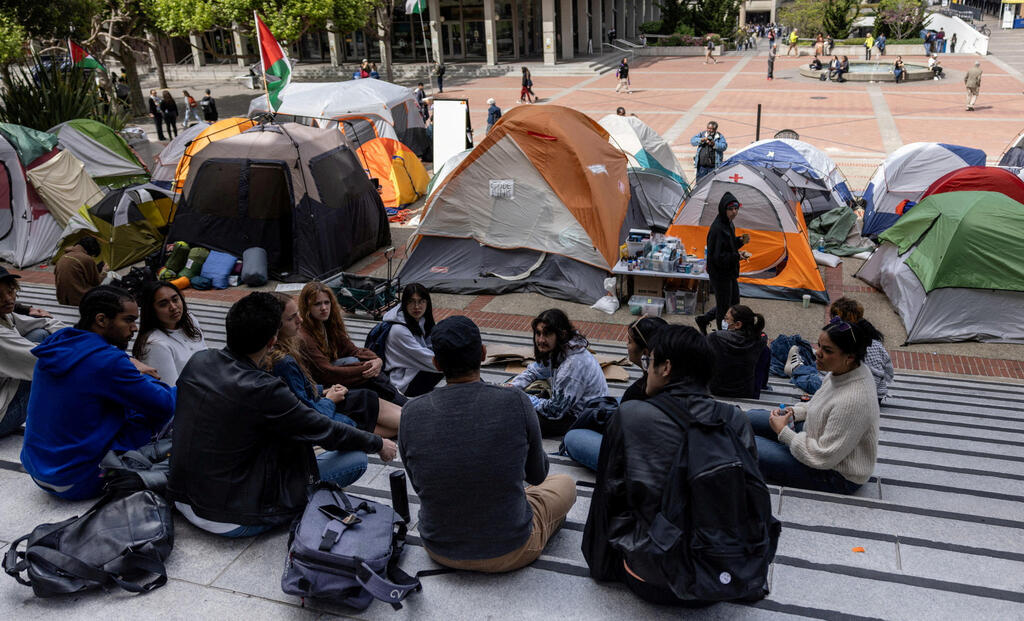
Students attend a protest tent encampment in support of Palestinians at University of California, Berkeley on April 25, 2024
(Photo: Carlos Barria/File/Reuters)
The Brandeis Center said the settlement prohibits student groups, journals and clinics from excluding anyone from participating or speaking regardless of their support for Israel and Zionism, and an array of groups from including such exclusions in their bylaws.
Other changes include mandatory antisemitism and anti-discrimination training for faculty and staff, an improved process to handle complaints, and hiring an officer to ensure compliance with a U.S. law prohibiting discrimination based on race, color and national origin in programs receiving federal funding. UC Berkeley will also pay $1 million of the Brandeis Center's legal bills.
The settlement came nearly one year after a federal judge refused to dismiss the lawsuit, saying the plaintiffs plausibly alleged that Jewish students and professors were treated differently because they were Jewish, and the university was "deliberately indifferent."
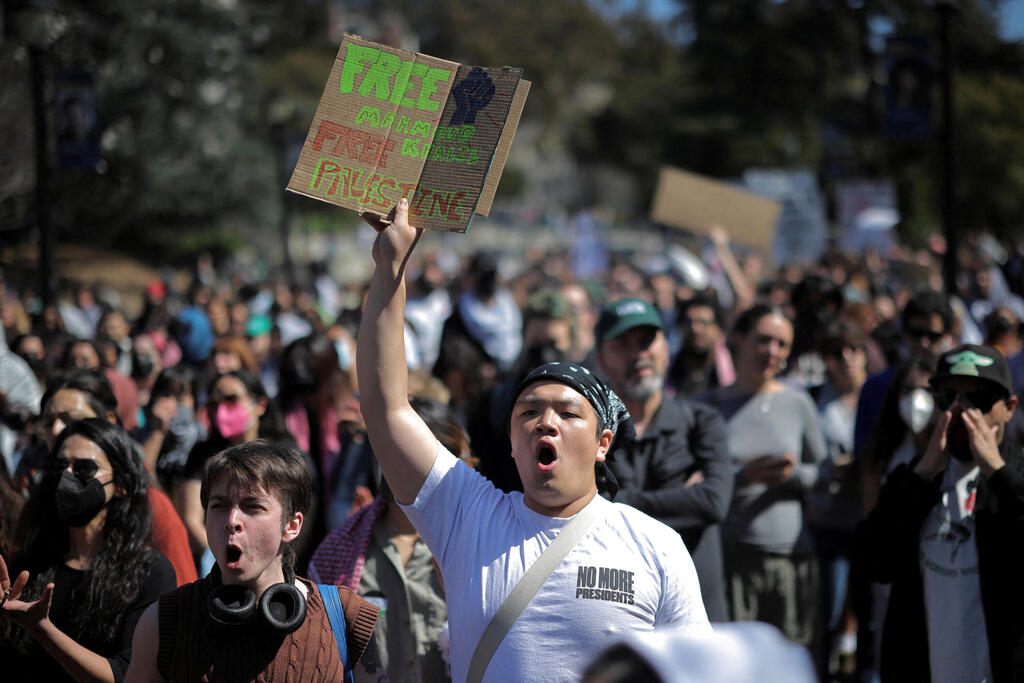
A demonstrator displays a sign as people attend a Protest following the arrest by US immigration agents of Palestinian student protester Mahmoud Khalil at Columbia University, in Berkeley, California, U.S. March 11, 2025
(Photo: Carlos Barria/File Photo/Reuters)
Many top U.S. colleges and universities have been accused, including by the Trump administration, of tolerating or encouraging antisemitism and mishandling protests.
The Brandeis Center has settled similar lawsuits against several other schools, including Harvard University.
UC Berkeley says Jews should feel safe, respected
In a statement, UC Berkeley said the settlement reflects its commitment to combatting "abhorrent" antisemitic expression, harassment and discrimination on campus. The school has about 46,000 undergraduate and graduate students.
"UC Berkeley is and will continue to be a place where Jewish students, staff and faculty can thrive and feel safe, respected and a true sense of belonging," it added.

Riots against a Jewish student organization at the University of California, Berkeley
The Regents of the University of California, the governing body for the University of California system, denied liability in agreeing to settle.
"What happened at Berkeley is a cautionary tale," Brandeis Center Chairman Kenneth Marcus said in a statement. "Universities, unions, corporations and political parties cannot create an anti-Zionist exception to their conduct codes."
The original complaint said "no fewer" than 23 groups at UC Berkeley's law school had anti-Jewish policies, such as requiring invited speakers to repudiate Zionism, and forcing some Jewish students to undergo training that emphasized Israel's supposed illegitimacy.
"My position since this issue emerged has not wavered," Dean Erwin Chemerinsky wrote in a letter to the law school community on Thursday. "Student organizations have the First Amendment right to choose speakers based on their views, but I believe that these bylaws are inconsistent with the law school's commitment to be a place where all ideas and views can be expressed."