

To understand Kohelet, we must first recognize the magnitude of Solomon's ambition and subsequent disillusionment. The construction of the First Temple represented the culmination of nearly a millennium of divine promise dating back to Abraham. As Scripture records, it was built "480 years after the Israelites came out of Egypt", a milestone meant to herald a new era of divine presence in the world.
Solomon understood himself to be the prophesied Messiah, the literal son of David, fulfilling his father's unrealized dream of building God's dwelling place on earth. No ruler could have been more qualified: blessed with unparalleled wisdom, unimaginable wealth, and international prestige. Yet despite these advantages, his grand vision collapsed spectacularly.
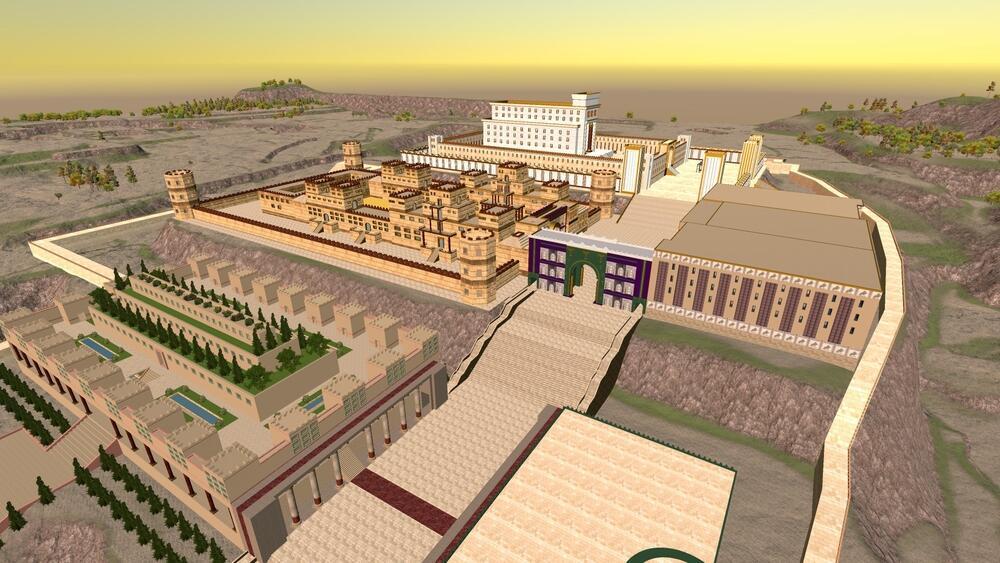
The Book of Kings (Chapter 11) documents this failure in painful detail. His strategy of diplomatic marriages to a thousand foreign wives, which was intended to bring all nations under divine influence, backfired catastrophically, leading to widespread idolatry. Rather than unifying the world under monotheism, his kingdom faced imminent division and spiritual corruption. Kohelet begins from this place of deep disillusionment.
Solomon's opening lament that "everything is meaningless" stems from his realization that human efforts to control history and perfect the world inevitably fail. His initial conclusion is devastating: generations come and go, but nothing fundamentally changes.
As the Talmud metaphorically illustrates through the story of Ashmedai (the demon king), Solomon had sought to understand evil itself, believing this knowledge would complete his ability to transform the world. In loosening his connection to God to explore this domain, he found himself "thrown miles away," with darkness overwhelming his consciousness. The early chapters of Kohelet document his failed attempts to escape this despair through pleasure, achievements, and even the recollection of past glories.
Solomon's philosophical journey reaches its turning point when he recognizes a singular truth: we cannot control the ultimate outcomes of our actions, but each righteous deed connects to the entirety of existence. He develops the radical concept of being "connected to all of life" (mi asher hu chai). Like a butterfly whose wing-flap might trigger a distant tornado, our smallest actions ripple through an interconnected cosmos in ways we cannot predict. The variables of existence are too complex for human comprehension or control. Our grandest plans invariably produce unintended consequences, solving one problem often creates another elsewhere.
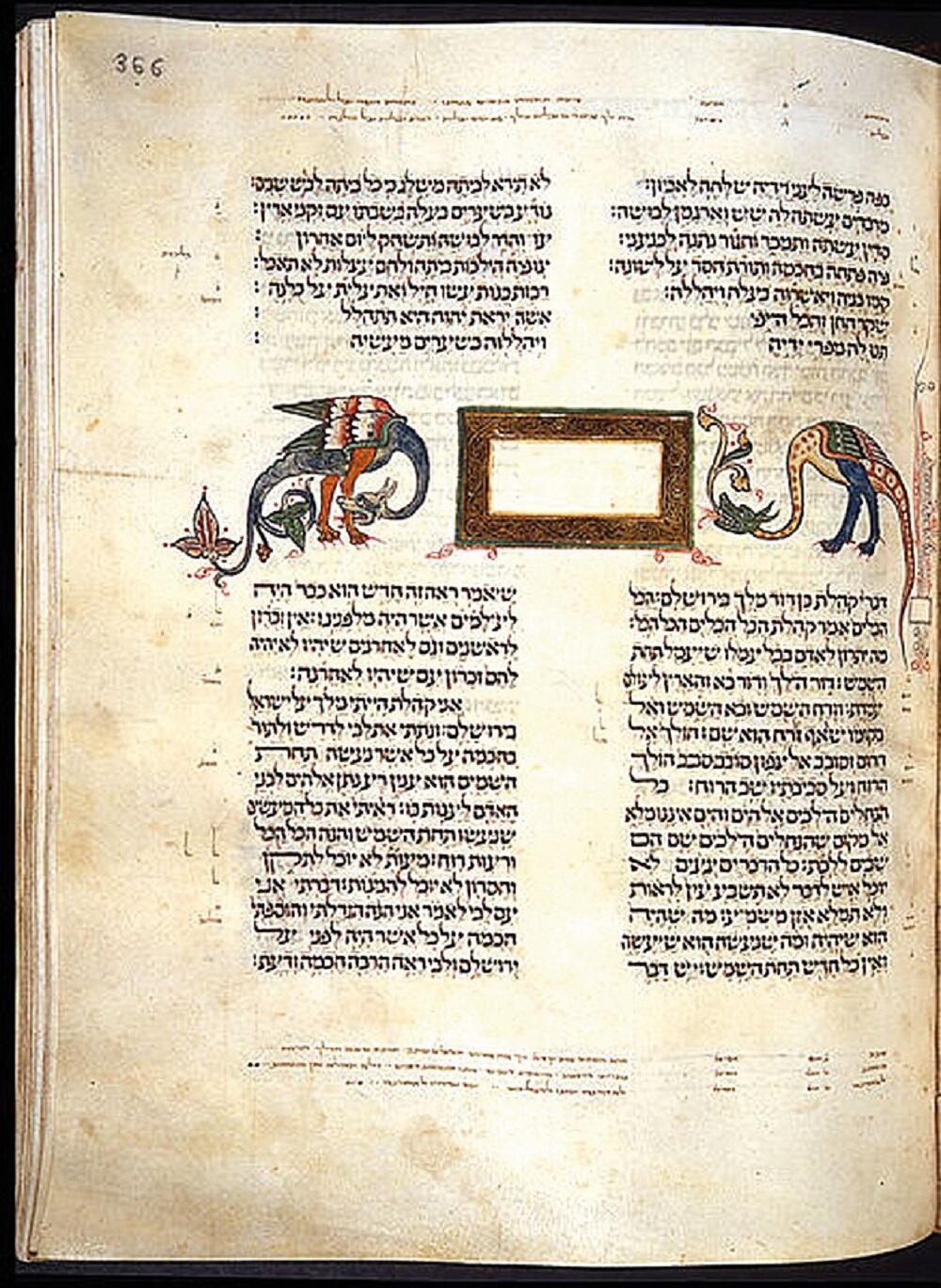
The Book of Kohelet
Solomon's wisdom led him not to nihilistic abandonment but to a revolutionary insight: the purpose of life isn't to control outcomes but to faithfully input goodness into each moment. "Cast your bread upon the waters," he advises, because righteous acts cascade through reality in eternal, if unpredictable, ways. This realization transforms Solomon's understanding of divine commandments (mitzvot). What matters is not achieving grandiose world-changing goals but rather doing the right thing, here and now, without shortcuts. The faithful performance of even seemingly insignificant acts contains within it the power to reshape all of history.
Solomon's journey from "hakol havel" (everything is meaningless) to "sof davar hakol nishma" (the conclusion of everything that's been heard) represents a complete philosophical reorientation. He concludes that "fearing God and keeping His commandments" constitutes the entirety of human purpose, not because other ambitions are worthless, but because these small faithful acts contain within them the seeds of cosmic transformation.
This wisdom connects deeply with Sukkot, the festival celebrated shortly after Yom Kippur. When the Israelites left Egypt, they arrived at a place called Sukkot, filled with temporary shelters. God was communicating: "I've prepared shelter for you on your journey through history." Similarly, after the spiritual heights of Yom Kippur, with its visions and resolutions for the year ahead, Sukkot reminds us that transformation happens through small, daily steps. We cannot leap directly to our destination, but we can faithfully journey forward, knowing God accompanies us.
During Temple times, all of the nations gathered in Jerusalem on the holiday, symbolizing the harvest not just of crops but of humanity itself. It celebrated how individual actions, like countless raindrops, eventually form mighty rivers of change. This was the revolutionary wisdom taught to us by Kohelet. That even in a world that possesses a myriad of instant gratification and grand ambitions, we may not control history's outcome, but we participate in its unfolding through each small act of righteousness. Kohelet taught us that no one person can shape history to their will, but at the same time, no person is too insignificant to make a difference, even a massive one.
King Solomon's greatest gift may not have been his legendary temple but the profound insight born from its failure: that faithful presence in each moment, doing what is right without shortcuts, connects us to the entirety of existence and creates ripples that transform reality in ways beyond our comprehension. By acknowledging our limitations, we paradoxically discover our greatest power.
- Rabbi Daniel Rowe currently serves as the Educational Visionary of Aish, a global Jewish educational institution and resides in Jerusalem.