



Public outrage has erupted in Britain over the sale of Arabic-language copies of "Mein Kampf," Adolf Hitler's antisemitic book, at a new bookstore in London. Several copies were found at Aafaq in Edgware, which opened Aug. 1. The discovery drew condemnation from Jewish community representatives and organizations combating antisemitism, which called for the books to be removed from the store.
The copies were discovered by Elliot Keck, a Conservative councilor, who photographed them inside the store. In response to the publication of the images, the bookstore said it had only three copies in stock and that they had been placed at the back of the store alongside history books. The store also claimed security footage showed Keck rearranging the books for the photographs.
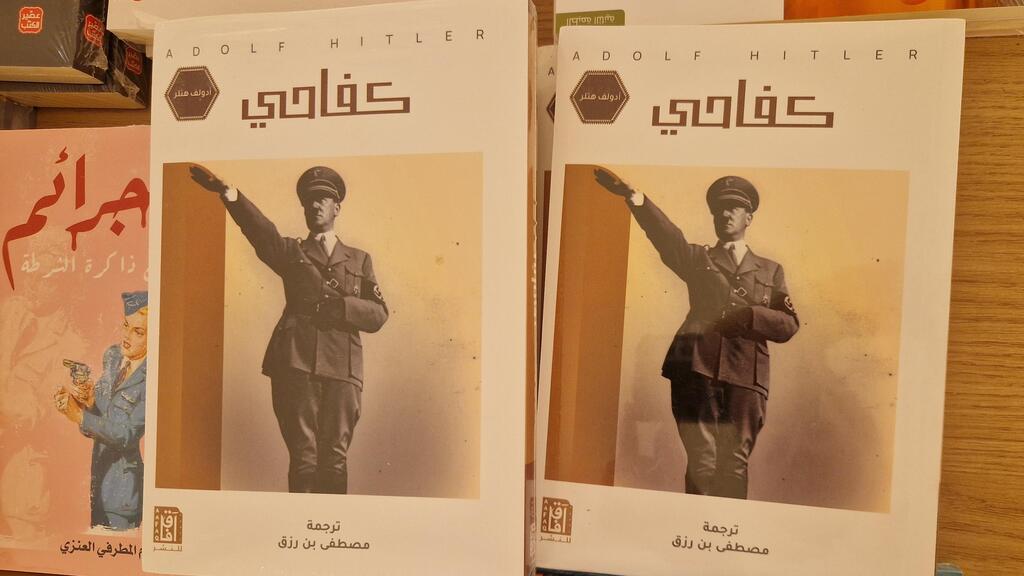
"The presence of a controversial historical book in a bookshop does not constitute endorsement of its ideas," the store said. "Aafaq unequivocally rejects Nazi ideology, antisemitism, racism and Islamophobia."
Keck rejected the claims. Speaking to the British Jewish newspaper Jewish News, he said: "It is very clear from the images that I have separated them to show the number of copies they have on sale."
He added: "This is a bizarre way to distract from the fact that upon opening they chose 'Mein Kampf' as one of the first books to stock and display on one of their main display tables in what is a small bookshop."
Jewish organizations in Britain also criticized the sale of the book. A spokesperson for the Community Security Trust, or CST, said that "no London Arabic bookshop should be publishing and promoting 'Mein Kampf,' the most infamous antisemitic text of the Holocaust era."
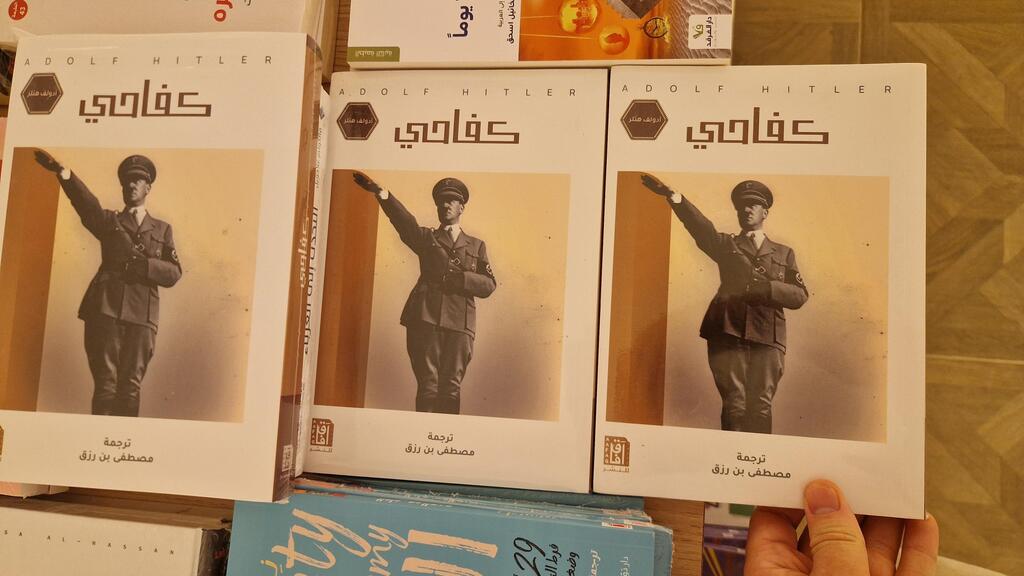
Hitler's book at the London bookstore
(Photo: Elliot Keck, X)
The Jewish Leadership Council, or JLC, described the case as shocking. Phil Rosenberg, a senior figure in London's Jewish community, said the matter was being examined together with community partners.
The Campaign Against Antisemitism, or CAA, also stressed the distinction between historical editions of "Mein Kampf" presented in a scholarly and critical context and distributing the book without such context. The organization warned against using the book in a way that could recycle and spread its antisemitic messages.
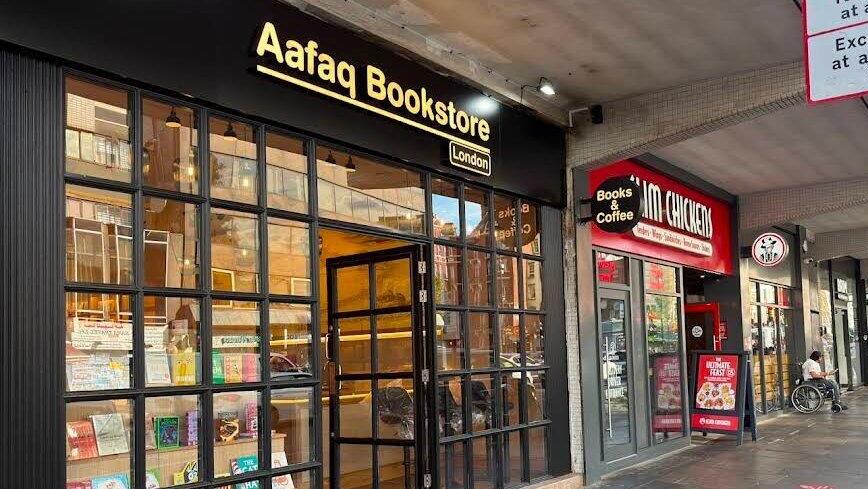
The new bookstore in London
(Photo: Elliot Keck, X)
"Mein Kampf" was written after Hitler and his supporters attempted to seize power in Munich in 1923 in what became known as the Beer Hall Putsch. The coup failed and Hitler was sentenced to five years in prison. He served only about nine months, during which he worked on the book, whose title means "My Struggle."
In the book, Hitler expressed admiration for power, praised aggression in political life and laid out a vision for an assertive German foreign policy. He also expressed contempt for Judeo-Christian morality and promoted his doctrine of Aryan racial supremacy, portraying Germans as a "master race." Hitler depicted Jews as subhuman, accusing them of parasitism and of destroying culture.