

"Everything changed after Oct. 7 — both here in Israel and among Jewish communities abroad," Ori Ben Shlomo, CEO of the JGive nonprofit, said in an interview with ynet.
"People who had never donated before started giving, and the younger generation — which people always said was indifferent and uninterested in anything beyond itself — has become a driving force behind charitable giving and volunteerism in Israeli society."

Figures in the organization's new annual report appear to support his claim. About 400 million shekels ($136 million) were donated through the platform in 2025, including roughly 125 million shekels ($42.5 million) from overseas donors, accounting for about 31% of all donations. According to Ben Shlomo, that marks an all-time record.
JGive, which describes itself as a digital giving platform connecting donors, nonprofits and communities in Israel and abroad, was founded more than a decade ago.
"I was serving in the reserves during Operation Protective Edge, and I saw how many people wanted to give and volunteer," Ben Shlomo said. "But I also saw there was no organized framework to make that possible. People had generous hearts and strong intentions, but there were no tools to connect those intentions with the people who needed help. That's exactly why the organization was created."
61% of leading donors are under 50
If the initial challenge was connecting people's desire to give with the right tools, the more interesting question today is who is actually behind the donations.
The annual report — based on hundreds of millions of shekels in donations and a survey of more than 10,000 active donors — points to one clear trend: charitable giving in Israel is increasingly being led by a younger, more ideological and more digitally oriented generation that uses philanthropy to shape Israeli society.
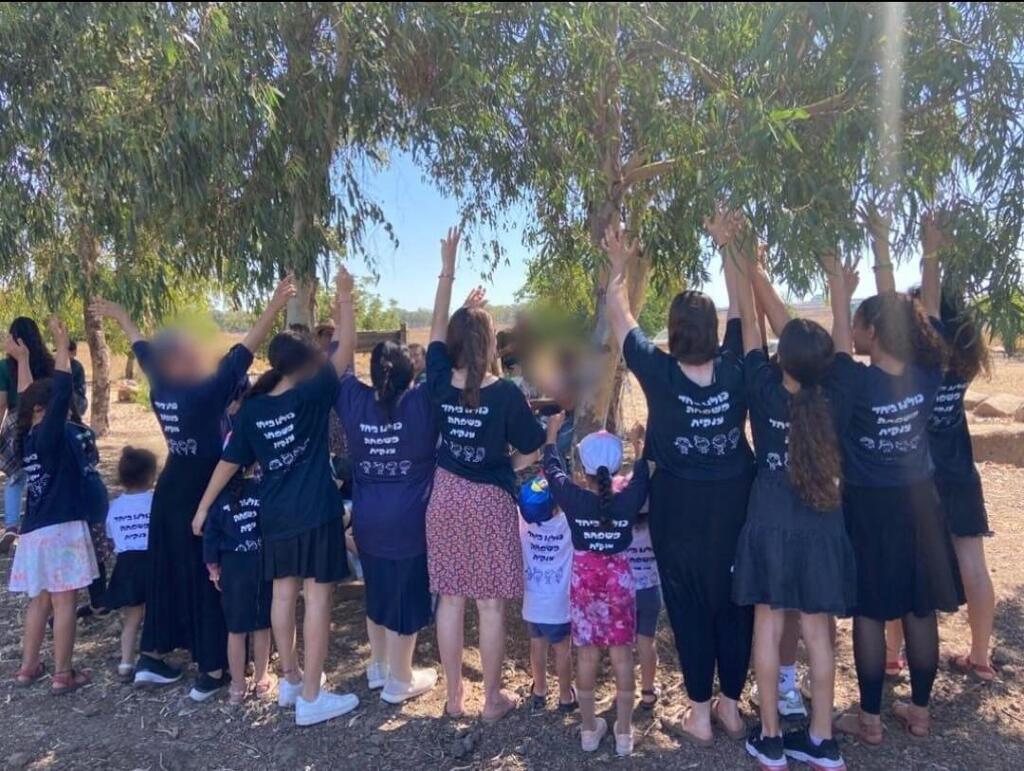
Teenagers who chose to spend their summer break volunteering
(Photo: Carmel Halimi)
"One of the most unusual findings compared with international trends is the age profile of donors," Ben Shlomo said.
According to the report, 61% of Israel's leading donors are under the age of 50, many of them with clearly defined social or political agendas.
"In the past, contributing to society was seen as something nice to have, while mutual responsibility was more of a slogan than a reality," he said. "After Oct. 7, those ideas gained real meaning and became tangible."
"When I founded JGive, nonprofit executives told me young people weren't interested in philanthropy and cared about other things," he added. "I discovered the opposite was true. Once you make the issue accessible through digital tools and speak their language, they connect. Their hearts were always in the right place — the tools simply had to evolve."
At JGive, Ben Shlomo and his team describe a deeper shift in attitudes. Many of the younger donors come from Israel's technology sector, have relatively high incomes and are using their money not only for consumption or investments but also to influence realities in Israel.
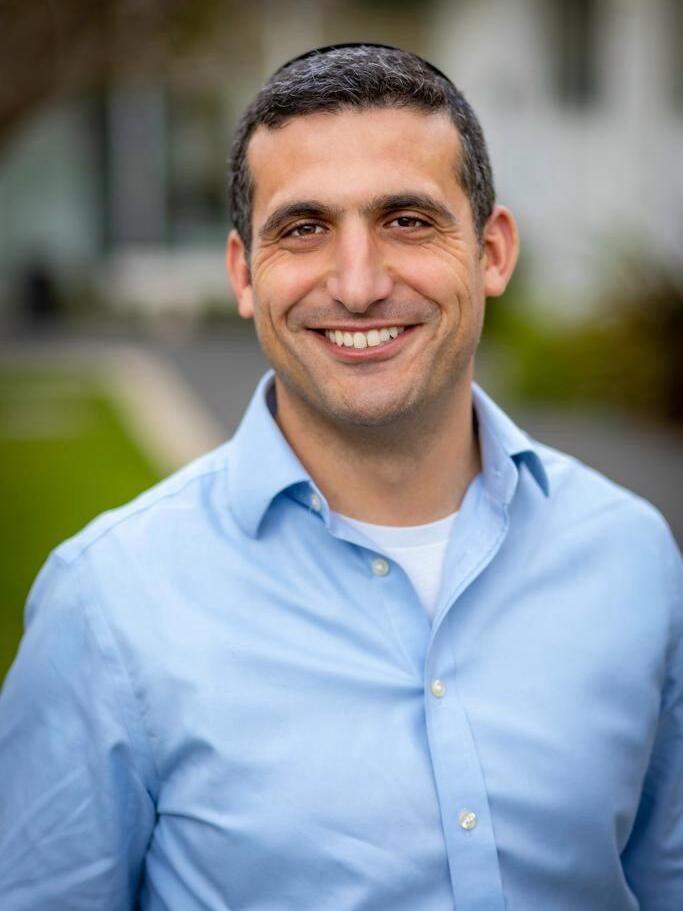 Ori Ben ShlomoPhoto: Or Sultan
"The new generation no longer settles for posting online, commenting on social media or attending demonstrations," he said. "They're also putting money behind the causes that represent their worldview."
The trend is particularly evident among overseas donations, which have increased by about 200% since the start of the war.
According to Ben Shlomo, a new generation of donors abroad is seeking a different type of philanthropy. "Donors overseas want to feel they are giving directly. They no longer see themselves as 'Uncle Sam' writing a check to some struggling country, as may have been the case years ago," he said.
"They see an advanced country with a strong tech industry, a solid economy and a powerful military, and they say: I want a partnership. I want to feel that I'm giving together with Israelis, without intermediaries. We see this trend clearly in the data, and it's only getting stronger."
Donating Nvidia stock
Another major shift highlighted in the report concerns the structure of charitable giving.
In 2025, 667 members of the platform's JGive Platinum donor group contributed about 302 million shekels ($90 million), including 85 million shekels ($25 million) through stock donations alone — a 240% increase from the previous year.

Stocks
(Illustration: Shutterstock)
What's the logic behind it?
"Stock donations allow people to contribute assets, not just cash," Ben Shlomo said. "In the United States, medium-sized and major donors often give assets — stocks, apartments and even yachts and works of art. We're not there yet."
According to JGive, more entrepreneurs, tech professionals and investors are now incorporating philanthropy into their financial planning, tax strategies and long-term impact goals.
"People who donate shares receive the standard Israeli tax credit, currently 35%," Ben Shlomo said. "That means if you donate 1,000 shekels, you get 350 shekels back through the tax credit. In addition, you avoid paying capital gains tax on the increase in the value of the stock.
"For example, if you bought Nvidia stock five years ago and its value increased twelvefold, you would normally pay tax on those gains. But if you donate the stock, the full value goes to us and we transfer the money to the nonprofits. In the end, it does a lot of good."
As for donations that fall outside traditional giving models, one question increasingly raised by donors is whether digital currencies will soon be accepted.
"For now, there are regulatory issues that make it challenging," Ben Shlomo said cautiously. "But it's something donors ask about quite often, and I hope we'll be able to offer it in the future."