

Since the U.S. National Archives made Nazi Party membership files available online to the public, Germany has been gripped by a wave of painful family investigations.
The documents, which include personal details of an estimated 80% to 90% of Germans who joined the Nazi Party, have become the focus of an almost obsessive search by hundreds of thousands of Germans. So many people have been looking for parents, grandparents, uncles, aunts and other relatives in the files that the servers reportedly crash at least once a day.
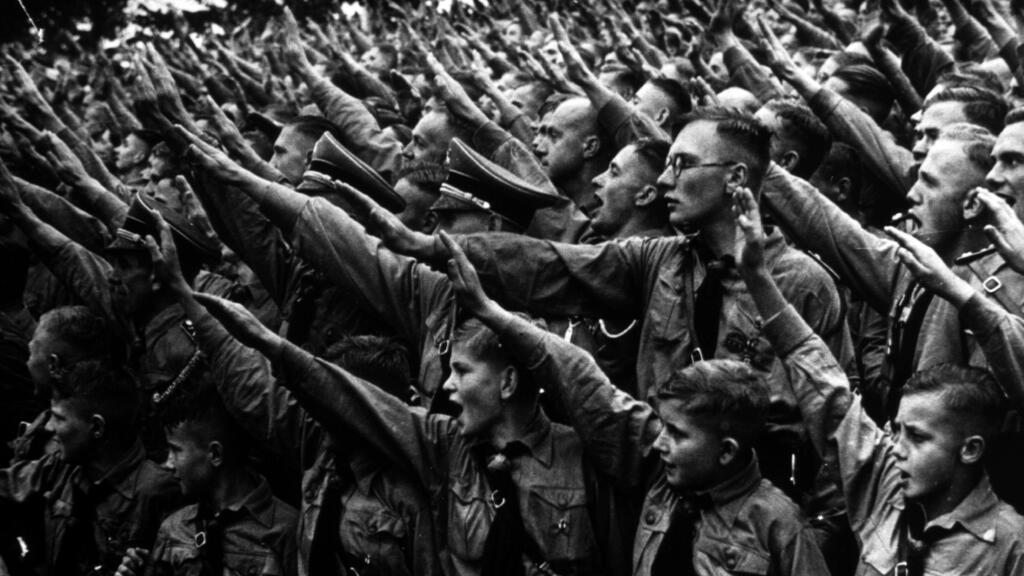
For many, the searches are tearing open decades-old walls of silence. Family stories about a kind grandmother who taught school or a gentle grandfather who grew strawberries are now colliding with archival evidence. Some Germans are not stopping at whether relatives were members of the party. They are also asking new questions about the origins of family wealth, property and assets.
The records do more than identify individual members of the Nazi Party. They show how deeply belief in the party and its monstrous policies penetrated the heart of German society, cutting across class, gender, education and economic status. They also show that children and teenagers were drawn into Nazi ideology with an ease that, in many cases, resembled the way ordinary youths might join a local scouts troop.
In some cases, relatives were found to have joined the Nazi Party even before Hitler came to power, or shortly afterward. In others, the discoveries are ending years of lies and concealment.
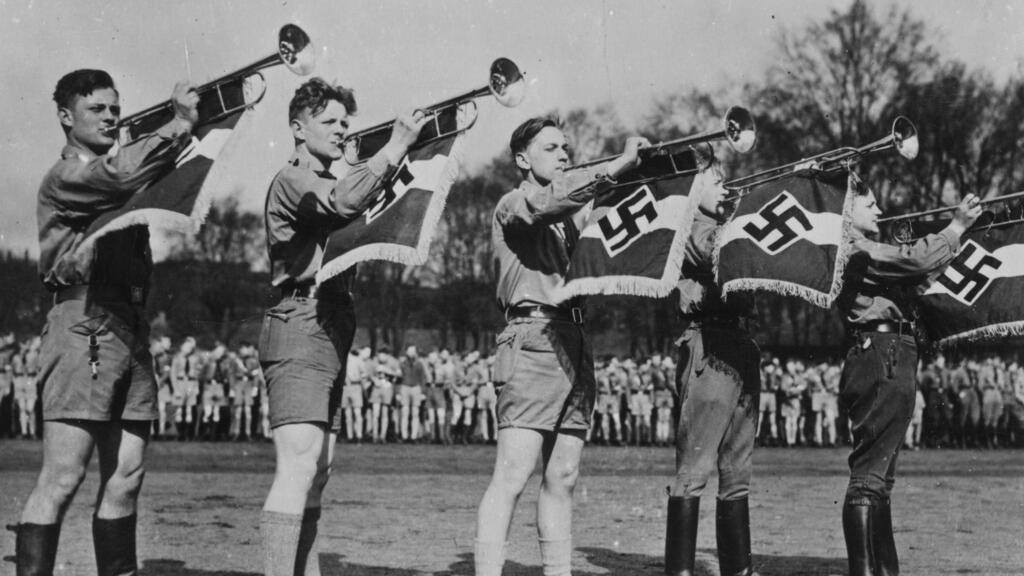
Trumpeters cheer at a Hitler Youth gathering in Germany in June 1938
(Photo: Topical Press Agency / Getty Images)
A detailed article in Der Spiegel brought testimonies from Germans who uncovered the dark past of their families. Among them was Susanne, 70, from the town of Lüdinghausen, who recently discovered that her grandfather Helmut joined the Nazi Party on May 1, 1936.
“My grandmother said: ‘We had nothing to do with the Nazis.’ A blatant lie. I discovered the truth a few weeks ago,” Susanne said.
Some files reveal entire families who registered with the party, including parents who brought along their 18-year-old children. Now, many elderly Germans, members of the grandchildren’s generation, are turning their anger toward their own parents: How did you stay silent? Why didn’t you ask questions? How did you let us grow up next to people who had been part of that monstrous machine?
Volker, 75, from Bremen, discovered that almost his entire family had belonged to the Nazi Party.
“What can I say? I found everyone. My grandfather and great-uncle, my grandmother and her whole family. My grandmother’s father, her mother, my mother, all of them in the party,” he told Der Spiegel.
“I had no idea. In our family, people always said only grandfather was bad. Of course I asked, but no one answered. My mother said it was time to stop asking questions. ‘The past is the past,’ she said. Now I know why, Mom. Somehow, I always felt it.”
He said the new certainty brought a strange sense of relief.
“I feel terrible and good at the same time. For 40 years I was a criminal investigator, dealing with extortion and robbery. I investigated all my life. Now I am a 75-year-old pensioner, but the biggest case of my life is still ahead of me: the crimes of my family. They were completely involved, the whole clan. My clan. A model family.”
Antisemitic songs and cries of ‘Jews out’
Children and teenagers were not yet old enough to formally join the Nazi Party, but the family legacy did not pass them by. The murderous, antisemitic ideology was passed down to them as well.
New testimony points to the participation of boys and girls in Kristallnacht and in the days that followed. They smashed shop windows and home windows, destroyed property and looted. Other accounts describe children and teenagers hunting Jews, exposing them and informing on them to Nazi authorities.
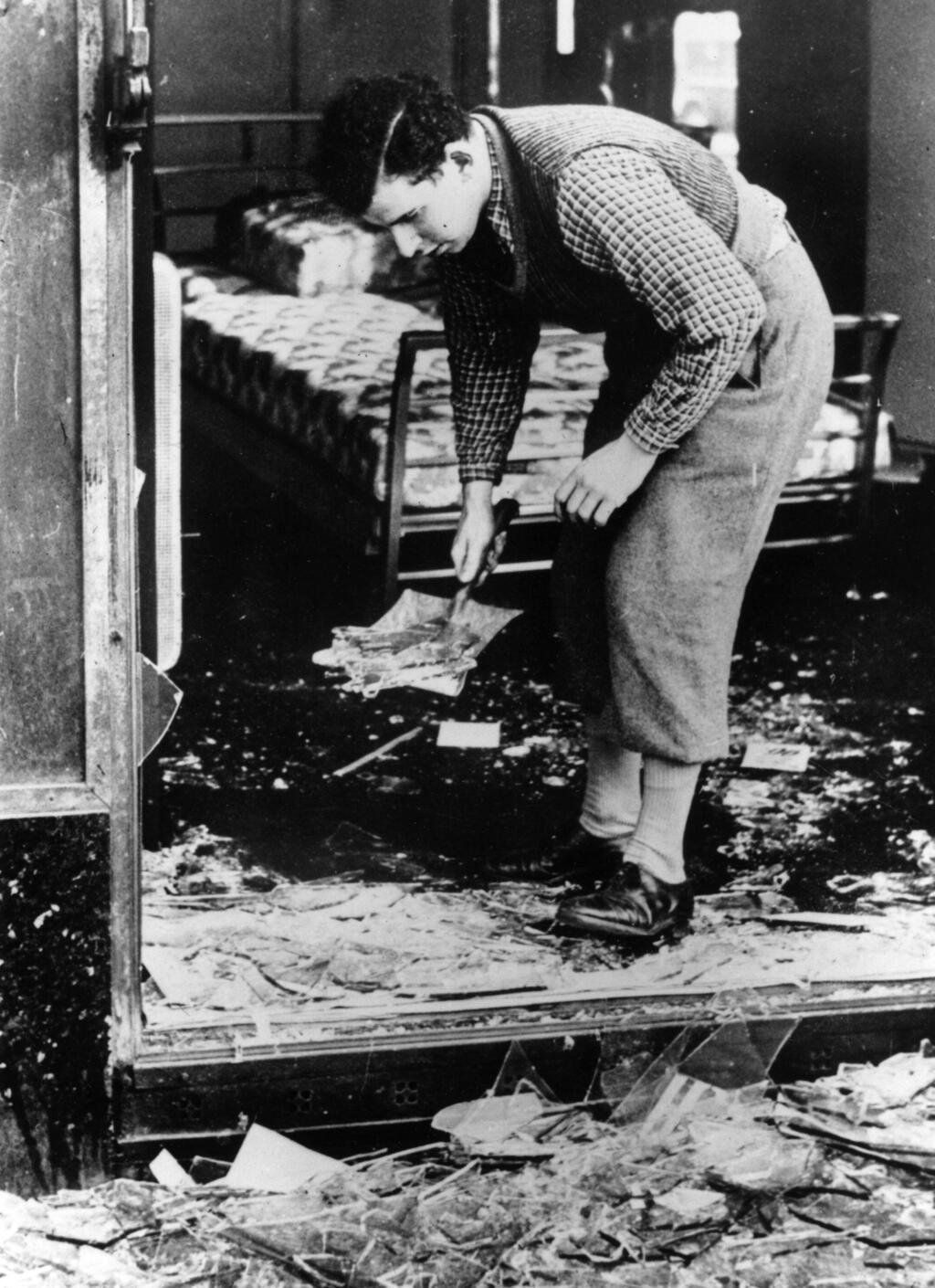
Clearing shattered glass after the Kristallnacht pogrom in Berlin
(Photo: Hulton Archive / Getty Images)
A new study published this week in a historical studies journal sheds further light on the phenomenon. According to the study, soon after the Nazis came to power, children and teenagers began harassing Jews, beating them, vandalizing Jewish cemeteries, looting stores and smashing synagogue windows.
In one case, in the city of Stettin in 1935, police even arrested several local boys for excessive antisemitism. The police did not do so to protect Jews, of course, but to make clear to the public that antisemitism was not merely a matter of childish mischief.
Pupils who had once played with Jewish classmates, visited them and studied beside them began wrinkling their noses when a Jewish student entered the classroom.
“What is that terrible smell?” they would ask, before answering themselves: “It’s that pig Jew who always eats garlic.”
On school trips, according to the new study, German children sang: “Two Jews went to bathe in the river / Pigs deserve to wash too, one drowned / As for the second, we’re still hoping.”
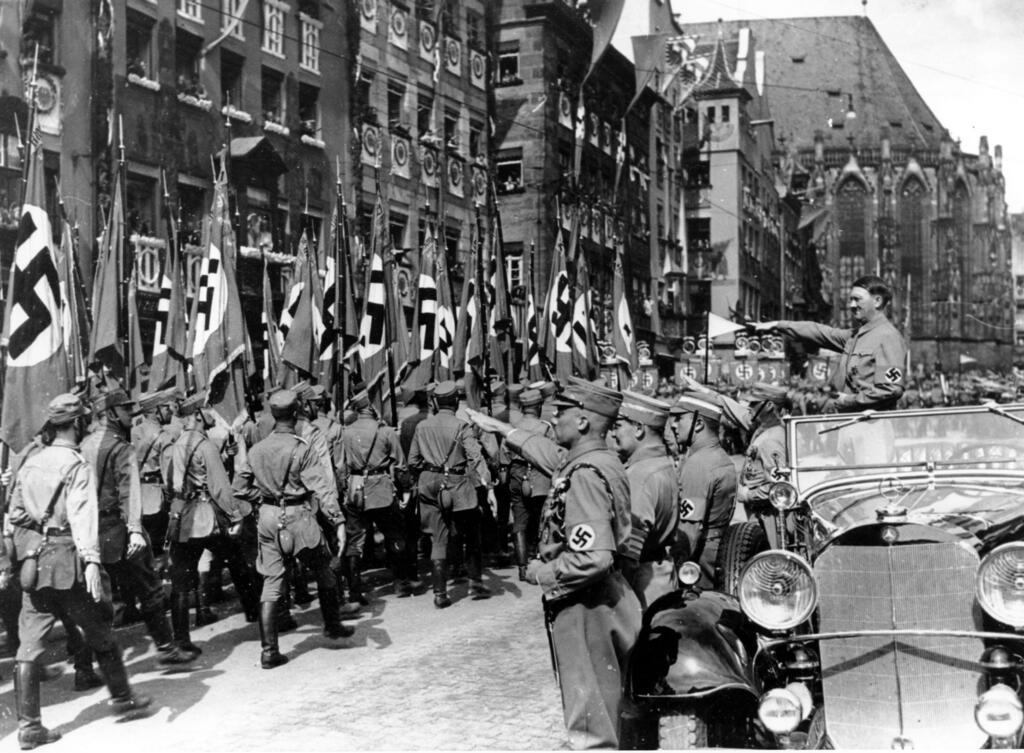
A procession passes in front of Adolf Hitler
(Photo: AP)
Others stole money, valuables and food from Jewish pupils. In one reported case, a German girl shouted at a Jewish girl, “Jews don’t deserve to eat ice cream,” took her money, pushed her out of line and hit her on the head.
The study cites the testimony of one boy from the period.
“It was a wonderful feeling of superiority, marching with others from the Hitler Youth to Jewish shops, singing antisemitic songs, shouting ‘Jews out.’ Our enthusiasm was enormous when they began to shed tears and then close the shops.”
It is important to remember that these children were also victims. A dark regime, a cult of adults who followed it, schools and Nazi propaganda destroyed their childhood and innocence. At the same time, most grew up in an atmosphere in which a Jew was treated as an inferior person, someone who could be beaten, robbed, threatened and bullied.
Many of those children, largely cleansed of the crimes of the Holocaust because of their age at the time, later went on to hold senior positions in German leadership, security services, academia and public service. About a quarter of Germans during World War II were under the age of 15.
Even before Kristallnacht, four attacks and arson incidents targeting synagogues had taken place across Germany. On Hitler’s orders, the trials were canceled. Until then, the Nazis had hoped Jews would leave of their own accord because of the harassment directed at them.
When Jews began to be deported eastward to the extermination camps, they were accompanied by large groups of German children and teenagers who sang antisemitic songs and cursed them for being Jewish.