

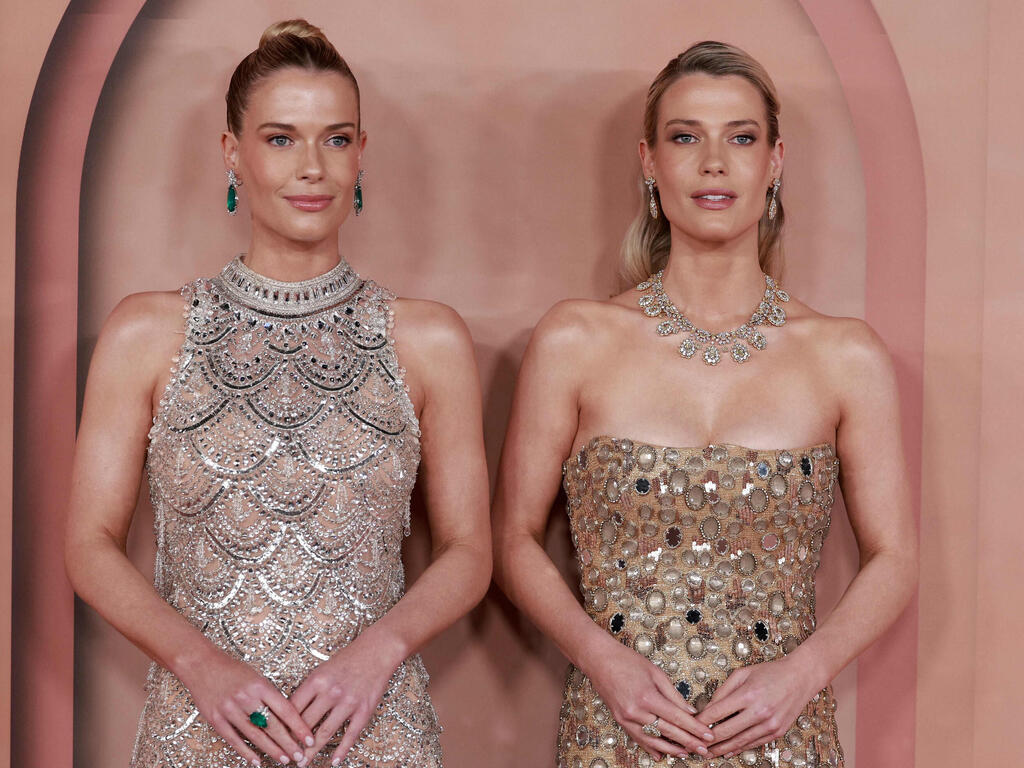
Anna Wintour, Miuccia Prada, Christian Louboutin, Lindsay Lohan, Juliette Binoche, Lady Amelia Spencer and Lady Eliza Spencer, nieces of Princess Diana, and supermodels Gisele Bundchen, Tyra Banks and Natalia Vodianova were only some of the glittering guests who hopped from event to event last weekend in Doha, the capital of Qatar. It was all part of a clear strategy: to position Qatar not only as a powerhouse of sports, gas and terrorism, but also as a creative, high-end center of global fashion.
At a time when the luxury industry is in an economic slump, it is no surprise that fashion is searching for new directions of growth and acceleration. In other words, for deep pockets to land on. With “Vogue” as one of the main sponsors, two key events were held over the weekend: Fashion Trust Arabia, a competition for young designers from Arab countries now in its seventh year, and a first gala held Sunday night in memory of Franca Sozzani, the former editor of “Vogue Italia,” who died of cancer in 2016.
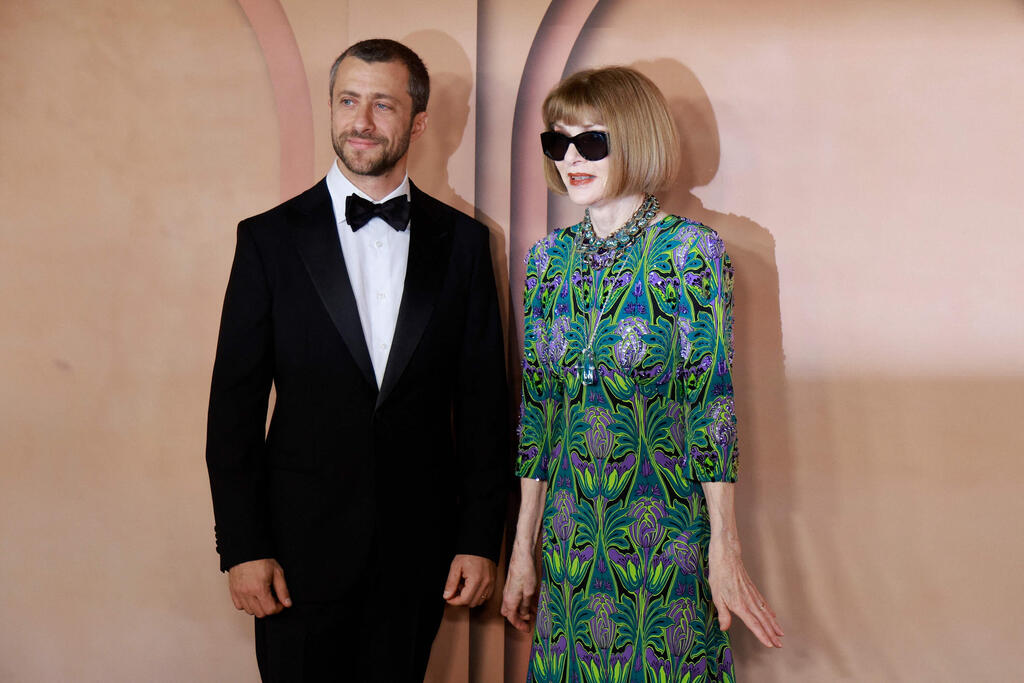
A family connection, Anna Wintour and Francesco Carrozzini
(Photo: Karim Jaafar/ AFP)
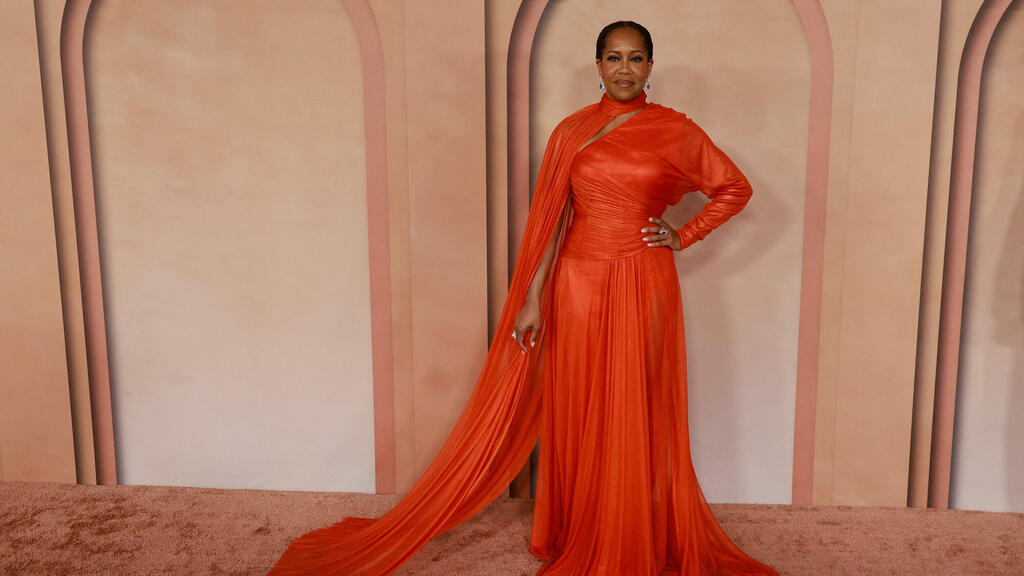
Regina King
(Photo: Karim Jaafar/ AFP)
Her son, film director Francesco Carrozzini, who is married to Bee Shaffer, Anna Wintour’s daughter, told “Vogue”: “The deep bond I had with my mother, who raised me as a single parent and died so young, made me look for a way to commemorate her,” Carrozzini said while speaking to the magazine. He added that the rare lung cancer she was diagnosed with led him to establish a foundation in her name, aimed at advancing genetic research that can help identify, treat and prevent a long list of diseases, from minor to life-threatening.
Earlier in the weekend, Fashion Trust Arabia was held, one of the region’s most prominent fashion initiatives. The foundation, established in 2018 by the Qatari government to promote young designers from the Middle East and North Africa, has become a significant force on the international stage. That is due both to royal backing from the Al Thani family that rules Qatar and to the involvement of major names from the fashion world who show up every year.
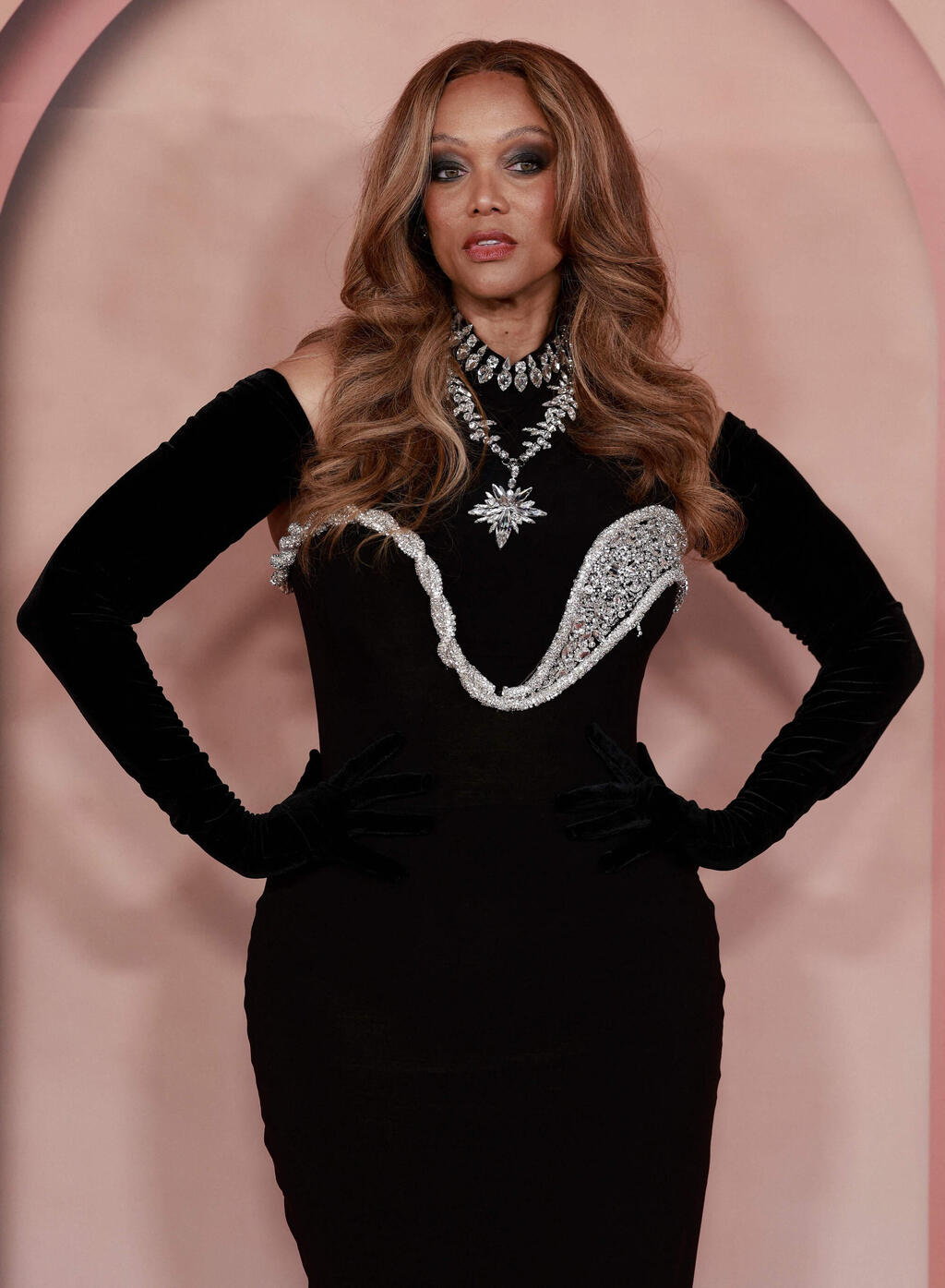
Tyra Banks in Doha, Fashion royalty turned up
(Photo: Karim Jaafar/ AFP)
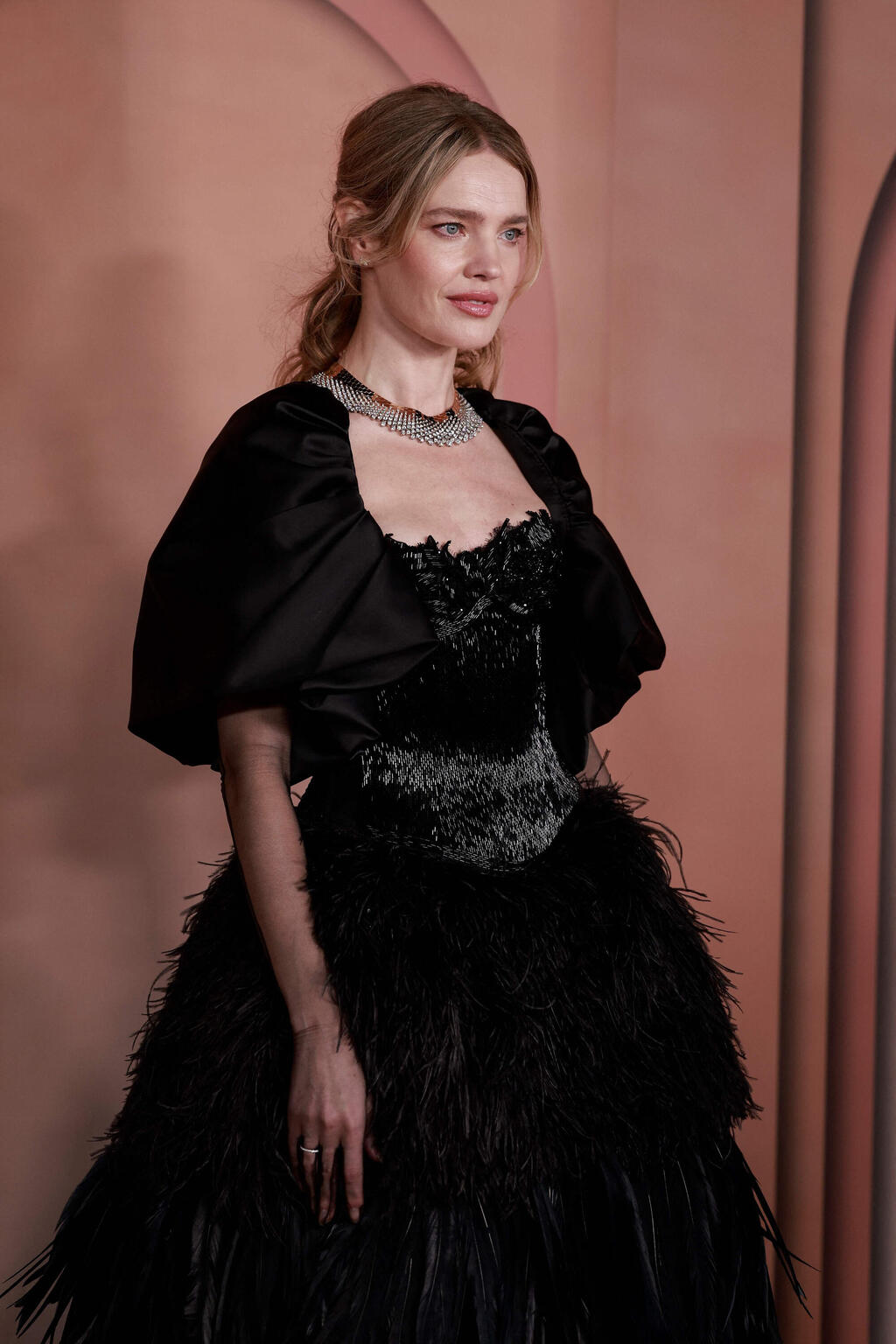
Natalia Vodianova
(Photo: Karim Jaafar/ AFP)
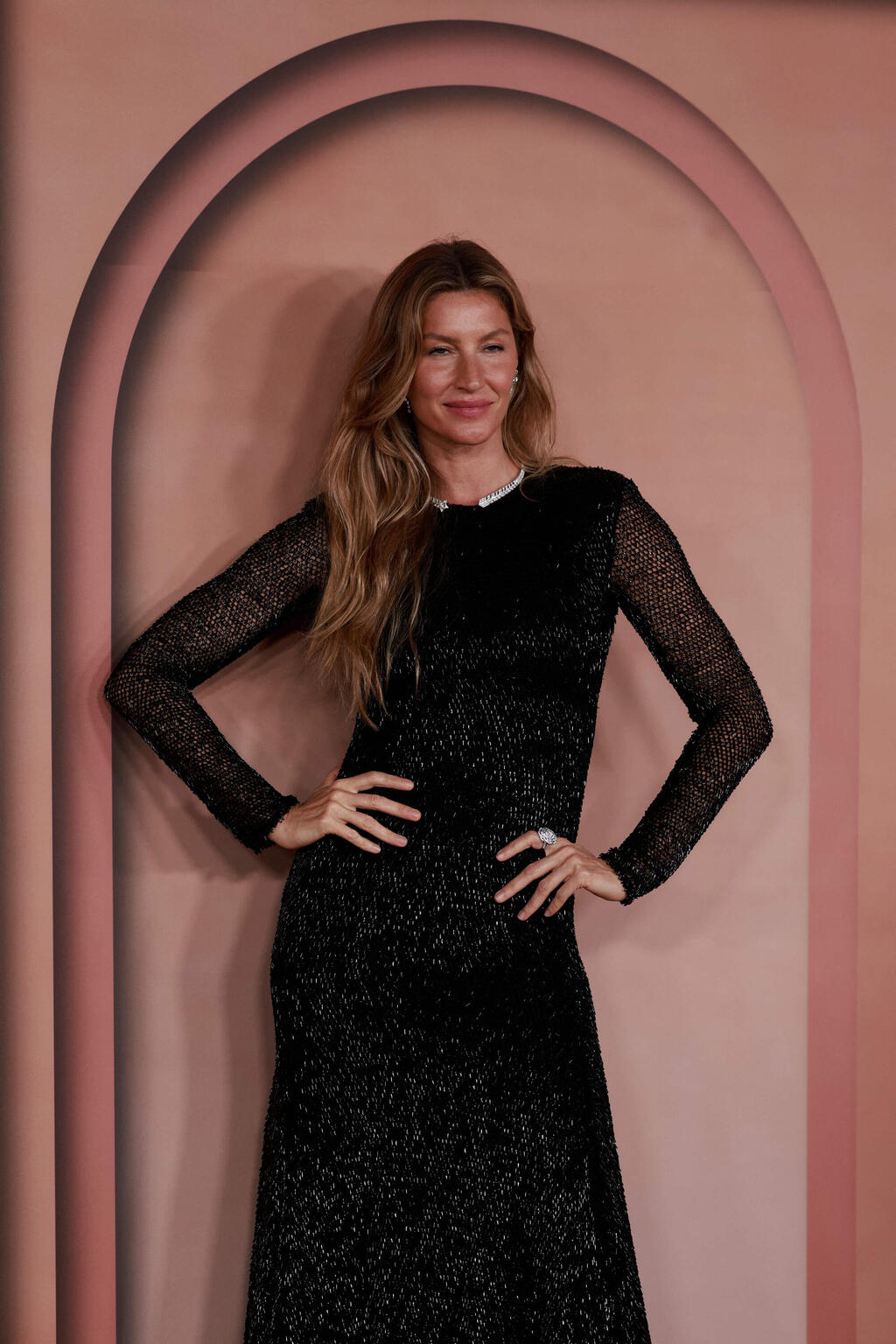
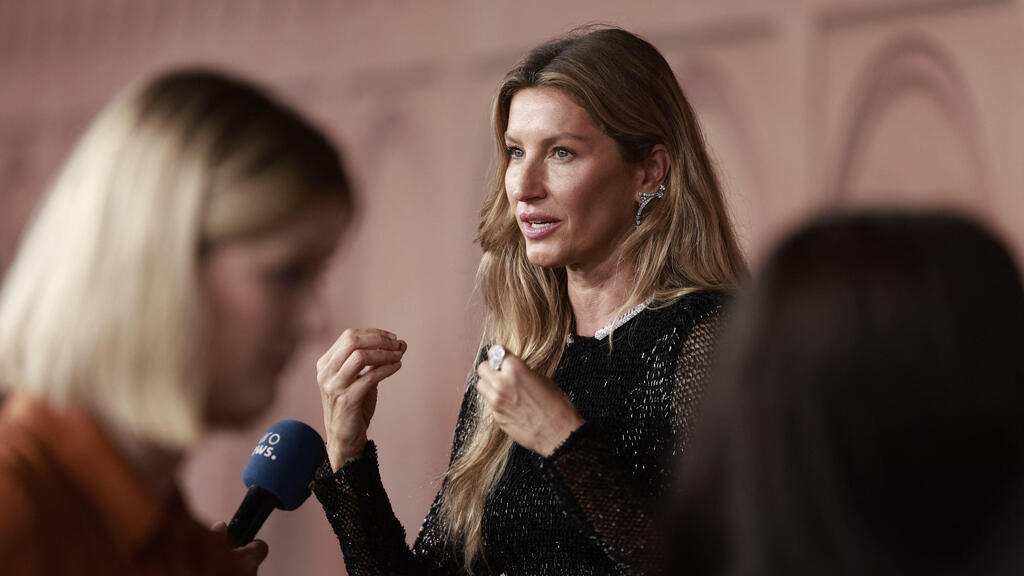
Gisele Bundchen
(Photo: Karim Jaafar/ AFP)
Among this year’s winners were Moroccan designer Youssef Drissi, behind the brand Late for Work; Saudi designer Ziyad Al Bouainain, who won the eveningwear category; and Moroccan designer Laila Rokni, who took the prize for accessories. In the past, Israeli designer Arzi Yifrah, who lives and works in Morocco, won the competition and has since turned his back on the Israeli audience.
A lifetime achievement award was given this year to Miuccia Prada, and the breakthrough designer prize went to Lebanese designer Zuhair Murad, a regular choice for celebrities on the red carpet. Sheikha Al Mayassa, the emir of Qatar’s sister and the evening’s host, presented the award to Prada, whom she called a close friend.
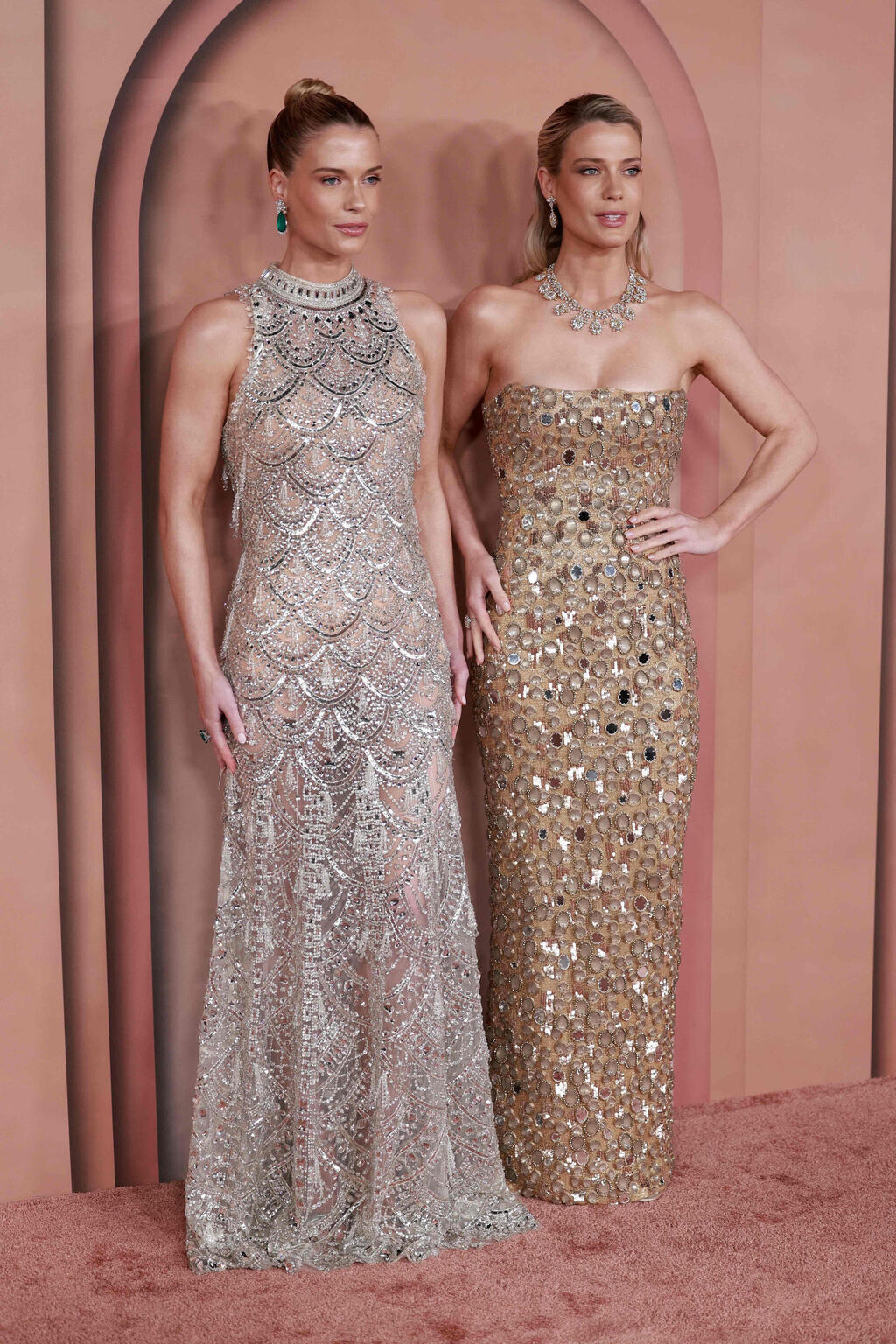
Princess Diana’s nieces, Lady Amelia Spencer and Lady Eliza Spencer
(Photo: Karim Jaafar/ AFP)
“From the first day I met Miuccia Prada, she always found time to talk with me,” Al Mayassa said onstage. “
She is real, sincere and consistent in her support of women, filmmakers, artists, chefs, entrepreneurs, designers and countless others. Decades ago she redefined what elegance is, what beauty is, what confidence and intellect in fashion are. She taught us the power of embracing the ‘ugly,’ finding glamour in embarrassment and beauty in disharmony. For me, she is always the most interesting woman in the room.”
“The Middle East and North Africa are going through one of the most challenging chapters in recent decades,” Al Mayassa added, referring indirectly to the war in the region. “Many of our countries, our people and our creators are facing tests that are hard to describe. And yet, what moves me again and again is the strength of our community, and the way our designers keep creating, keep telling our stories and keep reminding the world who we are.”
At an event meant to support young designers, it was clear that Qatar’s financial muscle is working overtime. The country uses such gatherings to craft a global image of openness, culture and glamour, even as reports continue about human rights violations in Qatar and its financing of terrorism, including Hamas. In that context, an honest question has to be asked: Who is actually benefiting from all this? Is it a stage for young designers, or a political platform in which the kingdom keeps investing billions in image-building? And through that big money, are the designers participating in the event, from Daniel Roseberry of Schiaparelli to Veronica Leoni of Calvin Klein, helping to launder Qatar’s terror financing?
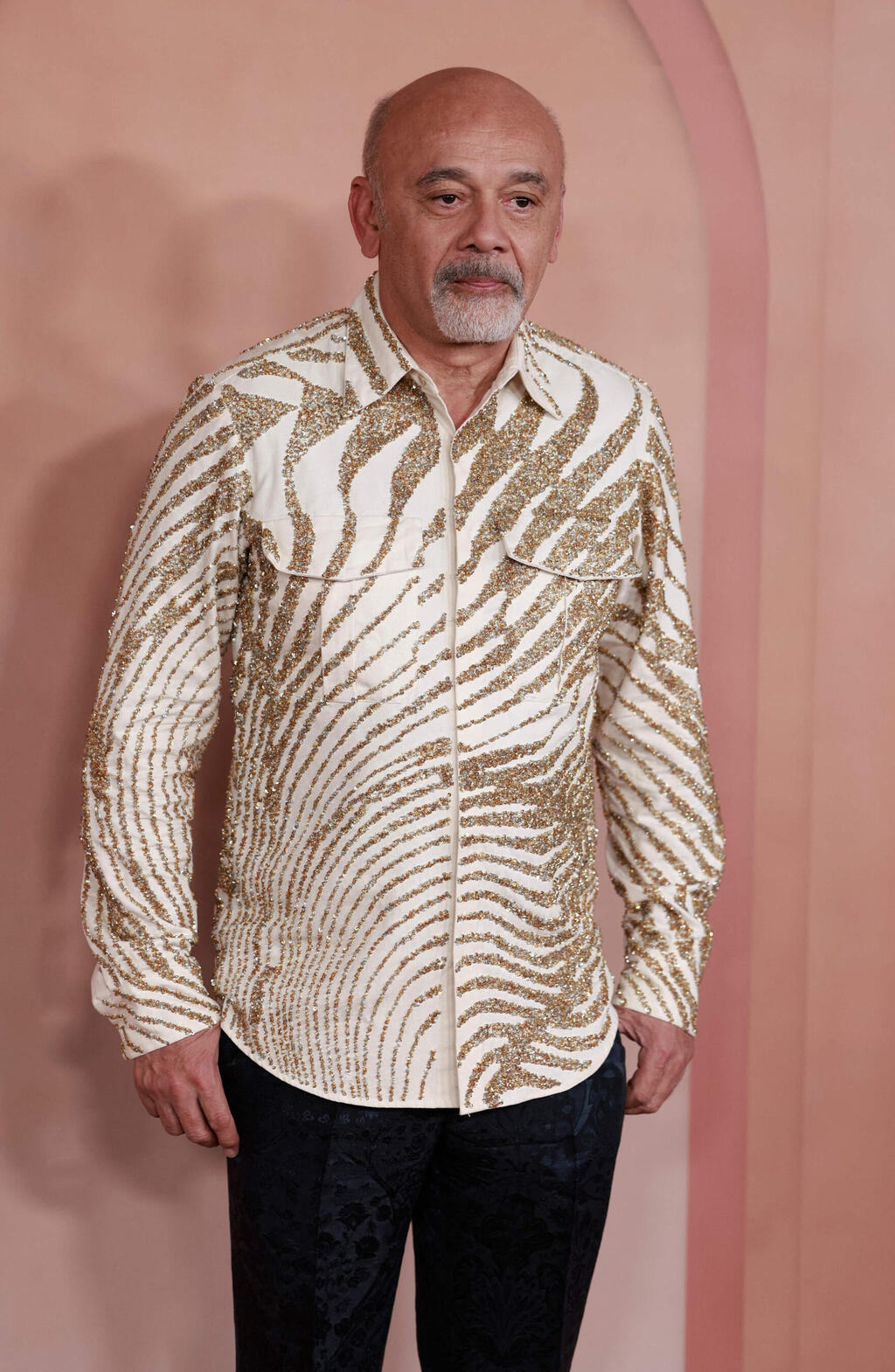
A stage for designers or a political platform? Christian Louboutin
(Photo: Karim Jaafar/ AFP)
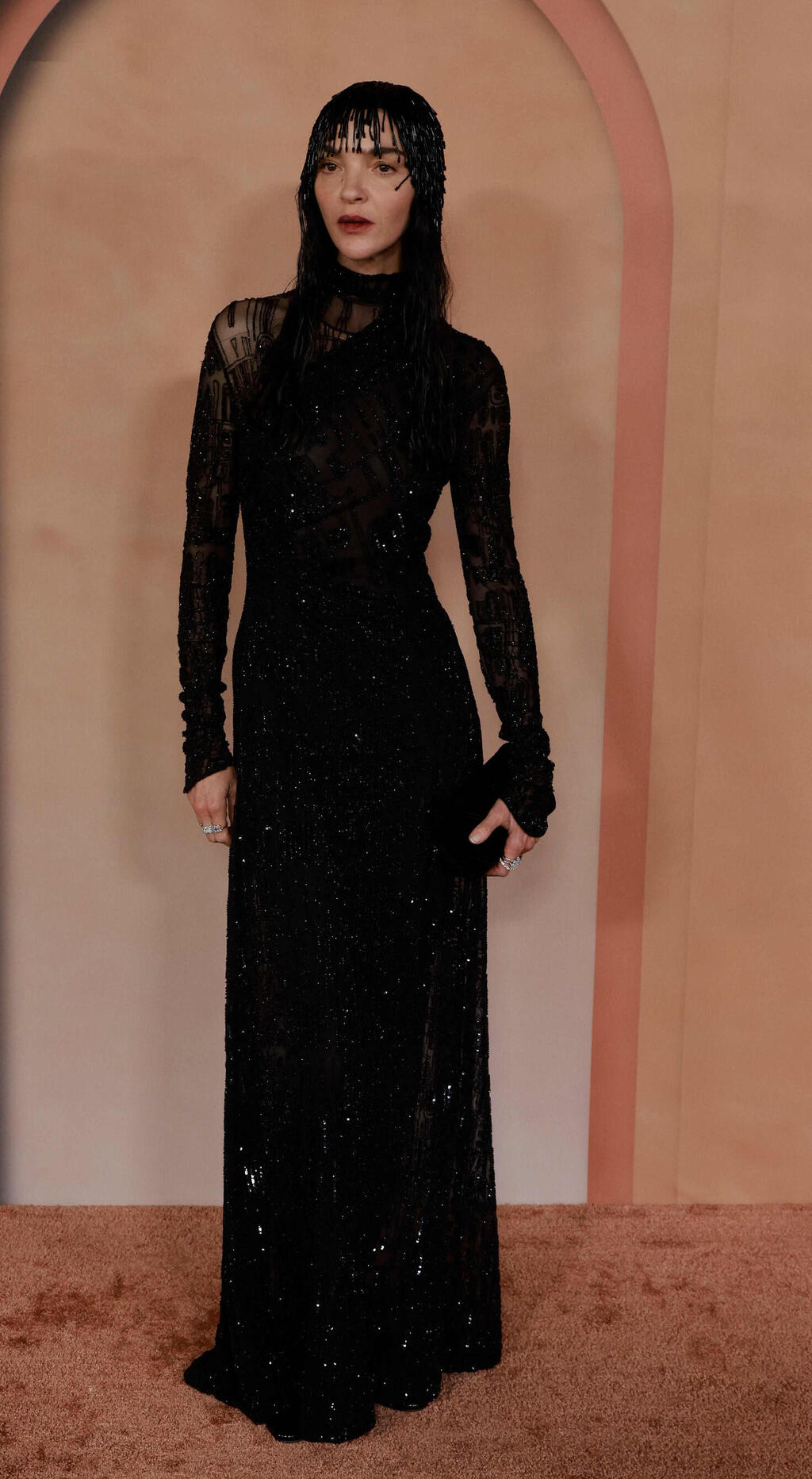
The Italian model Mariacarla Boscono
(Photo: Karim Jaafar/ AFP)
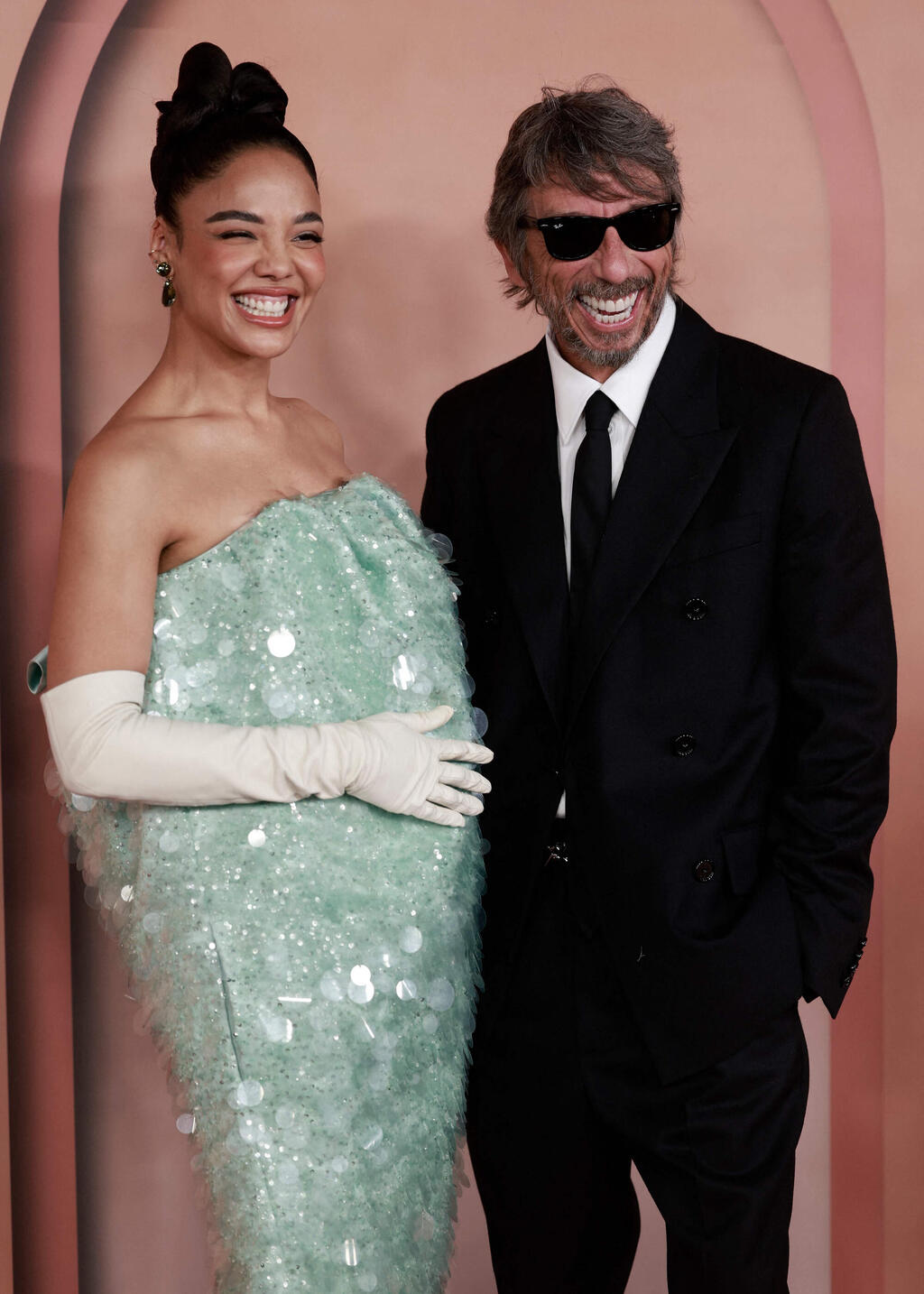
The actress Tessa Thompson and Italian fashion designer Pierpaolo Piccioli
(Photo: Karim Jaafar/ AFP)
As Anna Wintour has often said in broader contexts about the fashion industry, “Fashion is not just clothes. It is power, identity and the stories countries tell about themselves,” she has said. The quote, originally about how fashion reflects social and cultural positions, took on a double meaning in Doha. Fashion here is not only beautiful clothes. It is a state declaration, part of a strategy built over years.
As far back as 2011, Qatar began a luxury-brand buying spree through the state investment company Mayhoola, controlled by the Qatari royal family. The move was led by Sheikha Moza, Qatar’s most powerful woman and the emir’s mother. In 2012, Qataris bought the Italian fashion house Valentino, and four years later they also acquired the French house Balmain. In addition, Qatar holds two long-standing European department stores: London’s Harrods, purchased in 2011 for 1.5 billion pounds, and Printemps in Paris, which opened a branch in Doha in 2022.