


For the past two years, social worker Simcha Kamri has been deeply woven into the life of the Kalfon family — Segev Kalfon's parents Kobi and Galit and their other relatives. Kamri is part of a tight “molecule” of caregivers who have supported the family since Segev was abducted at Nova party.
Alongside her have been a representative from the civilian administration overseeing hostages, a National Insurance official and an officer from the Israel Defense Forces. “We became family — among ourselves and with the Kalfons,” says Kamri.
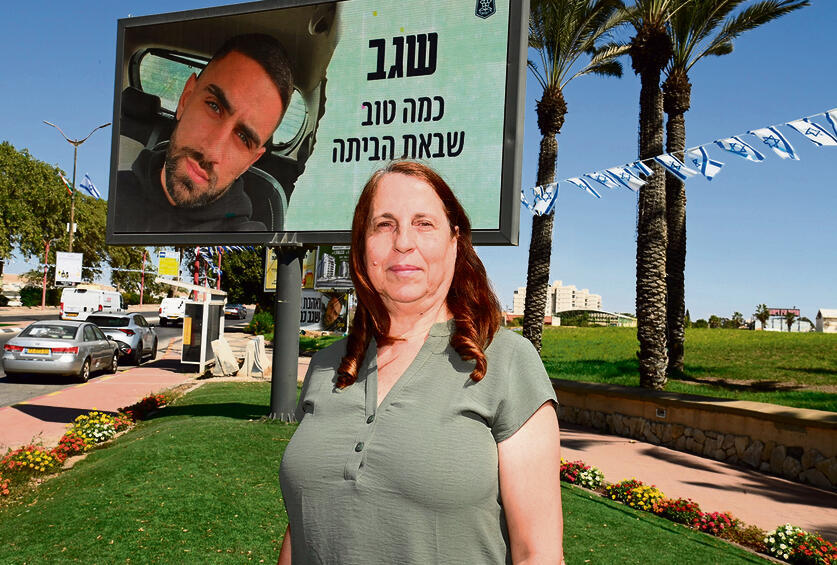
Her current role bears little resemblance to her four decades of prior social work. “We were there with the family, all the time,” she says. Living in Dimona and even neighbors with the Kalfons, Kamri spent nights, days, Sabbaths and holidays with them. “You support them in everything — from the smallest to the big things.”
“That’s like a baby learning to walk,” she says of the task ahead — returnees must get to know their families again, and families must get to know them. Segev Kalfon, returning home after years in captivity, faces a two‑year gap in his life. The challenge, Kamri says, is not the euphoria of reunion but what comes next.
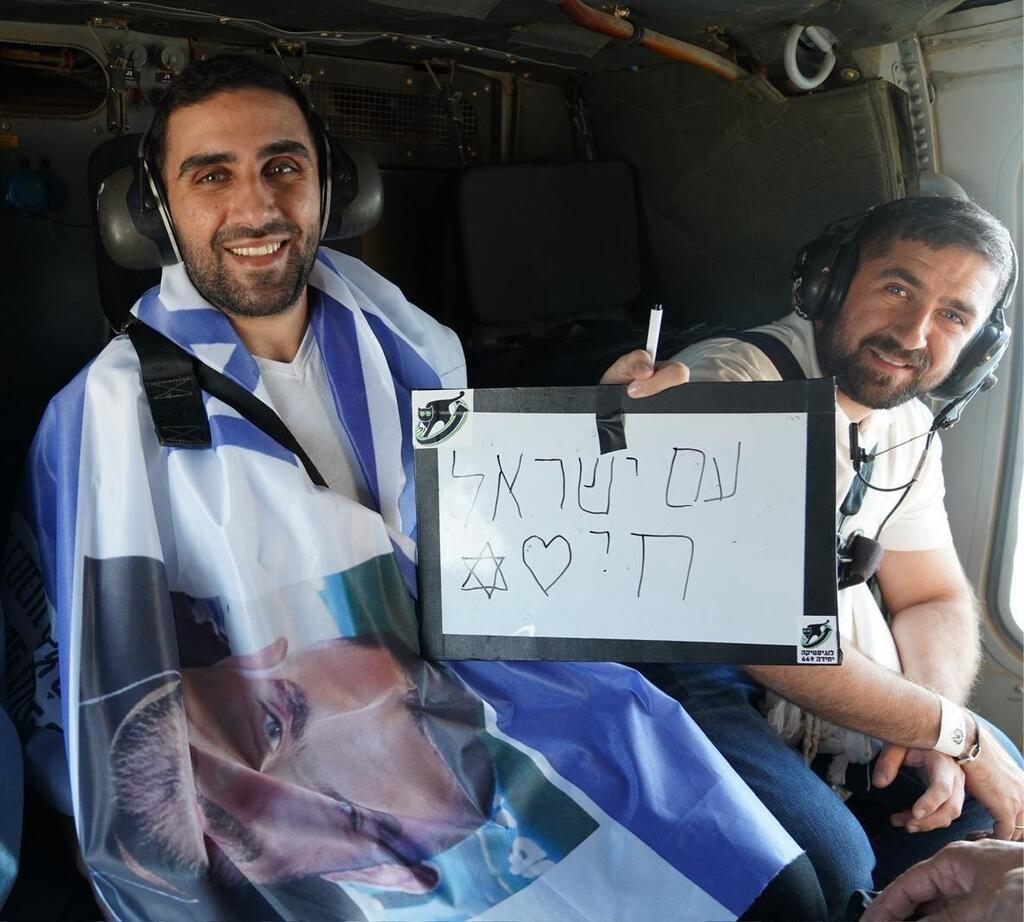
Segev Kalfon and his family on the way to the hospital
(Photo: IDF Spokesperson)
From the earliest days after Oct. 7, social workers like Eti Hazut, assigned from the Welfare Ministry, began working with families even before the status of missing or hostage was established. “We didn’t know what to call it — we were writing the playbook as we went,” she recalls.
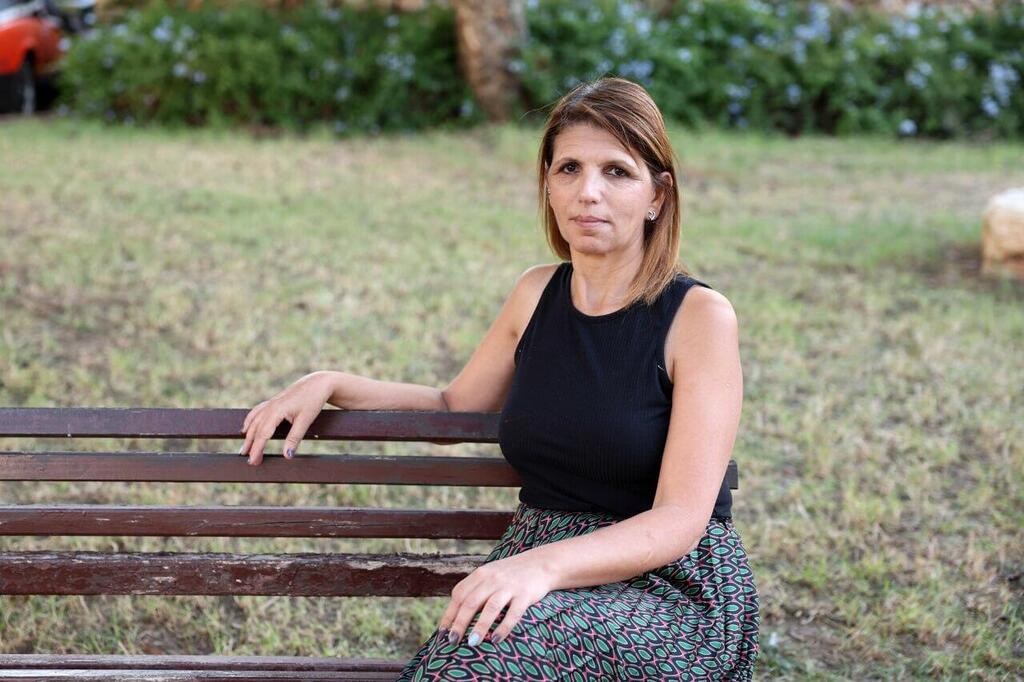
Social worker Eti Hazut
(Photo: Dana Kopel)
Some of the greatest burdens fell on secondary and tertiary relatives — grandparents, aunts, uncles — who often lacked the same visibility or support. “Being the grandma of a hostage is holding up the whole family,” says local social worker Yael Zahor Fichman. “You carry endless worry for your grandchild, your children and your grandchildren — sometimes while dealing with your own health challenges.”
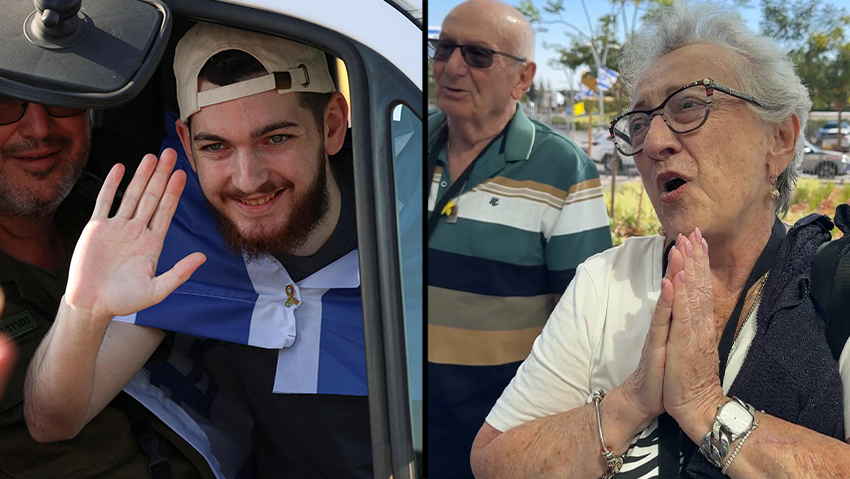
Michael and Faina, Bar Kuperstein's grandparents
(Photo: Eitan Gefen, REUTERS/Hannah McKay/Reuters)
The road ahead remains long. As Kamri puts it: “This is a long‑term job.” In the early weeks, donations and goodwill are abundant. But six months out, she says, many supporters disappear. “One social worker told me: ‘At first everyone gave — money, cars, whatever. But now, when I need to help someone adapt their room to block noise — because every little sound triggers anxiety — everyone is gone.’”