


In collaboration with Journey to the Horizon
Even before the Black Sabbath of October 7, female soldiers and lookouts in the IDF showed ingenuity, responsibility, and leadership in the field. But since that day, women have proven their strength and bravery more than ever. They commanded, saved lives, made decisions under fire, and held their positions even as everything around them collapsed – often at a heavy personal cost: Moria Orkaby, a lookout soldier, lost her fellow lookouts at the Re’im base. Shoval Cohen, an air defense combat soldier, protected her base day and night from terrorist infiltrations, and Diana Savistonov defended towns with the Home Front Command.
For all three, the sudden transition from the intense framework of military combat to the unstructured nature of civilian life created a deep chasm, making it difficult to pause and build a future outside the army. Each of them went through a personal process as part of “Journey to the Horizon” – a program that supports young men and women released from the IDF or national service on their way to civilian life. The “Journey to the Horizon” nonprofit was founded by former Navy Commander Ram Rutberg and social activist Alan Freeman.
'I saw the messages as my base was being overrun; there was nothing I could do'

Moria Orkaby, 22, from Jerusalem, a lookout in the Combat Intelligence Collection Corps, trained three cohorts of lookouts. She was scheduled to spend that fateful Sabbath at the Re’im base, but due to a change in rotation she made three weeks earlier, she was at home.
On the morning of the disaster, Moria woke to messages from the situation room’s WhatsApp group: the lookouts wrote that they were afraid, hiding in the shelter, begging for silence. “They’ll come rescue us soon,” wrote one of them.
Moria knew these soldiers well. “I realized all the cohorts I had trained were stationed in posts that had been overrun,” she says. “I prayed to God for something to happen. It was complete helplessness, watching my sector in a nightmare scenario we never imagined. There was nothing I could do.”
Every cohort she had trained was stationed at posts; her base was captured, but her soldiers survived. However, others she had recruited and trained at the nearby Nahal Oz post were killed by the infiltrating terrorists.
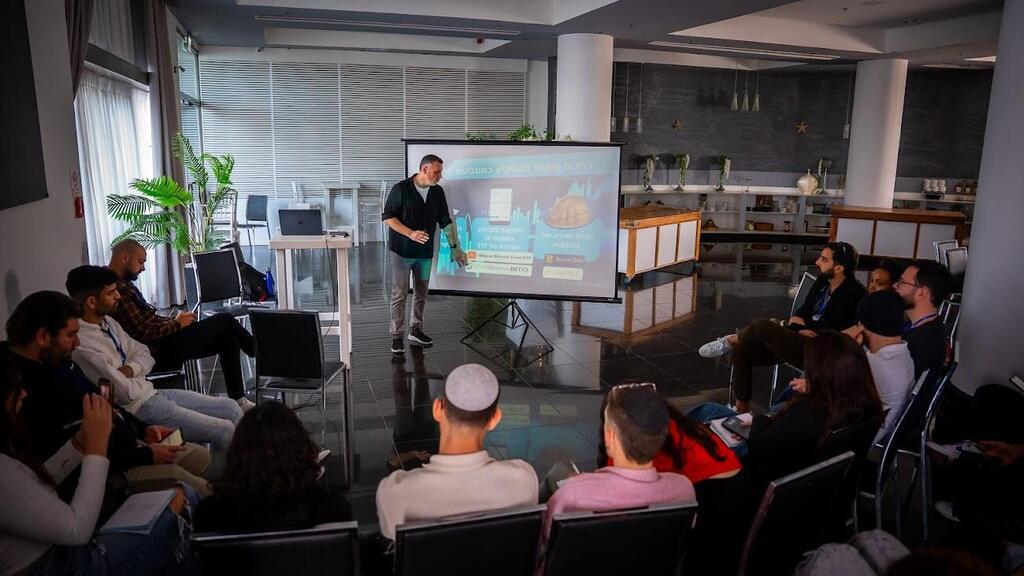
Preparing for life: The Journey to the Horizon program offers courses and training for young men and women who served in the IDF
(Photo: Natan Shalev)
Many of her friends were murdered in the attack. “In the three days after October 7, I attended many funerals – sometimes one after another, sometimes I had to choose between them.” A week later, she returned to her base for reserve duty. “I was on autopilot. There was no time to process. I continued being the eyes of the combat forces in Gaza – doing what we know how to do best.”
'My personal coach helped me see there’s a world beyond the army'
The return to civilian life between reserve duty stints was hard. “Yesterday I was managing a mass casualty event, and today I’m on the couch with my parents,” Moria describes. “That gap between emergency and routine is inconceivable.”
Help arrived when she joined the Journey to the Horizon program. “It was hard for me to look at civilian life. It all seemed meaningless after the loss. Meeting people like me gave me a social foundation, and the sessions with Maayan, my personal coach, helped me see there’s a world beyond the army and war.”
In the IDF, women have already proven they can do anything – from commanding under fire to making life-saving decisions. But in civilian society, gaps still exist. “It’s time for Israeli society to learn from the army and promote women to more key positions,” Moria explains.
Programs like Journey to the Horizon aim to bridge this gap and expose women to career paths and leadership roles that were less accessible – including in high-tech. For the first time, Moria was introduced to academia and the job market. “Who knew what LinkedIn was?” she laughs.
Thanks to the process, Moria chose to become a pre-army academy guide and now wants to focus on educational work. According to her, the army already understands that women can do everything – but the gaps in Israeli society persist. “Journey to the Horizon gave me tools and exposure I wouldn’t necessarily have had elsewhere – like financial management courses, tours of high-tech companies, and practical job interview prep.”
'I lost so many friends in the war. It took me time to figure out what I wanted from myself'
Diana Savistonov, 24, from Haifa, a former Home Front Command combat soldier, was already discharged by the time of October 7, having served as a deputy company commander in an operational battalion – but the day didn’t spare her. She lost many friends at the Zikim base and in the war. “It took me time to figure out what I wanted from myself during reserve duty and the war,” she says with pain.
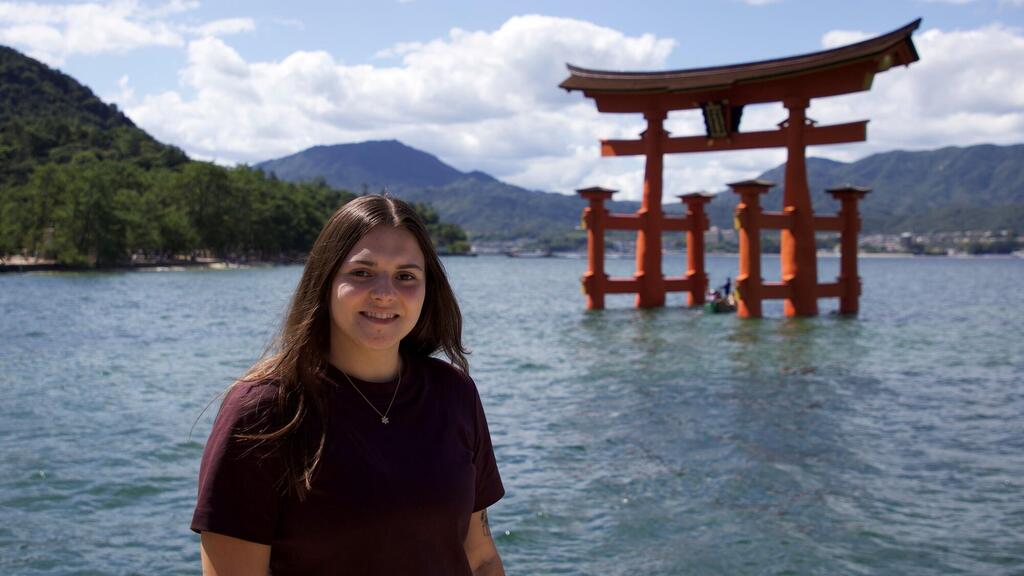
'For the first time in my life, I didn’t give up': Diana Savistonov
(Photo: Courtesy)
In October, she was called up to a Home Front Command reserve battalion and helped secure towns across the country.
She saw firsthand the unique contribution of women in the IDF. “As commanders, women bring a lot of emotion and warmth. In the end, everyone seeks personal connection.” Diana witnessed this clearly on October 7. Zikim, which had both male and female fighters and commanders, was the only base not overrun that day. “The decisions there were very humane,” she explains. “The women commanders saw the soldiers as their children. The moment the missiles started, they knew they had to protect them.”
Diana came to Journey to the Horizon after attending a memorial football tournament for a friend killed in Gaza. Her high school teacher told her about the program. Today, she is enrolled in a fitness coaching course – her dream as an amateur weightlifter.
Her coach, Einat, helped Diana think about the future. “We met once a week. We talked about things I wasn’t used to talking about. Her questions opened thoughts I wouldn’t have reached on my own,” she shares. The meetings helped her dare. “It was hard for me to open up and talk about what I’m good at. I often looked at my dreams and didn’t believe I had the ability to achieve them. There are so many like me – so why me?”
They worked on spreadsheets, gathered research, and mostly talked about everything. “It helped me open up and not fear new things. I found myself signing up for a fitness coaching course without hesitation. For the first time in my life, I didn’t give up.”
'There’s nothing women can’t do': From combat soldier to therapy clinic manager
Shoval Cohen, 22, from Bat Yam, served as a combat commander and interceptor operator in a missile defense system that protects Israeli civilians from rocket attacks. She trained the soldiers responsible for intercepts – whether from the Houthis or Iran – and was there in the moments when every interception mattered.
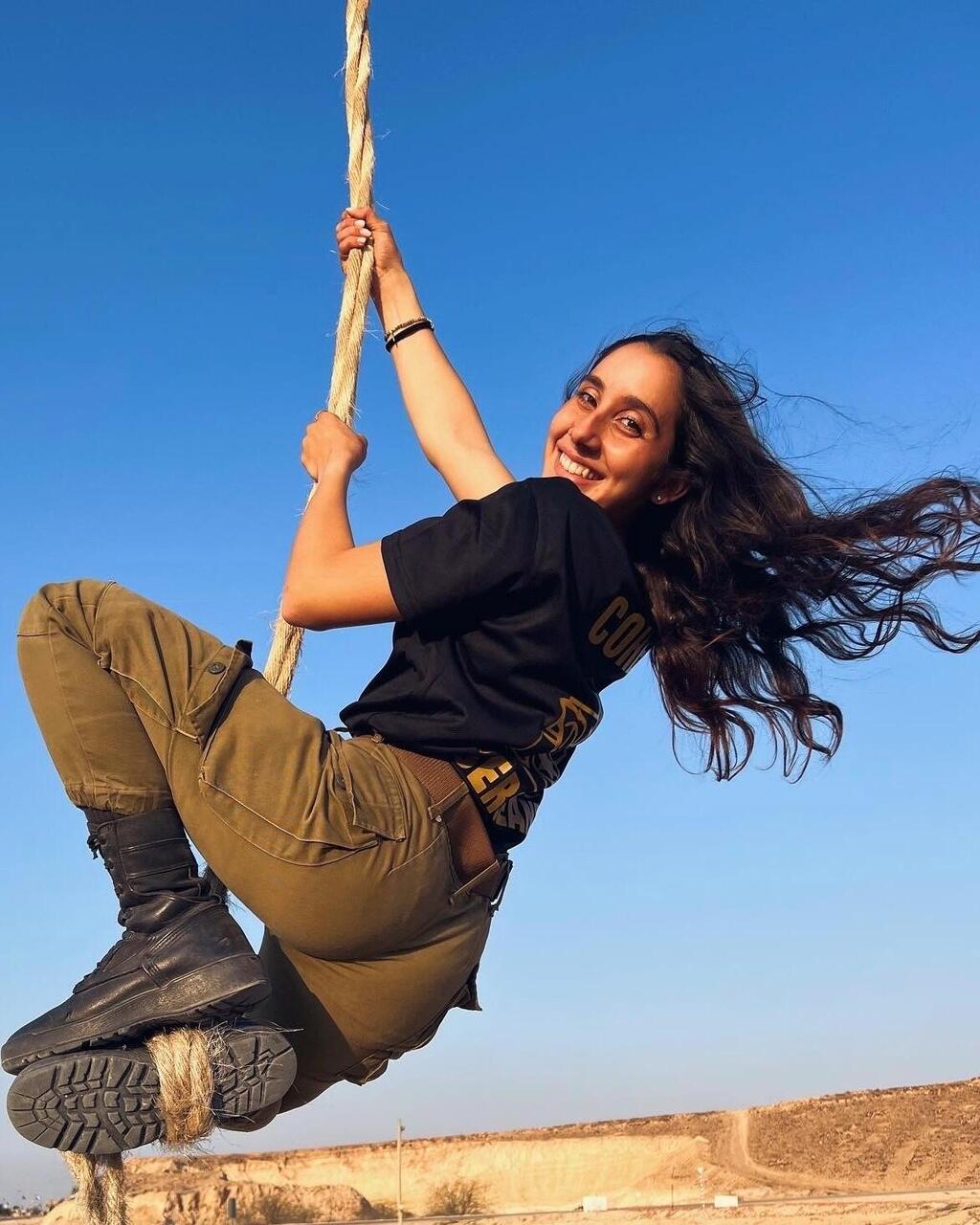
'I realized that the challenges I went through weren’t for nothing': Shoval Cohen
(Photo: Courtesy)
“In the war with Iran, I saw how important every action is,” she says. “It protects your family, your friends. Without our air defense, I don’t know what we would have done.”
On October 7, nine of her soldiers were in areas breached by terrorists. Shoval had to hold the line – not just operationally, but emotionally. “You’re their commander, you’re like a mom and dad to them,” she says. “My partner went into Gaza at the same time. I had to stay calm for them, while inside I was worried sick for him. You have to strengthen them while dealing with everything yourself.”
Shoval sees the change in women’s roles in the army through the makeup of the units. “There are many women in air defense, and it’s very empowering to see,” she says. In those roles, she explains, there are no gaps between men and women. “There’s nothing women can’t do.”
Get the Ynetnews app on your smartphone: Google Play: https://bit.ly/4eJ37pE | Apple App Store: https://bit.ly/3ZL7iNv
After discharge, Shoval got a call from Journey to the Horizon. “You don’t realize how interesting it is until you’re in it,” she says. “It helps you identify your strengths, your values, and how you can realize them. After release, there aren’t many people who can advise you based on real-life experience.”
During the program, Cohen studied massage therapy – the first step toward her dream of becoming a physiotherapist. “It gave me the confidence to start a business,” she says. “I don’t know if I would’ve thought of that on my own. Without the support from the program, maybe I wouldn’t have done it. I love it so much – it’s crazy.”
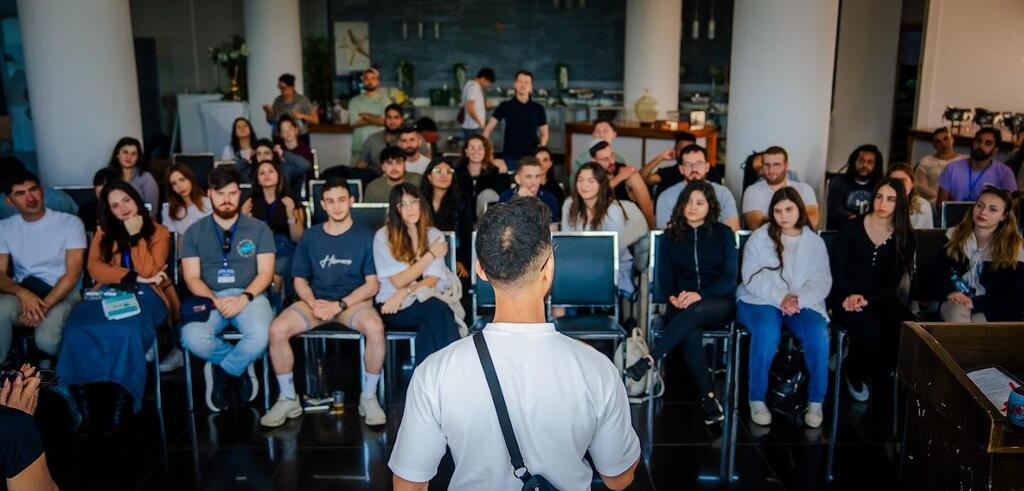
'This experience helped me become who I am today' – The Journey to the Horizon program
(Photo: Natan Shalev)
Her coach, Keren, helped her set a clear goal and break it into steps. “Keren taught me how to ask the right questions and seize opportunities. For example, I talked with a senior executive at Strauss I met during a tour – I wouldn’t have been exposed to that without the program.”
The program also helped her process a military injury. “I realized that what I went through wasn’t random,” she explains. “Even physically – understanding that my body needed to stop. It made me see that this experience helped shape who I am today. It showed me what I am capable of. That, to me, is the biggest change I experienced in the program. Now I know that women can do anything – in the army, in society, and in the economy.”
In collaboration with Journey to the Horizon