


At 21, Leon Otremba felt small—not just in stature, but in spirit. Standing at 5'8", the young German struggled with a quiet but gnawing insecurity. He often found himself standing next to women taller than him, each encounter underscoring a sense of inadequacy that chipped away at his confidence and sense of masculinity. “I didn’t feel like a man,” he later confessed.
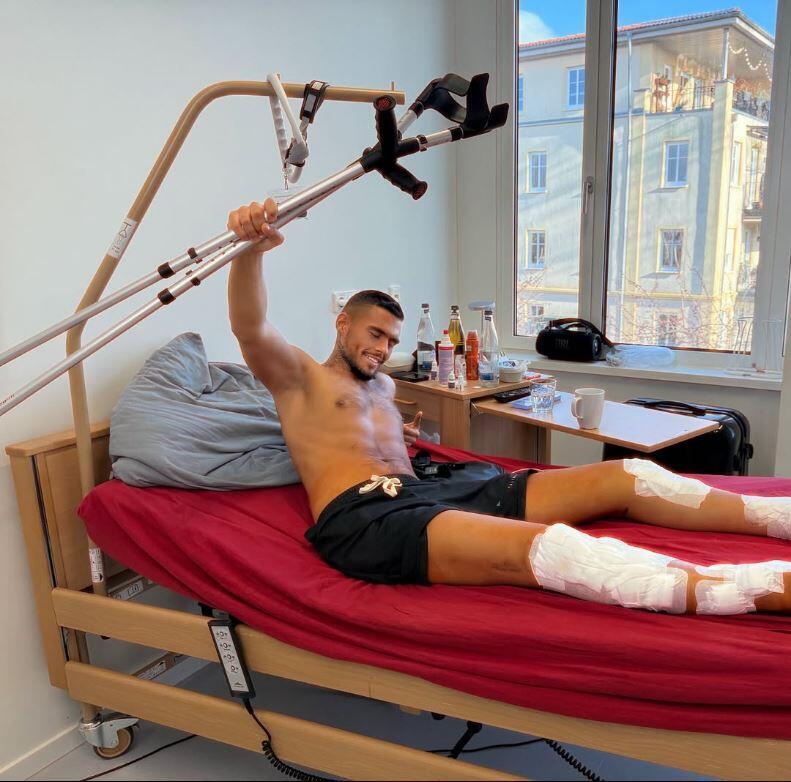
So, he did something extraordinary.
Otremba flew to Turkey and underwent not one, but three grueling leg-lengthening surgeries. The process involved breaking his bones in a controlled surgical setting, inserting magnetic rods, and enduring months of physical strain as his limbs were gradually stretched, millimeter by millimeter.
Two years later, Otremba is nearly 8 inches taller. He now stands at 6'3", a transformation he proudly showcases on TikTok and Instagram, where his journey has captivated millions. In one viral clip—watched more than 22 million times—he returns home to his family, visibly towering over the height he once left behind.
His story is part of a growing phenomenon: a rising number of men worldwide are turning to limb-lengthening surgery not for medical necessity, but in pursuit of confidence, self-worth, and those precious extra centimeters.
From Siberia, with innovation
Though it might sound like a 21st-century novelty, limb lengthening has a long history. The technique traces back to the 1950s and a Soviet-Jewish orthopedist named Dr. Gavriil Ilizarov, working in the remote stretches of Siberia. Ilizarov developed a revolutionary method: intentionally fracturing bones and using an external frame of rings and screws to pull the fragments apart slowly, prompting the body to grow new bone in the gap. “The body wants to heal,” explains Dr. Nissim Ohana, director of orthopedics at Meir Medical Center in Israel. “And this method tricks it into creating more bone.”
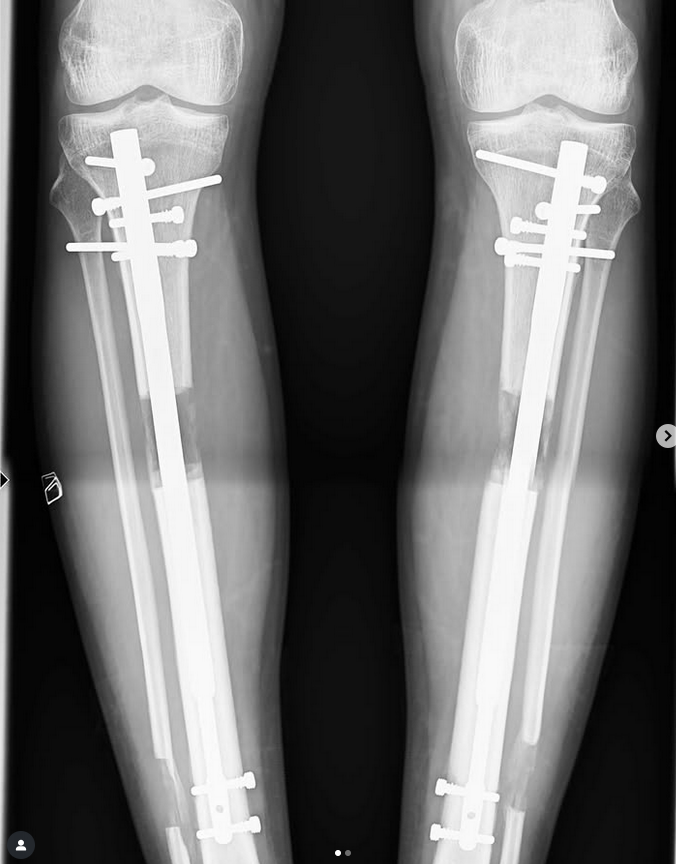
Leon Otremba's x-rays
(Photo: Instagram)
Over time, Ilizarov’s method became the global standard—albeit a cumbersome one. Patients had to wear bulky, protruding rings for months and endure a long recovery.
But about 15 years ago, the field got a sleek upgrade: the telescopic internal rod. Inserted into the bone and activated by an external magnet, it gradually extends without the need for external hardware. “Today, the patient places a device on their leg, presses a button, and the rod inside elongates—about one to one-and-a-half millimeters a day,” says Dr. Ohana. “It’s discreet, controlled, and far less intrusive.”
A new aesthetic frontier
With the technical barriers lowered, the demand widened—from children with congenital limb differences and injured soldiers to perfectly healthy adults chasing taller versions of themselves.
“We used to see only clear medical cases,” says Ohana. “Now, people come in simply because they want to be taller.” In some countries, men undergo the procedure to meet physical requirements for military service or other careers. In others, it's purely personal.
Still, the procedure comes with real risks. According to a study published in the Journal of Orthopaedic Surgery and Research, among 760 patients surveyed, 30% to 45% experienced complications ranging from infections and bone-healing issues to joint stiffness and nerve damage. Yet despite the risks, satisfaction remains remarkably high—between 89% and 98%.
The price of height
Of course, transformation comes at a cost. In the UK, the procedure runs about £50,000. In the U.S., it can climb to £210,000 (around $287,000). Otremba, now something of a social media guru for height-seekers, offers coaching through a personal website—six months of weekly calls, recovery check-ins, and unlimited support for €3,000.
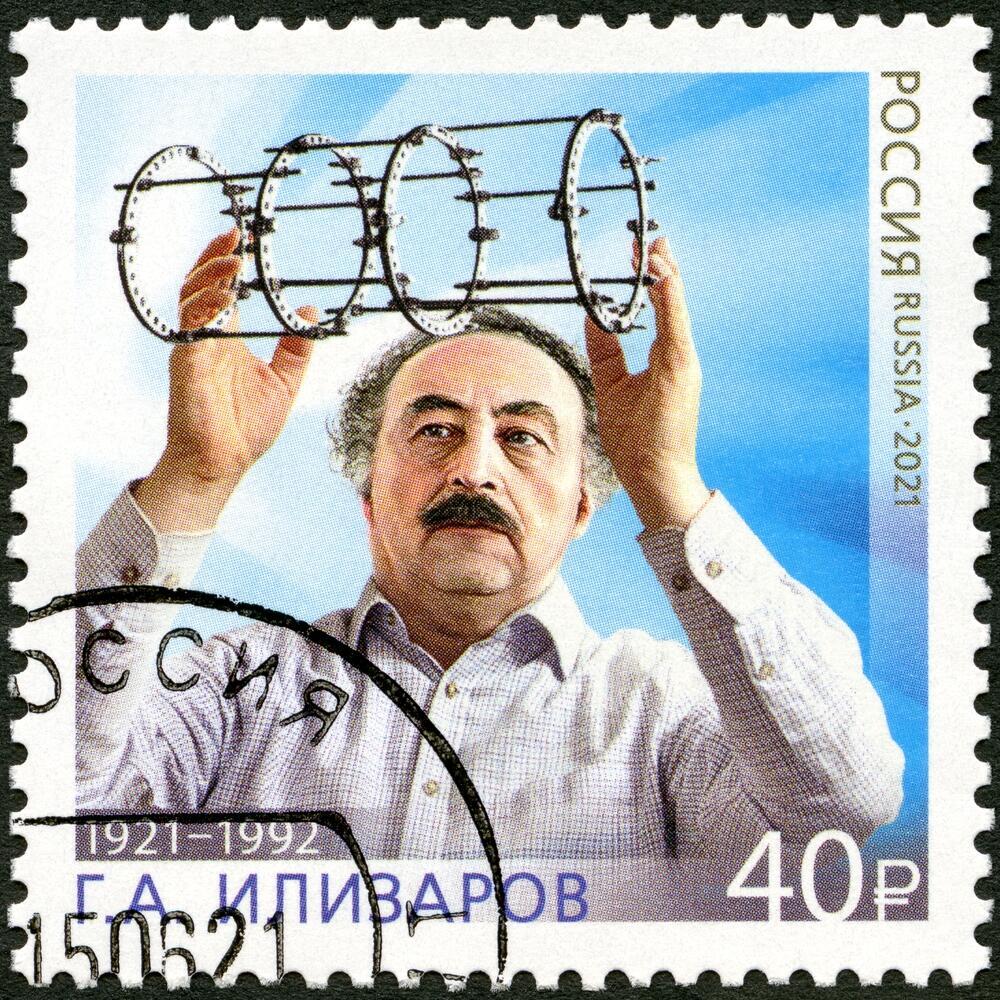
Dr. Ilizarov
(Photo: Shutterstock/Olga Popova)
Otremba reportedly gained his first 11 centimeters by lengthening his femurs. Then, using a technique known as BetzBone—which involves a ratchet-based internal nail that elongates with subtle leg movements—he extended his tibias. According to his online updates, he's not finished yet: his next goal is to break the 6'5" mark.
What about Israel?
In Israel, limb-lengthening is available at all major hospitals, but usually for medical reasons. “At our center, the surgeries are performed by Dr. Elkhan Alayev, head of pediatric orthopedics,” says Ohana. “The field really grew out of children’s orthopedics.”
Cosmetic cases undergo stricter scrutiny. “In Israel, it’s not acceptable to perform the surgery without a psychiatric evaluation,” Ohana notes. “We have to be sure the patient understands the risks—and that the motivation isn’t masking a deeper mental health issue.”
Beyond ethics and psychology, there's also the bill. The magnetic rod alone costs around $20,000. If the surgery is medically justified, public health insurance covers it. If it’s purely for aesthetics, patients pay in full.
The war-torn uses of bone growth
Since the outbreak of the Israel–Hamas conflict in October 2023, hospitals have seen an influx of soldiers with complex fractures—injuries where the bones never fully healed. For them, this technology isn’t about self-esteem. It’s about survival.
 Dr. Nissim OhanaPhoto: Meir Medical Center
“They come in with open fractures, bones that won’t reconnect,” says Ohana. “We sometimes need to trim the damaged bone, then pull the pieces closer, and use lengthening to restore lost height and functionality.”