

On the evening of June 26, 1991, guests aboard the Heavenly Paradise houseboat hotel on the banks of a river in India's Kashmir region expected another quiet night.
True, the previous months had been marked by growing violence between Muslim terrorist groups and the Indian army in the disputed region. But the foreign backpackers traveling through Kashmir believed they were outside the conflict — and therefore safe.
That assumption would prove disastrously wrong for seven young Israelis.
That evening, about 10 gunmen armed with AK-47 rifles stormed the floating hotel. Within minutes, they rounded up eight tourists — seven Israelis and one Dutch woman — and forced them into small boats waiting on the riverbank.
The hostages were taken to a nearby town that served as a stronghold for the Islamist terrorist group, an area the Indian army largely avoided.
After arriving, the kidnappers released the two women — Israeli traveler Ela Kotler and the Dutch tourist. They found themselves stranded in the middle of an unfamiliar town, but with the realization that they had likely been spared.
The fate awaiting the six Israeli men appeared very different.
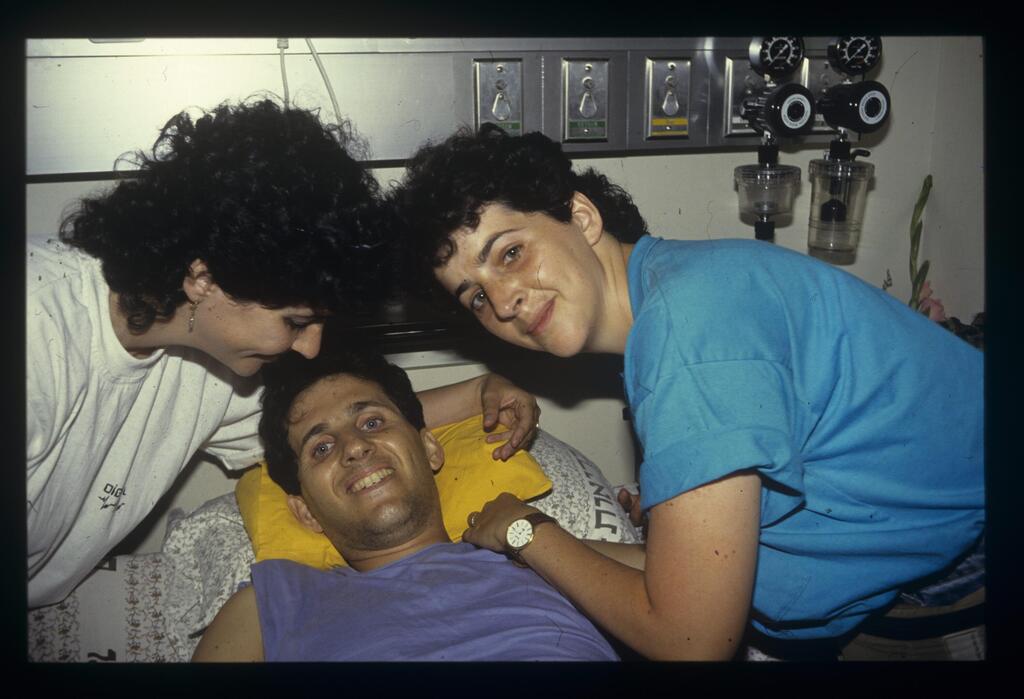
Eli Maman receives medical treatment upon his return to Israel
(Photo: Shaul Golan)
Yair Frish, Eli Maman, Erez Kahana, Hagai Kaspi, Yair Yitzhaki and Kobi Shemesh were ordered to stand in a line before their captors and answer a simple but life-or-death question: "Are you Jewish?"
The kidnappers then asked whether the hostages would convert to Islam to save their lives. They appeared uncertain about exactly what they intended to do, but it was increasingly clear that this was not a kidnapping for ransom or negotiations. An execution seemed imminent.
What the terrorists did not know was that the six Israelis — barefoot, bound and terrified — were all recently discharged soldiers from the Israel Defense Forces. Among them were two former paratroopers, an armored corps veteran, a Golani Brigade infantryman and two former Israeli Air Force servicemen.
Erez Kahana, a 22-year-old from Ramat Efal near Tel Aviv, quietly began organizing resistance.
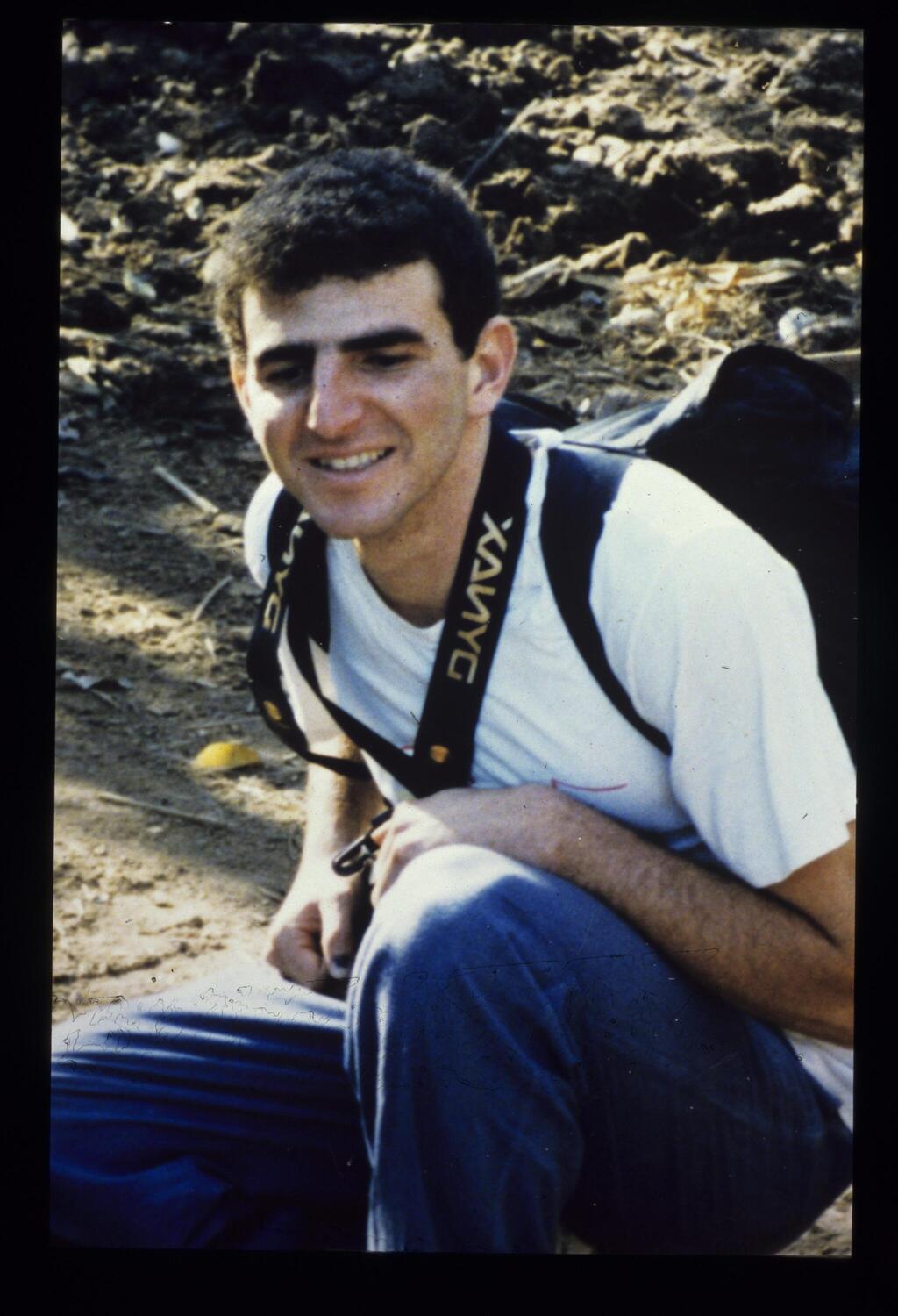
Erez Kahana
(Reproduction: Oded Kremer)
He noticed that some of the hostages had managed to loosen the ropes binding their hands but continued to keep them behind their backs to avoid alerting the kidnappers.
Seconds before the increasingly impatient terrorists reacted to the Israelis whispering among themselves in Hebrew, Kahana shouted the signal: "Now!"
The six men lunged at their armed captors.
Using their fists, feet and bare hands, they fought the gunmen in the cramped room. Shouting filled the building as the struggle unfolded.
Within moments, one of the AK-47 rifles had been wrestled away and was in Israeli hands.
When the smoke cleared, three terrorists were dead. The remaining attackers fled.
Kahana, however, had been killed during the assault.
Four of the five surviving Israelis were also wounded by bullets and shrapnel. Bleeding and shaken, they escaped into the streets of the hostile town.
Only then did they realize one of their companions, Yair Yitzhaki, was missing. During the chaos, he had fled in another direction.
The survivors found shelter in a local home, where they managed to contact Indian security forces. Soldiers eventually reached them and evacuated them to a nearby military hospital.
It was later discovered that Yitzhaki had fallen into the hands of another local Muslim terrorist group and also required rescue.
The following days were dominated by diplomacy.
Israeli and American pressure on Indian authorities, coupled with concerns that Israel might attempt a daring rescue operation on Indian soil, ultimately led to the release of all five surviving Israelis from the two locations where they were being held.
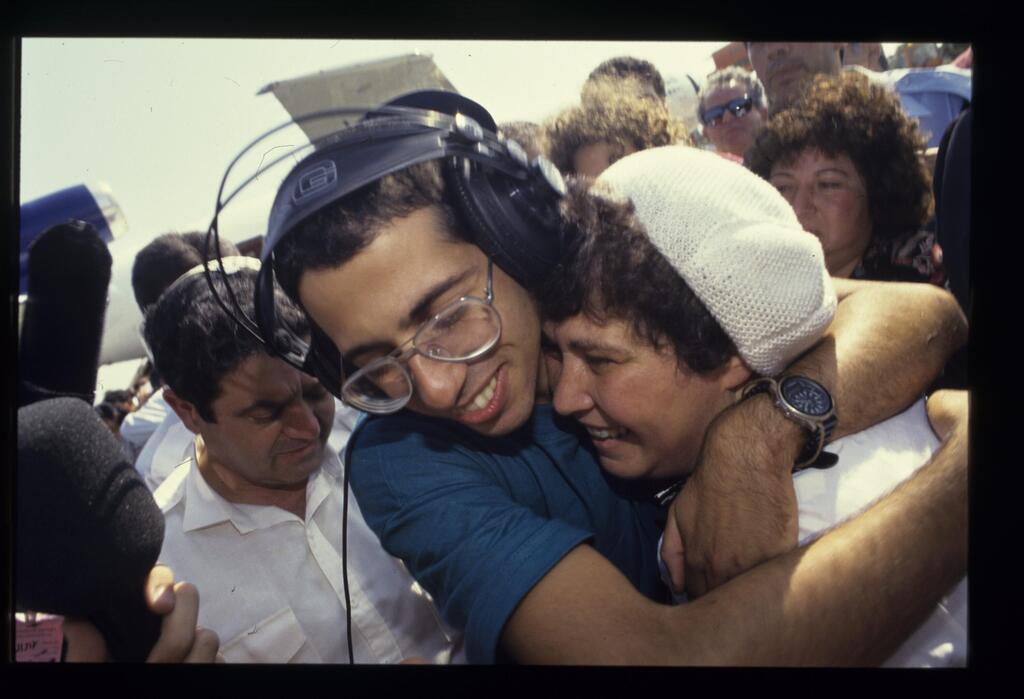
The five returned to Israel as heroes.
Then-Foreign Minister David Levy and his deputy, Benjamin Netanyahu, delivered emotional remarks as the survivors attended the funeral of their friend, Erez Kahana, whose actions had helped save their lives.