


In a prefabricated outpost near Mount Barak, five religious female soldiers sit together, pioneers of a first-of-its-kind pilot program in the IDF’s Combat Intelligence Collection Corps. Only at dawn did they return from an operational mission along the Egyptian border.
Even before unpacking their service experience, R., 19, from Beit Shemesh, sums up the complexity of being a religious combat soldier with a single example: “When we drive to a mission, we usually play music. But if Shabbat has already begun, there’s no music, and instead we sing Shabbat songs.”
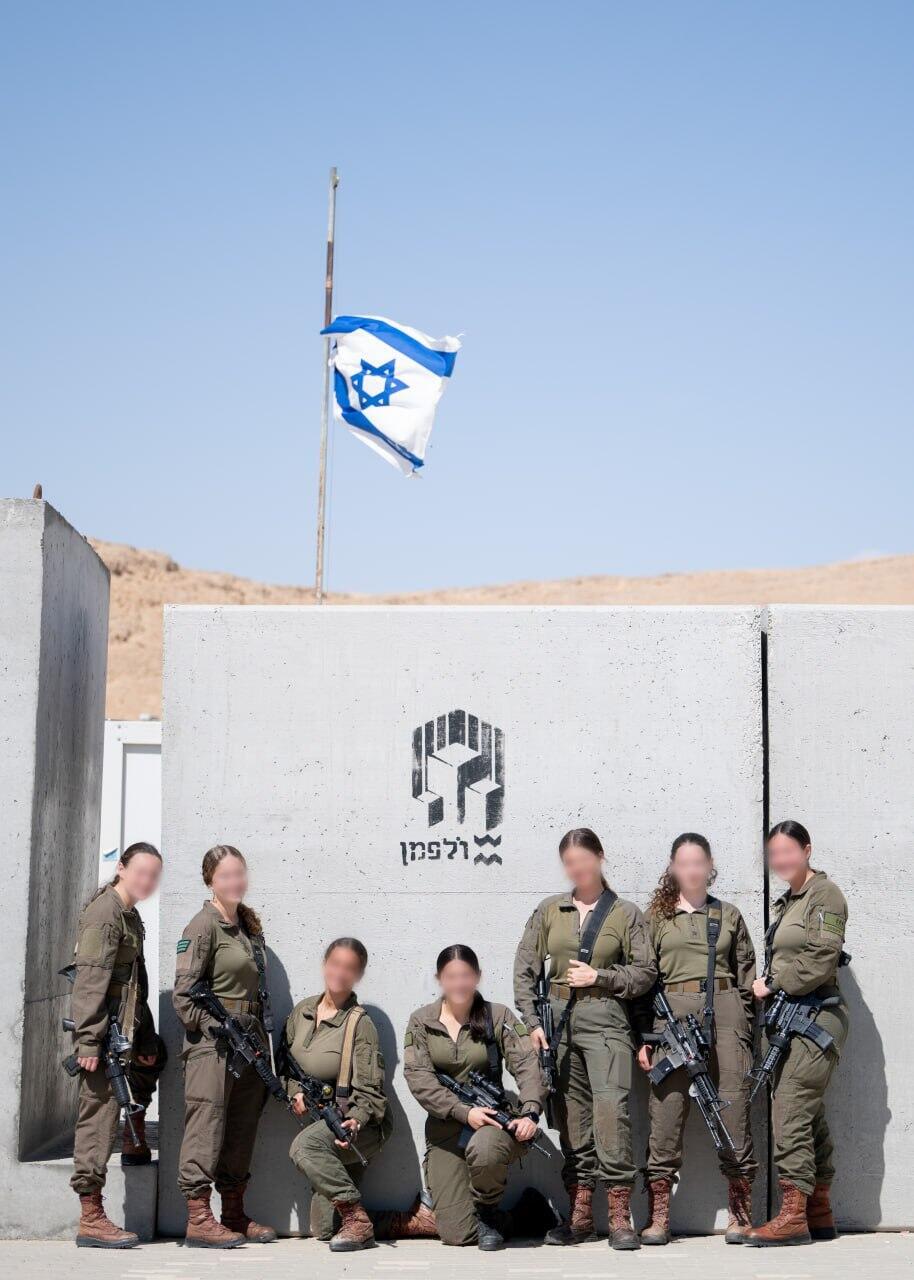
A first-of-its-kind integration
The Eitam Battalion (727), part of the Combat Intelligence Collection array under the Southern Command’s Edom Division (80), includes both combat soldiers and observers. The first pilot group of 20 religious women joined in November 2024. Another 20 enlisted in August 2025 and integrated into the unit about a month ago. A third cohort, drafted in November 2025, is still in training and expected to join within three months. A fourth intake, planned for March, was postponed following the war with Iran and the launch of Operation Roaring Lion.
Alongside R., four other soldiers take part in the conversation: N., 19, from Mazkeret Batya; M., 20, from Herzliya; another M., 22, also from Herzliya; and another R., 20, from Jerusalem. The five completed four months of basic training followed by four months of advanced training at the Sayarim base, qualifying as Rifleman 05, and are already engaged in core operational activity in the sector.
“So yes, you’re driving and doing things you wouldn’t normally do on Shabbat as a religious person,” the younger R. said. “But here it gives it a stronger meaning.”
She added, “It moves me that we’re in the field, driving to operations and singing Shabbat songs. On Rosh Hashanah, we held all the prayers out in the field. Halacha isn’t black and white. We also have a female rabbinical adviser to consult. You don’t drive on Shabbat just for nothing, but if it’s for an operational mission, we do it. What keeps me going is the girls with me. Because we’re all religious, it’s understood there’s no music. It just makes everything easier.”
Motivated by role models
Three of the five immigrated to Israel specifically to enlist: one M. from New York, another from Los Angeles, and the older R. from New Jersey.
The New York-born soldier said: “When I was in school, soldiers in uniform came to spend Shabbat with us, including female combat soldiers. We would sit and listen to their stories. My whole life I wanted to be like them, to be a role model for someone else the way they were for me. That someone would look at me and say, ‘Wow, I can do that too.’ That’s why I enlisted.”
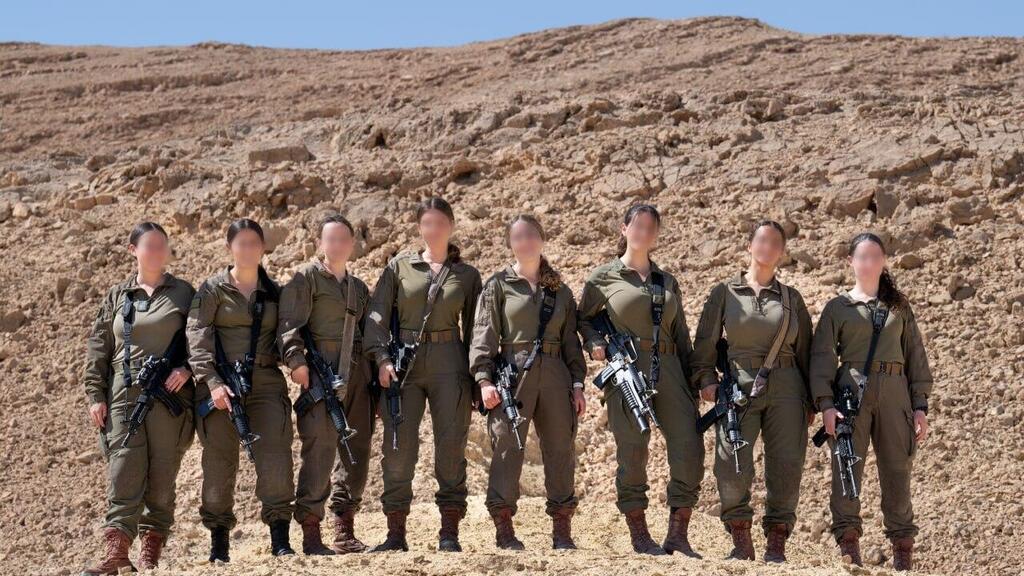
Breaking barriers, balancing faith with high-stakes frontline missions
(Photo: IDF)
N. described the experience as exceeding expectations. “It goes beyond what we imagined. There’s a real feeling that we are truly defending the country,” she said.
Addressing skepticism about women in combat roles, she added: “I enlisted because I understood there’s a need, that there’s a shortage of fighters. Those statements only motivate me to prove we can defend the country. Being religious female combat soldiers is no different from male fighters. We went through the same training and do exactly the same things.”
The younger M. agreed: “I didn’t come all the way from the United States not to serve in a combat role. You need to contribute to the country in the best way you can. Everyone gives what they can, and I felt this suited me best. Every woman can be in combat. It’s mostly mental. If you believe you can, whether it’s combat intelligence, search and rescue, engineering or elite units, know it’s possible.”
Building the pilot
Company commander Capt. G., 25, from Tel Aviv, rose through the battalion ranks from combat soldier to her current role, likely her last in career service. Her deputy, Lt. A., 23, from Oranit, also enlisted as a combat soldier four years ago after studying at a pre-military academy.
In November 2023, Lt. A. led the first cohort of the pilot program, including Sgt. S., 21, from Givat Shmuel.
S., a graduate of the Lindenbaum seminary, described how the initiative began: “A group of women wanted to serve in combat but realized there was no framework that could accommodate being religious. Some approached the head of the seminary, Ohad Teharlev, who has been promoting religious women’s enlistment for years, and asked him to initiate something. He approached the army, and our unit was created.”
Her decision was not obvious. “It’s not accepted where I come from. The boys talk about elite units, but the girls don’t. I didn’t know any female combat soldiers growing up. I just had an internal desire,” she said.
Her perspective shifted at the seminary. “For the first time, I met religious figures who didn’t say no. Some even said that serving in combat was positive,” she said.
Events like the October 7 attack, reports of a shortage of combat soldiers and a sense of national need strengthened her decision. Her parents initially opposed the move. “It was a shock. I already had a role in the Air Force. But now they’re the proudest in the world,” she said.
Lt. A., who received the first group, said: “I felt it was a privilege. Even before the pilot, I said there’s a group we’re missing, religious women. More than 50% of them have already gone on to command and officer training.”
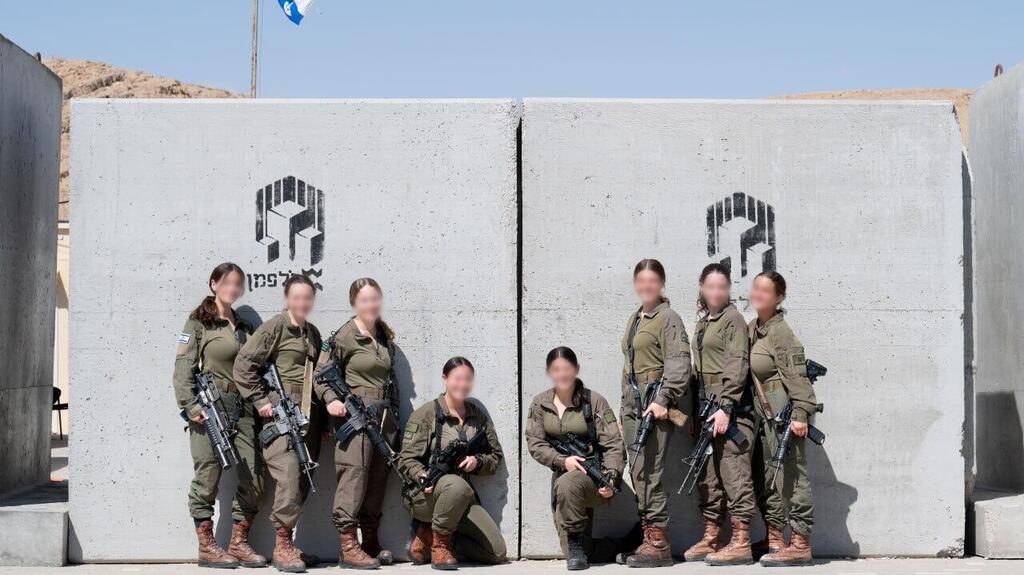
(Photo: IDF)
Between faith and combat
“We don’t want a unit only of religious women,” S. said. “We don’t feel different from other soldiers. We just wanted a place that respects our lifestyle.”
Despite concerns about maintaining religious observance, she said: “If you believe in what you believe, there’s no reason it will change in the army. I was already in mixed environments before enlisting.”
She added that military service can even strengthen faith. “You know why you’re here, and maintaining daily prayers strengthens you,” she said.
Capt. G. noted that a female religious adviser accompanied the soldiers during training, and now they have access to a divisional rabbi. “They have someone to turn to,” she said.
Operational reality on the ground
In the field, the soldiers are fully integrated into daily operations. “Smuggling has increased in recent years,” Capt. G. said. “They’ve adapted their tactics to move larger quantities of weapons. We work with other forces and use electronic warfare and drones to intercept them.”
Last week, S. and four others from the first cohort began officer training as part of their path to becoming combat officers.
With the outbreak of Operation Roaring Lion on February 27, the unit was deployed rapidly. “The airspace was dominated by the Air Force, so we used other means to detect threats,” Capt. G. said.
She added that the main concern was infiltration along the eastern border alongside rocket fire. “We knew tensions with Iran were rising. That day we deployed, received our missions and positioned ourselves in the field, knowing we would stay for a long time.”
Since then, she said, the unit has remained on a continuous operational footing.
“We are above the noise,” S. said, referring to criticism of women in combat roles. “Everyone has their beliefs. I know we’re doing something important and contributing to Israel’s security.”