

Shlomo Ron, 85, one of the founders of Kibbutz Nahal Oz, was killed in the October 7 Hamas attack on the community. Ron saved his wife, two daughters and grandson who were hiding in a nearby safe room, and paid with his life.
Ron was a member of the first youth group that established Nahal Oz in his teenage years. His wife, Hanaleh, came from Kibbutz Kinneret to help build the kibbutz, where the two met, married and raised three children.
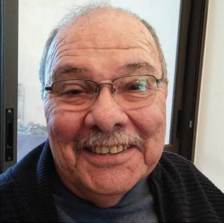
His niece, Irit Shamir-Baratz, told Ynet that on the morning of the massacre, two of the couple’s daughters and their grandson were in the kibbutz. “The daughters came because Shlomo was supposed to have surgery that Sunday,” she said.
“The grandson is a lone soldier in Israel — his mother lives in England, but he came here to enlist because of his grandfather and their close bond. In Nahal Oz, they gave him a small unit next to his grandparents’ home. That’s probably one of the things that saved them, because no one entered that apartment. They stayed in the safe room of the other unit, which didn’t lock.”
“The most important thing in his life was Hanaleh and the family. He loved her endlessly and protected her,” Shamir-Baratz said. “From 9:30 that morning, I was in contact with them as soon as I heard what was happening. Right away, my cousin wrote me, ‘They shot Dad.’ He was sitting in the living room, an old man, alone in his chair. They saw him, the apartment was empty, just one man sitting, and they shot him. He stayed in his chair, and because they saw a body there, they didn’t go in. He saved them, I’m sure knowingly: ‘Hanaleh, hide, I’ll protect you.’ That’s how his mind worked.”
According to Shamir-Baratz, a caregiver with the family recalled how Ron told them to go into the safe room and insisted on remaining outside. “They tried to argue and call him, but he refused. As she closed the safe-room door, she saw through the glass someone shooting my uncle into the living room. She saw it, then locked the door.”
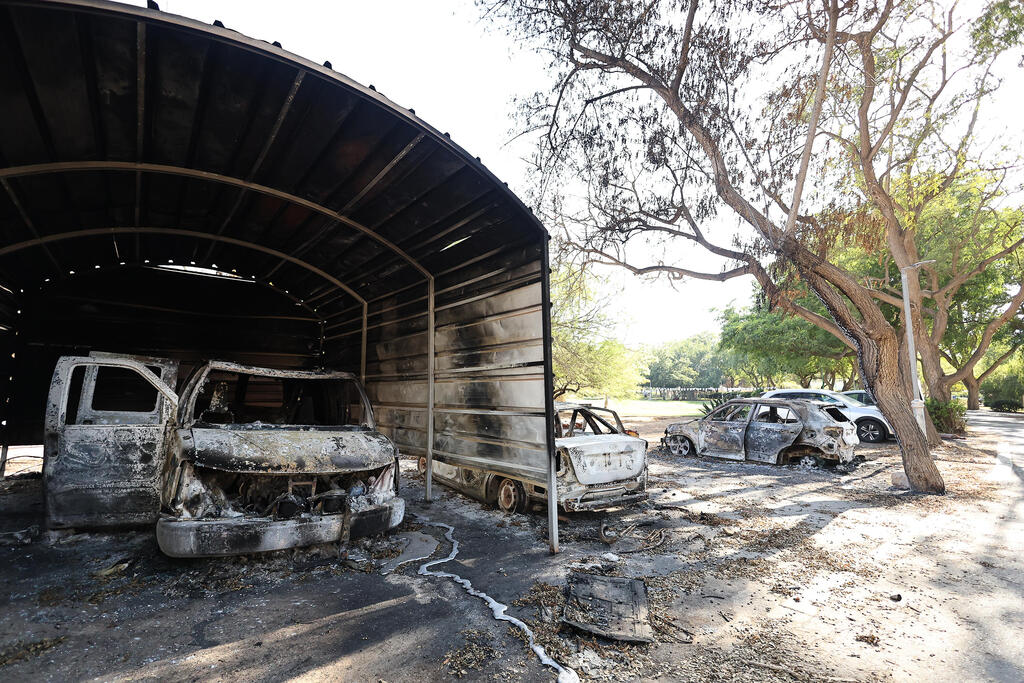
Nahal Oz
(Photo: GPO)
“They stayed absolutely quiet, waiting for rescue, and were in contact with the daughters and grandson in the other safe room,” she said. “They ran out of water and were in distress until around 6 p.m., when they were finally evacuated. At the time, we didn’t know the extent of the danger — we thought we could arrange supplies for them. We didn’t understand how terrible it was.”
Hanaleh had been a kindergarten teacher in the kibbutz, and Shlomo worked in the metal workshop. “But they were both very cultured people,” Shamir-Baratz said. “Shlomo acted in the kibbutz theater and sang, and in recent years began painting. Hanaleh sculpts, works in clay and paints. Despite living in such a tense and dangerous place, they were never the type to wave a gun. They protected the kibbutz and the border, because the kibbutz border was Israel’s border. Even when they had small children, even in the years when trouble with Gaza began, they never left. They always stayed.
“Shlomo was buried in Kinneret because that’s where Hanaleh came from, and the kibbutz immediately offered her a home and a burial plot. Now she is in Kinneret, and so is he. Shlomo was a man of peace, of life, gentleness and beauty. He wasn’t eager for battle, not the type to carry a gun on his hip. That was the kibbutz generation, and all the talk in recent years about the kibbutzim is another wound and trauma for them. In the end, they were left without weapons and had to defend themselves with their bodies against the bullets.”