

High above Be’eri Forest, an 18-meter observation tower is returning to the skyline. It formed part of Keren Kayemeth LeIsrael-Jewish National Fund (KKL-JNF) strategic fire-prevention network, a system intended to detect smoke before flames outrun rescue teams.
During the October 7 assault, the tower was destroyed – battered first by terrorists and later by military convoys passing through. Its reconstruction is symbolic and functional: a return to vigilance, a safeguard for forests that have burned too many times to be left unguarded.
The Be'eri watchtower rises again
(Video: Yaron Sharon)


From its rebuilt deck, the view is revealing: Be’eri, Re’im, Shokeda and the horizon beyond Gaza. What once was simply a lookout is now also a metaphor, seeing more than trees and fields, but an entire region wrestling with trauma and insisting on recovery.
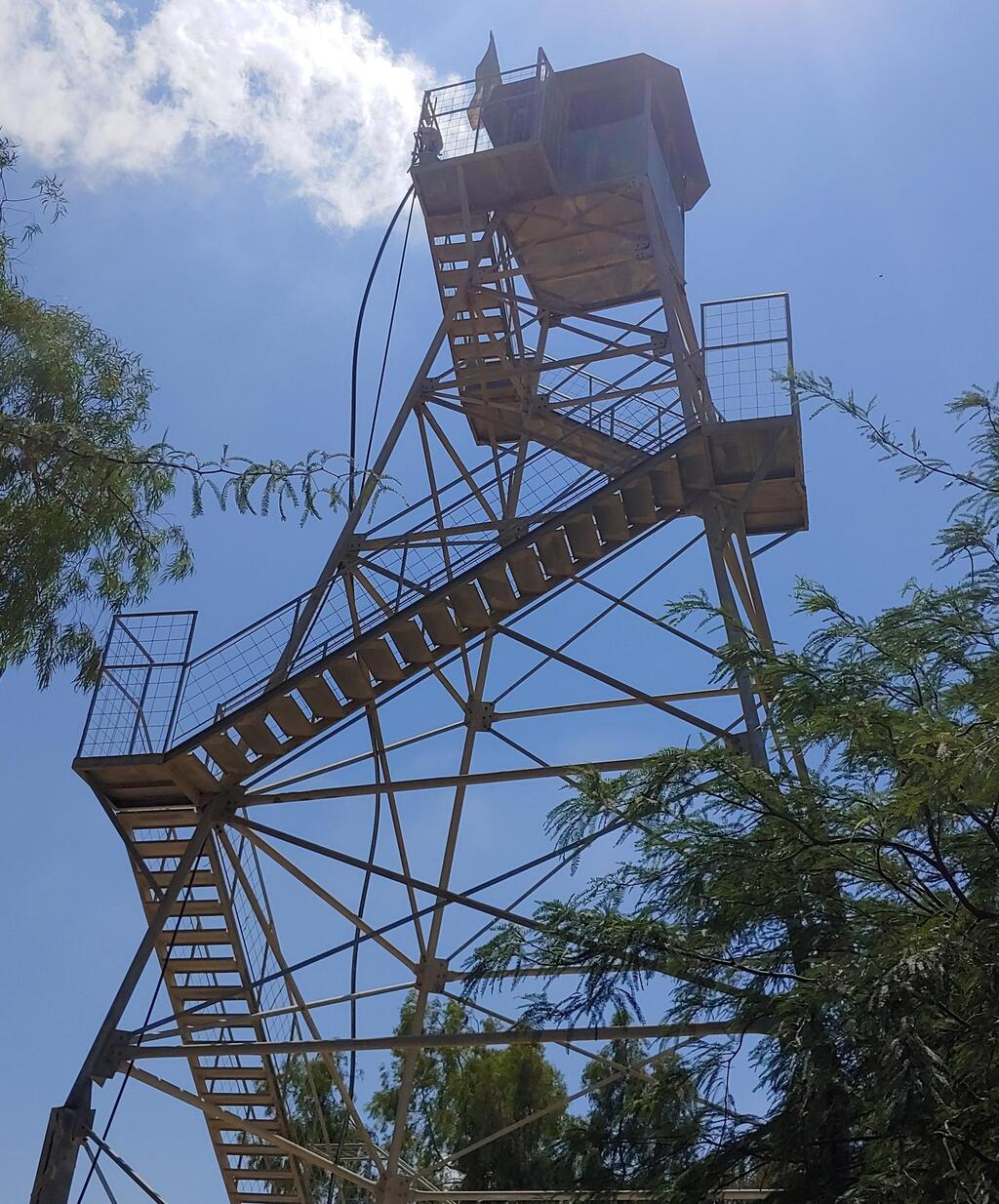
“During the fire season, an observer is stationed here. His role is to locate fires as quickly as possible so we can reach them and treat them before they grow very large," said KKL- JNF Forest Engineer Dr. Michael Sprintsin.
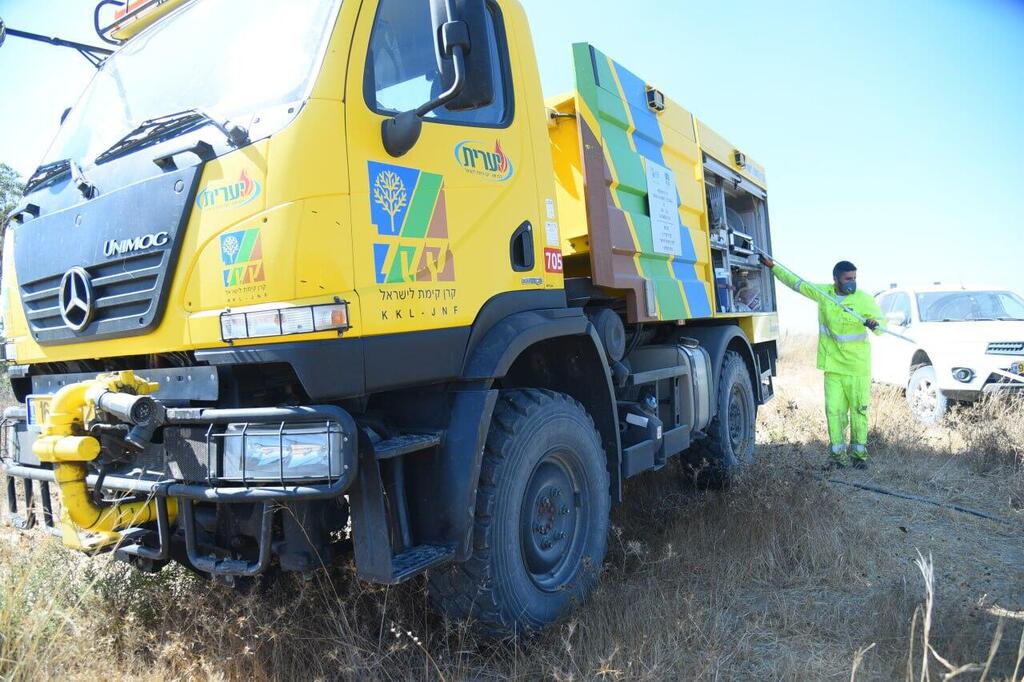
KKL firefighting crews battle a wildfire in southern Israel
(Photo: Yossi Ifergan)
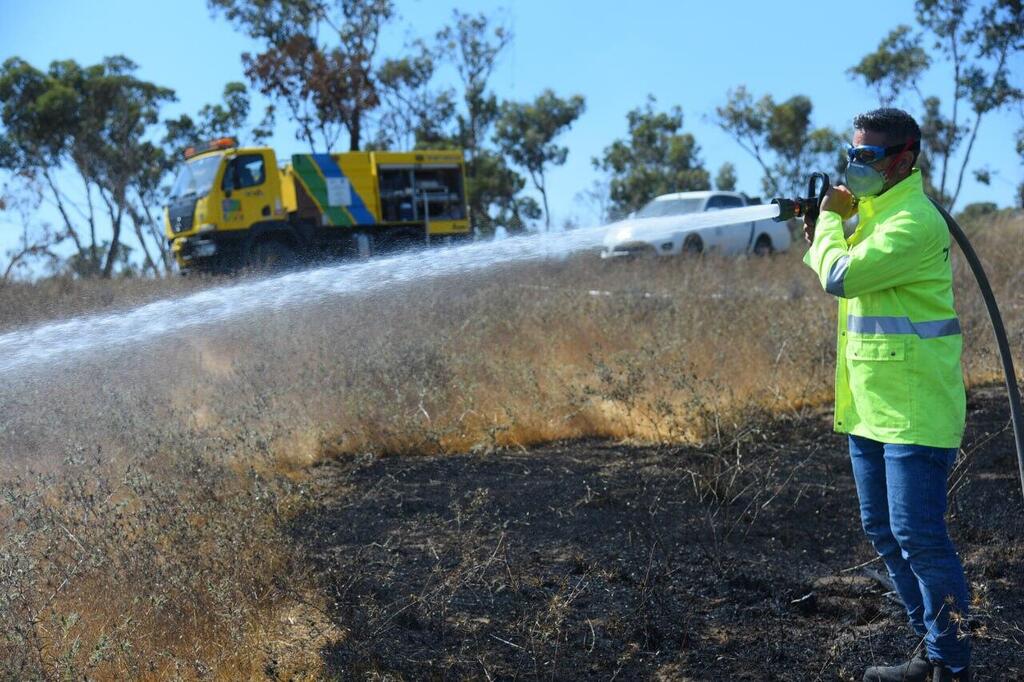
KKL firefighting crews battle a wildfire in southern Israel
(Photo: Yossi Ifergan)
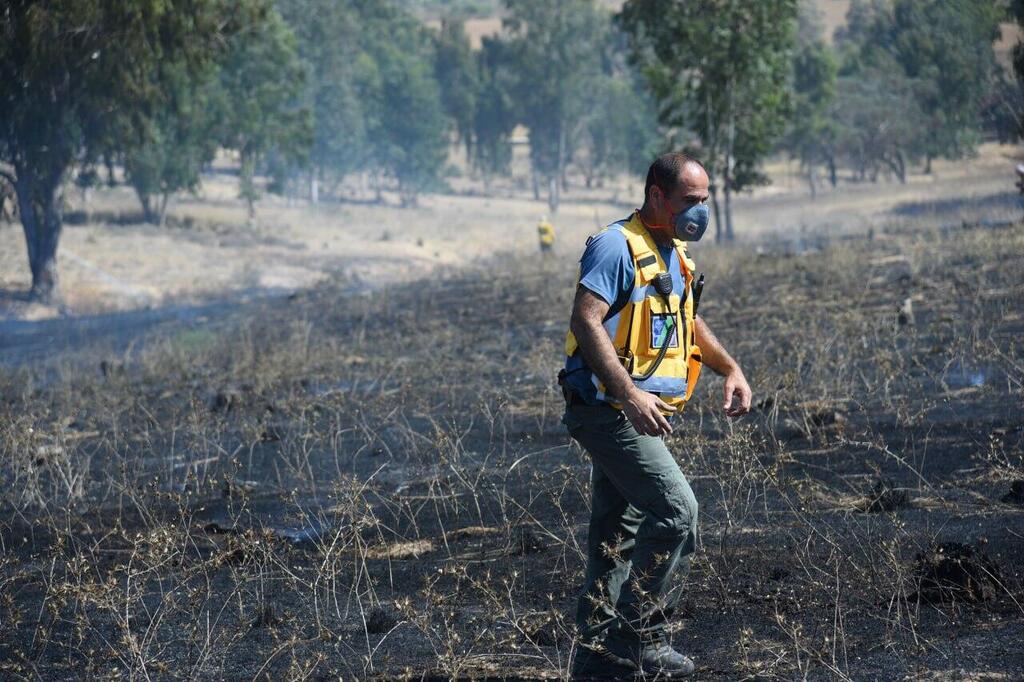
KKL firefighting crews battle a wildfire in southern Israel
(Photo: Yossi Ifergan)
"When the observer identifies a fire, he sends alerts and informs the ground crews, allowing us to pinpoint the exact geographic location and respond immediately. The observer sits here from early morning until nightfall, guiding the crews and directing them to the exact location of the fire.”
The structure is no longer just an instrument. It is a reminder that resilience requires spectatorship, foresight and responsibility.
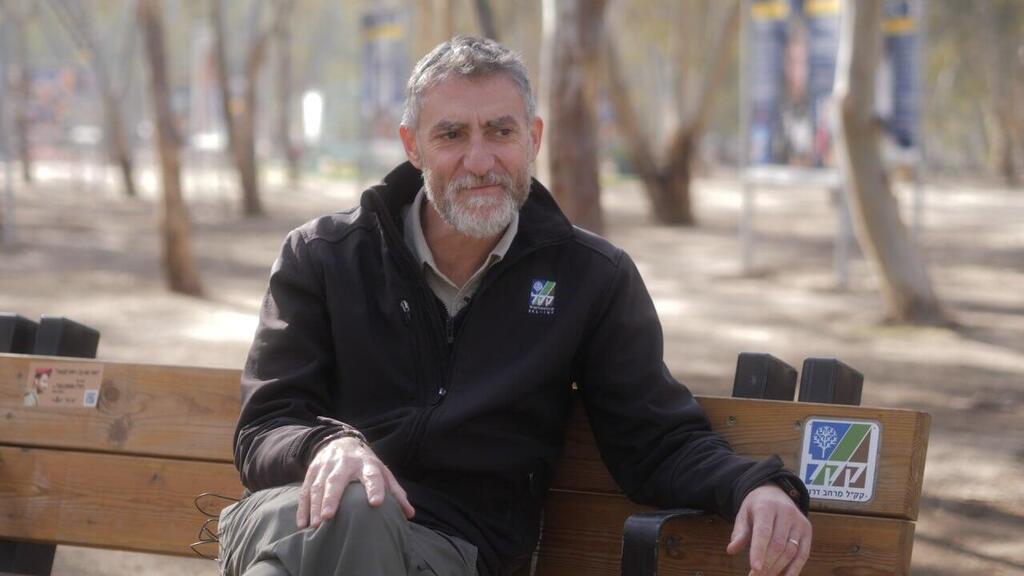
KKL- JNF Forest Engineer Dr. Michael Sprintsin
(Photo: Yaron Sharon)
But the tower is only one layer of the story. KKL-JNF’s forests were never purely Israeli projects. For over a century, they were financed by small coins dropped into blue tin boxes in Buenos Aires, Brooklyn, Johannesburg, Melbourne, Toronto, Santiago, Paris and Mumbai. Diaspora communities planted trees long before they ever stepped onto the soil. That history underpins the current call to action – a new generation abroad is being asked not to give up on land they helped seed.
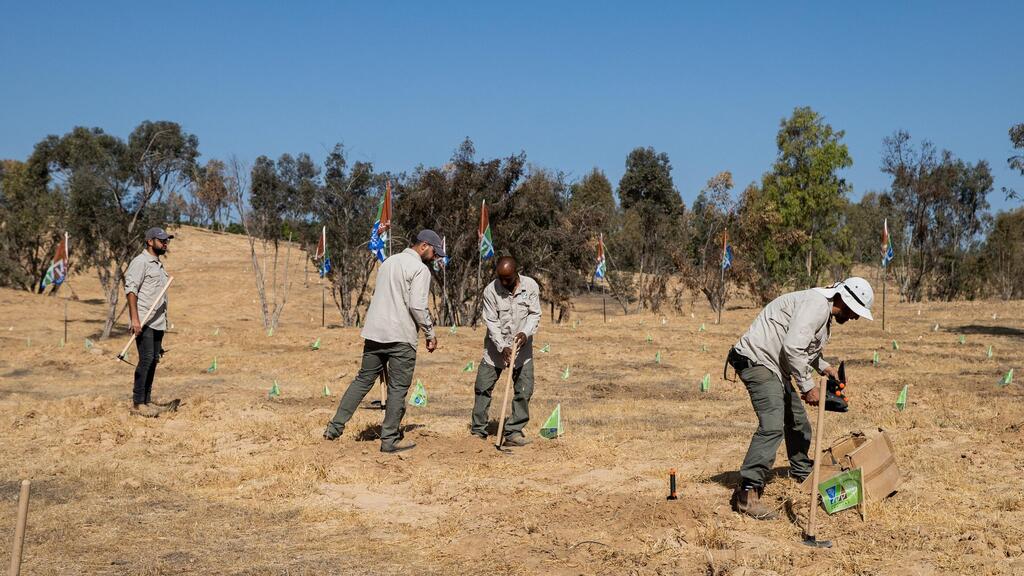
“This war was a real trauma — not only for the people who were killed or kidnapped, but also for nature itself," Dr. Sprintsing added. "Thousands of dunams that had already burned in the past were burned again, and continued rocket fire caused even more damage. Because this is a desert environment, the forest cannot regenerate naturally as it does in more humid regions. Every tree that is lost is truly lost, and replacing it requires planting a new one.”
Plant a tree for the future
(Photo: Alex Kolomoisky)
In places like Be’eri and nearby Re’im, planting has been radicalized into meaning. Each sapling is a memorial, a refusal to let devastation dictate what the land will become. KKL-JNF’s invitation is blunt: plant a tree for someone lost; plant a tree for the future you want to exist; plant to stand with Israelis rebuilding homes, fields and psyches. The message reaches beyond Jewish identity to anyone who feels the weight of this moment can turn emotion into something rooted.
This return to planting is not romantic. It is survival strategy. Israel is once again a place where forests matter – not as scenery, but as anchors of belonging and signs of continuity.
Even after fire, Be’eri blooms each February. Children bike its trails. School trips return. Tourists walk among new shoots. To plant, in this context, is a distinctly Israeli act of defiance – an insistence that burned earth green again, that trauma will not fix the horizon, that children should one day picnic where sirens once wailed.
KKL-JNF is asking the world to join that insistence. Because here, where the tower sees further than we do, the future is literally taking root.