

As Israelis mark the country’s 78th Independence Day and speak of national pride, one name stands out: Sun Mizrahi, widely considered the most successful Israeli model on the global stage.
She has walked for Chanel, Bottega Veneta, Fendi, Jacquemus, Dior and Hermès, appeared on the covers of Harper’s Bazaar Italy, Vogue Greece, System Beauty and Numéro France, and led major campaigns. From the outside, her career appears flawless. But early in the interview, Mizrahi delivers a blunt admission: “I’m over it.”
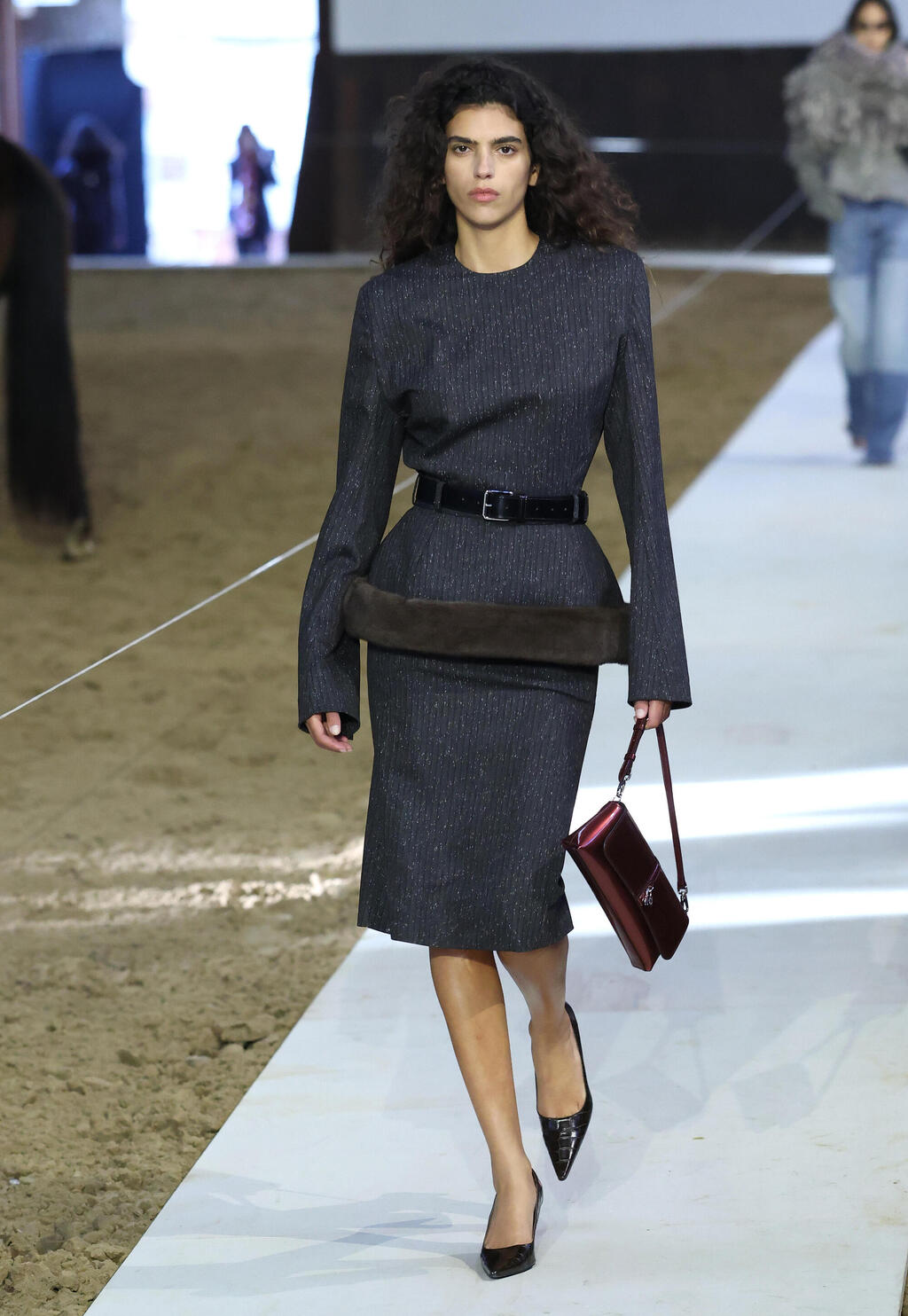
Despite continuing to receive offers most models can only dream of — including a Vogue cover she recently declined — she says the work no longer fulfills her. “It doesn’t interest me like it used to. It’s not developing me. I see younger models with incredible ambition, and I realize I don’t have that passion anymore. Other things interest me now. I’ve decided to take a step back. I’m taking my foot off the gas.”
This is not just an internal debate. Mizrahi has informed her international agents and her Israeli agency, Inch Models, that she intends to scale back. “I explained that it’s become too intense, that I want more home, I want to create and to study, so I’m stepping back. I don’t yet know what will change or what it will look like, but I assume this new life will take shape soon. Ultimately, I want to build a family with my future husband here in Israel. I don’t want to be far from him, from my future children or from my family.”
The decision is not an easy one. Mizrahi remains one of Israel’s most prominent international models, with a résumé that includes Chanel, Stella McCartney, Bottega Veneta and Dior, as well as Zara and Victoria’s Secret. Over the past two years — a period that included a high-profile divorce — she says she began questioning her identity beyond modeling.
“There was a disconnect with myself. A lot of exclamation marks about who I am turned into question marks, including my marriage. I needed to give myself more freedom, and that led to the divorce and now to this decision. It took time. For a year and a half or two, I’ve been talking about these feelings with friends and my therapist. It feels empty. It doesn’t interest me, doesn’t develop me. It’s exhausting. I have many other things that interest me more, things that were always under the radar. I want meaning in my daily life, and I feel this is the stage where things need to come out.”
When you look at your career, do you feel you’ve done it all and can move on?
“Yes, but it’s not even from that place. Even when I did the biggest things, I didn’t really understand what I had done. Maybe that protects me from pressure and responsibility, because many times I don’t give myself the credit I deserve. So it’s not from a place of ‘I’ve done it.’ I still have many offers now, like a Vogue cover, but it doesn’t interest me anymore.
"Vogue is something girls dream about, would do anything for, and I find it relieving to say no. I’ve been processing this for two years. In the past, saying no came with a lot of guilt, because I’m doing what most people dream of, and who am I to refuse something so amazing? People had a hard time understanding. They would say, ‘What are you complaining about? You travel the world, you earn well, you’re on the biggest runways and covers.’ But they didn’t experience the loneliness I felt, or the lack of fulfillment — waiting for a shoot day to end. What kept me in the profession was mainly guilt, that I was rejecting something so desirable, but I realized that if it doesn’t nourish me, it drains me. And over time, the distance from home became harder.”
She says the gap was not only physical but also personal. Despite being part of a glamorous world, she never fully embraced it. “I was invited to many parties and events, but I was very professional, so I didn’t go out much. It didn’t really interest me. I was never part of the drug culture — it doesn’t appeal to me. I went once to a party with global celebrities like Victoria Beckham and Leonardo DiCaprio. It was a small event, and I felt a bit like an outsider. People were under various influences. It’s not for me.”
When did you decide to make a change?
“During the last fashion week, I made a conscious decision. I’m not making absolute declarations, but essentially it was my last. Maybe in five years Chanel will call and I’ll be interested — I don’t see it happening, but right now I’m stepping back. I’ll do only campaigns that feel good, with enough planning, under certain conditions and for the right compensation — work I don’t feel I’ll suffer traveling for. I’ll do it how it suits me, when it suits me, where it suits me and with whom it suits me. I’m no longer a slave to the industry.”
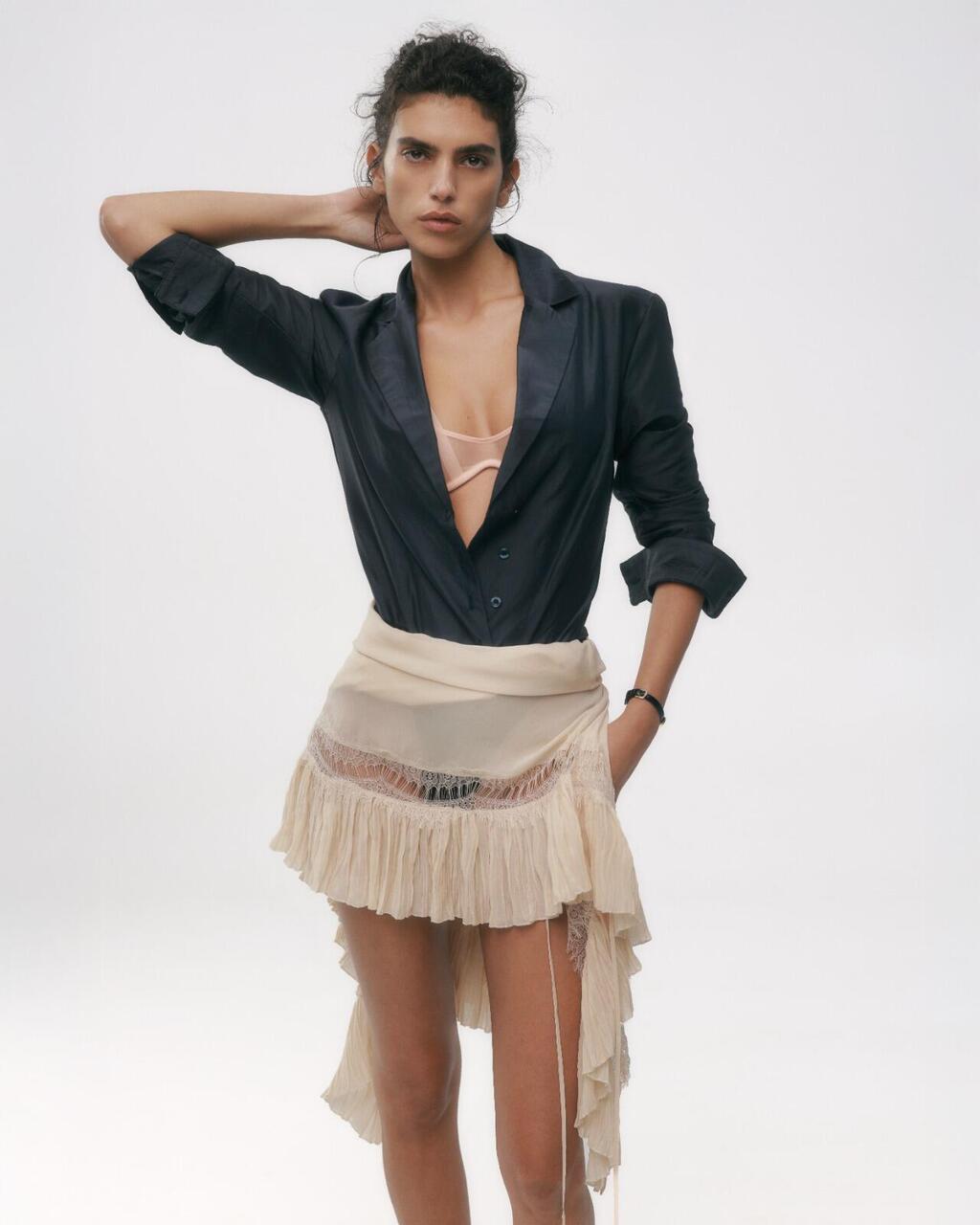
(Photo: Or Danon)
Why did you feel you couldn’t continue?
“In the past year, I’ve felt the distance from home and family much more strongly. It’s been six years. Maybe in the first four it was fine — exploring, developing. I’ve always had a rich inner world, so being alone didn’t scare me. But recently it’s been hard to be away from my home, my bed, my people. What was especially difficult was the lack of control over my schedule, over my life. My schedule was in the hands of agents. I couldn’t plan anything in advance.
" Today I look back and ask, ‘How did I live like that?’ At the start of your career, they convince you everything is important. No one tells you it’s also important to be at home with your partner, to paint. You’re in a loop, a slave to it. Only now can I say with confidence: it doesn’t suit me anymore."
Taking back control of your life?
“Yes. In modeling, you’re really a tool. It can be a good tool, like actors who play a role, but to some extent I feel I don’t want to be just the tool that brings something to life. I want to create the character. I want to decide what identity I am today. When you remove the ‘Sun Mizrahi’ brand, there’s a person who studies, writes, paints, reads and talks. I feel I’ve been shrinking to fit the role of the model, but I have much more to give. The problem is getting pulled into this loop of status, fame and money. I choose to say I have more value to offer. What I did was amazing — it had value even for the country, on a broader level — but it’s a golden cage."
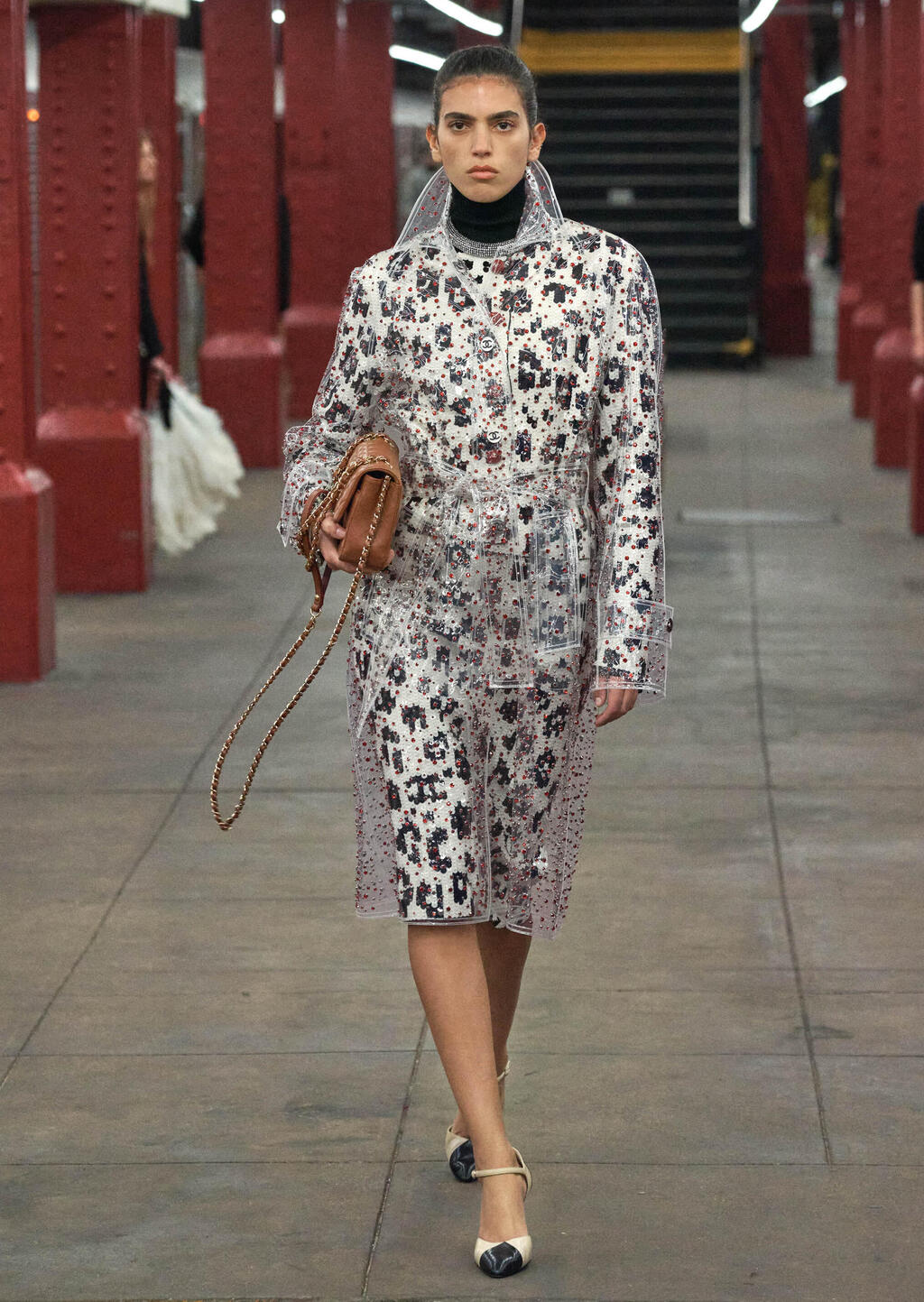
Sun at a Chanel fashion show
(Photo: Chanel)
"It’s like a breakup. It’s an identity I wore, and people know me as Sun the model, but I’m not only that. One day the status and fame won’t be there. I didn’t want to wait to face that question.”
Did people get upset with your decision?
“My agents are amazing and understood. In the end, they’re human. I explained myself, although it didn’t really matter what they said because I came very determined. Once I decided not to please anyone, money became irrelevant. You have to know how to say no, otherwise you become a slave to money, status or fame that don’t add anything for me.”
What will you do next?
“I’m open to new projects. I’m currently a presenter for Katalea, a sunglasses brand by Opticana, and for the fashion and lifestyle brand Seestarz. Maybe I’ll host, dance or act. There are many things I’m curious about.”
Despite her statements, Mizrahi is not fully closing the door on modeling. “Maybe I’ll continue a bit. In any case, I’m curating the work — I do what feels good and what excites me. I’m less tied to it.” Several campaigns she has already shot are still set to be released in the coming months.
How do people in Israel treat you?
“People see me and tell me I’m a source of pride, that I’m an honor, that I’m amazing.”
And abroad, when they hear you’re from Israel?
“I haven’t experienced antisemitism directly. People ask questions out of curiosity, but I’ve never experienced violence, not even verbal, or a sense of discrimination.”
Have brands been hesitant to hire you?
“Maybe, but it’s not something I experienced.”
What sets you apart as an Israeli model?
“I feel very open and friendly compared to others. There’s a certain Israeli directness. And of course, language — I read, write and speak Hebrew. I carry myself as Israeli.”
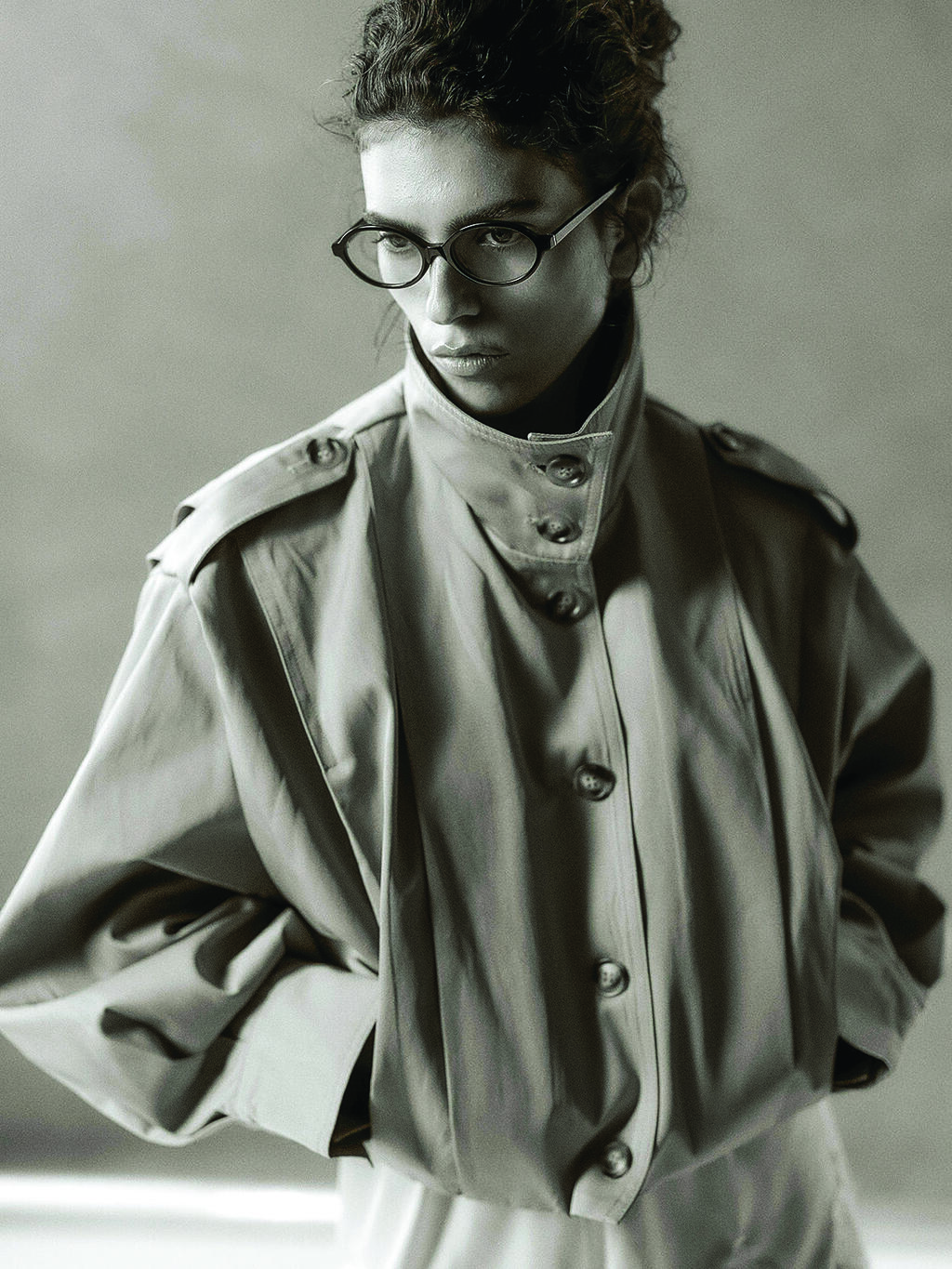
(Photo: Or Danon )
Do you feel Israeli pride on the runway?
“Yes. I feel very Israeli. It’s part of my identity, so when I introduce myself and when I walk, it’s part of who I am, and I carry that with pride.”
Mizrahi arrived at the interview with her hair pulled back — a practical decision, but also symbolic of a deeper shift. For years, her curls were part of her image. Now she is less focused on image and more on identity. “People love me with my hair up,” she says with a smile. “At Chanel, for example, they liked seeing my face. They told me the hair isn’t the issue — people love your face. That stayed with me.”
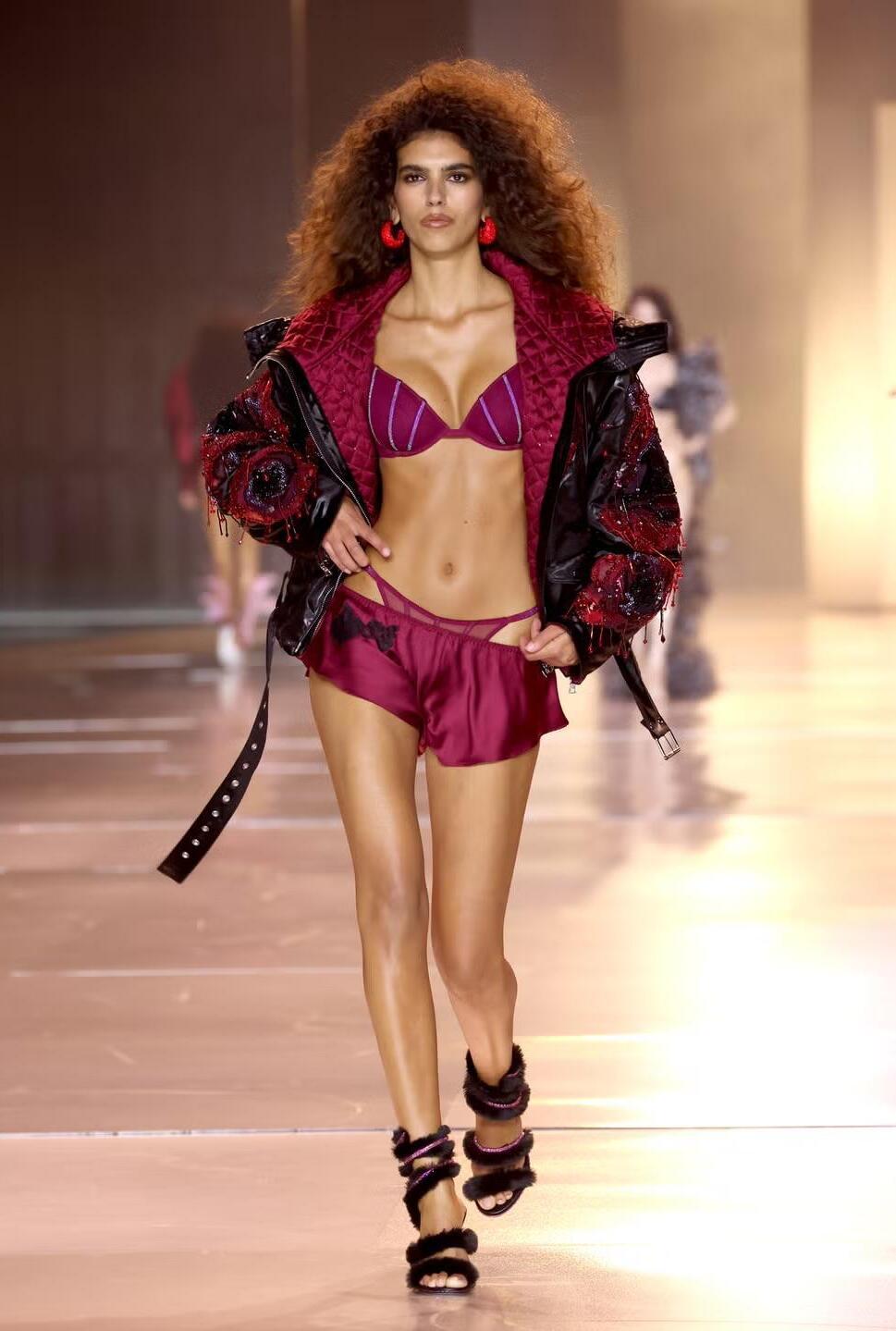
Sun on the Victoria’s Secret runway
(Photo: WWD/GettyImages)
The conversation soon turns to her personal life. Mizrahi recently became engaged to actor Shahak Batsir. He proposed during a trip to Portugal on New Year’s Eve in an intimate setting. “It was very ‘us,’ just the two of us in nature. Very emotional. I knew it was coming, but I was still surprised. I’m very intuitive. I don’t follow conventional timelines. Things happen when they feel right.” He asked for her hand from each member of her family individually, a gesture she describes as deeply appreciated.
Their meeting was almost accidental, through a mutual friend from Haifa, a major city in northern Israel. “He later told me he had a vision that he had seen me before,” she says. “In the end, it turned out he really had seen me years earlier.”
How did the relationship develop?
“It doesn’t happen often that men approach directly. He even came to a gathering that wasn’t comfortable for him just to see me. I find that impressive. I don’t play games. When it feels right, I give it space.” The wedding, she says, will be private. “I don’t see value in media coverage. I want to keep something for ourselves.”
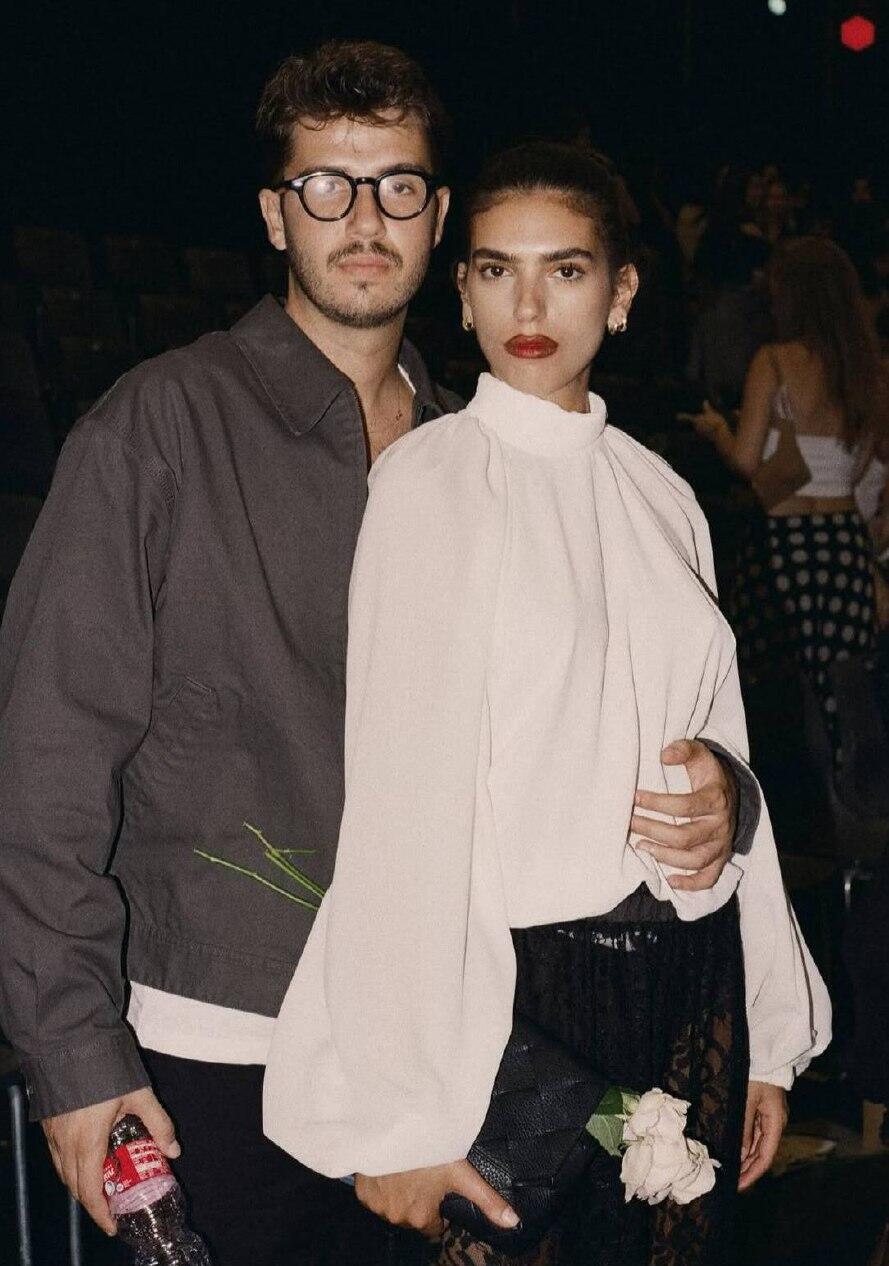
Sun with her fiancé
(Photo: Eden Halamish)
Her new relationship came not long after her divorce, a period she describes as formative. “When you leave a framework, freedom opens up. I felt trust and confidence — choosing what I feel without fear of consequences. It freed me.” The change also drew criticism. “People find it hard to see change. They want you to stay in the box they know. But that’s part of being true to myself.” Reflecting on her first marriage, she adds, “I married young, but I don’t regret it. Every choice gives us something.”
Now, away from the flash of Milan and Paris, Mizrahi is studying for a degree in art and psychology and writing a book. “It’s philosophical. I’m still figuring out how to define it, but it’s not about me as Sun. It’s about insights into the human experience. I think many people will relate.”
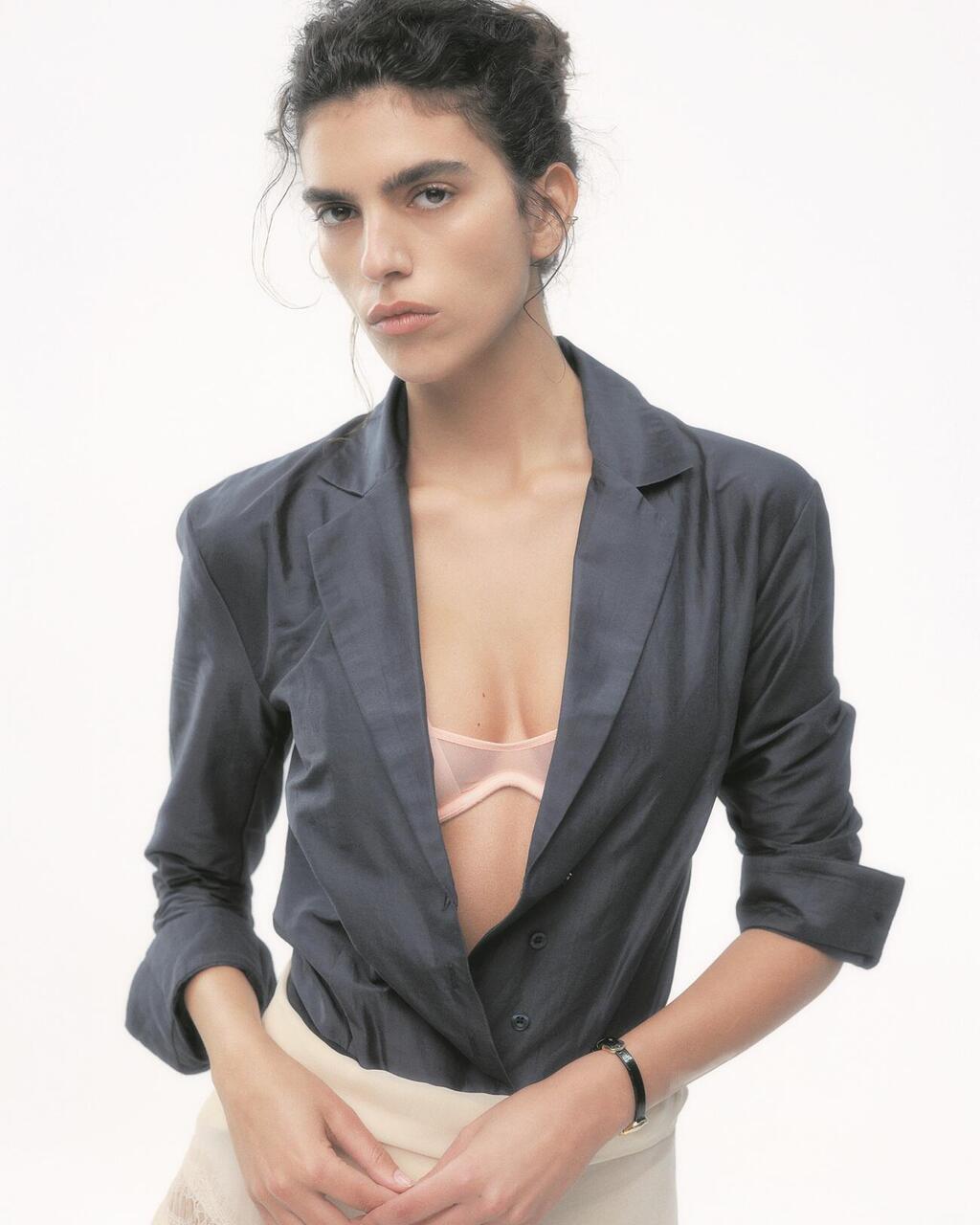
(Photo: Or Danon)
It sounds very spiritual.
“I’ve always been very spiritual, even as a child. I meditate every day. I’m very sensitive, and everything can penetrate if I don’t protect myself. Meditation is a way to communicate with myself. Sometimes they’re long, an hour, where you experience different things. I also use cards — a bit like prayer — asking for guidance. I believe in astrology, I’ve studied numerology and I explore these areas. I also receive holistic treatment. I don’t believe one place has all the answers.”