

When Dr. Katrien Vandoorne first arrived in Israel to pursue her PhD at the Weizmann Institute of Science, she was struck by something that went far beyond laboratories and research facilities. “The people were very collaborative and warm and inspiring,” she recalled. “The science was really great for me, but also the Mediterranean climate, the food, all those things.”
Originally from Belgium, Vandoorne said the country’s scientific culture felt very different from the academic environment she had known in Europe. “In Belgium it’s very hierarchical,” she said. “The professor is very high up, and you should always be very polite and never question anything that is written in the book.”
How did you find Israel’s scientific culture in contrast?
“What I really like about Israel is that, as a master’s student, you can question the whole theory of your professor, and there is no problem with that,” she said. “Your professor will actually like it that the student is engaged and wants to make your theory fall.”
For Vandoorne, that openness was transformative. “No one will ever say, ‘That’s a stupid question,’” she said. “Everybody will say, ‘Hey, that’s a good question,’ and take it as a sport.” She believes this atmosphere encourages creativity and innovation. “The young people, they're the ones with the, maybe, crazy ideas, but maybe also really solving things that the previous generations couldn't solve.”
Building a life in Israel
Although Vandoorne later had opportunities to work in Europe and the United States, she and her family ultimately decided to build their future in Israel. “It was really a package deal,” she said. Her husband, an Israeli, had long hoped to return. But Vandoorne said the decision was not only personal. “For me it was really the scientific culture and the unique combination of very good science that wants to make an impact and solve problems, together with a really human environment,” she said.
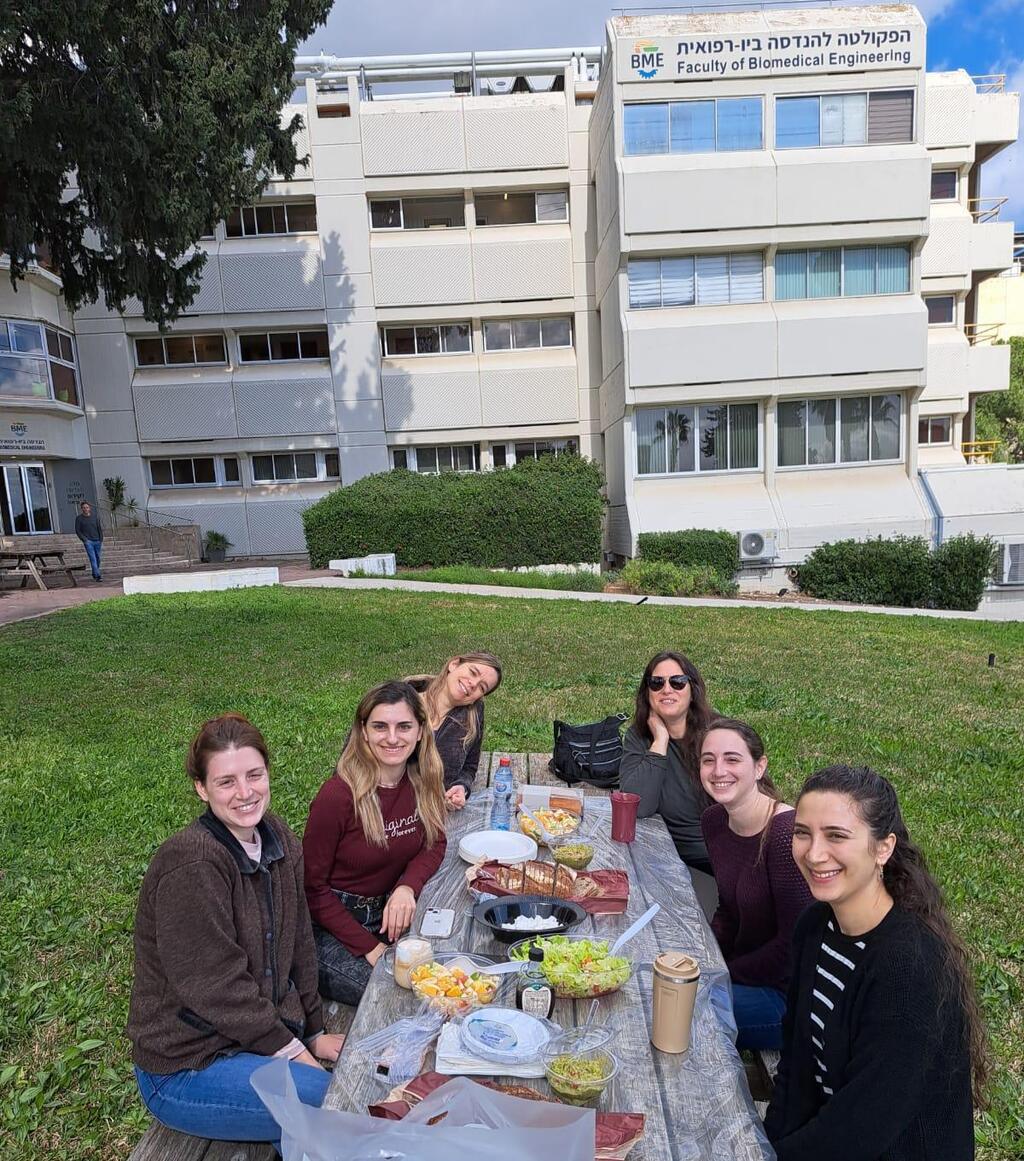
Dr. Vandoorne having breakfast with her students on the grass next to the faculty building: coffee, ideas, and a little team-buildin
(Photo: Private album)
Family considerations also played a central role. The couple moved to Israel in the summer of 2018 with their three young children. “They were 3, 5 and 7,” she said. Starting over in a new country while raising a family was not simple. “Becoming an immigrant means that you have to learn the language, find new friends and also professionally grow,” she said. “It’s been a journey.”
Despite the challenges, she says the experience has been enriching. “Instead of making myself smaller by being only an immigrant, I expanded myself by learning Hebrew and also being part of the Israeli culture,” she said.
Mapping inflammation in the body
Today Vandoorne is head of the In Vivo Multi-Scale Imaging Lab at the Technion’s Faculty of Biomedical Engineering in Haifa. Before joining the Technion, she worked at leading research institutions in Europe and the United States, including Eindhoven University of Technology in the Netherlands, and conducted research at the Weizmann Institute of Science, where she completed her PhD.
Her team studies how inflammation spreads through the body and how immune cells travel between organs. “When the body faces any stress like infection, chronic disease or heart attack, the immune system is activated,” she explained. “Most of these immune cells come from the bone marrow. It’s like a factory inside the bones where blood and immune cells are produced.” Her work focuses on how inflammation contributes to diseases such as heart disease, diabetes and neurological disorders, conditions in which the immune system plays a key role.
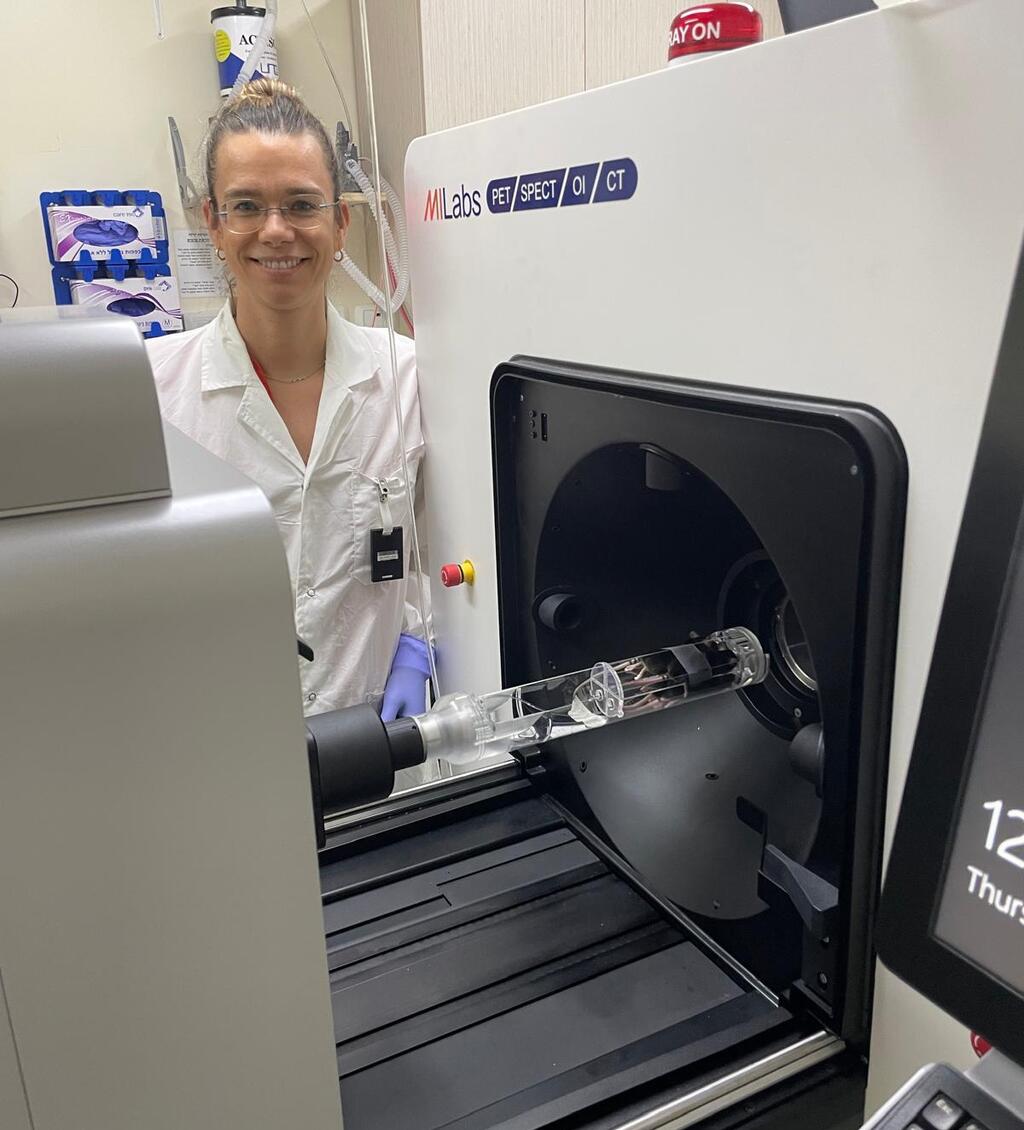
Dr. Vandoorne beside Israel’s first new preclinical PET/SPECT/CT and optical imaging system at the Technion
(Photo: Private album)
Using advanced imaging technologies including MRI, PET-CT and intravital microscopy, her team tracks immune cells as they move from the bone marrow through the bloodstream to organs such as the heart and brain. “Our goal is really to visualize these inflammatory processes so we can measure them, monitor them and ultimately also treat them,” she said. “Or even diagnose them earlier and be more precise with therapies.”
Vandoorne’s work sits at the intersection of biology, medicine and engineering, reflecting the Technion’s approach of combining technological innovation with medical research.
A unique research ecosystem
Vandoorne says the Technion’s strength lies in its ability to bridge engineering and medicine. “It combines engineers on the technical side and clinicians on the medicine side,” she said. “You have Rambam Hospital, a great medical school and all the engineers needed to solve problems.” Biomedical engineers often stand at the intersection of those disciplines. “We’re really trying to work on real-world problems,” she said.
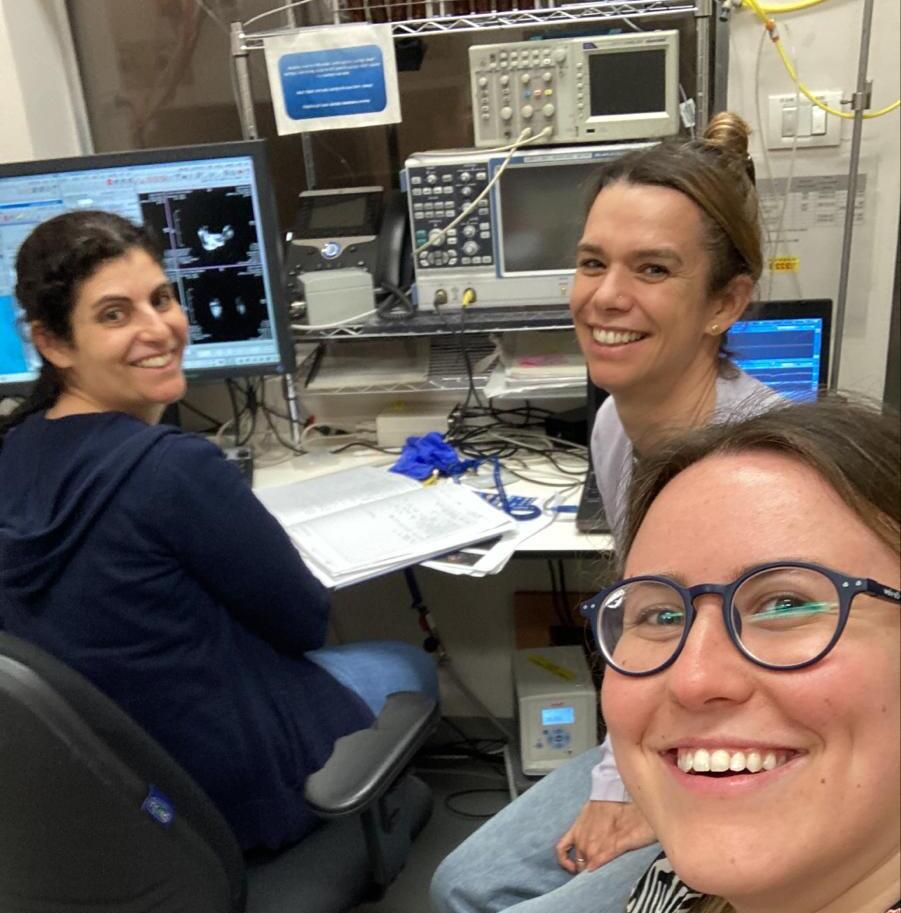
Dr. Vandoorne and her student: teamwork behind the scenes to make the science happen
(Photo: Private album)
Beyond infrastructure, she credits the university’s collaborative atmosphere. “It’s a very warm human environment,” she said. “Everybody is open and supporting. Whatever question I have, people are trying to help.”
Life and work during war
Like many Israelis, Vandoorne’s daily life has also been shaped by the ongoing war. “The war has been a rough pill to swallow,” she said. Without extended family nearby and with many international friends leaving Israel after the October 7 attacks, the experience has been emotionally challenging. “I built up a whole network of friends and most of them left,” she said. “It was very confronting for me to need to start it up again.”
Yet she says both her children and her students have helped her navigate the uncertainty. “My children teach me the most about how to deal with it,” she said. “I worry about them and they tell me not to. They say they are fine.” Her lab community has also provided support. “For me our faculty feels like a small family,” she said. “Everybody is really part of the community.”
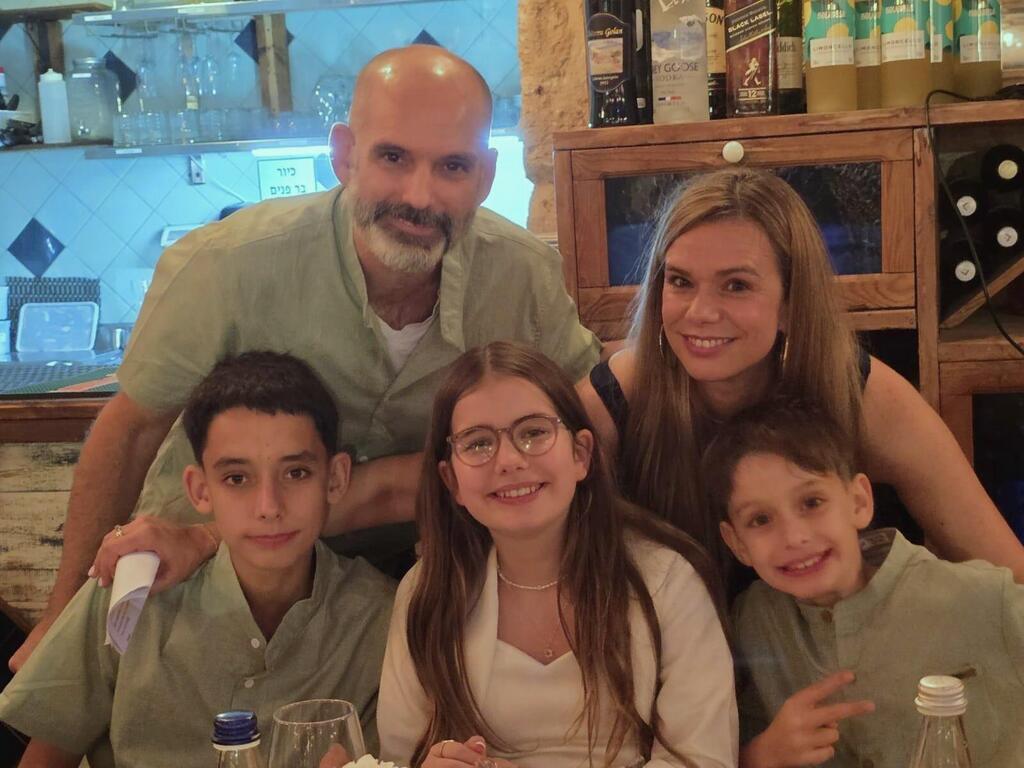
Dr. Vandoorne with her family: husband, Shai Freund and kids, Ruben, Sarah, and Nathan
(Photo: Private album)
During periods of heavy rocket fire from Hezbollah in northern Israel, staff and students often gathered in a large underground shelter inside their building. “We were just all down there trying to ground ourselves by talking science in the shelter while bombs were falling,” she said. “After everything stops everybody gives a hug and we go back up and continue our day.”
Believing in Israel’s scientific future
Despite the difficulties, Vandoorne remains optimistic about Israel’s future in science and innovation. “I think if anywhere there’s going to be biomedical innovation, it’s going to be here,” she said. Part of that belief comes from what she sees as a national resilience. “We are not afraid of anything,” she said. “That lack of fear stops many people in other countries from innovating.”
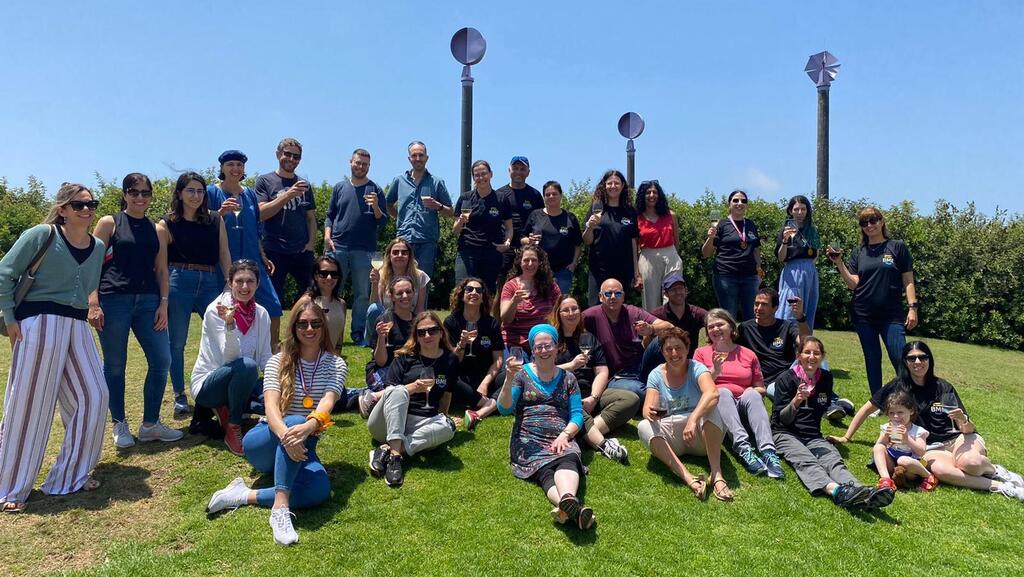
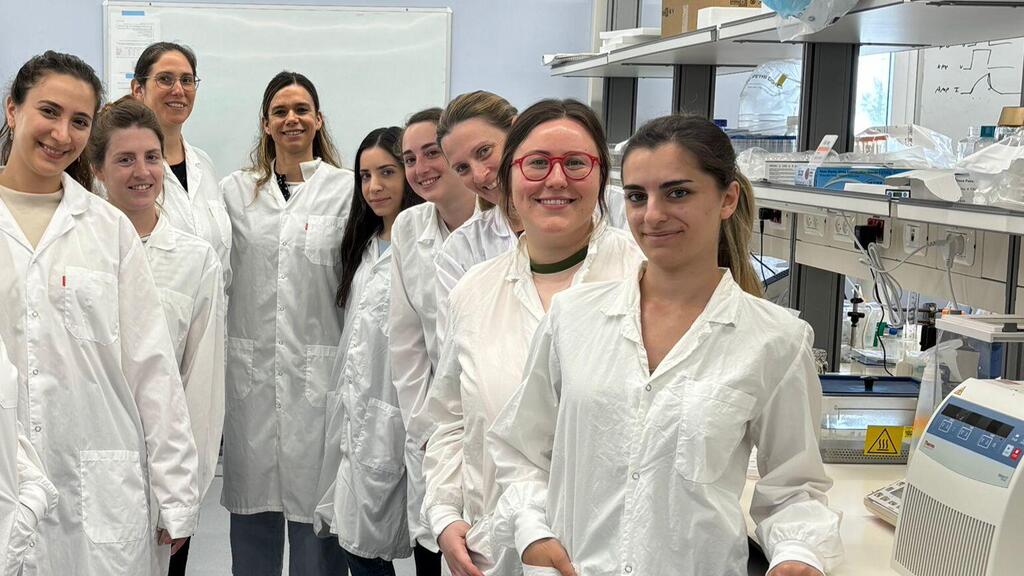
The faculty staff: great people, strong team, and a real sense of togetherness
(Photo: Private album)
Facing constant challenges can also fuel creativity, she said. “If you are in a country where everything is good and everything is fine, you don’t want to take a challenge,” she said. “Here we deal with challenges every day.”
For Vandoorne, that spirit continues to shape both her research and her life in Israel. “It really feels like a place where people want to solve problems and help each other,” she said. “That’s why I want to stay.”