

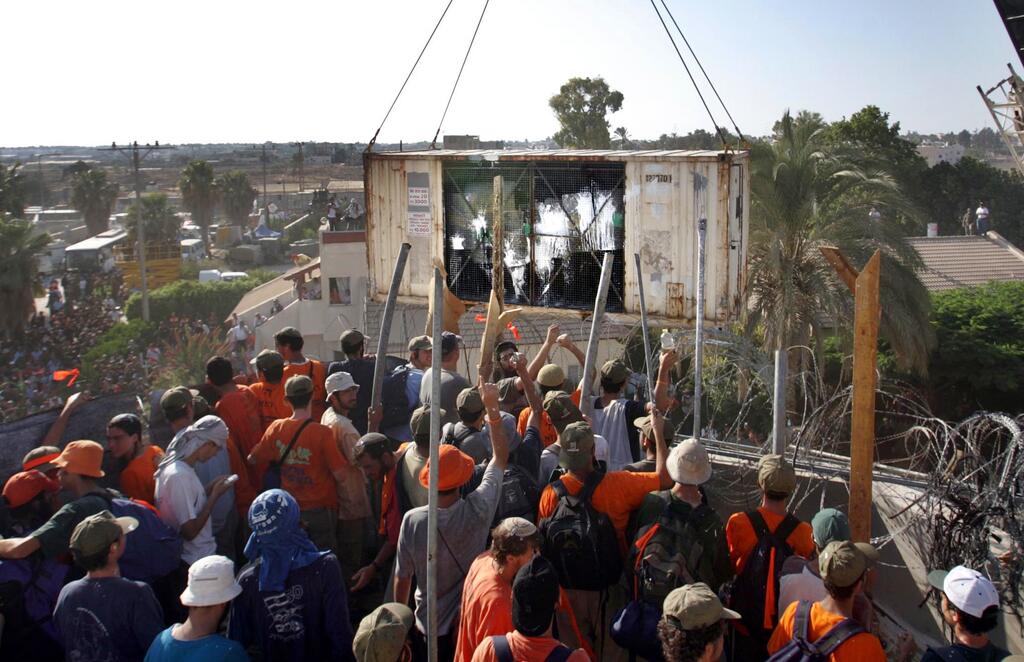
In the summer of 2005, Israel began implementing the government’s decision to unilaterally disengage from the Gaza Strip. Protests against the move were met with an assertive and, at times, sweeping crackdown from state authorities. Thousands of demonstrators, many of them minors, were arrested, and hundreds faced criminal indictments.
At the time, judicial oversight largely upheld the mass detentions and did little to protect the rights of youth detainees. As criminal law scholar Prof. Boaz Sangero later observed, “Most of those who speak loudly about freedom of speech and protest disappeared during this period, even in the face of severe violations of basic human rights.”
Yet not all institutions remained silent. The Public Defender’s Office stood firm. Adv. Inbal Rubinstein, a kibbutz member from Ashdot Yaakov—“not right-wing, to say the least,” she laughs—was then the national public defender and took up the defense of the disengagement detainees.
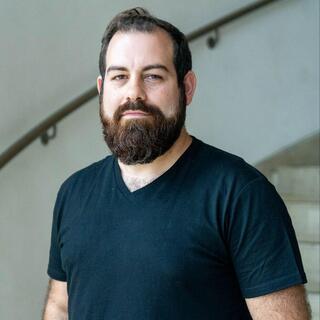
Adv. David Witztum, who at the time oversaw detention cases for the Southern District, coordinated legal efforts related to those arrests. Today, he serves as deputy district public defender in the South. Nearly two decades later, both reflect on the arrests, courtroom battles, indictments and the subsequent wave of presidential pardons.
'Overreach and legal shortcuts'
“There was mass arrest and an avalanche of indictments. We saw it as overreach,” recalls Rubinstein. “But beyond that, we saw shortcuts taken—across criminal procedure, detention law and within the indictments themselves.”
A defining moment occurred during the evacuation of Kfar Darom, a defunct Gaza Strip settlement. “The indictment listed all the minors who were present,” she explains, “but we argued there was no evidence against most of them. Serious acts of violence occurred, but by only a few individuals. The majority of the youth were not involved, and presence alone does not justify guilt under accomplice liability. That view upset many, but later, the prosecution reviewed the files and acknowledged we were right.”
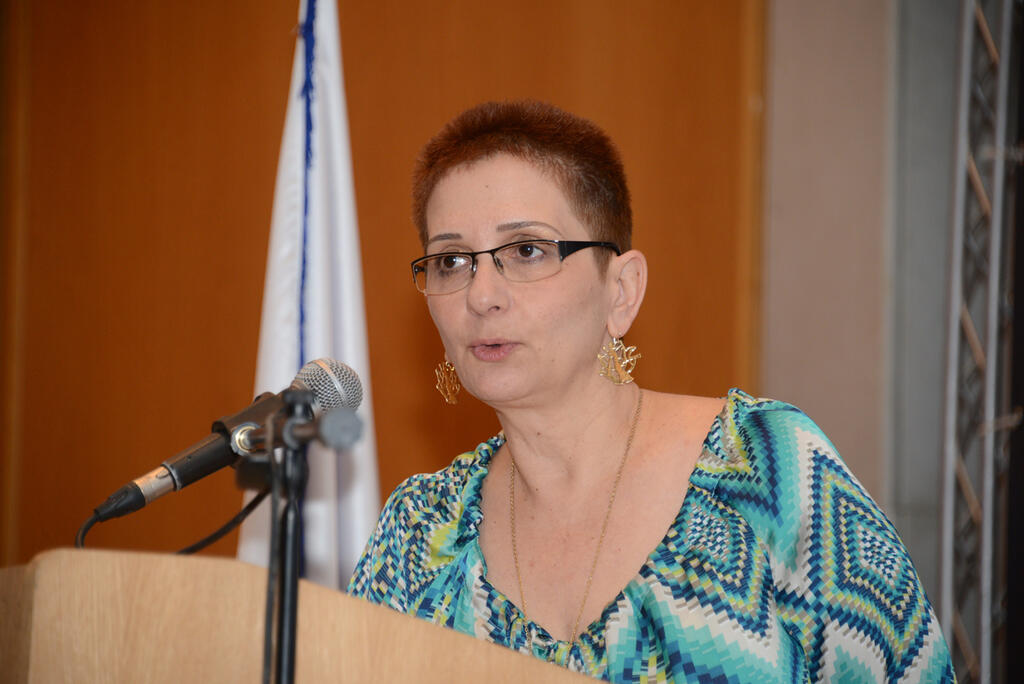
Adv. Inbal Rubinstein
(Photo: Yair Sagi)
One of the pivotal developments came when Kol Yisrael Radio reporter Amotz Shapira exposed an internal Public Defender's Office report that harshly criticized law enforcement and judicial conduct during the disengagement. The report had been authored by Adv. Avital Mold, then head of juvenile defense, now a youth court judge in Jerusalem. The court administration declined a request to interview her for this article.
“The legal treatment of disengagement detainees strengthens the perception that deterring opponents of the plan and ensuring its uninterrupted execution outweighed the basic principles of due process," the report read. "Investigative and detention authorities adopted a trigger-happy policy, backed by the courts. There is clear evidence of selective enforcement based on political affiliation. When we look back at this period, we will see a justice system unable to halt the erosion set in motion by enforcement agencies.”
Following the leak, the judiciary applied pressure on the Public Defender’s Office, and Rubinstein issued a letter distancing the office from the report’s tone. “We disavow these statements and regret their publication,” it said in a statement.
The issue reached a boiling point during a Knesset Constitution Committee hearing, where then–deputy state attorney Shai Nitzan publicly refuted the report and its findings. Rubinstein, however, stood by her team: “I do not retract the positions outlined in the document.”
Her remarks at the hearing were sharply critical: “While the law requires reasonable suspicion for detention, we saw a Supreme Court ruling on six minors that stated, ‘A mere thread of suspicion is sufficient to detain 13-year-olds for a week. Suspicious presence at the scene suffices.’ Other rulings echoed this. We witnessed pre-trial detentions approved without the courts examining any evidentiary foundation.”
“The document’s publication triggered a storm,” Rubinstein recalls. “It was an internal memo prepared ahead of an internal discussion—it was leaked, and not everyone liked its content. There was backlash. I was summoned to the Justice Ministry. I wasn’t afraid, but it wasn’t easy. That’s life in public defense. I later amended one or two of the report’s expressions publicly. But I defended the disengagement detainees vigorously, just as I once defended Marwan Barghouti. That’s the role of public defense: to be ideologically blind.”

Adv. David Witztum
(Photo: Meir Even Haim)
Adv. David Witztum, who coordinated the legal defense in the Southern District, adds: “They created an alternate judicial system.”
In anticipation of the disengagement, special courts were set up adjacent to prisons to handle detainees. The Public Defender’s Office recognized the risk early and tried to block the move. “I remember our letters to the court administration,” says Witztum. “We argued that justice cannot be removed from public life. These courts were inside prison grounds—off-limits to the press and detainees’ families. They promised shuttles from the Be’er Sheva courthouse so families could attend, but that never materialized. In effect, they built a parallel legal system to handle a political protest, violating rights in the process.”
Get the Ynetnews app on your smartphone: Google Play: https://bit.ly/4eJ37pE | Apple App Store: https://bit.ly/3ZL7iNv
On the eve of the disengagement, a law student filed a High Court petition challenging the legality of these courts. The petition claimed the courts themselves signaled to judges and the public that opponents of Prime Minister Ariel Sharon’s plan were inherently dangerous, warranting a separate judicial process. The petition was rejected after a heated hearing. That student, Itamar Ben-Gvir, is now Israel’s national security minister.
'I asked the judge—what is this?'
“I had never seen such aggressiveness around the arrest of minors,” recalls Witztum. “There were endless examples. During the evacuation of Bnei Darom, some 90 minors were brought before the special court and processed collectively, without individual evidence or requests. At one point, a representative of the prison service claimed some minors refused to appear. The judge ruled to try them in absentia.”
“I told the judge, ‘Your Honor, where are we? What is this?’” he adds. “I asked to have my clients brought in by force; I didn’t believe the prison representative. And suddenly, after my request, the representative said the minors were willing to appear. Arrests and indictments had been issued without evidence. The system spiraled—there was excessive zeal and eagerness.”
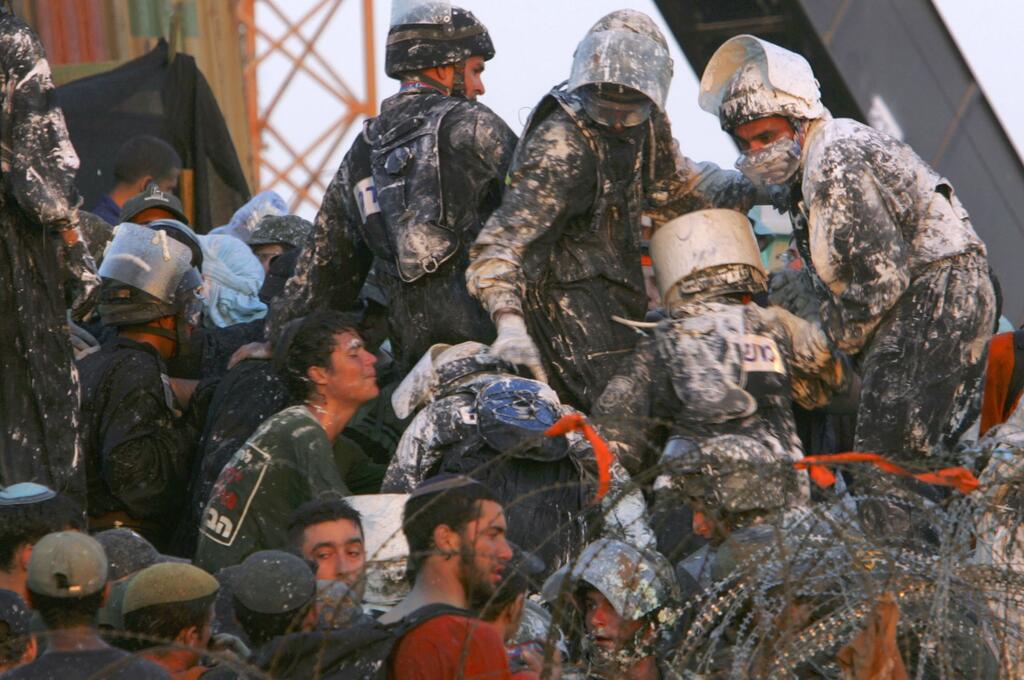
Officers in Kfar Darom
(Photo: Getty Images)
In the aftermath, the Public Defender’s Office submitted dozens of pardon requests to the president of Israel, all of which were granted. A special law was also passed, granting general amnesty to individuals prosecuted in connection with the disengagement.
“Yes, the system made mistakes,” Rubinstein reflects. “But it recovered quickly. Everyone recognized the need to correct course and to initiate a large-scale reconciliation. The Justice Ministry worked hand-in-hand with us. Even today, our society needs a similar reckoning. In a few years, we may look back and regret not having acted in time.”
Witztum concludes: “The policy at the time was fundamentally flawed and ran over people in the process. There are deep lessons to be learned. We must continue to raise a liberal voice, one that insists on civil rights and demands that every individual in the criminal justice system be treated as just that: an individual.”