


At age 44, Dr. Naama Rubinstein lined up for basic training alongside women young enough to be her students.
For two weeks at Camp 80, an IDF training base, Rubinstein — a chemistry teacher, university researcher and mother of four — completed basic training with hundreds of new recruits, many decades younger. It was a choice she made deliberately, after canceling a military exemption she received as a teenager for religious reasons and volunteering for reserve service.
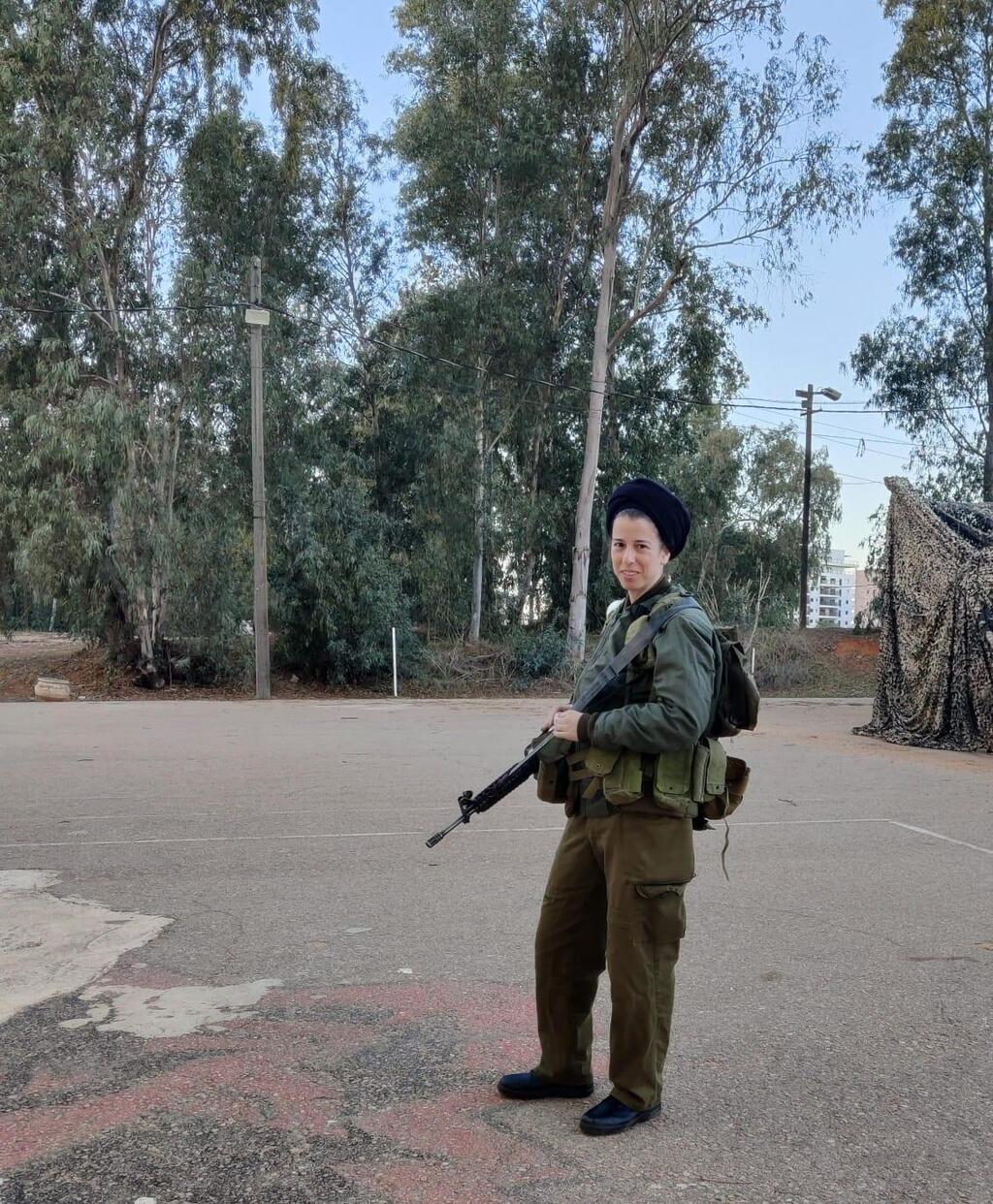
“I could have stayed with my already full routine,” Rubinstein said. “Instead, I felt I needed to do more.”
Rubinstein, who lives in the West Bank settlement of Peduel, holds a doctorate in chemistry and works as a researcher at Tel Aviv University. She also lectures at universities and colleges and teaches high school chemistry at the Ort Shomron girls’ religious high school.
She said she chose teaching after recognizing a growing shortage of science educators, even though some questioned the move.
“When I decided to teach high school, people told me, ‘You’re wasting yourself,’” she said. “I see it as a mission. I’m helping raise the next generation of women scientists.”
Beyond the lab and classroom, Rubinstein has taken on another unexpected role. She is a licensed snake catcher certified by Israel’s Nature and Parks Authority and has safely removed dozens of snakes from nearby communities.
“I’ve never been afraid of snakes,” she said. “I’ve always liked them. I realized I could help people who are terrified.”
She said the most important part of the job often comes after the capture — calming residents and explaining that snakes generally want to escape homes just as much as people want them gone.
Earlier this year, Rubinstein added yet another responsibility. She enlisted through “Phase B Recruitment,” an IDF program allowing people who were previously exempt to serve during wartime. After completing basic training, she contacted several units on her own initiative and now serves as a corporal in a role that draws on her scientific expertise.
“At 18, I should have enlisted,” she said. “National service didn’t feel meaningful enough for me. I always felt I could have contributed more in the army.”
Military service is a family affair. Her husband is a reserve officer who has logged more than 200 days of service with the Home Front Command since the war began. All of her brothers serve in the reserves, her 70-year-old father continues to volunteer and her eldest daughter, a high school senior, is set to enlist soon.
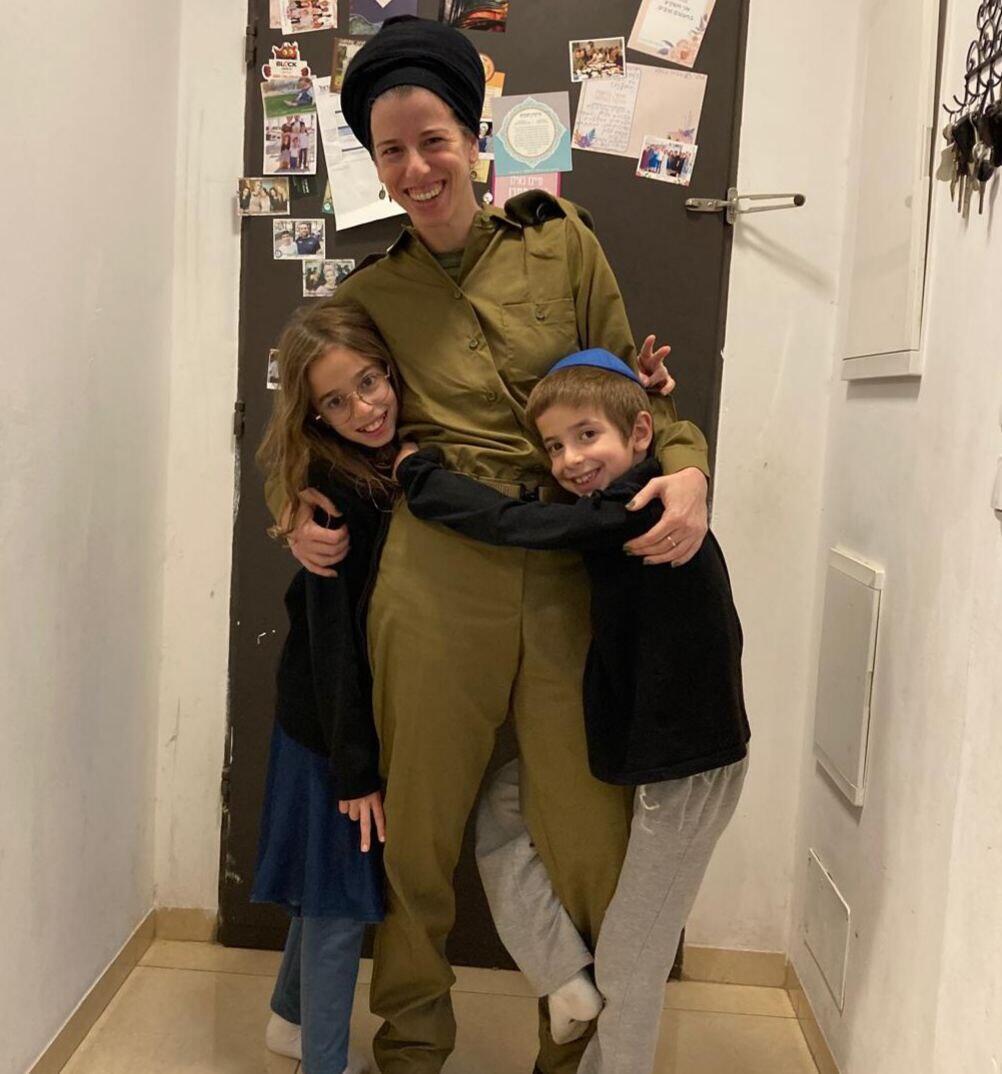
Rubinstein serves one fixed day a week in the reserves — including her only day off — while balancing research, teaching and parenting children ages 9 to 18. She credits extended family and a supportive community for making it possible.
Her school has also backed her service. Rubinstein said colleagues have approached her to ask about joining the Phase B program themselves.
But she says the impact she cares about most is on her students.
“When girls see a teacher who combines a career, family and reserve service, they’re exposed to a different model of leadership and responsibility,” she said. “I want them to understand they don’t have to limit themselves to standard paths.”
Some of her students choose national service, others enlist in the military, she said. “What matters is that everyone contributes in her own way.”
Raz Frohlich, CEO of the Ort education network, said Rubinstein represents a broader trend.
“Over the past two years, hundreds of our teachers have served in the reserves, accumulating about 70,000 days of service,” he said. “A teacher going to reserve duty is the best civics lesson we can give our students.”
For Rubinstein, the lesson is personal.
“I saw a need in my community and became a snake catcher,” she said. “I saw a need in the country and enlisted. I hope my students learn to keep their eyes open, their hearts open and not be afraid of adventure.”