

When entrepreneur Noam Ruimi, 33, entered a sex toy website for the first time, she felt deep embarrassment.
“It was a strange experience,” she recalls. “I remember talking to my husband about it and doing it together with him, and still feeling the need to hide my phone so he wouldn’t see what I was looking at. There was a huge dissonance.”
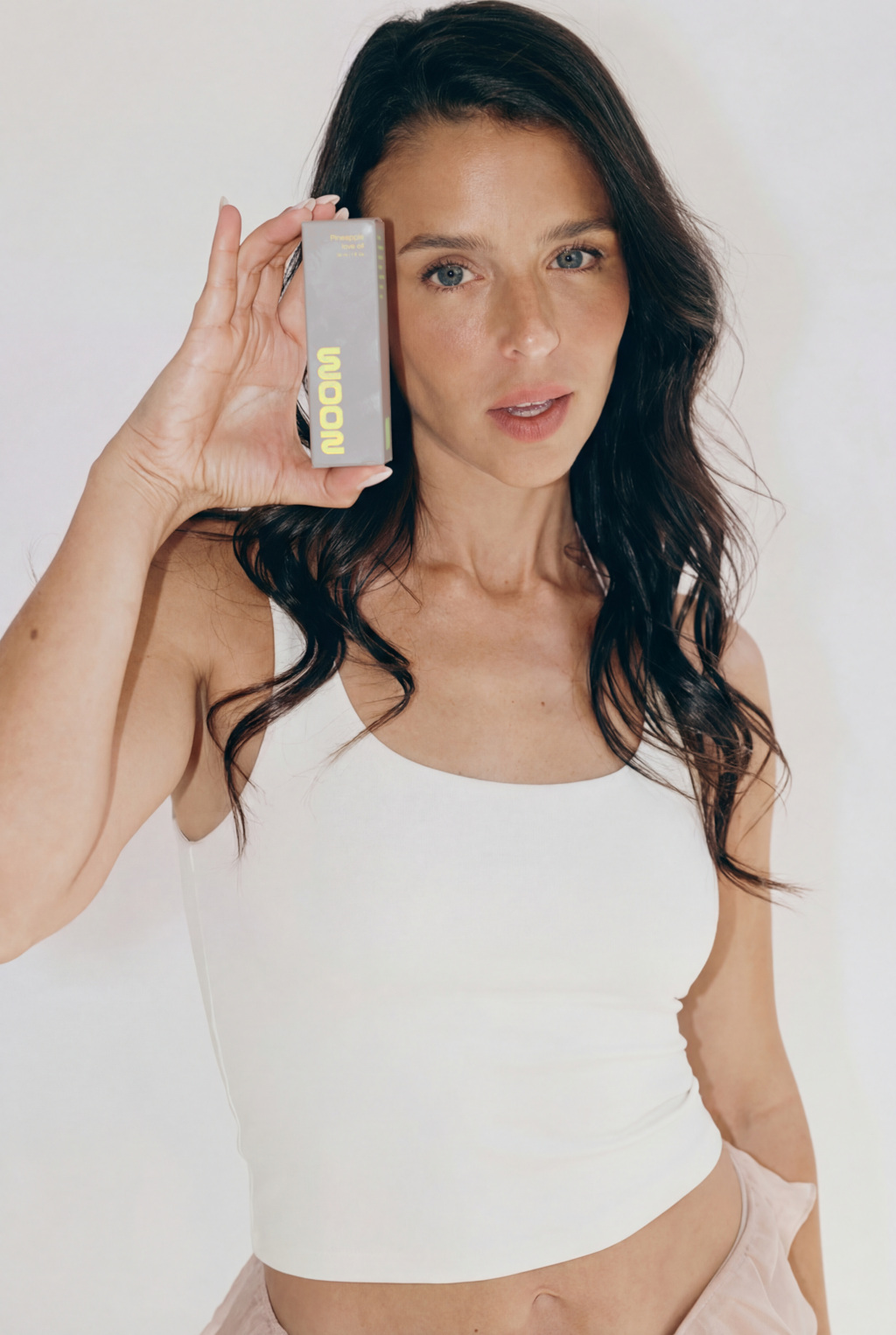
A few days earlier, the couple had decided to try incorporating a sex toy into their relationship. Ruimi was excited by how open they had become with each other, but the purchasing process was anything but sexy.
“I didn’t feel comfortable at all. The site made me uneasy. Everything looked very cheap and unpleasant to the eye. As a woman who enjoys shopping and enjoys the experience, here I didn’t enjoy anything. When I finished the purchase, I couldn’t understand how I had just spent $300 on something that was supposed to excite me, when in reality it wasn’t fun and I wasn’t excited. That feeling really stayed with me.”
Ruimi met her husband, Yonatan, when she was just 16. “My friends told me I had to meet him, that he was exactly my type, and his friends told him the same about me.” He “poked” her on Facebook, she laughed, and a successful first date followed.
“The first second I met him, I knew he was going to be my husband,” she says, her eyes lighting up. It did not happen immediately. The two broke up after a few months and reunited only after high school, when she was 20.
More than 13 years have passed since their reunion. They moved to Los Angeles and lived there during the COVID-19 pandemic, where they first experienced that uncomfortable online purchase.
“During COVID, because everything was closed and more boring than usual, I found myself listening to podcasts. At the time I also wanted to get pregnant, so I got into a lot of podcasts about fertility, sexuality and health,” she says.
“It was like in the movies. I felt like a coconut fell on my head. I had an epiphany. Suddenly I saw everything. I saw Noom coming to life. The first sentence that came out of my mouth was, ‘Oh my God, babe, I’m going to be the Dior of sex.’”
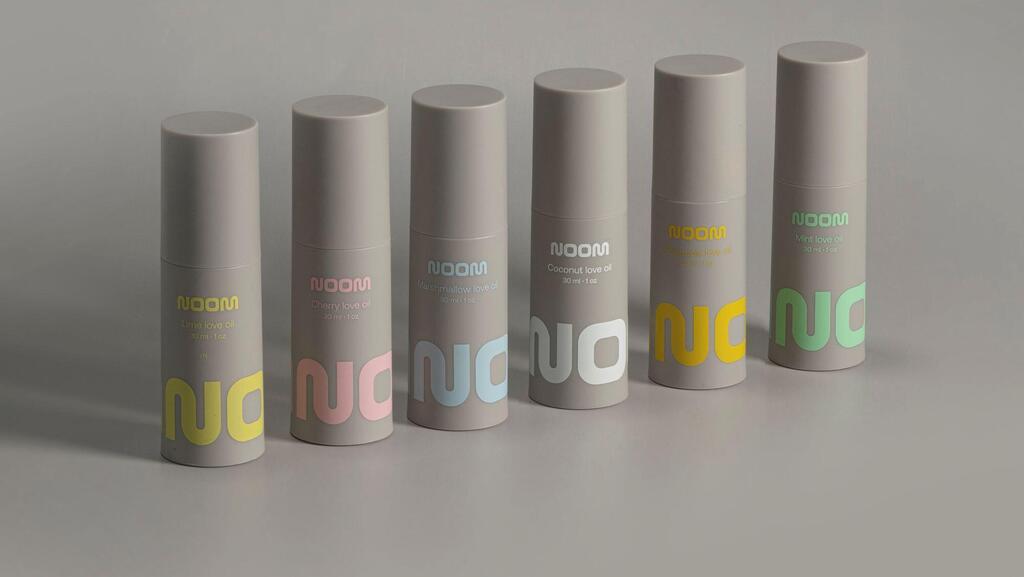
Noom’s lubricants, Ruimi insisted on manufacturing everything in Israel
(Photo: Keith Glicksman)
Around that time she also began researching lubricants.
“I had been on birth control pills since age 16 due to polycystic ovary syndrome, long before I was sexually active. I didn’t understand the hormonal impact, especially after taking it for 11 years straight. In hindsight, I wasn’t aware of how it affected me in terms of dryness and libido. It really shut me down.”
Stopping the pills and exploring lubricants, together and alone, led to what she describes as a profound shift.
“It changed how I saw myself and the connection between my husband and me. After so many years together, suddenly adding a ‘small thing’ like lubricant to the bedroom really affected us. It changed our relationship.”
A few months later, Ruimi became pregnant with twins. The couple returned to Israel. She endured a complicated pregnancy, delivered at week 29 and now calls her children “the miracle of my life.”
After more than a year as a full-time mother, she decided it was time to return to work. Before moving to Los Angeles, she had worked as a product designer in high-tech. This time, she knew she wanted to be independent.

'I’m going to be the Dior of sex'
On a summer trip to Italy, the idea crystallized.
“I saw it clearly,” she says. “I’m going to launch a sexual wellness brand for women that will change the branding of the entire sex world. A brand with beautiful products you can place on your bedside table. Products you don’t need to hide in a drawer. A beautiful website you can scroll through anywhere without fear that someone behind you will see. A brand that looks like beauty, like skincare. I’ll have skincare for sex.”
Why start with lubricant?
“First of all, lubricant has a medical need. I can understand women who would buy lubricant but not a vibrator. If I truly want to create change, it has to start with something more ‘usable.’ The toys can come later.”
Back in Israel, Ruimi began contacting factories. One after another rejected her.
“They all told me, ‘We don’t work with private label, you’re too small.’”
She persisted. It took nearly a year to reach the right formula.
“The texture wasn’t right. The taste wasn’t good. It changed too drastically in heat and cold. I told myself, either I’ll have the best lubricant in the world, or this won’t happen.”
Eventually, she approved a formula. Early testers gave glowing feedback.
She named the brand Noom, a childhood nickname used by her nephew. The products are sleekly designed and priced accordingly. Manufacturing in Israel was nonnegotiable.
“I produce locally and work only with Israeli suppliers. It’s expensive and challenging, but it’s worth it. I wouldn’t want to apply something to my intimate areas that’s made in China without proper oversight. When we finalized the formula, the factory called to say it was very expensive and asked if I wanted cheaper alternatives. I refused. I wanted a premium brand.”
Her parents supported her from the beginning.
“My father always raised me to be independent, to be my own boss,” she says. “When I told him I was starting a business related to sexuality and female intimacy, he said, ‘That’s enough for me.’ He trusted me.”
But beyond her immediate family, reactions were mixed.
“Before launch, I got a lot of positive feedback. After the brand went live, I realized there was a lot of gossip. Not constructive criticism about the product, but talk about the fact that I speak openly about sexuality. ‘Doesn’t it bother her husband?’ ‘How is she not ashamed?’”
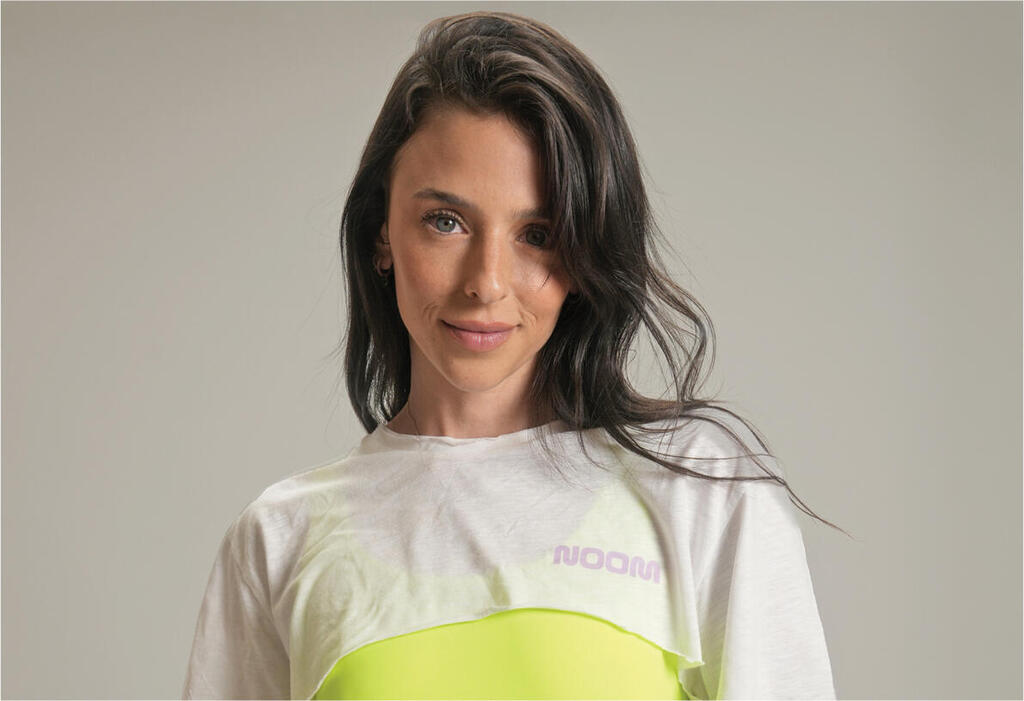
'I was shocked. I saw girls posting lubricant on their Instagram stories'
(Photo: Or Rosenberg)
She decided to become the face of the brand.
“At first I didn’t plan to, but I understood that a brand aiming to change the conversation around female sexuality cannot hide behind a logo. I didn’t have a budget for influencers, so I started filming videos myself.”
The authenticity brought traffic and sales, but also backlash.
“I remember people accidentally sending me my own videos with messages meant for someone else, like, ‘Did you see the comments?’ or ‘How is she not embarrassed?’ Some asked my husband if it bothered him. There were even rumors about whether I had an OnlyFans account or was a porn star.”
She shrugs.
“People love to talk. I know who I am. The only approval I need in this life is my husband’s.”
The hardest part, she says, was when friends who had seemed supportive disappeared during the first year, when she needed help most.
“I would ask friends to follow the page, like a post, comment to boost the algorithm, and they would ignore it. Today, some of those same people tell me they’re my biggest marketers and ask for samples.”
Instagram also proved challenging. Posts and ads were repeatedly blocked.
“I didn’t understand the world I was entering. We look open as a society, but we’re not. I was blocked constantly. Meta even blocked my domain last year. It was one of the hardest months in my business. But with every block, I learned. Now I know how to create content that raises awareness without triggering the algorithm.”
What keeps her going are the messages from customers.
“Every morning I open my laptop and read the reviews. That’s my fuel,” she says. “I get messages from couples together for years who say the oil brought them back to their single days. From women who say it helped them enjoy intimacy. From women suffering dryness or pain who say it changed their lives.”
Many of her customers, she notes, had never used lubricant or sex products before.
“They tell me the branding and the conversation opened them up to try something new and feel comfortable exploring their sexuality. That, to me, is the real change.”