

Omri Miran, who was released after 738 days in captivity in Gaza, will lead one of more than 450 gatherings planned across Israel in early October where people directly affected by the October 7 massacre will tell their stories.
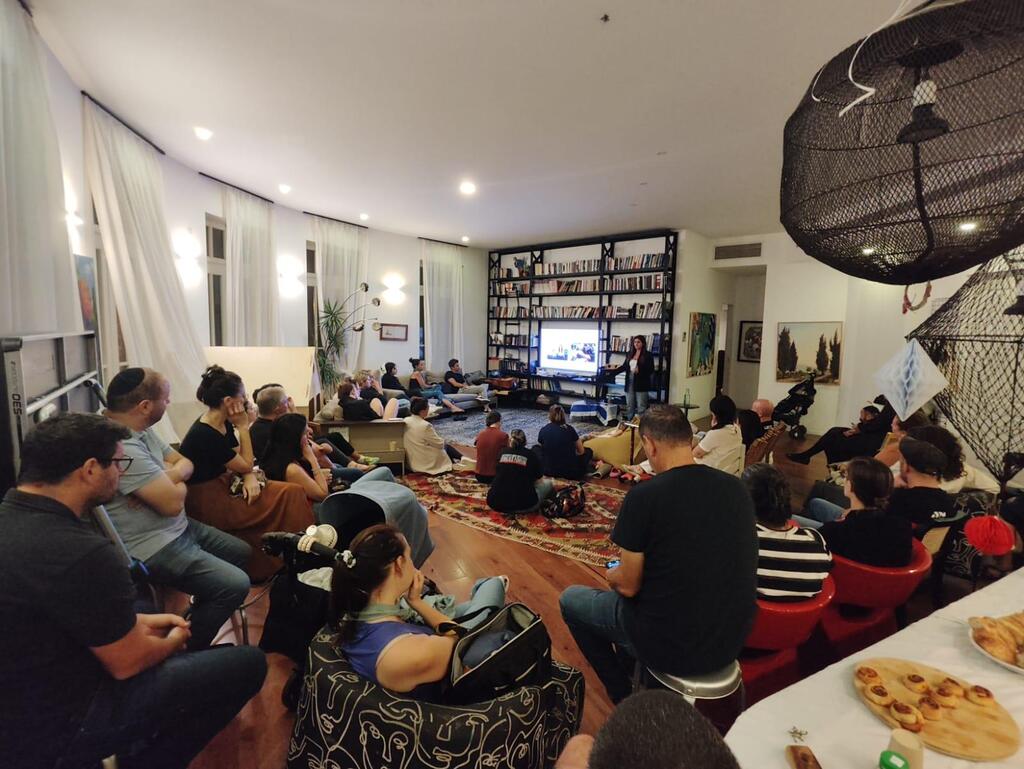
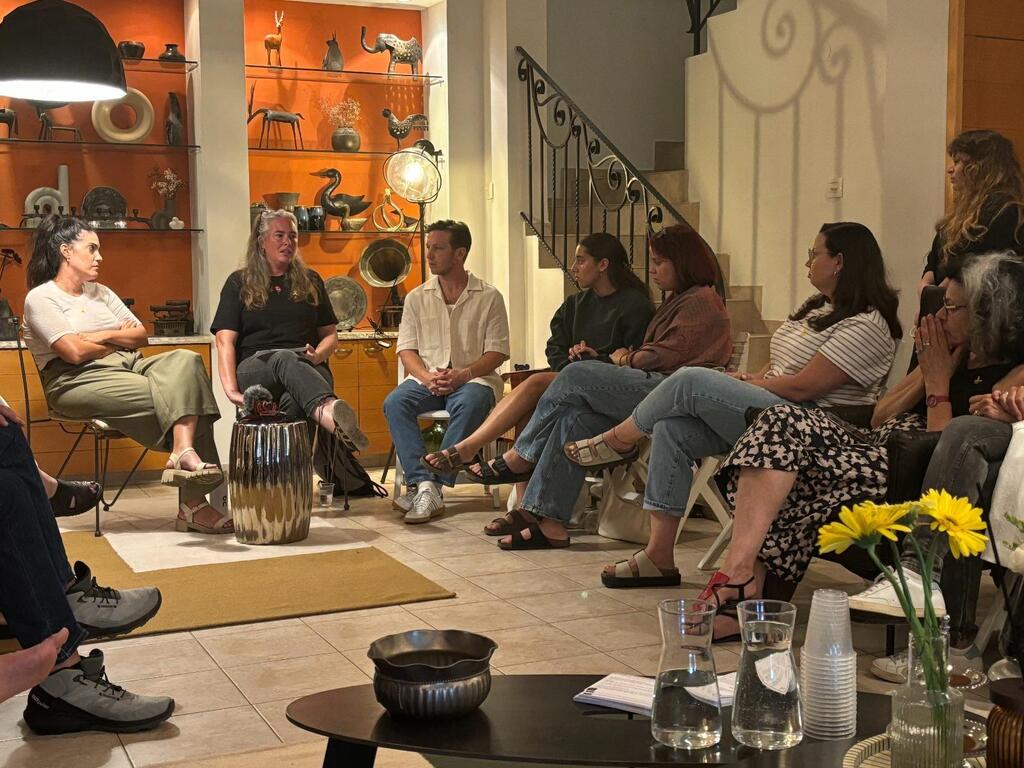
The gatherings are part of “Salon Otef,” an initiative launched in 2024 that brings returned hostages, hostage relatives, massacre survivors, bereaved families and members of the security and rescue forces into homes, community centers, workplaces and other venues to speak about what they experienced.
(Photo: Salon Otef)
“To understand what happened to us on October 7 and what the hostages and their families have endured since then, we need to hear the stories firsthand from those who lived through them,” Miran said.
“The hundreds of gatherings taking place across the country allow these stories to pass from person to person and from home to home,” he added. “I see passing these stories on to the public as a whole and to the younger generation as an immensely important national mission, a life mission.”
Thousands of people are expected to attend this year’s events. Alongside testimony about October 7 itself, speakers will also discuss the years that followed, including bereavement, rehabilitation, returning home and efforts to rebuild their lives.
At each gathering, the speaker tells his or her story at their own pace before an open discussion with those attending. Some events also include music or singing.
Mor Peretz, CEO of 255, the Hostages and Families Organization, which is leading the initiative, said the accounts should remain in the hands of those who experienced the events themselves.
“The story of October 7 should first and foremost be told by those who were there and experienced it firsthand,” Peretz said. “They are the ones who should make their voices heard, describe what they saw and endured, and ensure that the story is written through their testimony.”
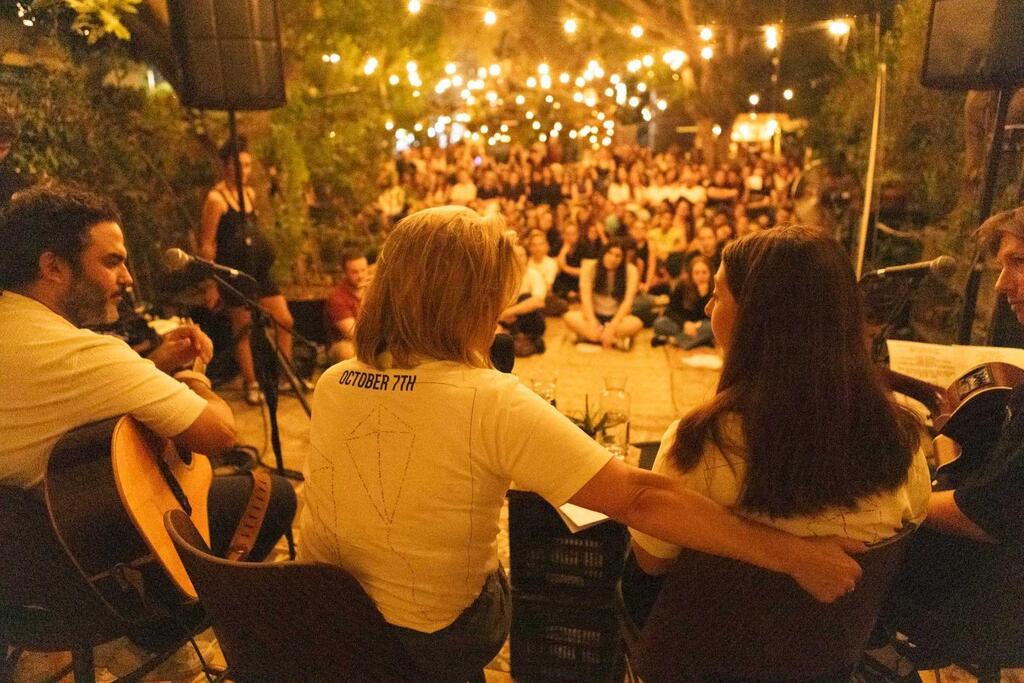
(Photo: Salon Otef)
“The more these testimonies are heard and resonate in more homes and among more people, the better we can preserve the story as it was experienced by those who were there,” she said.
The project also includes participation from Atid LaOtef, the Nova Tribe Community Association, Edut 710, Kumu, the Kibbutz Movement and other organizations. Keren Kayemeth LeIsrael-Jewish National Fund and the Konrad Adenauer Foundation are supporting the initiative.
Eyal Ostrinsky, chairman of KKL-JNF, said the anniversary should focus not only on what happened on October 7 but also on those still living with its consequences.
“Three years after October 7, our responsibility is not only to remember what happened that day, but also to listen to the people who carry with them what they experienced on that terrible day and what they have endured ever since,” he said.
“The direct encounters created through ‘Salon Otef’ provide an opportunity to hear their testimonies and understand the ongoing challenges involved in recovery and rebuilding.”