


Capt. Haim Shaham has seen nearly everything at sea. A graduate of Israel’s maritime officers school in Acre, he served in the navy before building a long career in the merchant fleet and later holding senior management roles at shipping giant Zim.
Now, as global attention turns to the Strait of Hormuz, Shaham warns that Iran’s reported attempts to extract payments from passing vessels could reshape the rules of international shipping.
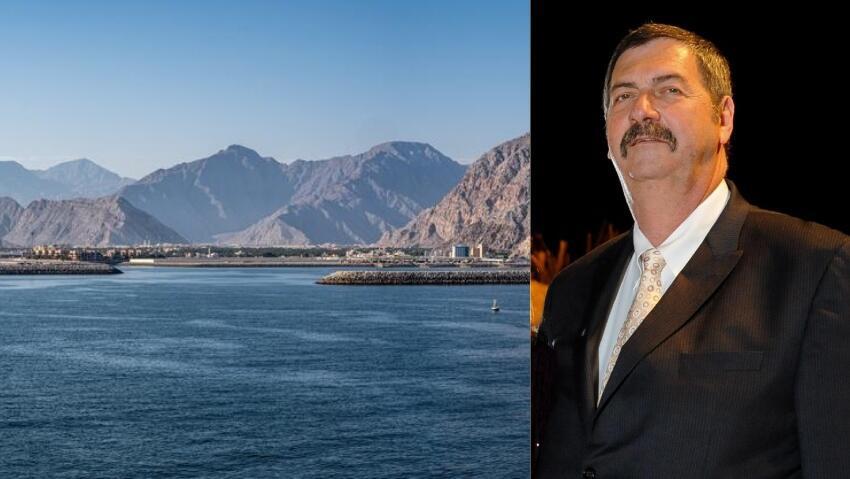
“These are international waters, and we used to sail there without any problems,” Shaham said. “We would load crude oil and transport it, and no one tried to stop us.”
The narrow maritime passage between the Persian Gulf and the Gulf of Oman has become a flashpoint as global economic interests collide in a single strategic corridor.
According to Shaham, the greatest danger lies in setting a precedent. “If one country starts claiming control over a passage and demanding payment, others may follow,” he said, drawing comparisons to canals such as Panama and Suez, where tolls are standard because they are sovereign-controlled routes.
“A strait is different,” he said. “It’s international. Ships pass through places like Gibraltar without paying anyone. Now the Iranians are trying to extract payments, but it’s unclear on what basis. They don’t provide services or actually control the strait. Under maritime law, you don’t need permission to pass.”
He warned that if Iran succeeds, it could embolden other actors, including the Houthis, to assert control over key chokepoints such as the Bab el-Mandeb strait, potentially disrupting global trade routes.
“This is exactly why the move must not be allowed,” Shaham said. “Iran has economic problems, but global shipping should not pay the price.”
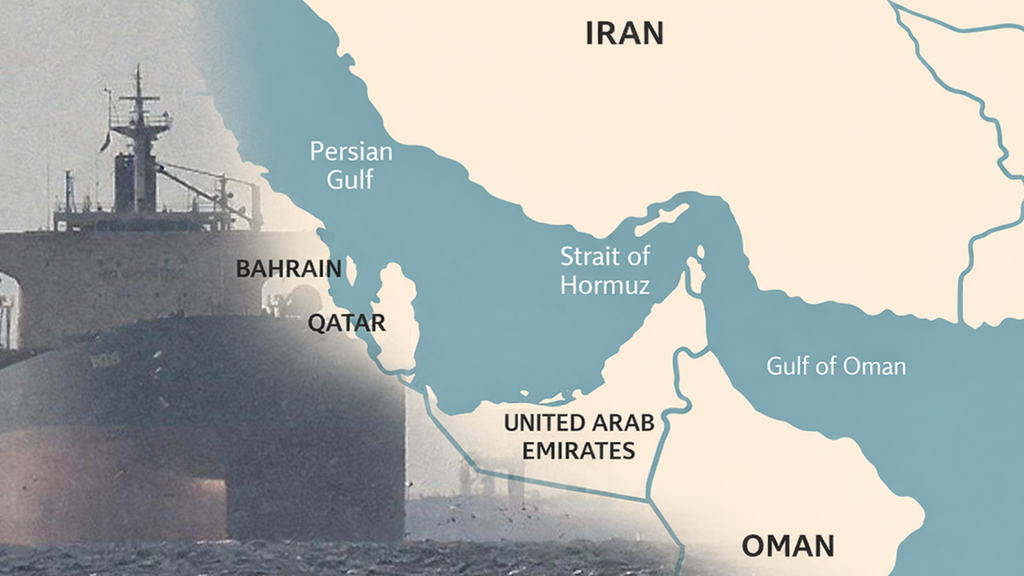
Strait of Hormuz
(Photo:)
Shaham argues that the United States must intervene to maintain freedom of navigation. “In my view, the United States is the world’s policeman, and this is exactly its role, to show Iran that Hormuz does not belong to them.”
Beyond the geopolitical stakes, Shaham described the day-to-day reality for civilian crews navigating the region during heightened tensions.
“It’s a serious problem,” he said. “Sailors are used to being at sea, but when you don’t know what you’re heading into, it creates psychological pressure. I’ve sailed during periods like the Yom Kippur War, and the crew becomes uneasy. Discipline can slip, and it’s harder to maintain normal operations.”
Commercial vessels may be forced to wait at sea if access to the strait is disrupted, taking instructions from ship owners while remaining in open waters.
“It’s not like someone locks a gate,” Shaham said. “Ships wait for orders. Some are closer to the passage and more exposed. You can wait a few days, fish, even barbecue on deck, but over time it becomes stressful.”
Security risks also remain a concern. With military vessels operating in the area and the threat of naval mines, even routine transit can become dangerous.
“There are warships there, and the Americans have deployed a significant part of their fleet,” he said. “A Chinese tanker passed through recently, and its crew must have been under real tension, not knowing whether they might hit a mine.”
Shaham noted that modern merchant crews are largely composed of Indian and Filipino sailors, with Israeli seafarers now rare, though some Israeli captains remain active.
The ongoing tensions have also taken a toll on regional infrastructure. The Port of Eilat, already in decline, has been severely impacted by disruptions in shipping routes linked to attacks by Iranian-backed Houthi forces in the Bab el-Mandeb.
“Even before the war, the port was struggling,” Shaham said. “Over time, more ships from the Far East began using the Suez Canal to reach the Mediterranean and Europe, reducing the need for Eilat. Environmental concerns over oil transport have also played a role.”
In recent years, Shaham has turned to writing, publishing three books based on real events from his decades at sea.
“These are true stories, not about me personally, but about what happened on the ships I served on,” he said.