

Aida Hayeb-Khalayleh, Israel’s first Bedouin woman to become a medical doctor, says she always knew she was different.
“Ever since I can remember, I’ve been curious, independent and did things my own way,” said Hayeb-Khalayleh, 48, a pediatric neurologist specializing in epilepsy. “No one tells me what to do, how to dress or how many children to have.”
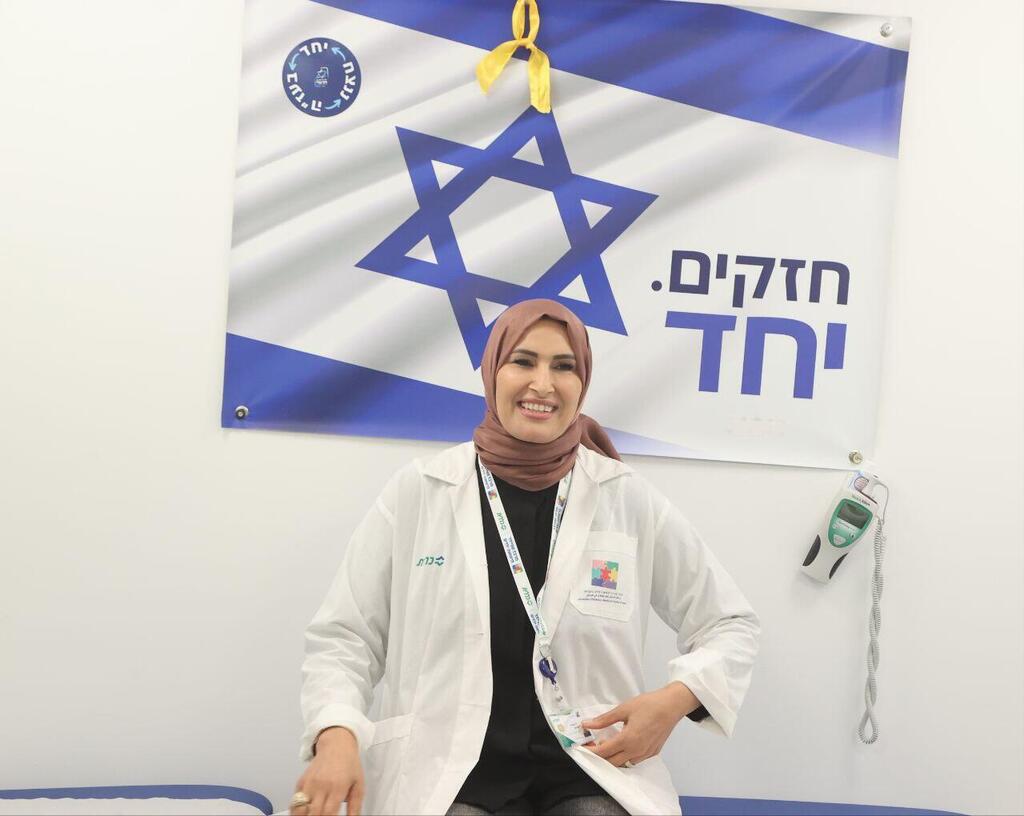
Born in the northern Bedouin village of Tuba-Zangariyye, Hayeb-Khalayleh is the ninth of ten children. She now lives in Akbara, a village within the municipal boundaries of Safed and works at Schneider Children’s Hospital and Clalit Health Services in northern Israel. She is married to a family doctor and has two children.
Her path to medicine began in childhood, when she would watch a visiting nurse care for patients in her village. “I wanted to be like Rachel the nurse,” she said. Her world expanded in middle school when she was sent to study in the nearby town of Rameh, where she met classmates from different faiths and cultures.
By 11th grade, she knew she wanted to be a doctor. At 18, she found a program offering medical studies abroad and applied without informing her family. When she finally told them, their reaction was severe. One of her brothers threatened to kill her and dispose of her body in the Jordan River.
“They said, ‘What shame you’re bringing on us. A Bedouin girl going abroad alone? Who’s heard of such a thing?’” she said.
In a society where a woman’s expected path is to farm, marry and raise children, her decision to study medicine defied tradition. “That wasn’t my way,” she said. “I wasn’t interested in being a housewife.”
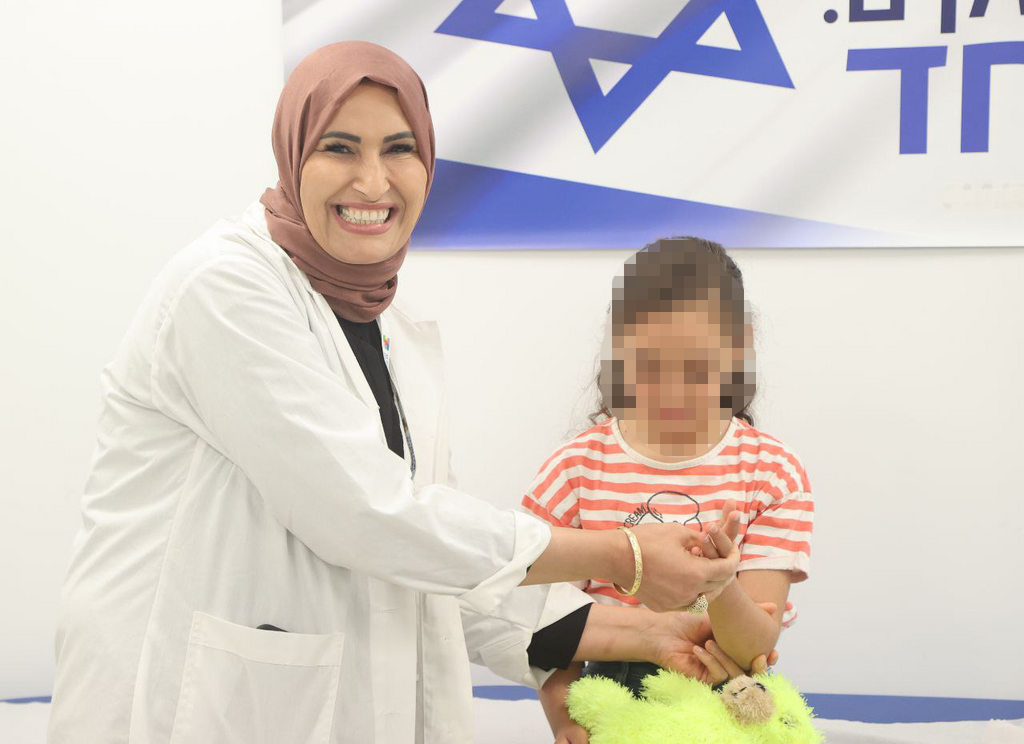
(Photo: Moti Kimchi)
She joined 14 other Arab Israeli students and traveled to Ukraine for a preparatory year in Russian and physics. She was later accepted to a top medical school in Moscow, where classes were conducted in Russian using Cyrillic textbooks and exams were oral. Her parents eventually funded her studies.
“I cried a lot during that first year,” she said. “I was overwhelmed, but I didn’t tell my parents.”
Each summer, she returned home to work in the fields and help around the house. “They made no exceptions,” she said. “But at least they didn’t pressure me to marry—even though I came back at 24 and a half, which in Bedouin society is considered an old maid.”
Even after earning her degree, her family did not celebrate her accomplishments. “They thought I was crazy for going abroad and didn’t value the degree because I was still single,” she said.
That changed after she passed Israel’s licensing exams and registered with the Health Ministry. Her family hosted a celebration with 400 guests. “It was finally something they could be proud of,” she said, “even if people still whispered, ‘Doctor or not, she didn’t marry.’”
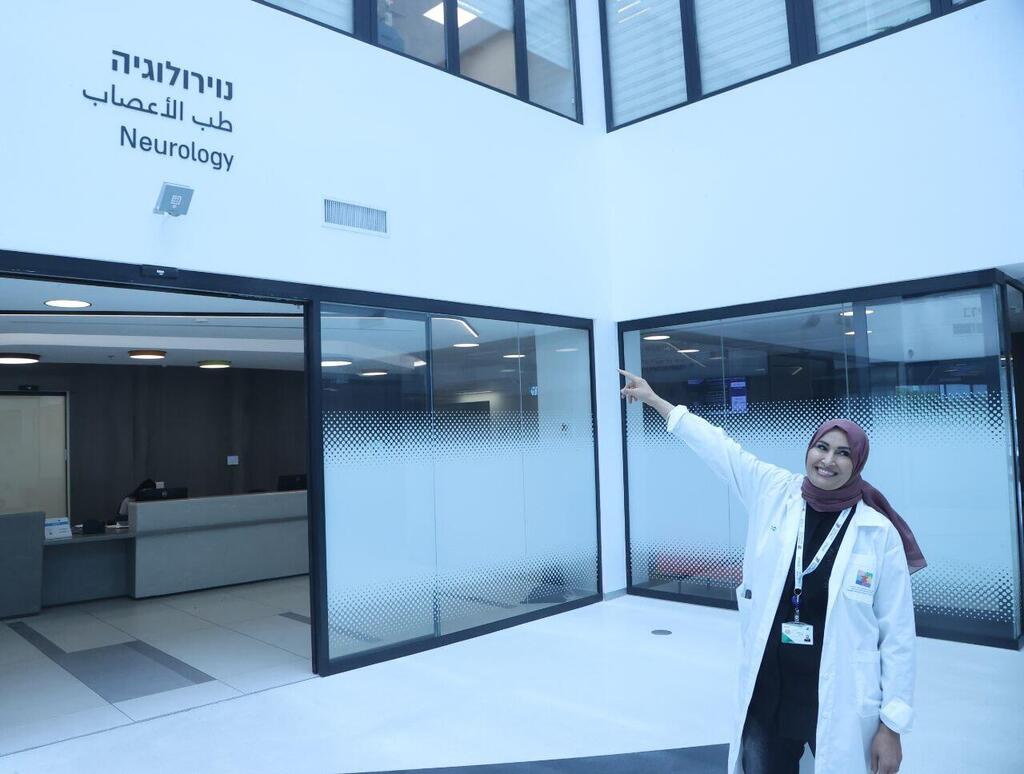
(Photo: Moti Kimchi)
As she began her medical residency, pressure to marry mounted. But Hayeb-Khalayleh said she had no intention of living under restrictions. “I was used to my freedom. I couldn’t live with someone who would control me.”
She met her husband, a non-Bedouin Muslim physician, during her residency at Poriya Medical Center. “He understood me. He accepted that I work night shifts, attend conferences and sometimes sleep outside the home. I told him I’m not the homemaker type.”
They married, and she moved to his village. “My family didn’t care who he was,” she said. “They just wanted me to marry.”
Get the Ynetnews app on your smartphone: Google Play: https://bit.ly/4eJ37pE | Apple App Store: https://bit.ly/3ZL7iNv
She later completed a pediatric residency at Ziv Medical Center. Her fluent Russian often surprised immigrant families she treated. After the birth of their daughter, she returned to work just three months later. “I went stir-crazy during maternity leave,” she said. “Thanks to my husband’s family, I could keep working.”
She now raises her children with the same spirit of independence that defined her own life.
At 42, Hayeb-Khalayleh began wearing a hijab. “I realized how much I’d been through. I wanted to thank God for helping me overcome it all,” she said. “Wearing the hijab is my way of showing gratitude—even if my husband and kids laugh. I don’t care. I’ve always done what I believe in.”