

My romance with the world of sake began 12 years ago. I was working as a waiter at Thai House in Tel Aviv when I first tasted the Japanese “rice wine” produced by Shirataki Sake Brewery. It was love at first sight, or more accurately, at first sip.
There was something intoxicating about the combination of an exotic drink from the other side of the world, elegant flavors and fruity and floral aromas. It blew my mind. It was as far removed as possible from the grain of rice I had known until then.
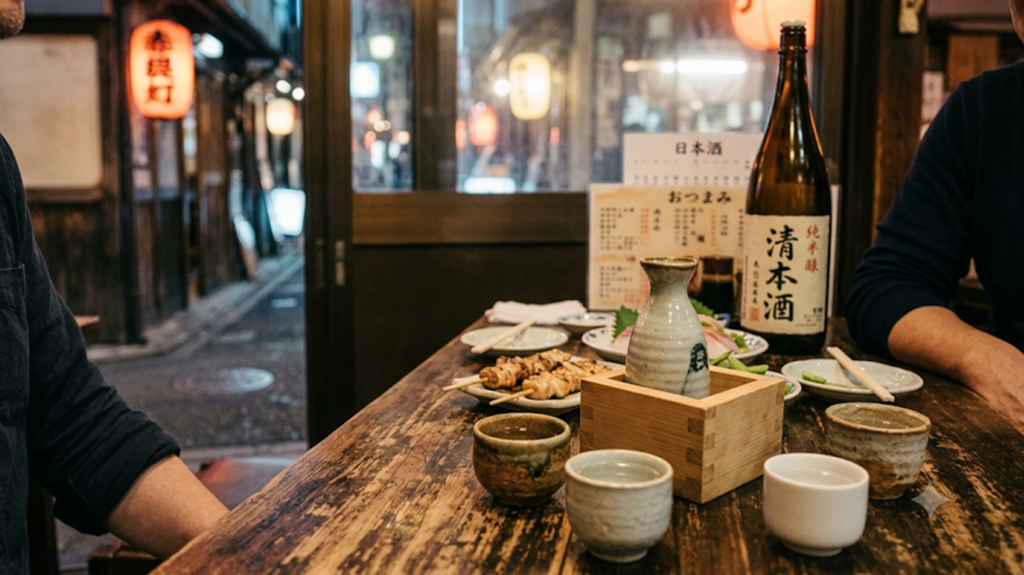
So when an official invitation arrived from Japan’s Agriculture Ministry to join a group of restaurateurs on a journey through producers and breweries in the northern prefectures of Niigata and Gunma, I did not hesitate.
That was especially true when I learned that our first stop would be Shirataki, the very brewery that had introduced me to sake. It was also one of the breweries behind the major transformation that elevated sake from a cheap, simple and everyday drink to one served in some of the world’s finest restaurants.
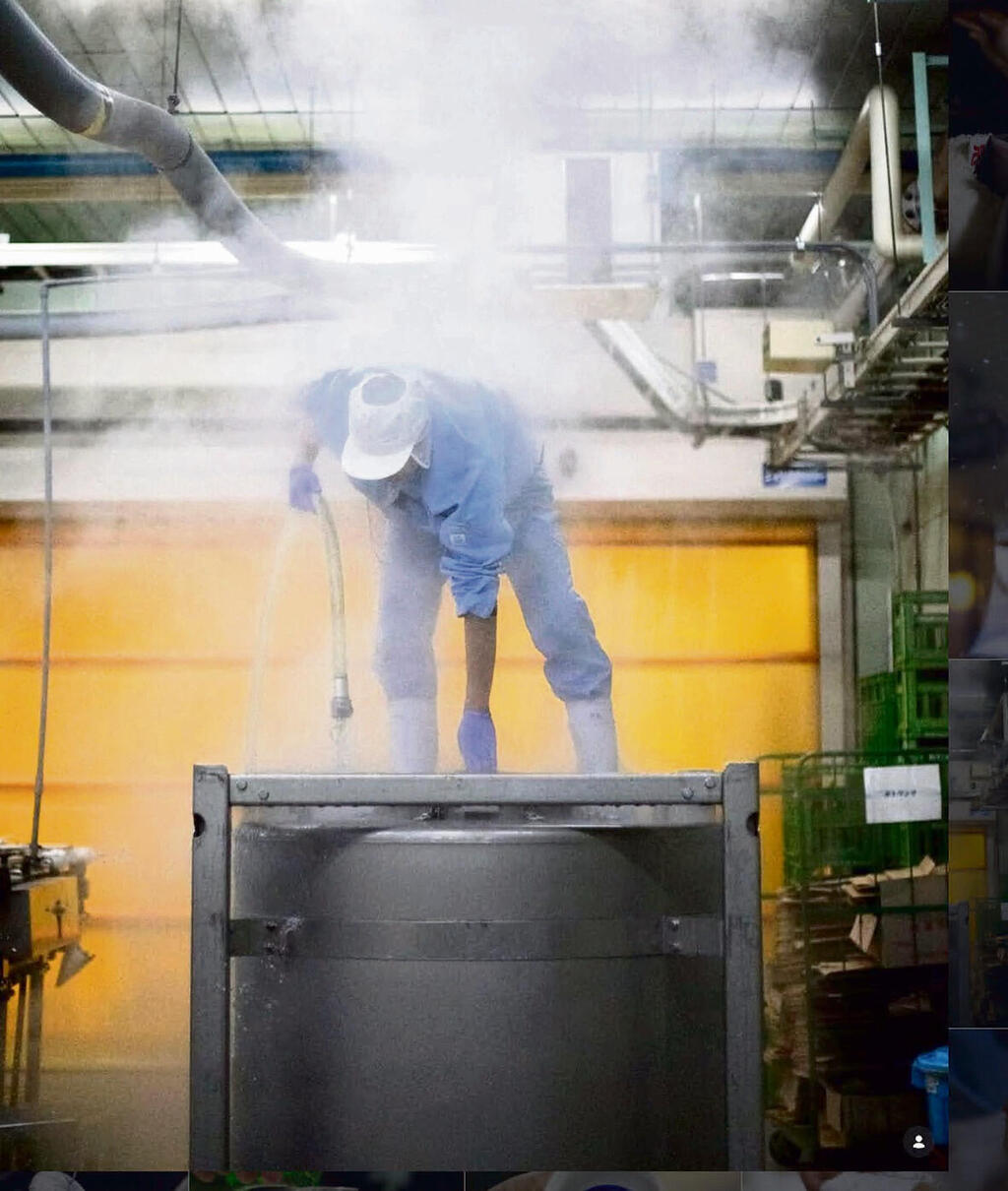
Shirataki Sake Brewery
(Photo: hijiri_sake)
First, what exactly is sake?
Japan’s national drink, often referred to as “rice wine,” is one of the world’s oldest fermented beverages, with a history stretching back more than 1,000 years.
Over the centuries, it acquired an almost sacred place in Japanese culture. Beyond offering enjoyment and release in izakayas after a long day at work, it became part of religious ceremonies and a symbol of purity, abundance and connection to nature.
In recent decades, sake has undergone a dramatic international revival. A new generation of breweries and toji, the master brewers responsible for production, are combining ancient tradition with modern technology. The result is that a traditional drink once largely reserved for the domestic market has become a complex gastronomic product with a wide range of styles, much like wine.
Sake production is unique and begins with large, specially cultivated rice grains that undergo careful polishing. The more of the grain’s outer layer is removed, the cleaner and more delicate the final drink becomes.
Water quality is also crucial, as water makes up about 80% of sake. But the true secret lies in koji, a cultivated mold that breaks the starch in the rice down into sugars that can then ferment. Yeast then converts those sugars into alcohol. With that, we return to Japan and our first stop, Shirataki.
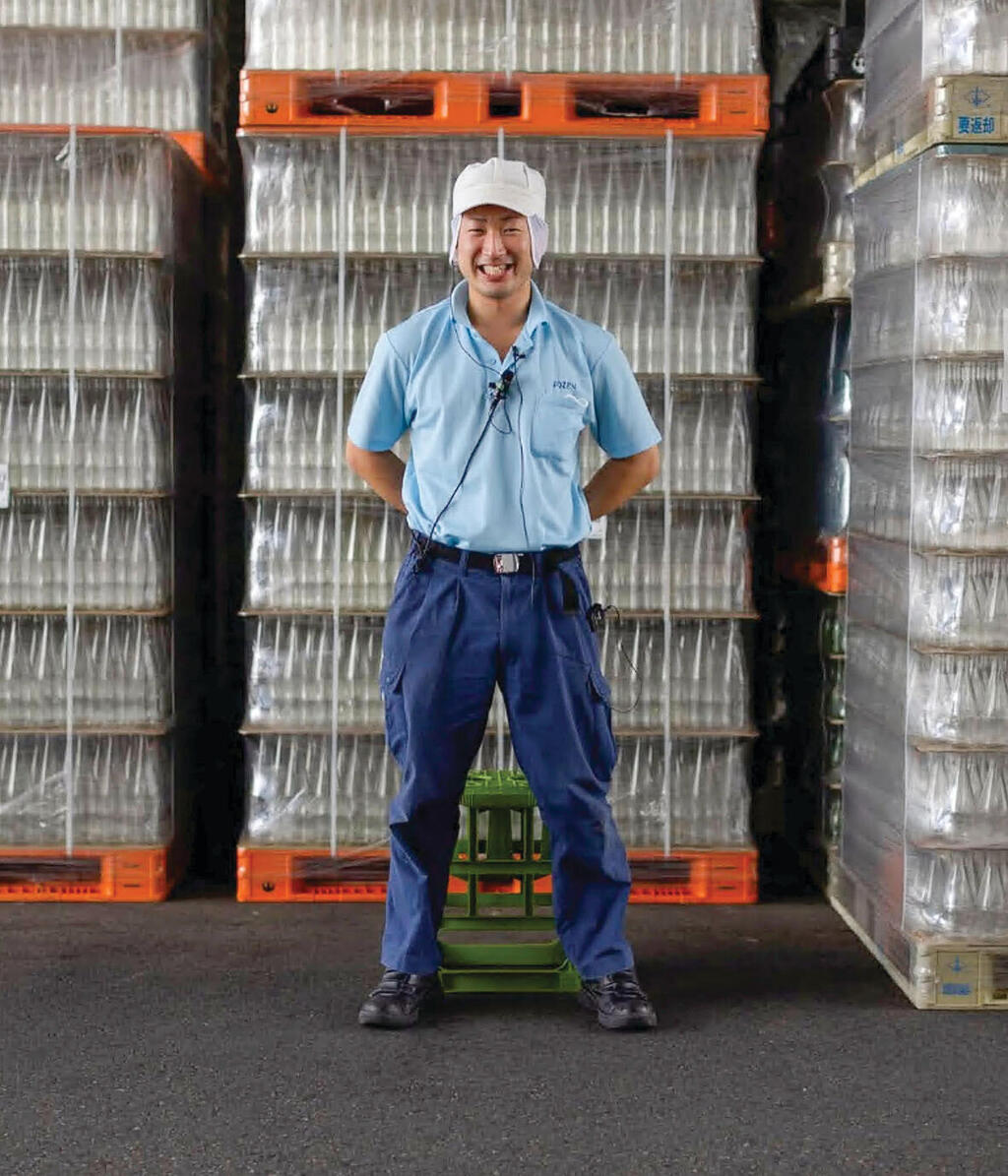
(Photo: Shirataki Sake Brewery, hijiri_sake)
First stop: The brewery that changed everything
Founded in 1855, Shirataki is located in the picturesque town of Echigo Yuzawa in Niigata Prefecture. The mountainous region is famous for its heavy snowfall, making it a winter mecca for skiers and, during the rest of the year, an ideal source of water for the brewery.
The water comes from melting snow and filters for about 50 years through natural layers of rock deep underground. By the time it reaches the brewery, it is exceptionally clear and soft, allowing for slow, controlled fermentation that gives the sake a silky texture and fresh finish.
After World War II, the sake industry underwent a dramatic upheaval. The Japanese government, seeking tax revenue and a response to shortages, encouraged mass production. Many breweries began adding alcohol and sugar to increase volume. Quality declined, and sake developed a reputation as a simple, everyday drink.
In the early 1990s, Shirataki decided to move against the tide and bet on quality rather than quantity. That decision gave birth to its flagship Jozen Mizunogotoshi series, whose name roughly translates as “the highest good is like water.”
The new sake was clear, fresh and aromatic and came in a modern bottle that broke with convention. While the conservative industry continued targeting older consumers, Shirataki aimed at younger people, women and wine lovers seeking accessible elegance.
The success was extraordinary, and the series became a symbol of Japan’s premium sake revolution. The meeting between tradition and progress is visible everywhere at the brewery. An old railway crosses the traditional town and brings visitors to a sleek, modern production building.
When we entered, the brewery’s managers welcomed us in perfectly pressed suits. Standing beside them in our Uniqlo T-shirts, we looked like amateurs.
After a polite exchange of business cards and mutual compliments, during which we learned that Israel is the brewery’s second-largest market after the United States, we began the tour. It started, naturally, with a taste of the famous snowmelt water. One sip was enough to understand why their sake feels like liquid silk.
Second stop: A night at an onsen
We spent the night at one of the town’s traditional onsens, Japanese inns built around natural hot springs and classic communal baths. After a long soak in the hot water, which helped erase the exhaustion of the flight, we arrived at the hotel restaurant.
There we encountered omotenashi for the first time, the Japanese culture of hospitality in which extraordinary care is devoted to every detail. As a guest, you feel there is nothing more important to your hosts than your comfort, enjoyment and complete satisfaction.
Two Shirataki employees joined us for dinner. They did not arrive empty-handed, bringing gifts and an almost absurd number of bottles from the brewery’s premium ranges. After a long evening of endless toasts, we said goodbye around midnight, happy, full, slightly unsteady and ready for the next day.
Third stop: The breweries of Gunma
The following morning, we headed south to Gunma Prefecture. The region is largely unknown to Western tourists but is considered by many Japanese to be one of the country’s most authentic and beautiful areas.
Located in the heart of Japan’s main island, just an hour from Tokyo by bullet train, Gunma is characterized by rugged mountain landscapes, forests, rivers and hot springs. Despite its proximity to the capital, it has preserved a traditional rural culture and a particularly relaxed atmosphere, making it an ideal refuge for locals seeking to escape the noise of the metropolis.
At Maebashi Station, the prefectural capital, we received an unexpected welcome. Local officials in formal suits stood holding a sign in Hebrew that read: “Welcome. We have waited so long to meet you. We even dreamed about it. Welcome to Gunma.”
From then on, our daily schedule followed the same pattern: tastings at farms and breweries, formal dinners at high-end restaurants and then lighter meals, with generous amounts of sake and beer, at simple local izakayas. It was during those late nights, when ties came off and the atmosphere loosened, that our hosts began laughing, opening up and sharing details of their private lives. Along the way, we also caught a direct glimpse of Japan’s demographic and birth-rate crisis.
Of the 10 Japanese hosts who accompanied us each day, only two were married, and only one had children. Their lives appeared almost entirely centered on careers and work conversations. And in complete contrast to Israeli warmth and embraces, physical contact, even among friends, remains something of a taboo.
Of the many places we visited, two remained especially memorable: Hijiri Sake Brewery and Makino Shuzo.
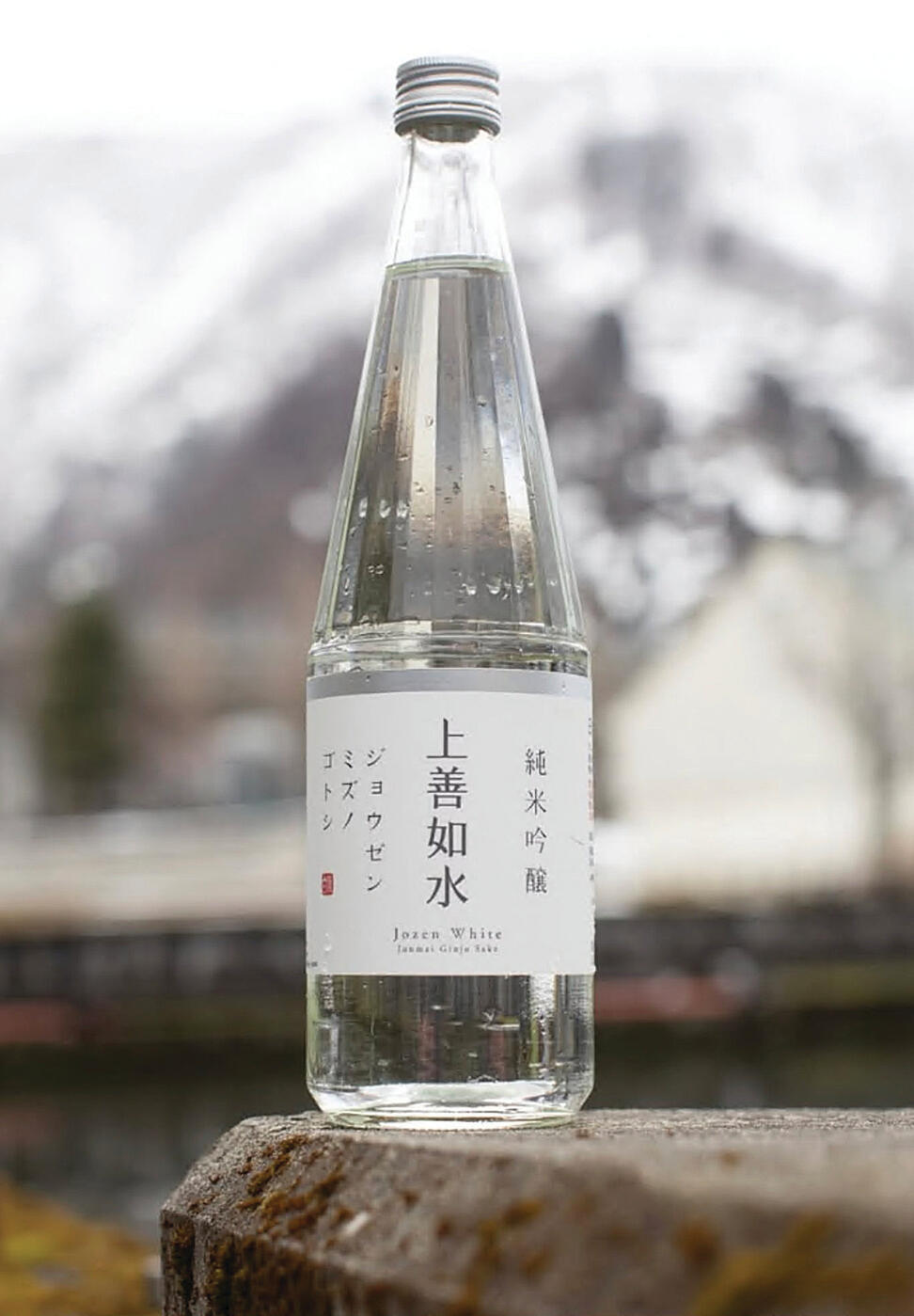
A bottle from the flagship Jozen Mizunogotoshi series, loosely translated as ‘The highest good is like water’
(Photo: Shirataki Sake Brewery, hijiri_sake)
Hijiri: Samurai and bubbles on the tongue
The road to Hijiri winds through rice fields, clear rivers and forested mountains. Founded in 1841, the brewery produces only about 100,000 bottles a year. Its modest size allows the team to retain full control over production.
Everything takes place inside a traditional Japanese house about 200 years old that looks more like an ancient samurai stronghold than a modern alcohol factory. We were welcomed by company president and toji Yutaka Yoshimitsu, dressed in jeans and sneakers.
Unlike giant corporations employing hundreds of workers, Hijiri is a family business with a staff of just 20. After a warm handshake, which unusually replaced the formal business-card ritual, Yutaka took us inside to see the process up close.
How sake is made
Preparing the rice: The rice arrives from local farmers and undergoes careful polishing. It is then washed to remove rice powder, soaked for a precise period and steamed. The aim is to create a grain that is soft inside but firm outside, preventing it from turning into mush during fermentation.
Making the koji: The steamed rice is moved to a special room with high heat and humidity, known as the koji muro. Koji mold spores are scattered over it. On paper, it is a production room. In practice, it felt like a cross between a Finnish sauna and an unair-conditioned gym. Over 48 hours, the koji develops and breaks down the rice starch into sugar.
Fermentation: The process begins with the shubo, the yeast starter often described as the “mother” of sake yeast.
Steamed rice, koji, water and yeast are combined to create the ideal environment for the yeast to grow. Over two weeks to a month, a culture develops, much like a sourdough starter. The shubo is then transferred to the large main fermentation tank, known as the moromi.
For three to five weeks, the toji monitors the moromi, checking its temperature, sugar levels and rate of fermentation. Once fermentation is complete, the moromi is pressed to separate the liquid from the rice solids. That liquid will become sake.
“Koji is the heart of sake, shubo is its soul and moromi is where all the ingredients come together and become a great drink,” Yutaka explained.
Pressing and bottling: At the end of fermentation, the liquid is pressed in a giant machine resembling an articulated bus to separate it from the rice solids. It is then filtered and bottled in clean, understated packaging.
Standing among the old wooden beams and the aroma of steamed rice, I felt I was watching a living tradition. It captured precisely how an ancient craft can be carried forward by a new generation of producers who continue innovating without losing their roots.
Makino Shuzo: Three centuries of tradition with a bodybuilder twist
On the evening of the third day, we met Kenjiro Makino in the lobby of the onsen. Makino is the 18th generation of his family to run Makino Shuzo. Founded in 1690 in the mountain town of Kurabuchi, it is the oldest brewery in Gunma Prefecture.
Over the years, it has won numerous awards and built its reputation on pure water from Mount Haruna and high-quality rice. We met him to taste his new and unconventional Macho series.
While sake bottles are traditionally decorated with delicate calligraphy, Kenjiro decided to break the rules. The labels feature colorful, humorous illustrations of muscular bodybuilders. The idea is to highlight the “muscles of the rice,” meaning the natural character of different rice varieties.
The bottles are produced from rice that undergoes relatively little polishing, leaving more of the original rice flavor, umami and richness in the final drink. There are not many places in the world where you can hear a detailed explanation of a 300-year-old tradition while staring at an illustration of a naked bodybuilder on a bottle label. And yet, it all felt completely natural.
Like Kenjiro himself, his sake is open, accessible and full of character. It respects the past while searching for a new way to tell its story. Thanks to the Suzume company, Israelis will soon be able to taste it as well.
The soul of Japan in a glass
Among Gunma’s green mountains, small villages and hot springs, we discovered another Japan, authentic, welcoming and filled with people far warmer than those most travelers encounter in the country’s major tourist cities.
Gunma may not be the first destination that comes to mind when thinking about East Asia, but it is a reminder that leaving the familiar path often leads to the most interesting discoveries. We found a place with a soul.
For anyone who loves drinks, it would be difficult to imagine a better setting. There is nothing quite like drinking sake where it is made, hearing the stories behind it and discovering how much passion is hidden in every glass.
We returned from Japan with a clear goal: to help more Israelis discover the richness and diversity that the world of sake has to offer.