

Two years have passed since that cursed morning of October 7, yet time has done little to dull the pain. In the Eshkol Regional Council, where ordinary life turned overnight into a living nightmare, the wounds remain open.
For many there, normality is still just an illusion. From the first day of the war, amid rocket fire, sirens, and confusion, council workers acted with courage and determination, driven by a deep sense of duty. Among them were the yellow bus drivers of Eshkol’s transportation department, men and women who on any other day, would ferry schoolchildren, teens to activities, or residents to community events. That morning, they became unarmed civilian warriors.
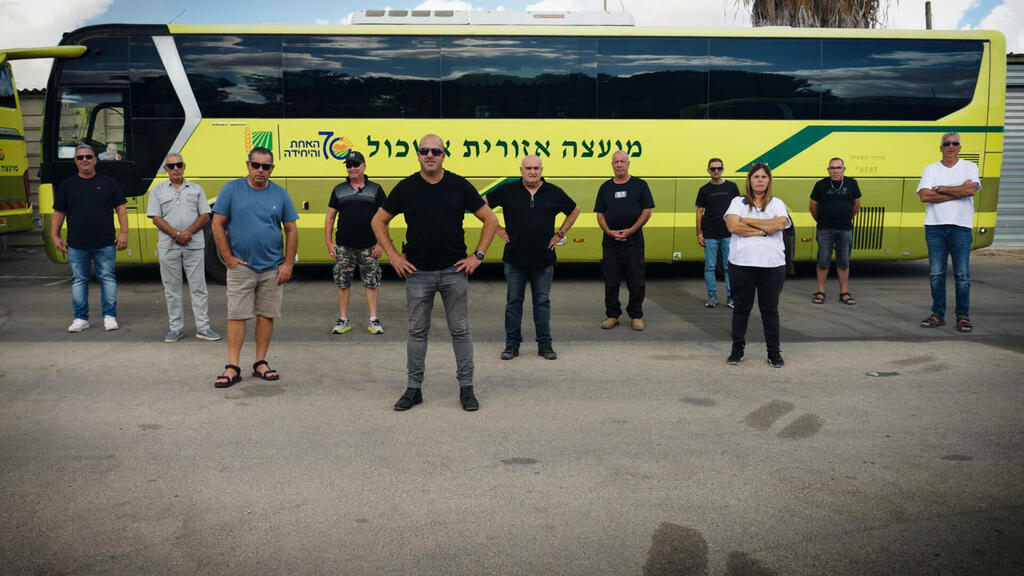
'Where are the children?'
At 6:30 a.m., while abroad, Liron Cohen, head of the council’s transportation department, began receiving a flood of WhatsApp messages. “It was strange,” he recalled. “I quickly realized something wasn’t right.” Within hours, the bus drivers were called into action. Without bulletproof vests, helmets, or any idea of what awaited them, they entered towns under fire to evacuate residents while terrorists were still inside. “I drove from Moshav Tzohar, and on the way, I saw bodies of terrorists. I was driving and thinking, ‘Where am I going?’” said Zehavit, a veteran driver. Haim Cohen, a driver from Avshalom, put it simply: “Yesterday you drove children. Today you’re driving between corpses.” Many described the fear, the blood, and the unbearable sights — the smell of death that lingered long after. Yet they kept going, focused only on rescuing people from burning homes and shattered communities.
The most devastating moments came when evacuees began boarding the buses, terrified, covered in soot, their clothes stained with blood. The drivers recognized every face. They also knew who was missing. “You look in the mirror and see everyone,” Cohen said. “But you don’t see the kids. Where are the kids?” Driver Roni Ben Gigi remembered: “You recognize the woman who just got on and know her husband’s been kidnapped. Then the man after her, his children were murdered. It’s hard, unbearably hard.” The evacuations lasted for hours under constant rocket fire. Drivers pulled over to take cover, then went back to the wheel the moment it was safe enough to move.
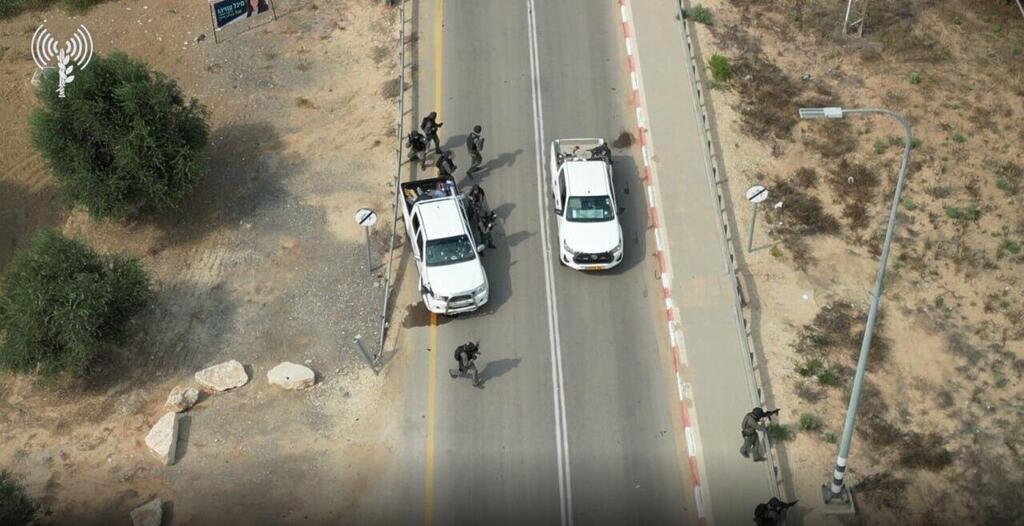
Hamas terrorists on the roads of the Gaza border region on October 7
(Photo: IDF)
Driving through grief
In the days that followed, once the first wave of evacuations ended, came another heartbreaking mission, driving evacuees from hotels to funerals, day after day. “You’re handling a number of funerals a day, something you’ve never dealt with before,” said Liron. Despite the unbearable emotional toll, the drivers kept going. Some, however, couldn’t bear it any longer. “One driver told me after the third funeral, ‘Liron, that’s it. I can’t do this anymore.’”
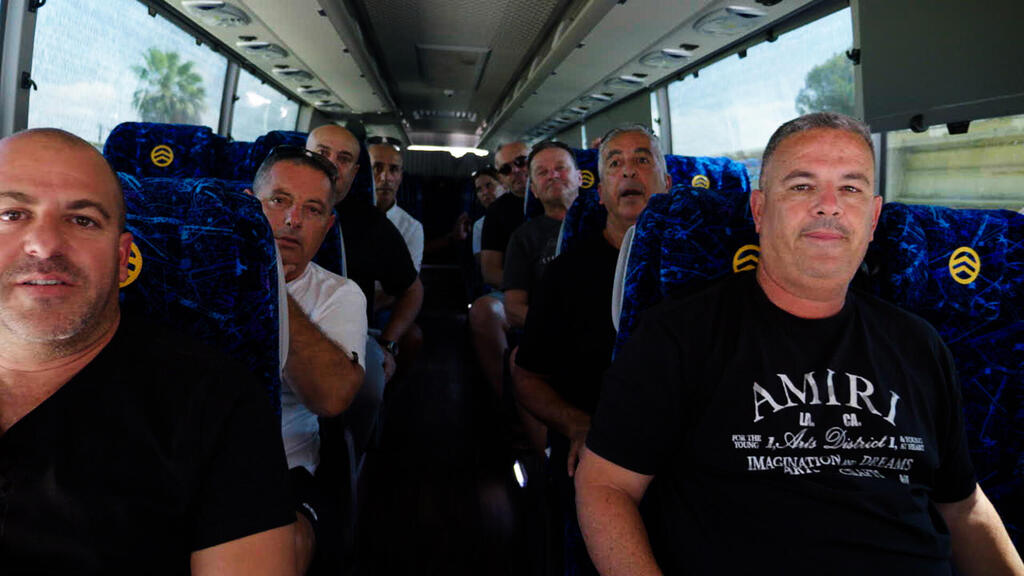
'Nothing will be truly over until the hostages come home,' say Eshkol’s bus drivers
(Photo: Shahak Paz)
'We’re here for the renewal'
Amid the loss and grief, there were also moments of hope. The yellow buses, symbols of routine and stability, became sanctuaries in the chaos. For children and teens, waiting for the bus wasn’t just about getting somewhere. It was about feeling that a piece of home was still alive. “They know Moshe will come today, Shimon tomorrow, and Roni after that,” said driver Rami Klandrov. “That sense of certainty in all the uncertainty — it calms them.” Today, two years after that horrific Saturday, life in Eshkol continues, scarred but resilient. “Nothing will be truly over until the hostages return,” workers say with determination. Still, they push forward, rebuilding their communities piece by piece. “This is our home,” they insist. “It’s where we were born, where we raised our children and you don’t abandon home. We’ll rebuild. The Gaza border will bloom again.” “We’re here for the renewal,” Dorit concludes. “Every morning we wake up with that goal in mind and we just keep going.”
This story is part of How to Get Up in the Morning, a documentary project by Nitzan Cohen and Eyal Landsman featuring interviews with municipal workers from the Gaza border region. The series offers a new lens on October 7, one that focuses on unseen acts of civilian heroism, responsibility, and the enduring hope for recovery.