

For eight straight days, Uri Ehrenfeld fought at the HaMezach outpost during the Yom Kippur War. He was wounded three times and kept fighting alongside friends who, like him, were already injured. On the eighth day his battalion received the order to surrender, and Egyptian forces took him prisoner. He was held alone for two months in a dark cell and tortured shackled in chains with a cloth sack over his head.
Fifty-one years later, at 71, he is back in reserve service. This time his weapon now is experience — the hard-earned knowledge from combat and captivity. “My reserve service over the past year and a half is one of the peaks of my life,” Ehrenfeld said. “I bring what I can to the current generation of heroes, to improve the quality of life for young wounded soldiers and to chart for them the best path I paved with sweat and tears.”
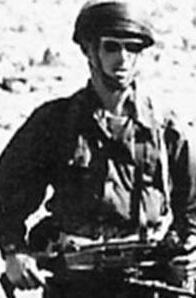
Ehrenfeld is one of six recipients of the inaugural Yitzhak Rabin Prize, which will be presented to mark 30 years since the prime minister’s assassination. The Yitzhak Rabin Center for Israel Studies, founded to commemorate the late leader, chose to honor fighters whose courage is twofold: they were wounded in service, and they returned to serve again to help soldiers wounded in the current war.
Rabin, who served the state from his enlistment in the Palmach to his retirement as IDF chief of staff, remained “Mr. Security” even as a statesman. He was known for his concern for IDF soldiers and felt most at home in their company. He never forgot the heavy price they paid, especially in wartime. “When I think about my father, there is no worthier goal in my eyes than to salute Israel’s wounded soldiers,” said Dalia Rabin, chair of the Rabin Center and the late prime minister’s daughter. “All the more so when these are people who rebuilt themselves and chose to devote their lives to the recovery of those who risked everything in the war that erupted on Oct. 7. In my name and his, I thank them for their immense contribution.”
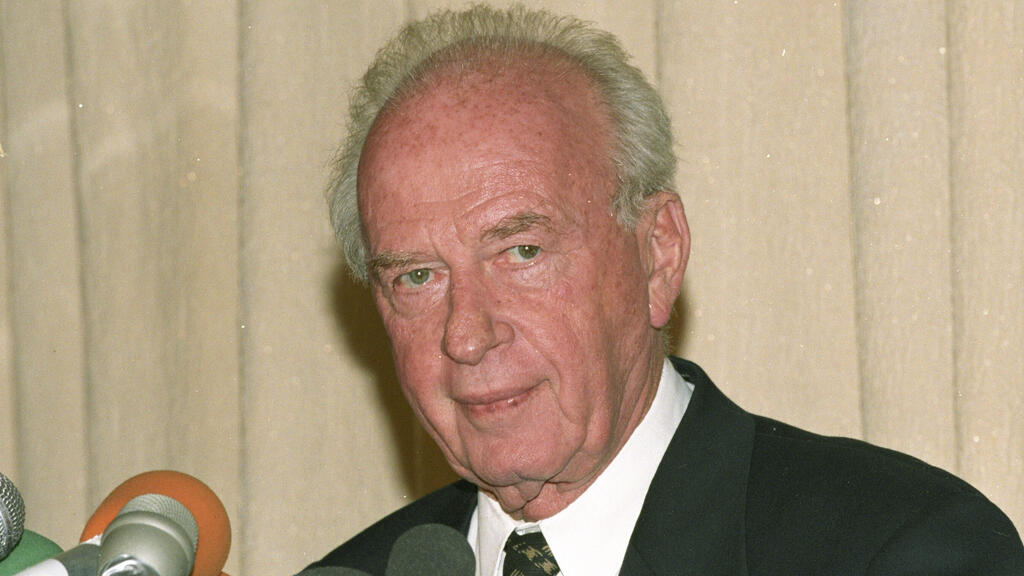
The late Yitzhak Rabin, former prime minister of Israel
(Photo: David Rubinger)
Five of the six honorees serve in Continuing Life, a unique IDF reserve unit of disabled veterans, disabled IDF soldiers who mentor newly wounded soldiers. The sixth is Maj. Noam Dadon, a Duvdevan officer gravely wounded during Operation Protective Edge, who co-founded and now runs Restart, a nonprofit that develops technological solutions for the injured.
“Continuing Life”
The unit, led by Lt. Col. (res.) Yariv Lev-Ari, who will also receive a Rabin Center citation for his dedication to the physical and psychological rehabilitation of IDF wounded, was created before the current war around a simple but radical idea: who is better suited to guide a wounded person than someone who has lived through the same ordeal? The unit numbers dozens of trained mentors, including amputees, spinal cord and head injury survivors, burn survivors and veterans living with PTSD. All are professionally trained. All bring something no clinician can offer: they know exactly how it feels.
The model has proven itself. When two wounded people speak the same language, something shifts and the rehabilitation is mutual. The mentor helps the patient, and the patient restores the mentor’s sense of purpose and capability.
Uri Ehrenfeld, Nahal Paratroopers Battalion 50 | wounded at the “Mezach” outpost in the Yom Kippur War
Age 71, married, father of three, grandfather of six. Recognized as 90 percent disabled. After his release from Egyptian captivity and a long rehabilitation, he joined the defense establishment and served for 25 years.
His contribution in the current war:
“About a year ago I trained and was certified in ‘Continuing Life’ as a senior rehabilitation fellow in the Wounded, Disabled, Captives and Missing Persons branch. As a veteran with PTSD who walked this road myself, I accompany and rehabilitate soldiers who need sustained help, including Swords of Ironcasualties, both one-on-one and in the hyperbaric chamber at Shamir Medical Center.
“The ability to guide someone hand in hand through bureaucracy and the twists of life after injury is crucial. The wounded face a new reality at home, at work, socially and personally, while also coping with an invisible psychological wound that is often more complex than the physical one. There are no crutches for an invisible injury.
“In the hyperbaric chamber the accompaniment is especially challenging due to the initial mental regression in the first weeks and the triggers during the months-long treatment in a closed space with limited communication.
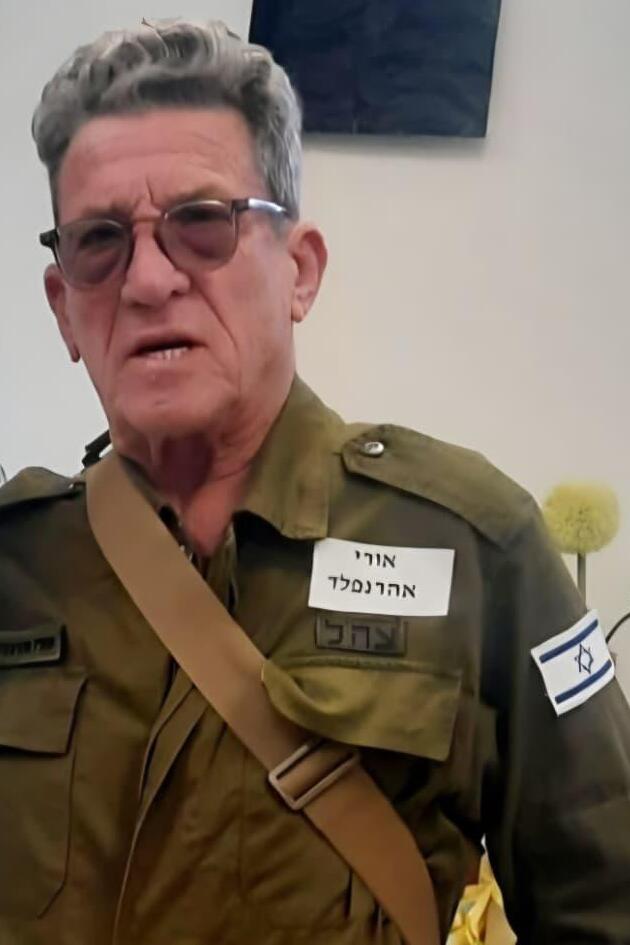
Uri Ehrenfeld
(Photo: Private album)
“I see my volunteer reserve service in the past year and a half as a pinnacle of my life. I can help the current generation of heroes, improve young veterans’ quality of life and lay out the best path I carved through years of PTSD rehabilitation. This is my life’s work — to help wherever I can.”
Five decades after Egyptian captivity, Ehrenfeld says his true healing was not only recovering from his wounds but turning pain into a source of strength for others. In addition to mentoring, he serves on the Hostages and Missing Persons Directorate in the Prime Minister’s Office.
Kobi Leon, fighter and co-founder of the Egoz unit | wounded in Lebanon
Age 49, married, father of three. On Dec. 25, 1996, as Egoz returned from an operation in Lebanon, a Hezbollah bomb detonated. The commander and another soldier were killed, one was moderately wounded and Leon was severely injured, left a wheelchair user with more than 100 percent disability. Two weeks earlier he had lost two teammates.
“Life after the injury was a massive challenge. I chose not to give up. I traveled, searched for answers and rebuilt myself. I studied, grew and got stronger. I finished a bachelor’s in computer science, earned a teaching certificate in mathematics, and later moved into personal and athletic coaching. I qualified as a performance coach, a mental coach and a cycling coach, and completed a master’s in social psychology with a focus on sport psychology.
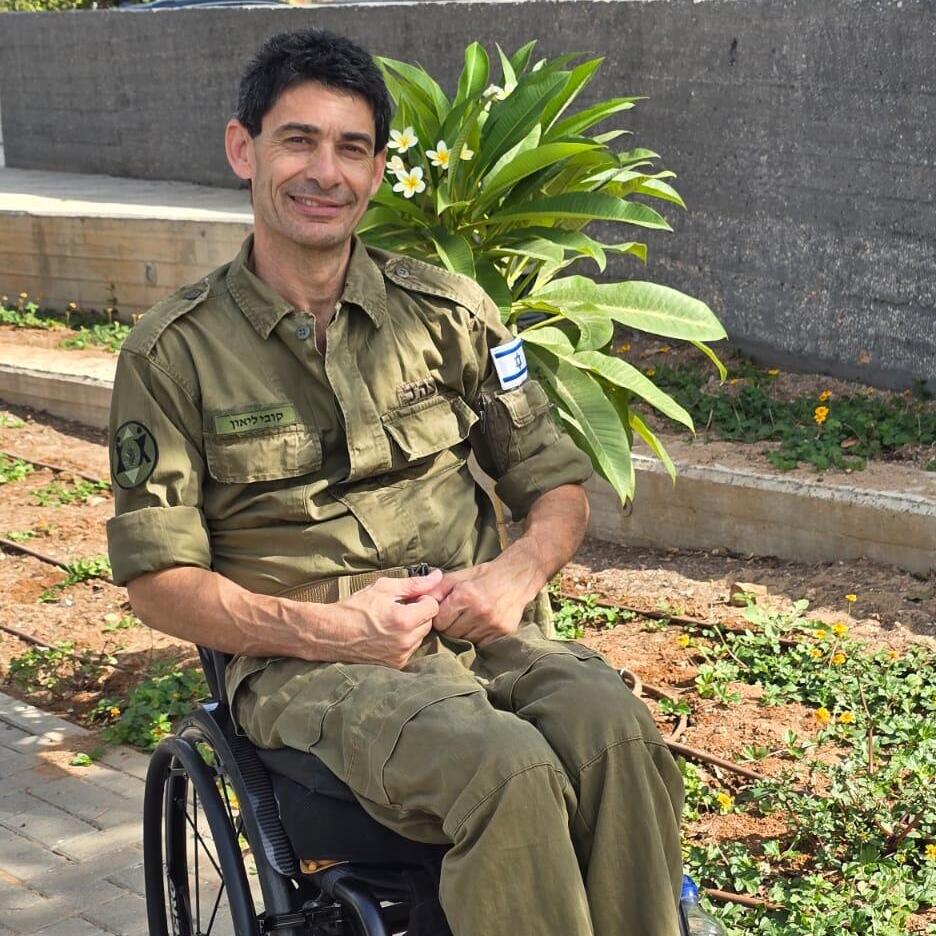
Kobi Leon
(Photo: Private album)
“I met my wife at the physical therapy clinic at Sheba Medical Center. We married two years later and have three amazing children — Roee, Noga and Ayala. Over the years I worked in high-tech, taught math, lectured on goal setting, resilience and success, and coached basketball teams and para-cyclists.
“Sport became my anchor and my platform to prove there is no limit to what a person can achieve. For about 12 years I competed professionally in handcycling in Israel and abroad: a silver medal at the London 2012 Paralympics, leader of the World Cup series in 2015 and 2016, frequent podiums, sixth place at Rio 2016 and seven straight national titles. In 2010 and 2015, I received the sports minister’s award for outstanding athletes.”
His contribution in the current war:
“During the war I heard about ‘Continuing Life,’ led by disabled IDF veteran Yariv Lev-Ari. I joined, trained and started reserve duty, something I never thought I would do again. It is a great privilege to serve alongside people like these.
“At first I mentored many spinal cord injury patients in the rehab wards at Sheba Medical Center. The journey is complex but full of small miracles. Just my consistent presence with young spinal cord patients and their families helped restore physical ability and, above all, mental resilience.
“After six months I was appointed head of the unit’s neurology track, coordinating all spinal and neurological injuries. The role is deeply meaningful. I contribute my life experience and my professional background in sports to the wounded and their families, and reserve duty in turn heals me.”
Orly Levin, wounded as a soldier in a shooting outside Southern Command
Age 42, mother of three. In 2002, a shooting outside IDF Southern Command in Be'er Sheva left Levin, then a 19-year-old soldier, severely wounded in the face and both legs. She spent about a year hospitalized at Soroka Medical Center and underwent a long rehabilitation.
Today she holds postgraduate training in psychotherapy and a master’s in public administration and policy. She worked for years in the Education Ministry as an early childhood coordinator. The Defense Ministry recognizes her as 68 percent disabled for both physical and psychological injuries.
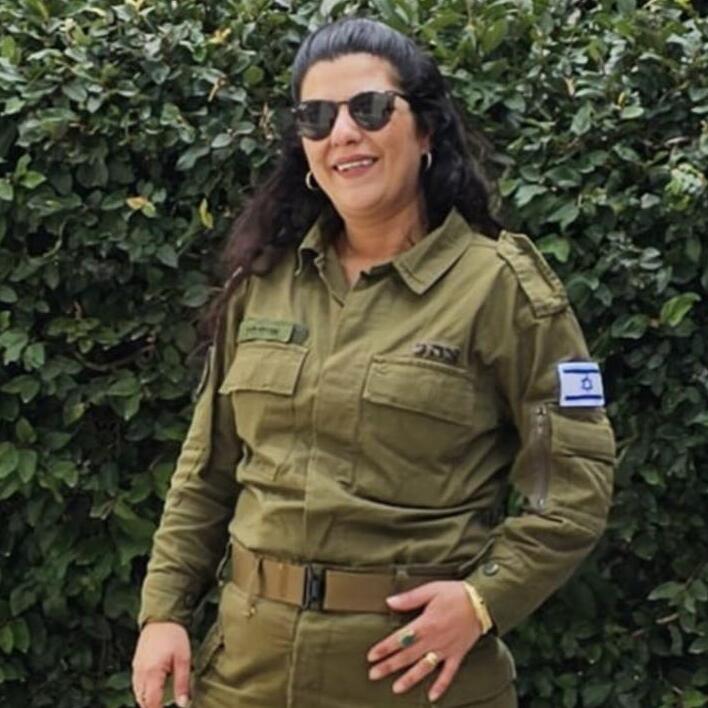
Orly Levin
(Photo: Private album)
Her contribution in the current war:
“I joined ‘Continuing Life’ in November 2023 as a physical mentor to 2nd Lt. Eden Ram, who on Oct. 7 was shot 12 times by Hamas infiltrators at the Home Front Command base in Urim. Despite devastating injuries, she fought for her life and made a remarkable recovery.
“After that I completed a three-month certification as a rehabilitation fellow for PTSD. Since then I have accompanied Osher Betzalel, an observation NCO who trained a cohort of observers, many of whom were killed on Oct. 7 at the Nahal Oz base.
“After the Oct. 7 massacre and the loss of so many observers, Osher suffered a breakdown, withdrew at home and avoided all contact. I built a warm, trusting relationship and helped inspire her return to daily life.”
Frida Huli, wounded by friendly fire during a military training exercise
Age 58, married, mother of two. In 1988, during a training exercise, Huli was shot and rushed to Hadassah Ein Kerem hospital, where doctors fought to save one leg. She endured three surgeries and prolonged rehab and was recognized as disabled and living with PTSD.
“As a woman, the period was defined by immense physical pain and mental challenges, where I discovered my resilience and persistence,” she said. “Only years later did I allow myself to acknowledge my PTSD symptoms. Recognition by the Rehabilitation Division was a turning point and affirmed my decision to turn a personal ordeal into giving and service.”
Her contribution in the current war:
“At the start of the war Lt. Col. Yariv Lev-Ari called and asked me to report for duty. I felt my life was about to change. The call gave me a sense of mission and the understanding that the IDF wanted me for a vital role in wartime. I joined ‘Continuing Life’ and received professional training from top experts.
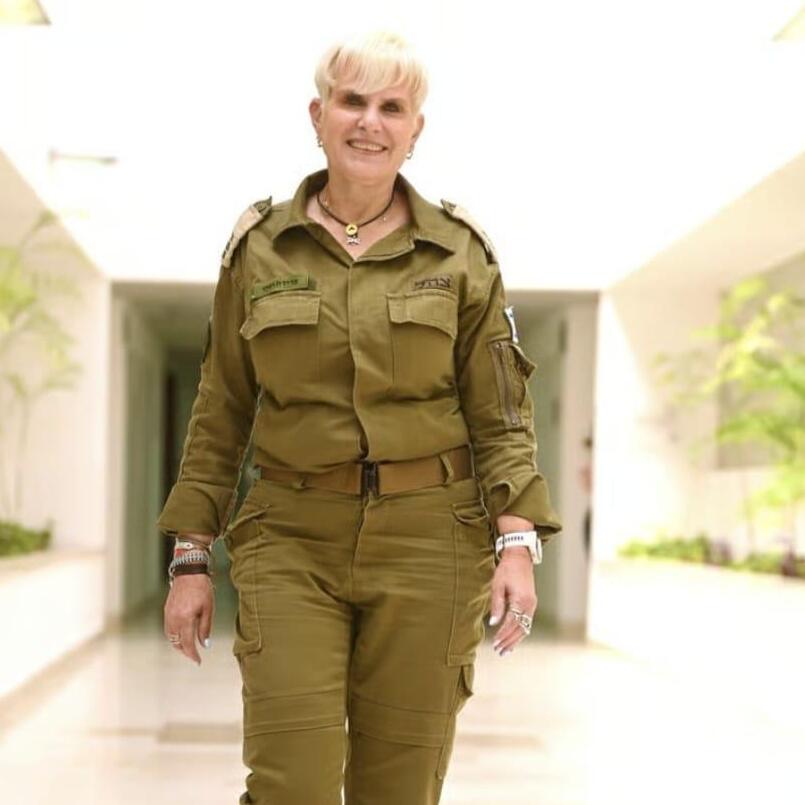
Frida Huli
(Photo: Laisha)
“After training I was assigned to mentor some of the most severely wounded women from Swords of Iron. Because of my experience and as a disabled veteran, I was tasked to guide survivors of traumatic brain injury. I accompanied Noa Zevi, gravely wounded at the Zikim base on Oct. 7; then I supported Mishel Rokovitsin of Unit 414 in Gaza; and most recently I finished mentoring Emanuelle, a deputy squadron commander, who suffered a critical head injury in a helicopter crash along the Philadelphi Corridor.
“After this demanding period, the unit appointed me the wounded coordinator at Sheba Medical Center. It is a complex job with heavy responsibility, since most of the war’s critically injured pass through my hands in all aspects, including transfers from other hospitals.
“During reserve duty I also completed about two and a half months of training as a rehabilitation fellow for PTSD. I work directly with the unit’s physician and department heads at Sheba Medical Center as part of an exceptional collaboration for the wounded.”
Maj. (res.) Shimon Navon, Golani Reconnaissance | wounded by a Molotov cocktail in Gush Etzion
Age 62, married, father of three, grandfather of two. In December 1987, at the start of the first intifada, a Molotov cocktail attack in Gush Etzion left Navon with third-degree burns over about 60 percent of his body, severe facial disfigurement and multiple limb amputations. He was discharged with more than 100 percent disability. He spent more than 18 months in rehabilitation in Israel and later underwent another year and a half of surgeries in the United States. Despite the ordeal, he rebuilt his life and family.
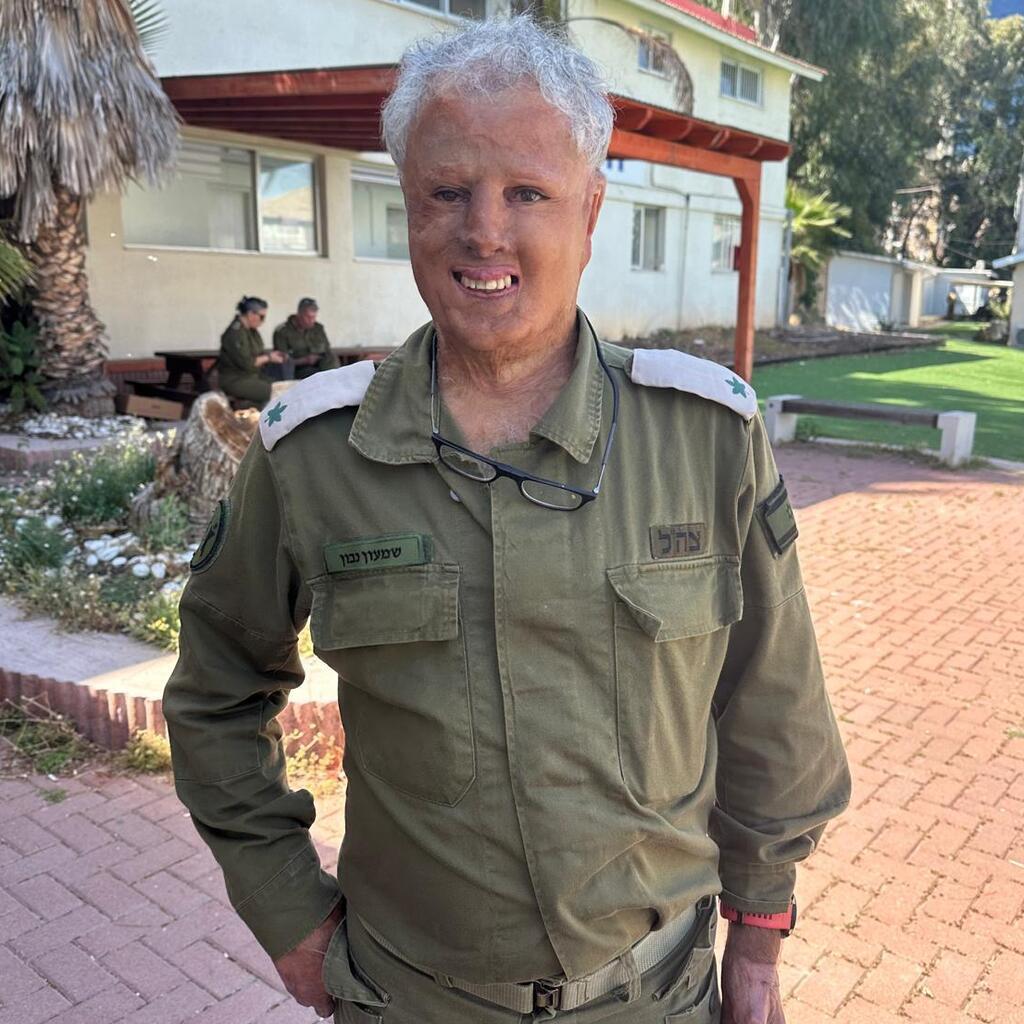
Shimon Navon
(Photo: Private album)
Navon worked for more than 30 years with the Organization of IDF Disabled Veterans. He served roughly eight years as chair of Hapoel Jerusalem basketball, worked on the club’s youth leadership and chaired its alumni association.
His contribution in the current war:
“Even before the Oct. 7 massacre, Yariv Lev-Ari called me to serve in reserve in ‘Continuing Life’ as a mentor for the gravely wounded. I did not imagine that a month later Israel would be at war.
“After my call-up and professional training, I began mentoring burns survivors and accompanied four war casualties from intensive care back to community life. Then I was appointed head of physical injuries for ‘Continuing Life.’
“The appointment, together with the rank of major, restored my pride and belonging to the IDF. Especially during wartime, leading support for all severely and critically wounded soldiers is for me a first-order moral duty. I map and route patients nationwide so each receives the right mentor or personal escort, and so do their families.”
From their own recovery to the recovery of others
Maj. Noam Dadon, Duvdevan officer | gravely wounded in Operation Protective Edge
CEO and co-founder of Restart. The scene was Khirbet Akhza’a on the outskirts of Khan Younis during Operation Protective Edge. Maj. Noam Dadon, a Duvdevan officer, found himself in hand-to-hand combat with militants and was critically wounded. He survived and underwent a long course of treatment: nine surgeries in Israel and abroad and four years of hospitalization.
In 2014, while still in rehab at Sheba Medical Center, he founded Restart, a nonprofit run by and for the wounded. Its goal is not only to provide medical care but to restore capability and confidence through technology and mentoring.
Since then the organization has developed more than 300 technological solutions that have helped about 1,200 patients, from customized crutches and one-handed game controllers to bracelets that alert to panic attacks. Since the war began the nonprofit has doubled its activity. In the past two years it has run accelerated mentoring cycles, pushed rapid prototyping inside rehab departments nationwide and forged partnerships with leaders in Israel’s tech sector.
First published: 01:32, 11.05.25