


“I didn’t believe I was capable of doing this role, even though I wanted it badly. So when the door opened for me to return—I leapt at the chance,” says Lt. Col. Or Ben Yehuda, commander of the Caracal Battalion. “The first time I stood in front of 120 soldiers, I remembered just how much I love leading. It felt natural to be back.” Now, after two demanding years, she is concluding her command.
Ben Yehuda, 36, lives in central Israel and is the mother of three—a 9-year-old son and twin 7-year-old daughters. She enlisted in November 2007 as a combat soldier in Caracal, a mixed-gender infantry battalion named after a medium-sized wild cat native to Africa. After completing a squad commanders’ course, she advanced to officer training at Bahad 1 officer training school and was assigned as a platoon commander. In August 2012, she chose to leave military service and, in civilian life, founded a local scout troop in Har Adar. But just three months later, during Operation Pillar of Defense, she reported for reserve duty. Impressed by her performance, the IDF offered her a permanent post as commander of a rifle company.
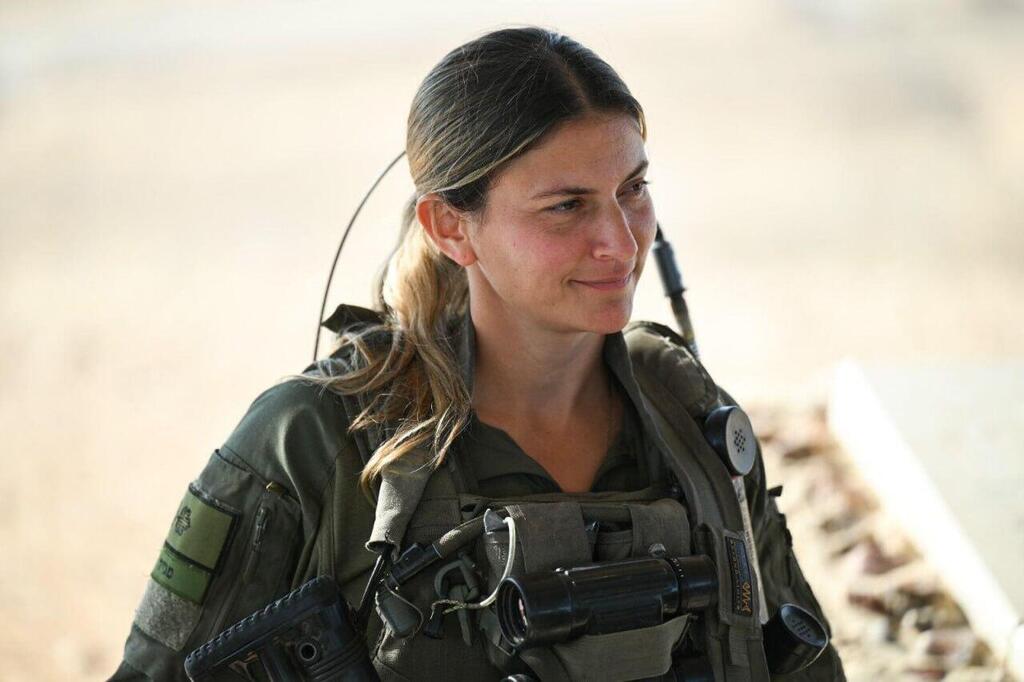
In 2014, Ben Yehuda was moderately wounded while leading an operation to intercept a terrorist infiltration from Sinai. For her leadership under fire, she was awarded a Southern Command Citation and was recognized by the IDF chief of staff. Only two months into her rehabilitation, she returned to duty. In a moving ceremony, the award was presented by her mother, Professor Dina Ben Yehuda—herself a decorated officer. Or went on to command a company in the Lahav Battalion at the officers’ school, completed two years of academic study, led the army’s physical screening department, and later served as chief of staff to the commander of Central Command.
In July 2023—just three months before the Hamas attack—she broke another glass ceiling when she was promoted to lieutenant colonel and appointed commander of Caracal. She became the first woman to command an infantry battalion within Israel’s Border Defense Corps.
On the morning of October 7, Ben Yehuda was on base with her soldiers in the Nitzana sector near the Egyptian border. “At 6:29 a.m., explosions began overhead. A commander from a nearby outpost near Rafah called to report impacts across the area. I didn’t yet have a full picture, but instinct kicked in—I knew something major was happening. I reached the company and issued orders. I knew we’d be running forward from there,” she recalls.
That same morning, she directed her battalion to leave its assigned sector and head north to join the fighting in the southwestern Gaza border region. “We helped stop the Hamas assault, and in hindsight, we later discovered operational plans confirming their intention to seize the towns and outposts we had defended,” she says. “I was taught from a young age that the best defense is offense. The fact that we moved forward instead of staying behind our lines gave us the upper hand. Hamas didn’t expect it—it caught them off guard. The battalion operated with composure and extraordinary self-sacrifice, doing everything possible to protect civilians and deny Hamas its objectives.”
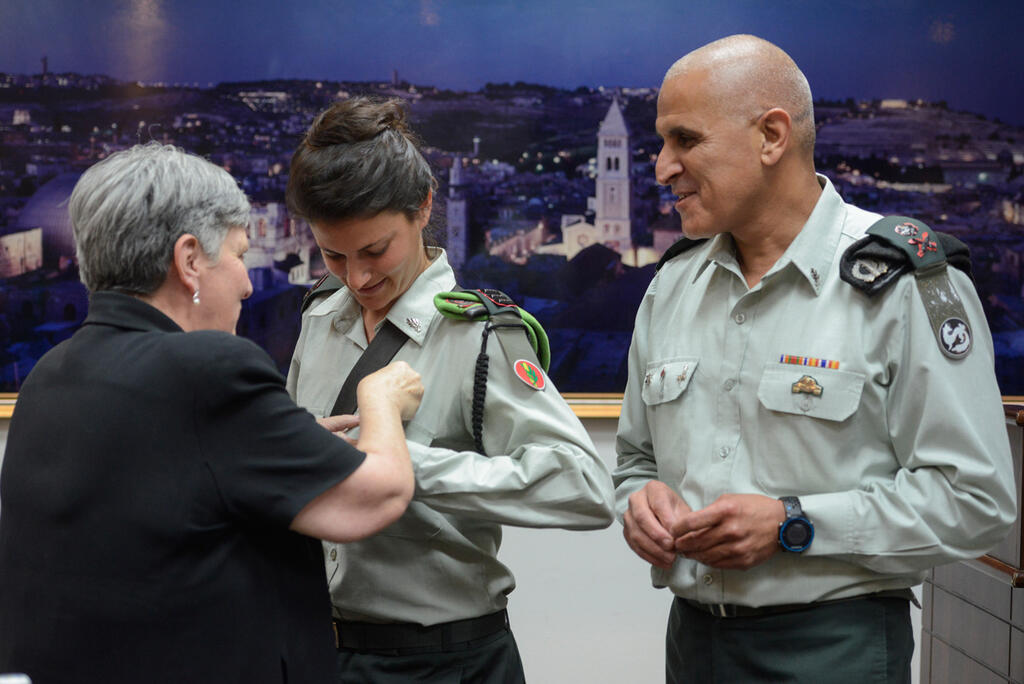
Being acknowledged in 2015
(Photo: IDF)
During her first three months in command, Ben Yehuda hardly saw her children. “One day, after leaving Gaza, they called to say they’d seen me on TV. I panicked, worried they’d been exposed to something frightening. But instead, they said, ‘We heard you say you hope we’re proud of you—so we wanted to tell you we are.’” She credits their emotional stability to support from their grandparents and school staff. “They told me everything was okay and asked me to come home after we win the war. They understood that for now, Mom has to protect the country—and when it’s over, I’ll come home.”
Once the military began its ground operation in Gaza, Caracal fighters took part. “After years of hearing people say there’s no chance female combat soldiers would enter Gaza, suddenly I was getting requests for them. Commanders wanted my battalion for inside-the-strip operations. There’s no greater reward than getting calls from officers saying our fighters—men and women—are incredible, that they want them back for more.”
Get the Ynetnews app on your smartphone: Google Play: https://bit.ly/4eJ37pE | Apple App Store: https://bit.ly/3ZL7iNv
Throughout the war, one company from the battalion was always active inside Gaza. The rest guarded Israel’s western border with Egypt. “We developed tremendous expertise in counter-smuggling,” she says. “Since October 7, we’ve reinforced the sector, upgraded offensive capabilities, and shortened response times dramatically.”
Smugglers, facing more obstacles, began using drones. “Our battalion developed skills to take them down and intercept their deliveries, stopping hundreds of weapons from reaching their destination. We’re always adapting to stay one step ahead. Caracal has a strong identity and unshakable foundations. In a region that rarely gets headlines, the battalion reached an exceptionally high operational standard. Since the war began, they’ve proven time and again their willingness to set themselves aside and do whatever it takes to defend home, family, and country.”
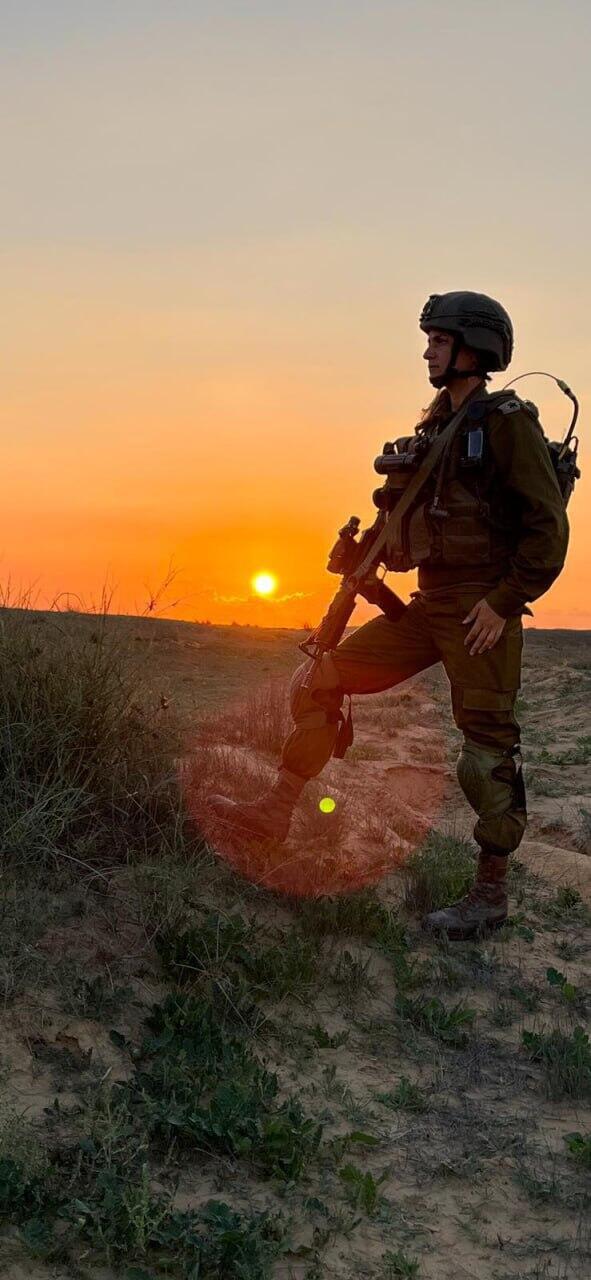
Lt. Col. Or Ben Yehuda
(Photo: IDF)
One standout moment came with the rise of the battalion’s all-female tank company, which fought alongside the infantry. This week, Ben Yehuda observed their first full-company training drill. “They loaded shells, fired, maintained the tanks, communicated over the radio—everything, just like the men. Before the war, people still asked me if the female tank crew used an automatic loader, as if they couldn’t lift the shells themselves. I used to explain they do it all. Now, after October 7, I don’t need to explain anymore. People know who they are.”
But what moves her most is speaking about the soldiers—roughly 70% of them women—she had the privilege to command. “The mission comes first, but the people are our strength,” she says. “At the end of the day, the mission is above all—but it’s the people who make it possible. This battalion operates with quiet dignity, fierce determination, and a fire in their eyes. I’m so proud of them. Without them, I’m nothing. They’re the real deal.”
Today, Ben Yehuda steps away from uniform to begin academic studies, but she plans to return. “I’ll be back in the field—the place I love most in the world,” she says. “At the beginning of this role, I didn’t know if I’d be a good battalion commander. I asked myself: Do I deserve this? Am I worthy of such responsibility? That doubt drove me to keep giving more, to be better—for my people.”