

IDF troops had surrounded an orchard in Lebanon and opened fire, believing terrorists were hiding among the trees, when they suddenly heard shouting in Hebrew: “Don’t shoot, I’m a prisoner here.”
The soldiers stopped firing. From between the trees emerged Ephraim “Efi” Talbi, the first Israeli prisoner of war of the First Lebanon War, 10 days after he had been captured.
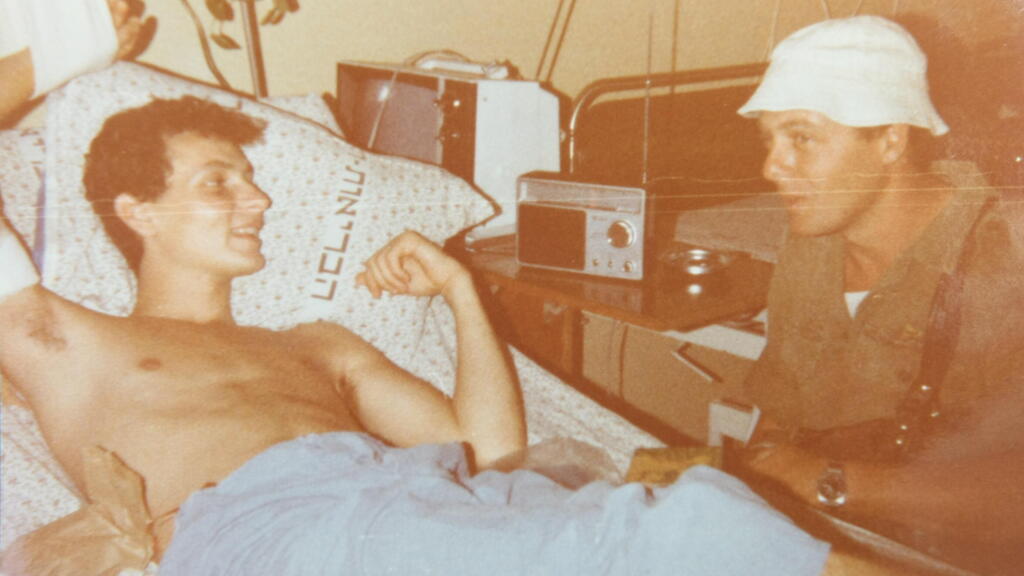
The podcast Digging Journalism revisits Talbi’s story — from the first day of the war, through his captivity in Lebanon, to the dramatic moment in which he escaped and reached Israeli forces.
On June 6, 1982, the first day of the First Lebanon War, then known in Israel as Operation Peace for Galilee, Talbi was a 19-year-old soldier in a paratroopers squad commanders’ course. He was rushed from training to the battlefield and assigned as the radio operator for Lt. Col. Uri Geiger, commander of Battalion 450.
That same day, Talbi’s life changed.
During fighting near the al-Bass refugee camp on the outskirts of Tyre, the force’s armored personnel carrier was ambushed and hit directly by an RPG. Geiger was killed in the clash and his body was taken by terrorists. Talbi managed to jump into a roadside ditch, but soon found himself surrounded by about 200 terrorists.
He was taken captive, becoming the first IDF soldier captured in the war.
For 10 days, Talbi was considered missing. IDF troops found the burned-out APC, while his family was left in anguish, able only to hope and pray.
Wounded and under heavy guard, Talbi was moved between terrorist strongholds deep inside Lebanon. He later described surviving the terror of his abduction through a psychological defense mechanism of detachment. He said he felt as if he had left his own body and was watching “Efi” from above, as though from a tree or a tall building, calmly observing the man below surrounded by enemies.
At the lowest point, stripped of control and dependent on his captors for his most basic needs, Talbi found an unexpected point of humanity. One of the terrorists, Mohammed al-Sati, treated him humanely — a small gesture Talbi later said helped him hold on to his sanity.
The turning point came after painstaking intelligence work. A mobile signals unit from Unit 8200 picked up key information on a communications network, helping clarify the area where the Israeli captive was being held.
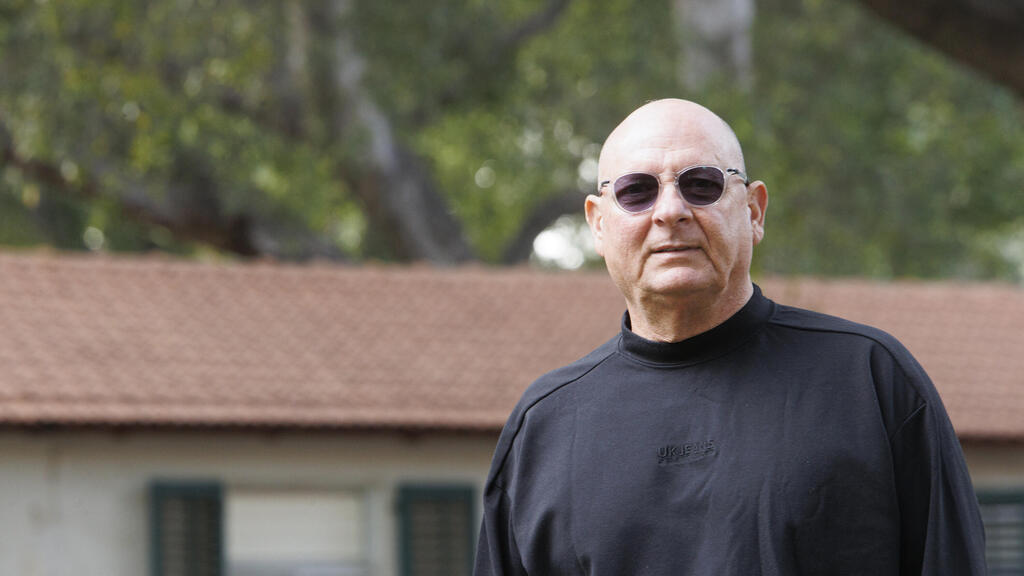
Efi Talbi
(Photo: Elad Gershgoren)
The dramatic rescue unfolded when an IDF force spotted suspicious movement inside the orchard where Talbi was being kept. The troops surrounded the area and opened fire. In the chaos, Talbi gathered all his strength and shouted in Hebrew: “Don’t shoot, I’m Israeli, I’m a prisoner here.”
He was not hit by Israeli fire and was rescued.
But the story did not end there. Immediately after Talbi’s release, Israeli troops captured the terrorists, including Mohammed al-Sati. When Talbi saw Mohammed handcuffed, he approached him and gave him a cigarette.
That human gesture later became a curse for Mohammed. His fellow terrorists accused him of betraying the cell because of the way he had treated Talbi, and the brutal backlash against him forced him to flee and eventually move to Jordan.
Talbi later returned to IDF service. He completed officer training as a physical fitness officer — the only cadet in his class — built a family and rebuilt his life.
Today, Talbi is a father of two, lives in the Galilee and works as a physical education teacher.