

Plant-based drinks have moved far beyond being a niche substitute for vegans or people who struggle to digest lactose. They are now among the most common products in supermarket refrigerators. They are also increasingly described not as “milk substitutes,” but as plant-based drinks, a shift that reflects more than semantics.
The word “substitute” suggests an imitation of cow’s milk. Soy, almond, oat and other plant-based drinks, however, form a nutritional category of their own, with distinct strengths and weaknesses.
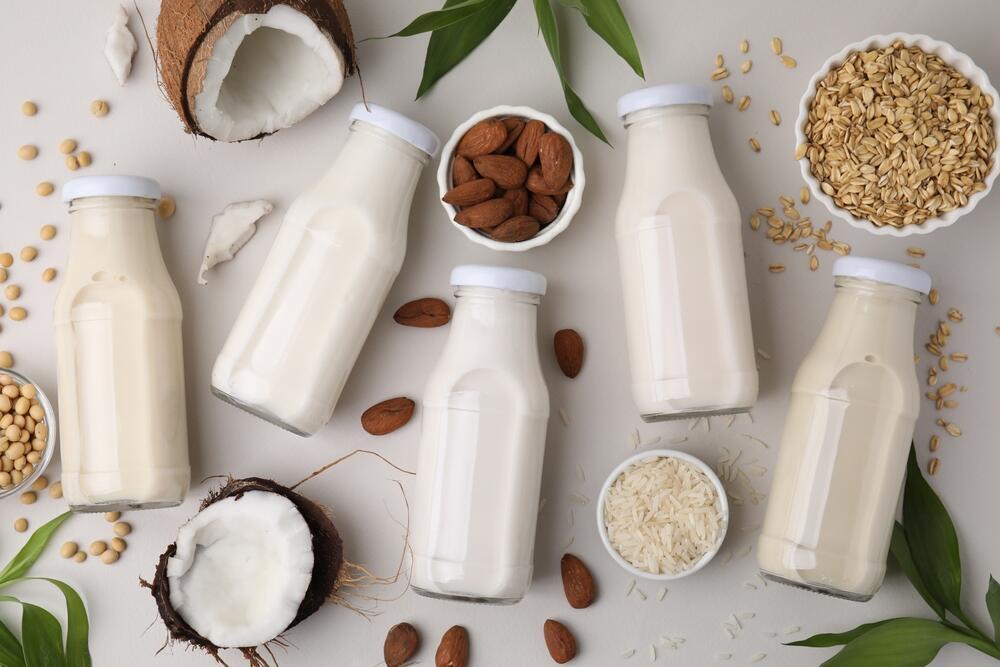
Some provide high-quality protein, fiber and healthy fats. Others are made mostly from water, a small amount of the stated ingredient and carbohydrates. The more useful question, then, is not which drink most closely resembles cow’s milk, but which offers the strongest nutritional value on its own.
The ranking below is based on several main criteria: protein content, fat quality, fiber, naturally occurring vitamins and minerals, sugar levels and the degree of processing.
Before choosing any product, turn over the package and read the nutrition label. A better option will generally contain a higher proportion of the main ingredient, fewer unnecessary additives, no added sugar and, where possible, a meaningful amount of protein.
Sixth place: Rice drink
Rice drink generally ranks last from a nutritional standpoint. It contains very little protein and almost no fiber, while most of its energy comes from carbohydrates. It also tends to have a relatively high glycemic index, meaning it is broken down quickly and can cause a rapid rise in blood sugar, sometimes followed by a sharp drop.
Because rice drink provides little protein or fiber, two nutrients that can help slow digestion and stabilize blood sugar, that effect may be more pronounced. It may provide quick energy, but it is less filling and less nutritionally substantial than most other plant-based options.
Its main advantage is that it can suit people who are allergic to soy or nuts. For most others, however, it is not a significant source of essential nutrients.
Advantage: Suitable for people with certain allergies
Disadvantage: Mostly empty carbohydrates
Bottom line: Useful for those who specifically need it, but low in nutrients and unlikely to provide lasting fullness
Fifth place: Coconut drink
Coconut drink benefits from a healthy and exotic image, but nutritionally it usually offers relatively little. It contains almost no protein or fiber, and some products have more saturated fat than other plant-based alternatives. Its creamy texture and mild flavor make it popular in coffee and desserts, but when judged strictly by nutritional value, it does not rank among the stronger options.
Advantage: Texture and flavor
Disadvantage: Low nutritional value
Bottom line: A good choice for coffee or desserts, but with limited nutritional benefits

(Photo: Shhutterstock)
Fourth place: Almond drink
Almond drink is often perceived as one of the healthiest options, but many commercial versions contain only a small percentage of almonds. That means their nutritional value is often more limited than consumers assume.
Almond drinks are usually low in calories, contain unsaturated fats and naturally provide vitamin E. Their protein content, however, is very low, as is their fiber content. In many products, calcium and vitamins are added during manufacturing rather than occurring naturally.
For people looking for a light, low-calorie drink, almond can be a reasonable choice. But other options generally offer more protein and fiber.
Advantage: Low in calories
Disadvantage: Very little protein
Bottom line: Light and suitable for calorie-conscious consumers, but low in protein and naturally occurring fiber
Third place: Oat drink
Oat drink has become one of the biggest stars of coffee shops in recent years, and not only because of its taste. Its main nutritional advantage is fiber, particularly beta-glucan, a soluble fiber that has been widely studied for its possible role in lowering cholesterol and increasing satiety.
It also contains nutrients naturally derived from oats. Oats contain gluten or may be contaminated with it during processing, so people with celiac disease or gluten sensitivity should choose only products clearly labeled gluten-free.
The main drawback is the relatively high amount of simple carbohydrates derived from the grain itself.
Oat drinks also contain less protein than soy or pea drinks. Some products include added sugar or vegetable oils to improve texture, so unsweetened versions with shorter ingredient lists are preferable.
Advantage: Fiber
Disadvantage: Relatively high in simple carbohydrates
Bottom line: A filling, fiber-rich coffee-shop favorite, but consumers should check the sugar and carbohydrate content
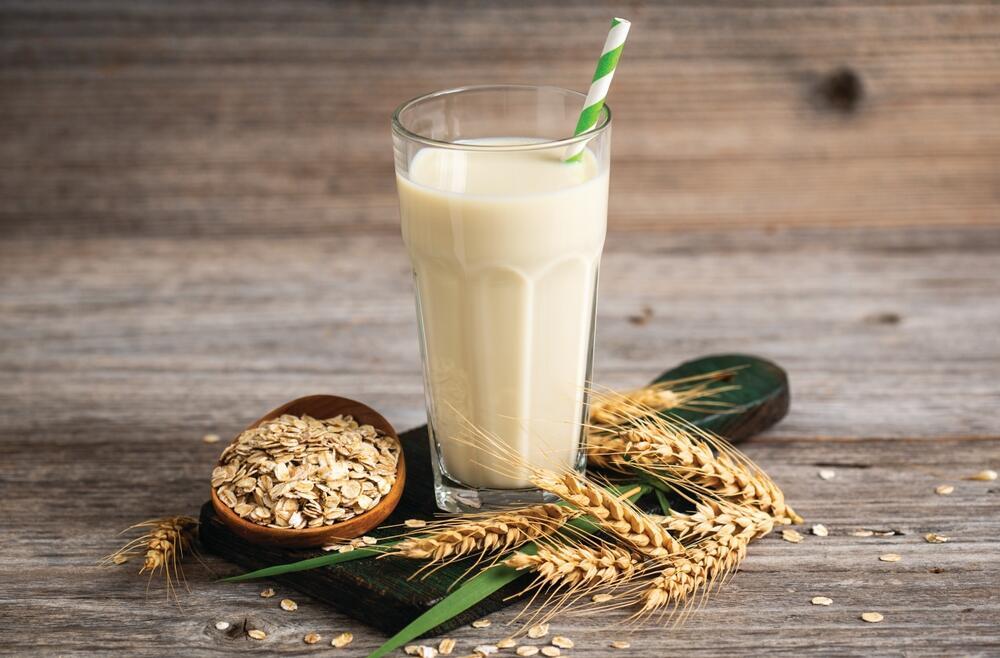
Oat drink
(Photo: Shhutterstock)
Second place: Pea drink
Although still less familiar to many Israeli consumers, pea drink is one of the strongest plant-based options nutritionally. It generally provides a high amount of protein, contains unsaturated fats and may also contribute iron.
Compared with many other plant-based drinks, it is more filling. Its flavor is relatively neutral, allowing it to work well in coffee, cereal and cooking. Its main weakness is availability, as the range of products sold in Israel remains limited.
Advantage: Protein and satiety
Disadvantage: Limited availability
Bottom line: Rich in protein and iron and easy to use, but still harder to find in many supermarkets

Learn the difference
(Photo: Shhutterstock)
First place: Soy drink
When plant-based drinks are ranked by nutritional composition, soy usually finishes first. The reason is straightforward: it provides the highest amount of protein among the most common plant-based drinks. Soy protein is also considered high quality because it contains all the essential amino acids.
In addition, soy is rich in unsaturated fats and naturally contains isoflavones, plant compounds studied in connection with cardiovascular and bone health.
Choosing an unsweetened version produces a relatively balanced nutritional profile, making soy the leading choice for consumers seeking the greatest nutritional value.
Advantage: High-quality complete protein
Bottom line: The overall winner, providing complete protein alongside healthy fats
Dr. Yael Benvenisti researches healthy lifestyles and holds a doctorate in gerontology