

They sat across from police investigators trembling, mouths dry with fear. Officers had already raided the homes of 27 suspects, yet some of the people who said they had endured threats, humiliation and violence, sometimes in front of their children, still refused to say the name of the man they feared.
“My body won’t let me say the word Yossi. I can’t talk about him,” one man whispered, according to investigators.
Hundreds of residents of Migdal HaEmek, a city in northern Israel, and surrounding communities, both Jewish and Arab, were drawn into what police describe as a sprawling cycle of illegal gambling, high-interest loans and debt collection. What often began as a small online bet or a visit to an illegal casino allegedly spiraled into debts of tens or hundreds of thousands of shekels, crushing monthly interest payments and constant fear.
Gallery

“Debtors sat before us trembling, fear in their eyes.” From right: Staff Sgt. Mai Arbel, Superintendent. Lior Noy and Sergeant First Class Elinor Ben David
(Photo: Elad Gershgoren)
At the center of the case is Assaf Buskila, 30, of Migdal HaEmek, known as “Yossi.” An indictment filed last month by the Northern District Prosecutor’s Office in Nazareth District Court describes Buskila as a man with “a reputation as a violent criminal” involved in unregulated lending, gambling and violent extortion in the Migdal HaEmek area.
The investigation, codenamed “Wall and Tower,” was conducted by a special team involving the northern branch of Lahav 433’s economic enforcement unit, Israel Prison Service investigators, Migdal HaEmek police and the Israel Tax Authority.
According to police and prosecutors, the investigation uncovered a network that generated millions of shekels from illegal gambling and exercised enormous influence over debtors in the city and surrounding area.
An attack dog as an enforcement tool
Investigators say the group operated an illegal casino in an apartment, ran online sports betting and issued loans outside the regulated banking system at monthly interest rates ranging from 5% to 15%. Many of the borrowers, police say, were already addicted to gambling and unable to repay their losses.
Buskila had previously worked for local criminals in northern Israel before becoming an independent figure in the area, according to investigators. In 2020, he was sentenced to eight years in prison under a plea agreement and was eventually transferred to a rehabilitation wing at Shata Prison.

Assaf Buskila, known as "Yossi"
But prosecutors allege that, beginning in 2022, he ran the operation from a public telephone inside the prison wing. Police say he spent hours at the phone, sometimes speaking in a coded form of Hebrew known as “G-language” in an attempt to disguise the content of his conversations. In his cell, investigators say they found notebooks filled with handwritten records detailing debtors’ names, amounts owed and payment status.
Buskila allegedly described his wealth as being worth “nine pieces,” which investigators interpreted as nine million shekels. Police say he invested money in real estate, ventures in Israel and abroad and cryptocurrency.
According to the indictment and police account, his wife helped manage bank accounts and transfers, while his mother was also involved in financial activity. Outside prison, prosecutors say one of his key associates was 23-year-old Adir Ben Hamo, who allegedly acted on Buskila’s instructions and carried out orders on his behalf.
The group’s most intimidating collection tool, police say, was Max, a German shepherd trained as an attack dog. Investigators allege the dog was brought along on debt-collection missions and, on some occasions, bit debtors. Police say word of the dog and the gang’s methods spread quickly among borrowers, amplifying the climate of fear.
As investigators began piecing together thousands of items of evidence, they identified a recurring pattern. Gamblers were given credit to place online wagers or gamble at the apartment casino. When they lost and could not repay the credit, the group allegedly offered them loans to cover the debt. The gamblers would then receive additional credit, lose again and increase their loans.

A roulette wheel designed to draw gamblers in and controlled remotely. The gambling operation that shook Migdal HaEmek
(Photo: Israel Police)
Investigators say the illegal casino also featured a roulette wheel that operators could control remotely. New gamblers were sometimes allegedly allowed to win at first, encouraging them to continue betting before the odds were turned against them.
In one recorded conversation, gang members can allegedly be heard discussing how to manipulate a gambler: “Let him win 20,000 or 30,000 shekels at roulette, and then I’ll hit him with hundreds of thousands in losses.” Investigators say magnets were used to control where the roulette ball landed, while fake gamblers sat around the table to make the game appear legitimate.
The debtors eventually found themselves in police interview rooms, where some began describing what had happened after lengthy efforts by investigators to gain their trust. “A father sat across from me and told me it started with small bets, then kept growing until the debt reached hundreds of thousands of shekels,” investigator Elinor Ben David told ynet. “Eventually he reached breaking point and could no longer keep up with the interest payments.”

The roulette wheel in the hideout apartment. “A father kept coming back until he reached breaking point and could no longer make the repayments”
(Photo: Israel Police)
“He told us he received a message saying, ‘If you don’t bring the money, I’ll kill you.’ Collectors went to another debtor’s home and to another man’s workplace. When they could not find him, they left a message with his co-workers, who were from Migdal HaEmek,” Ben David said.
She added that investigators also encountered allegations involving stun grenades and arson, though those incidents were not included in the indictment.
“No one forced them to gamble, but this is an addiction,” she said. “My heart went out to them when they sat across from me in the interrogation room. One man quit his job and used his severance pay to cover the debt, along with money from his family. People were handing over their salaries and money borrowed from parents who saw the trouble their children had fallen into.”
In another case, she said, a woman unable to repay her debt was forced to surrender her Audi, a car she relied on to transport herself and her children. “She handed over the keys in tears,” Ben David said.
'Wall and Tower'
Lior Noy, the officer who headed the special investigation team in the “Wall and Tower” case, sat last week in his office in northern Israel alongside investigators Elinor Ben David and Mai Arbel. All three expressed a sense of satisfaction at having dismantled what police describe as a gambling operation that had dragged numerous families into a vicious cycle of debt and fear.
Noy said the indictment names 10 defendants, with “Yossi” at the center of the case. He said dismantling the operation had helped prevent many families from being pulled deeper into the consequences of a relative’s gambling addiction, as gamblers repeatedly returned to the apartment casino or online betting platforms and accumulated debts they could no longer repay.
He added that the fear extended beyond the gamblers themselves. Once debts were owed to unregulated lenders, he said, relatives could also become potential targets for visits from the group’s alleged debt collectors.
Noy, who has spent 12 years as a police investigator and intelligence officer, said the indictments in the “Wall and Tower” case marked a turning point for debtors who had lived under constant fear. In his view, dismantling the operation also helped stop new victims from being drawn into the same cycle, beginning with small bets and the promise of easy money and ending in addiction and crushing debt.
The case name, he said, was coined by investigators themselves. “One of them suggested ‘Wall’ because Yossi was sitting behind prison walls, and ‘Tower’ came from Migdal HaEmek.”
After being sentenced to prison, Buskila was transferred to the rehabilitation wing at Shata Prison. In December 2025, Lahav 433’s northern economic enforcement unit received intelligence from the Israel Prison Service and Migdal HaEmek police about an inmate known as “Yossi” who was allegedly running a gambling operation from the prison phone.
That information triggered a covert investigation. Police began monitoring calls from the prison telephone and cross-checking them with intelligence gathered by prison and police officers. Gradually, investigators say, a broader picture emerged of a network allegedly run from behind bars by Assaf Buskila, with what police described as tight and direct control over its activities.
Even during the covert phase of the investigation, officers described Buskila as charismatic and entrepreneurial, someone who had been exposed to the criminal world from a young age and eventually built what they allege was a lucrative operation involving gambling, loans and extremely high interest rates. Police say the group also used threats and intimidation to collect debts, leaving borrowers with little room to resist.
Two million shekels in the debt ledger
By late May, Noy was sitting across from Buskila in an interrogation room. He said “Yossi” appeared to exercise close control over the operation from prison. “He would think of something at night and by morning it was already being carried out,” Noy said. “He knew every detail of what the group was doing.”
According to Noy, Buskila kept dense handwritten records on sheets of paper and in notebooks, spent hours each day on the prison wing’s public telephone and tracked who owed money and how much. He allegedly instructed associates to collect debts, pushed them to carry out collection efforts and even gave guidance on how much physical force to use.
Investigators say they recovered a notebook from his cell listing debtors, the amounts they owed and the status of their payments. From prison, Buskila was also allegedly in regular contact with his associate Adir Ben Hamo, who kept his own debtor lists on his phone.
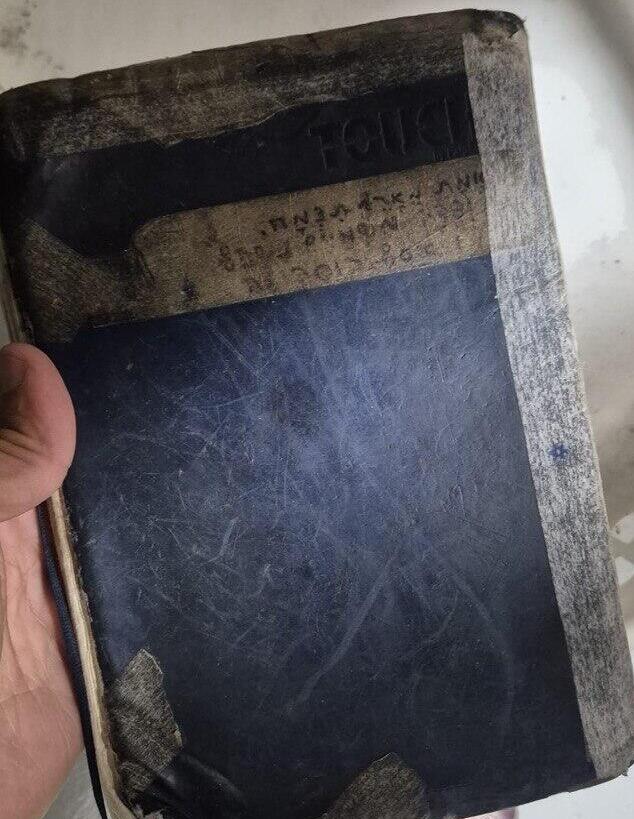
He documented everything in meticulous handwritten records. “Yossi’s” notebook in his prison cell
(Photo: Israel Police)
Police say wiretaps of the prison telephone captured Buskila giving Ben Hamo detailed instructions on how much force to use against debtors. In one conversation, Buskila allegedly discussed kicks to the head, slaps and blows to the face and told Ben Hamo to buy baseball bats, while also warning him not to go “too far.”
In another recording, Buskila allegedly told a debtor that even if he did not personally harm him, “people outside” would pay the price if the debt remained unpaid. A separate recording cited by investigators allegedly captured Buskila threatening violence against a debtor and his mother.
Investigators also recovered what they describe as Buskila’s handwritten debt ledger. In one recorded conversation, he allegedly told Ben Hamo that the outstanding loans listed on a single sheet were worth about two million shekels and could generate approximately 100,000 shekels a month at 5% interest.
The offshore front
Even after the arrests, police say one of the hardest parts of the investigation was sitting across from terrified victims who had been identified through the notebooks seized from “Yossi’s” prison cell and from phones belonging to members of the group.
Noy said investigators summoned debtors whom they believed had endured humiliation and serious violence, sometimes in front of their children and relatives.
He recalled one gambling victim who sat across from him after police had already raided the homes of 27 suspects. Noy said he tried to take a statement about the man’s debts, the loans he had taken from “Yossi” and the people allegedly running the operation on his behalf outside prison.
The man owed hundreds of thousands of shekels, yet even after the investigation became public, Noy said, he still could not bring himself to say the name “Yossi.” His gambling had begun with relatively small sums on the sports betting site 50bet before, according to investigators, he was drawn deeper into the gambling operation.

They were given access to the betting site and lost hundreds of thousands of shekels
(Photo: Israel Police)
Investigators say the online gambling system operated through a hierarchy. At the top were servers believed to be located abroad. Police said they were unable to identify or reach the people operating those servers.
Below them, investigators say, were senior agents and local agents who recruited gamblers and provided access to sports betting sites through usernames and passwords. Buskila allegedly functioned as a senior intermediary in that system.
Gamblers received credit and settled their accounts each week, police said. Payments were allegedly made through bank transfers and Israeli payment apps, including Bit and PayBox.
Agents received commissions based on gambling activity. Those who lost were often offered further credit, then loans to cover the losses. The loans were frequently structured so that borrowers paid only the interest each month while the principal remained outstanding.
A borrower who took a 10,000-shekel loan, for example, could pay around 1,000 shekels in interest each month without reducing the original debt.
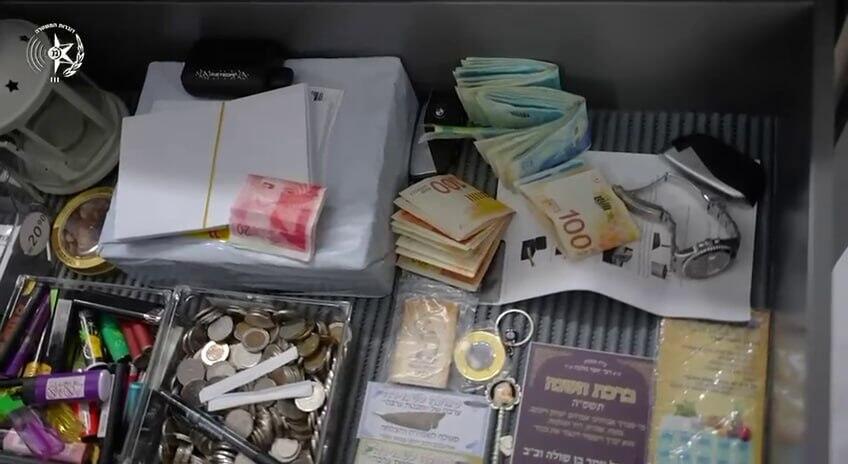
Money seized during the police raid
(Photo: Israel Police)
Police estimate that about 10 million shekels passed through the alleged operation over the years. The Tax Authority joined the investigation because prosecutors allege the proceeds were laundered and taxes were not paid on the income.
Police crack the code
Investigators monitored calls from the Shata Prison phone for roughly six months. Noy said Buskila frequently used “G-language,” a word game in which syllables are altered by inserting an extra consonant sound, apparently believing investigators would struggle to understand him. Police officers learned the coded speech and were able to follow the conversations.
By February, investigators said they had developed a clear picture of the operation and intensified the probe. They also obtained the notebooks from Buskila’s cell and found that the entries corresponded with information heard on intercepted calls.
Officers describe Buskila as intelligent, financially savvy and highly organized. They said he invested in real estate, ventures in Israel and abroad and cryptocurrency. “He was the kind of person who seemed born to become a millionaire through his own initiative,” one investigator said. “If he had been on the right side of the law, he could have gone far.”
When questioned, however, Buskila and the other suspects exercised their right to remain silent, police said. The overt phase of the investigation lasted about 40 days and involved 224 witness statements and the questioning of roughly 150 suspects. Ultimately, prosecutors filed a 14-count indictment against 10 defendants.

After six months of covert investigation, gang members were arrested at their homes
(Photo: Israel Police)
The charges include extortion by threats, aggravated assault, illegal gambling, exploitation, money laundering and tax offenses.
The indictment includes transcripts of alleged threats against debtors. One involved a prisoner who had accumulated a debt of 60,000 shekels. According to the indictment, he was threatened with violence against himself and relatives if he failed to pay, including a warning that his family outside prison would “pay the price.”
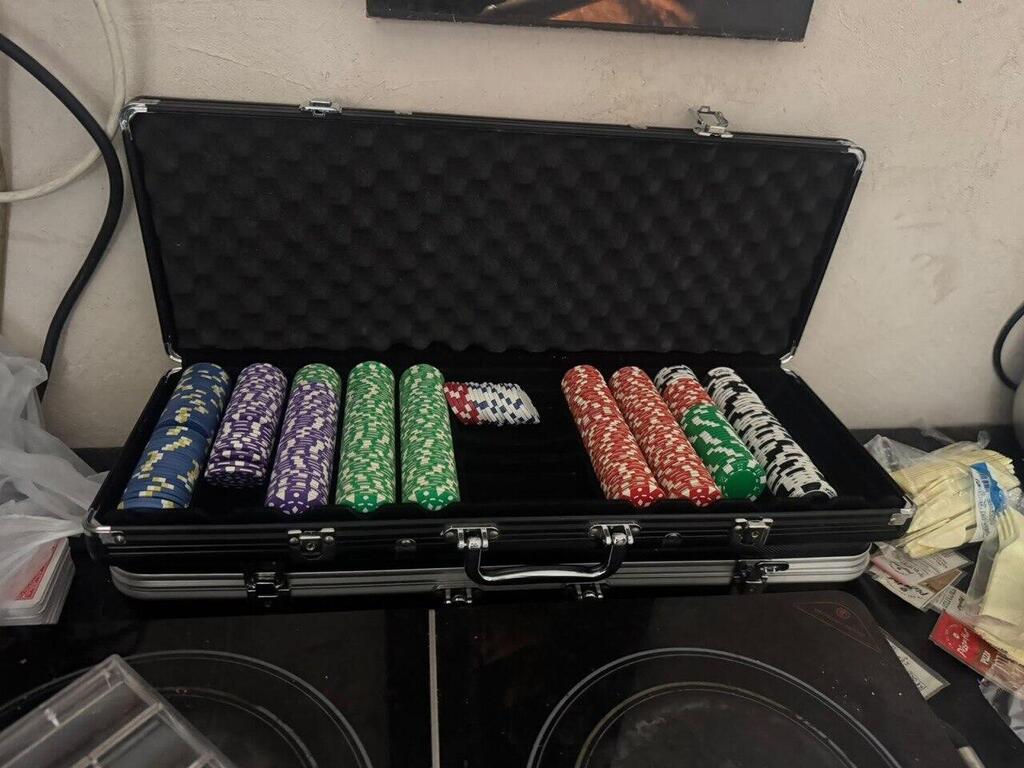
Inside the hideout apartment
(Photo: Israel Police)
Police say the organization also operated in Arab communities, possibly with assistance from local criminal groups. “In the criminal world, there is no Jew and Arab like in politics. Money unites Arabs and Jews,” investigators said.
One Arab debtor cited in the indictment allegedly received a call warning him that he had until the following day to repay “Yossi’s money” and that collectors knew where he lived.
Max, the German shepherd allegedly used in collection efforts, was seized by veterinary authorities. Investigators say some victims were terrified merely by the sight of the dog. “Debtors sat in front of us trembling, with fear in their eyes, and simply refused to speak,” police said. “They denied any connection to debts, threats or violence they had experienced.”
Some victims eventually gave statements after investigators gained their trust. Others continued to insist that “Yossi is a nice guy” and said they had knowingly accepted the terms of the loans.
On the day the investigation became public, police raided suspects’ homes and seized property, real estate, bank accounts, cryptocurrency and cash with an estimated combined value of 13 million shekels.
Authorities say they intend to seek forfeiture of assets they allege were derived from criminal activity. Investigators also gained access to cryptocurrency holdings worth about $417,000, seized 2.2 million shekels from bank accounts and found roughly 350,000 shekels in cash in homes.
Officer Mai Arbel, who focused on the financial analysis, said investigators had to work through a vast quantity of documents and transform them into evidence capable of supporting the indictment. “The debtors lived with the feeling that at any moment their lives could be over,” she said.
Noy compared the investigation to “a Netflix series” that kept opening into new subplots. He said investigators could probably have uncovered additional cases had the covert investigation continued for several more months, but eventually had to determine that they had gathered enough evidence to move toward prosecution.
Police say anonymous calls began arriving at the Migdal HaEmek station shortly after the arrests. “Good job for stopping this,” callers reportedly told officers. “Finally, the police acted.”
The law firm representing the defendants said: “The defendants deny the allegations in the indictment and will provide their detailed response in court.”