

“Days after I made aliyah and arrived at Kibbutz Na’an, I met Ariel at the ulpan,” she said, referring to a Hebrew-language program for new immigrants. “He told me the first time he saw me was on my first day at the kibbutz, when I walked into the dining hall, but I don’t remember him from there. The first time I remember noticing him was a few days later at the pool. I remember looking at him and thinking he was someone I wanted to get to know. That same day, we spoke for the first time, and from that moment, we were inseparable.
“He was 23, I was 20. He came from Brazil, I came from Spain, and like me, he made aliyah completely alone,” said Barbara Lubliner, 31, from Kiryat Bialik, recalling how she met her late husband, Ariel Lubliner.
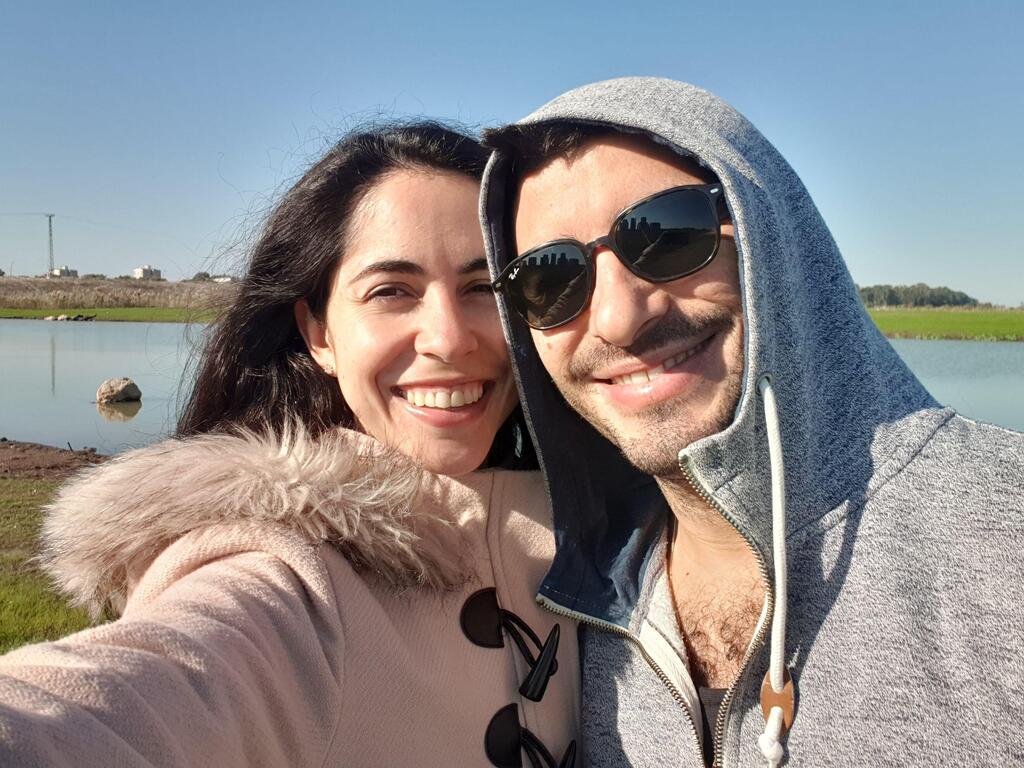
What brought a 20-year-old from Madrid to move to Israel alone?
“Since I was 16, I wanted to make aliyah because I was a Zionist, but my parents wouldn’t allow it. My mother was especially afraid because of the wars, and I was very young. I had to wait until I was over 19. I arrived in Israel on my 20th birthday, in August 2014, during Operation Protective Edge. Even though she initially objected, two years later, my mother also made aliyah.”
You met Ariel almost as soon as you arrived.
“Yes, right at the beginning. We were a group of young Jews from all over the world. We would wake up early every morning, work on the kibbutz and study Hebrew at the ulpan. Ariel had arrived a few months before me and worked at the kibbutz dog kennel. When we met, neither of us spoke Hebrew, and I didn’t know English well either. He spoke Portuguese and I spoke Spanish, but we talked all the time about everything. He quickly learned both Spanish and Hebrew — he was so good with languages.”
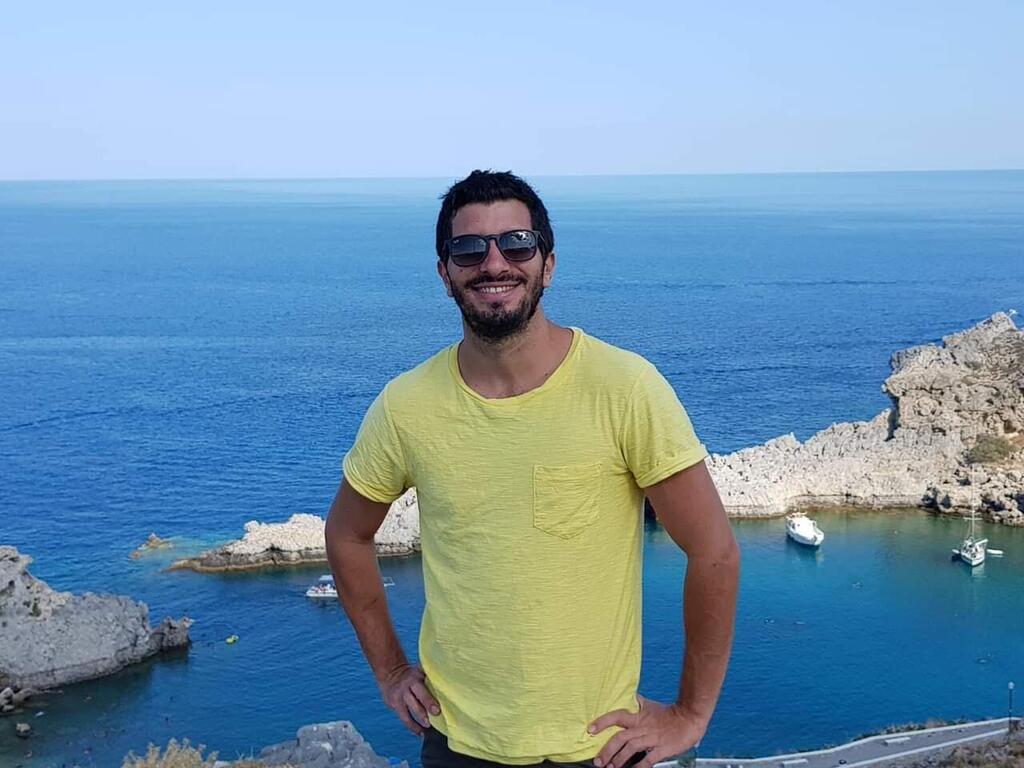
Ariel Lubliner
(Photo: Private album)
Did you become a couple right away?
“Yes, and very quickly we moved in together. I had a roommate from Italy who didn’t like the kibbutz and decided to leave, so Ariel moved into my room about a week or two after we met.”
After their time on the kibbutz, the couple moved into a one-room apartment in Tel Aviv. Ariel enlisted in the IDF Paratroopers Brigade, serving a shortened term due to his age. “Those first years in Tel Aviv weren’t easy,” she said. “We both studied and worked hard, and neither of us had family here. We struggled, but we always found time for each other and were happy because we had one another.”
When did you decide to get married?
“I told him from the beginning that I wanted to get married. In July 2018, we had a small, simple wedding at a restaurant in Tel Aviv, with only a few relatives. Afterward, we moved to Ramat Gan, and our financial situation improved. During the coronavirus pandemic, when we spent a lot of time at home, I told him we should buy an apartment. We entered the government’s subsidized housing lottery and won an apartment in Kiryat Bialik. I didn’t even know where that was at the time, but we took out a mortgage. When we got the keys, we had nothing — we slept on the floor, but we were so happy because we were together in a home that was ours.”
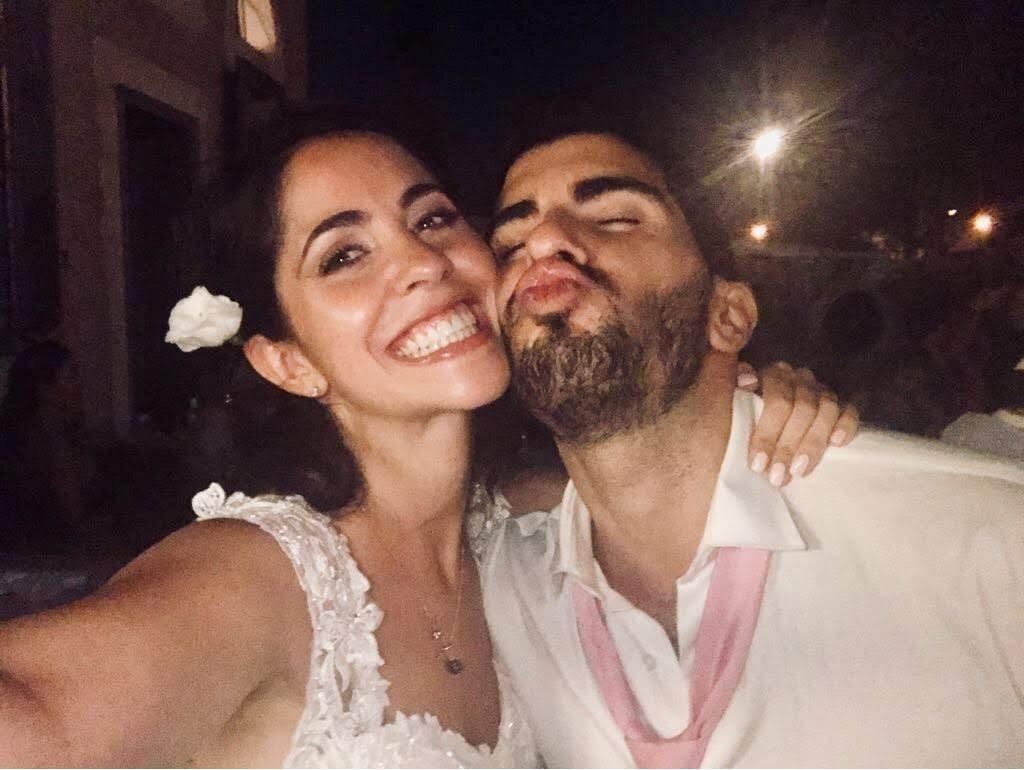
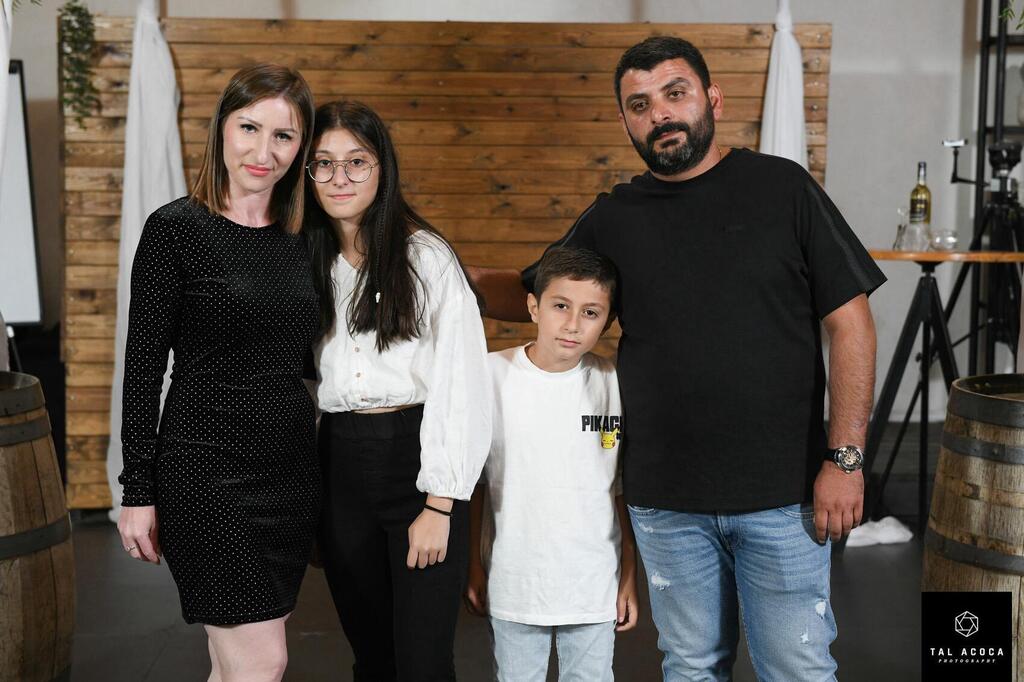
(Photo: Selfie)
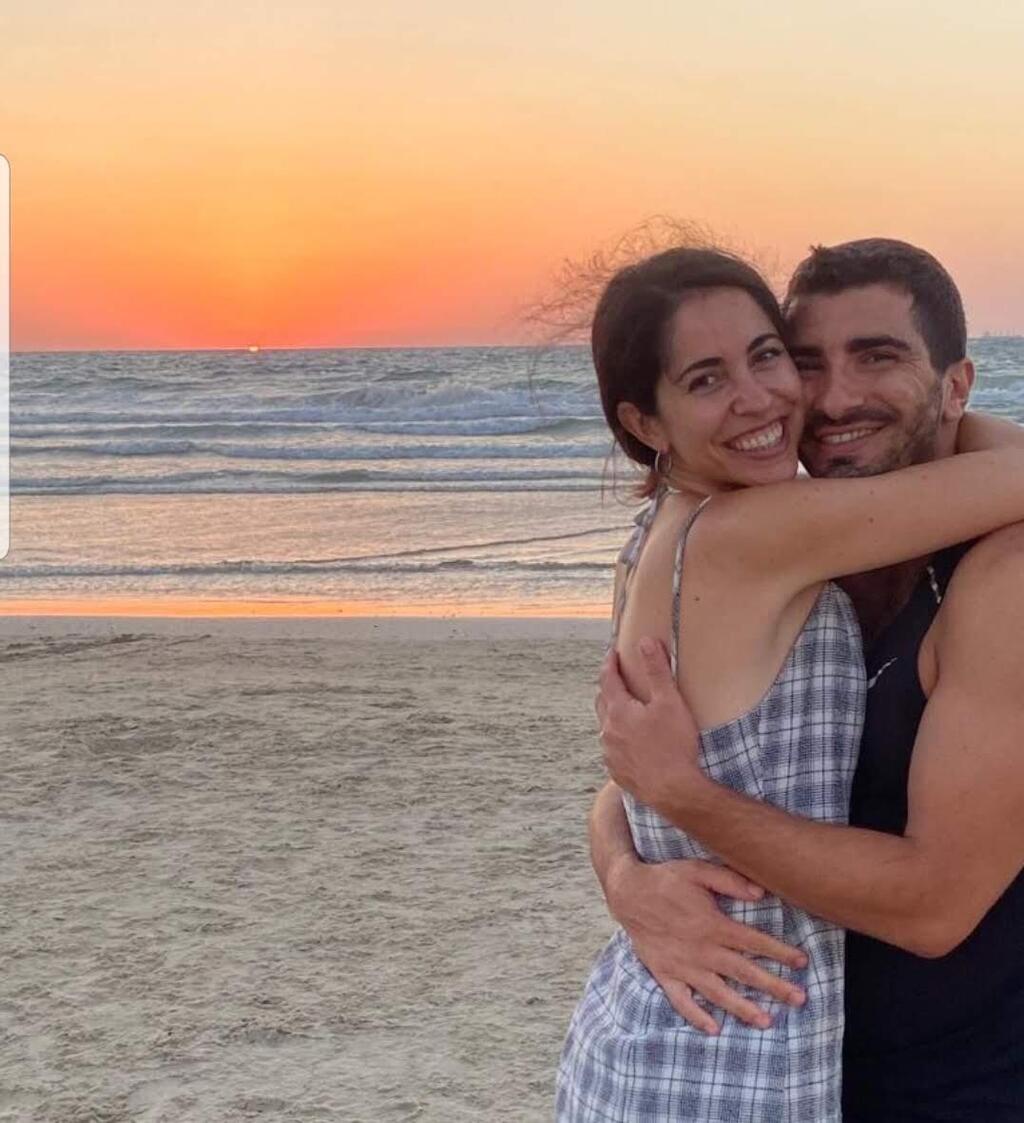
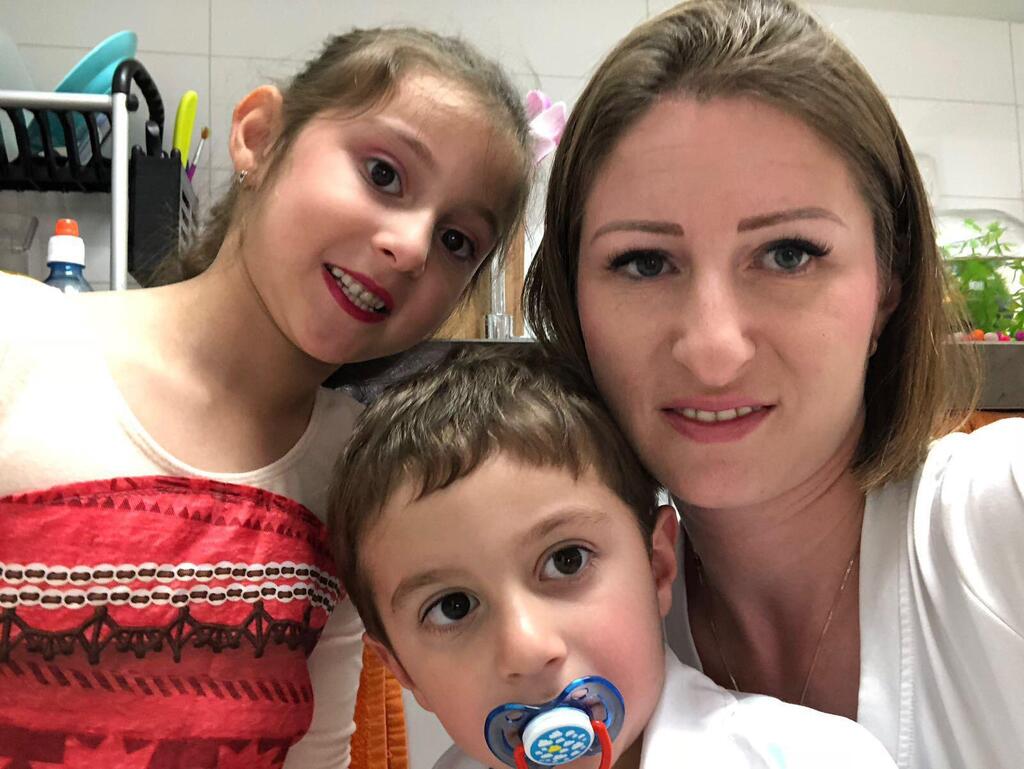
(Photo: Selfie)
On October 7, Ariel was called up to reserve duty early in the morning. “I was left at home with anxiety and depression,” she said. “I had never felt like that. From that day, he served about 300 days in the reserves, almost a full year. At first he served six months, returned to work, and then was called up again a few months later.
“I was very worried the whole time, but he was calm. By then I was already pregnant, and in December 2024 our son, Lior, was born. Ariel was with me during the birth — he was amazing. We had the brit milah at our neighborhood synagogue in Kiryat Bialik. We were very happy for eight months.”
What happened after eight months?
“It was a Friday. He was supposed to finish his reserve duty that Sunday — he had just three days left. We were planning to fly to São Paulo to visit his family and introduce them to Lior. That day I had already started packing. We spoke in the morning and he said they might have one last small mission — to enter Gaza and return.
“I asked if it would be during the day or at night, and he said it wouldn’t be at night. That evening I was with my mother. We cooked dinner and ate with Lior. I was so tired that I went to sleep at 8 p.m. Before falling asleep, I called Ariel, but he didn’t answer. He texted that he couldn’t talk. After that, I don’t remember anything until the middle of the night. There are hours I don’t remember at all.”
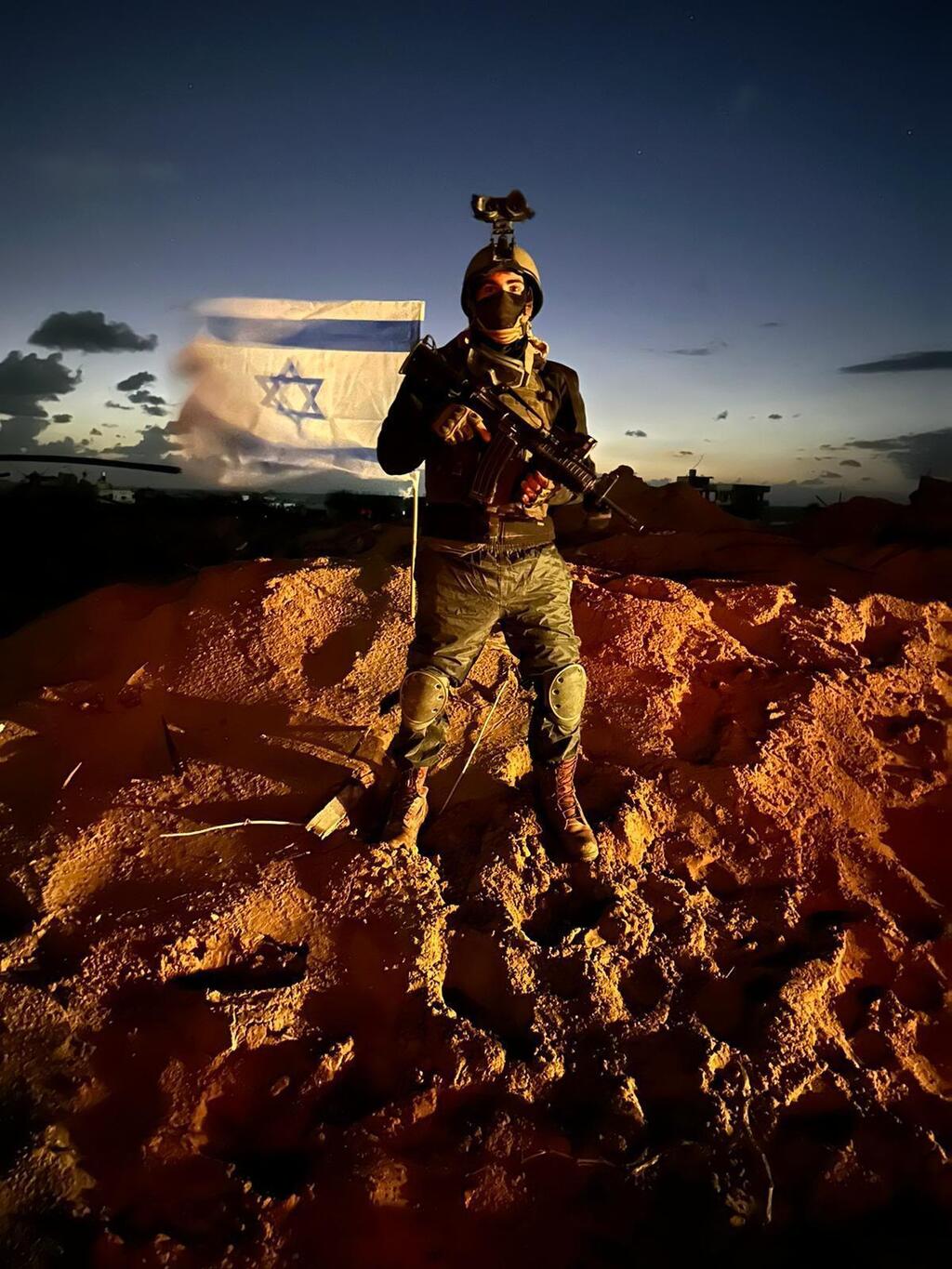
Sgt. First Class (res.) Ariel Lubliner during operational activity
(Photo: Private album)
You don’t remember what happened?
“I don’t. I was in shock. My mother says that after I fell asleep, four soldiers came to the house around 10 p.m. and asked if Ariel lived there and if I was home. At first, she didn’t understand, then she realized and began screaming. She couldn’t speak, only scream.
“She says she opened my bedroom door and shouted, but I didn’t wake up. Even when the soldiers tried to wake me, I didn’t respond — they realized I had fainted in my sleep. When they finally woke me, I got up, tried to speak, and fainted again. This happened five or six times, so they called paramedics. It was chaos. Only around 3 a.m. did I begin to understand what had happened.”
What do you remember from that night?
“I remember speaking to one of the soldiers around 3 a.m., who asked me practical questions, like where I wanted to hold the shiva,” she said, referring to the seven-day Jewish mourning period. “I also remember that around 4 a.m. they asked me to call Ariel’s parents. I did. It was terrible.”
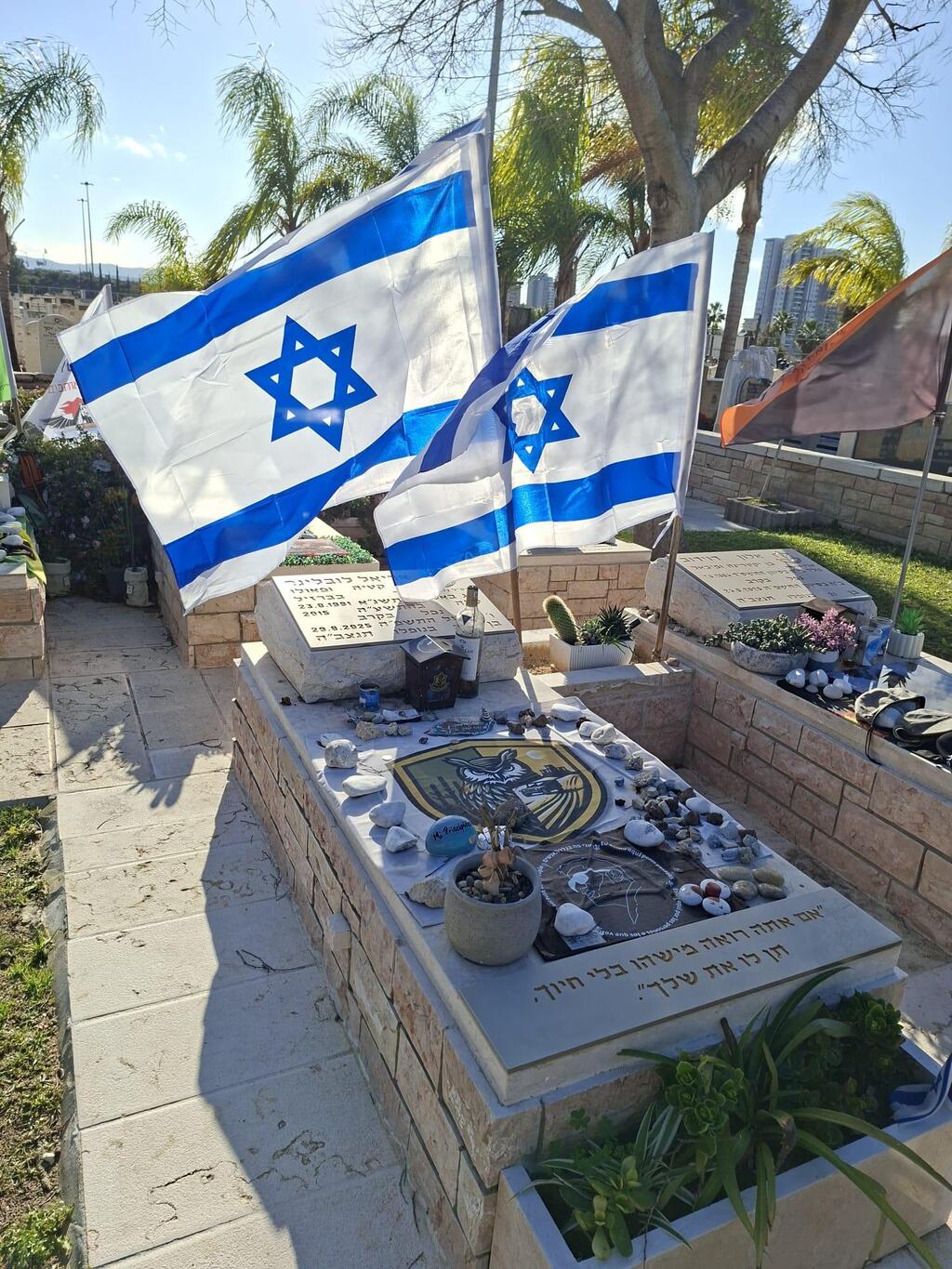
Grave of Sgt. First Class (res.) Ariel Lubliner
(Photo: Private album)
Really terrible.
“Yes. I called Katya, Ariel’s mother. It was a short call. I couldn’t speak — I just said ‘I’m sorry’ again and again, maybe 10 times. I couldn’t say anything else, but they understood. Ariel and I were together for 11 years.”
How are you today?
“I feel a very deep longing, but I don’t have the option of falling into depression because I have to be strong for our baby. I have to be strong for Ariel. He was, and still is, the love of my life. He is everything to me. I still talk to him.
“The cemetery is in our neighborhood, and every morning I start my day by visiting him. Sometimes I don’t believe I’m an IDF widow. I still feel married, like he’s in the reserves and will come home soon. I know his body is no longer here, but his soul is with me.”
'I don’t think anyone would want to be with someone who still loves her late husband'
Seven months later, she said people have begun asking about a new relationship. “They tell me I have to think about it, but it’s impossible. We have a WhatsApp group of widows, and I see some of the women have remarried. I’m happy for them, but I can’t even think about it.
“People tell me I won’t be a widow forever, that I’ll have another husband and more children. I tell them I don’t think about it and don’t want to — I see myself remaining Barbara Lubliner for life. I also don’t think anyone would want to be with someone who still loves her late husband.”
You’re still in love with him.
“Yes, of course, always. That will be my whole life. I loved everything about him. He was my best friend. We knew each other so well — just looking into his eyes, I knew what he was thinking or wanted, and he knew the same about me. We truly were everything to each other. It’s very hard to go on without him.”
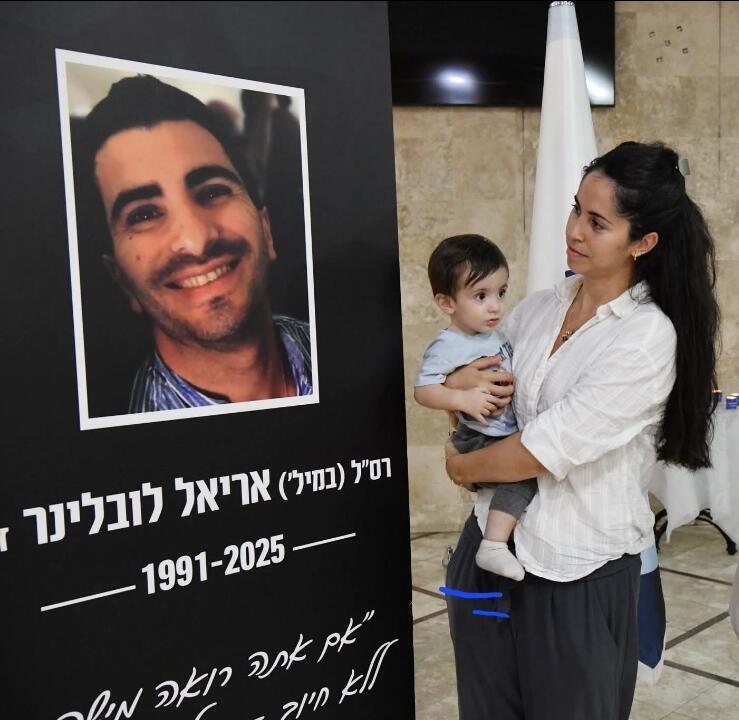
Barbara and Lior Lubliner at an event in memory of Ariel
(Photo: Private album)
Sgt. First Class (res.) Ariel Lubliner, son of Katya and Paulo, was killed on Friday, Aug. 29, 2025, during operations in Khan Younis in the southern Gaza Strip. He died in an operational accident caused by IDF fire. He was 34. He was buried in the military section of the cemetery in Kiryat Bialik. He is survived by his wife and son, his parents, two sisters and a brother.
The story of Samuel Daunov and Yulia Vakser-Daunov
“We met through mutual friends. Yulia was just 17 — still a high school student — but even then, I saw she knew exactly what she wanted. She had both feet on the ground, which is rare at that age. She knew she wanted to join the police.
“We were together for six years until I proposed on a beach in Eilat. We later married. Our daughter Shirel was born, then our son Liron. We were married for 14 years — 20 years together. I spent half my life with her,” said Samuel Daunov, 43, from Beersheba.
Daunov, born in the former Soviet Union, immigrated to Israel with his family at age 7. Yulia immigrated from Ukraine at age 10. At 15, she began volunteering with the Israel Police through a school program and dreamed of becoming an officer.
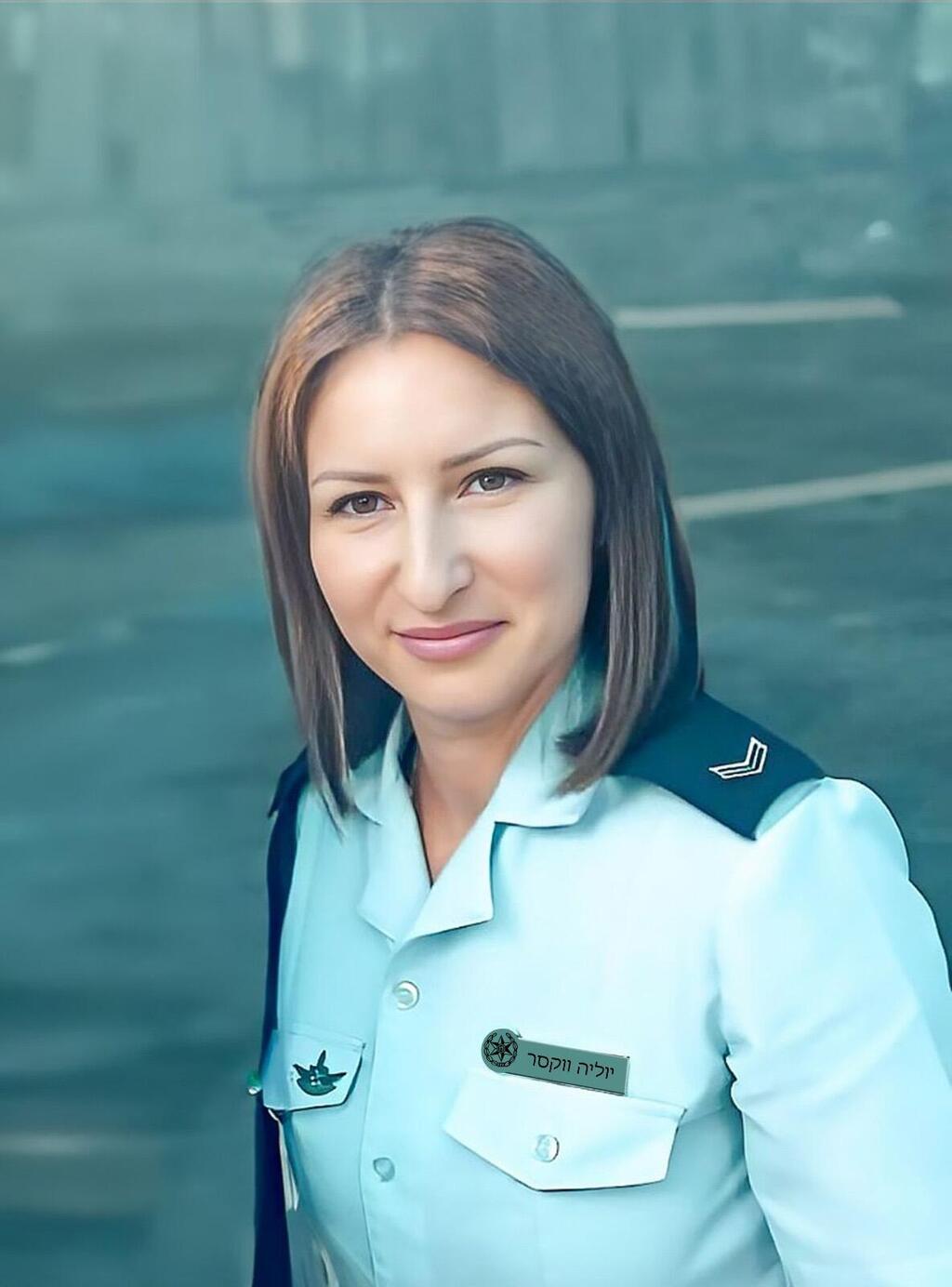
Sgt. Maj. Yulia Vakser-Daunov
(Photo: Private album)
She served in the military as a police clerk in the Negev district and later continued in the Israel Police, rising through the ranks. She earned a bachelor’s degree in public administration and policy and a master’s in business administration. From 2018, she served as chief of staff to the operations officer of the Southern District.
“On October 7 at 6:30 a.m., just as everything began, Yulia finished a night shift at the Nova music festival near Re’im,” Daunov said. “She and other officers were heading to their cars when the sirens began. Some officers left, but she turned back. The commander decided to shut down the party and send everyone home, and Yulia was among those evacuating the crowd.
“It took time to realize there were terrorists. They evacuated people until 7:30 a.m., then she moved to the police command post on the main road and reported in real time on the number of attackers, casualties and wounded. The terrorists entered the festival grounds at 9:10 a.m.
“It’s important to remember that while 150 people were killed at the site, there were about 3,000 attendees. The 15 officers there evacuated more than 2,500 civilians. If they had started half an hour later, the outcome would have been very different. They saved many lives.”
Right: Samuel, Liron and Shirel Daunov; Yulia Vakser-Daunov
(Photo: Private album)
What was going through your mind during that time?
“At first, we thought she had been kidnapped because her phone was found near the border. The last message she sent me was, ‘Take care of the kids. I love you.’ In those days, everything runs through your head — I didn’t know what was worse, that she was kidnapped or killed. We’re talking about a policewoman, a woman — what would she have gone through? I didn’t sleep. No one knew what was happening. Only on the 10th day, Oct. 18, did I receive the news that she had fallen.”
How were you notified?
“At 10 p.m. that day, police officers came to the house. The children were still awake. I was on the balcony. My son opened the door and told me, ‘Dad, the police are here.’ The moment he said that, I understood. Later, I learned she was killed at 9:24 a.m. at the festival site, near an ambulance. She had no chance — they had Kalashnikovs and RPGs, and she had a small pistol. Identification took time and was ultimately confirmed by DNA.”
Yulia Vakser-Daunov with her children Liron and Shirel Daunov
(Photo: Private album)
When did you tell the children?
“Immediately. A few minutes after the officers arrived, I took them into a room and told them. It takes time to process something like that. They were 8 and 12.”
How has your life changed?
“Almost three years have passed — everything has changed. Every day I work to commemorate her. Before October 7, I was self-employed and focused on my business. Yulia handled everything at home. Today I’m a full-time father, doing everything alone — the house, the children, school. My relationship with work has completely changed, and I’ve gotten to know my children in a new way.”
After so many years together, it must be difficult to adjust to single parenthood.
“Yes, very difficult, but you adapt. In the past three months, I’ve been in a new relationship, but it’s not simple. My partner is divorced — her previous relationship ended by mutual decision. That wasn’t the case for us. Yulia and I didn’t plan to separate. We didn’t want our relationship to end.”
Sgt. Maj. Yulia Vakser-Daunov, daughter of Yelena and Alexander, was killed on October 7 in combat at the police command post in Re’im. She was 37. She was buried in the military cemetery in Beersheba. She is survived by her husband, two children, her parents and a sister.
Barbara and Samuel are set to take part Monday evening in the Masa organization’s Memorial Day ceremony — the largest English-language ceremony of its kind, aimed at Jewish communities in dozens of countries worldwide. The event will focus on the stories of lone soldiers, new immigrants and victims of attacks from the Jewish diaspora.