

“An Arab will never stop hating us.” The senior IDF officer said it without hesitation. He knew he was speaking to an Arab journalist who explains Israel to readers and viewers across the Arab world. He knew that before the war in Gaza, many Arab countries appeared to be going through a deep shift toward normalization with Israel.
Still, his answer felt like a slap in the face.
It came during a background briefing with journalists, in response to a question about IDF operations in general, and in Gaza and the West Bank in particular: Does Israel take into account the long-term strategic consequences of its actions?
He is not the only one in Israel who thinks this way.
I asked him: “Do you ever ask yourself why?”
He answered: “Whatever we do, they will hate us.”
“Have you ever been to Nazareth, Abu Ghosh, Acre, Dubai or Dahab?” I asked.
After some hesitation, he said: “There are exceptions. No doubt.”
“And if someone gave you the task of trying to turn that exception into the majority, would you take part?”
“That is not my job,” he said.
The conversation ended, but the question remains. Across the Arab world, people are asking: What is happening to the Jews of today?
No country draws the attention of the Arab world more than Israel. Perhaps it began as “know your enemy,” but it did not remain only that. Many Arabs wanted knowledge and answers. For years, they learned about Israel mainly from hostile Arab sources, mobilized media, propaganda and incitement. Many believed that distorted picture until they encountered another truth.
Israel’s achievements in science, technology, security, high-tech and the economy raised more questions and increased the demand for reliable information.
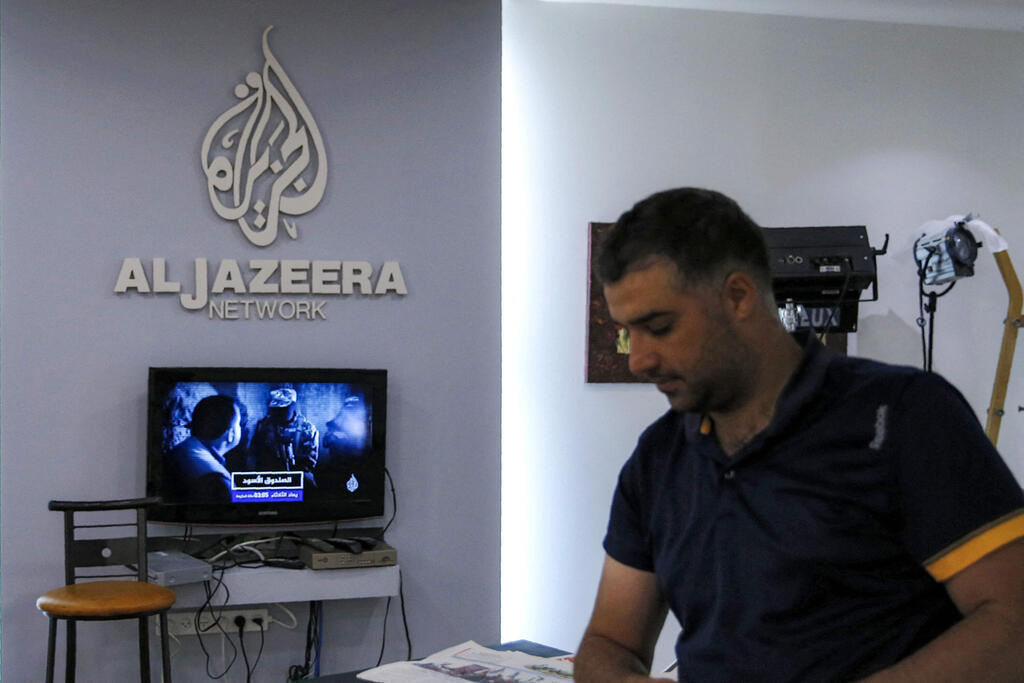
When that demand became real hunger, Arab media faced a major challenge. Major newspapers such as Asharq Al-Awsat and Al-Hayat began employing Arab citizens of Israel as correspondents in the early 1990s. Al Jazeera later joined, followed by Al Arabiya. Today, there is no influential Arab channel or newspaper without a correspondent in Israel. Even Hezbollah-linked Al Mayadeen has commissioned reports from Arab Israeli journalists.
Some correspondents knew how to deliver the kind of stories Arab audiences wanted to hear. But either way, important and authentic information about Israel reached the Arab world — information that did not fit the old propaganda.
The IDF understood this before Israel’s political leadership did. Background briefings with Arab journalists did not take place until Miri Regev became IDF spokesperson. In 2005, Al Jazeera was at its peak. Its correspondents entered the Kirya and other military sites with confidence, as journalists bringing modern reporting to the Arab world.
That openness benefited both sides. The IDF’s Arabic-language spokesperson’s unit grew stronger, and Lt. Col. Avichay Adraee became a famous figure in the Arab world — liked by some for supplying useful, rational information, and disliked or mocked by others for a style they see as lacking modesty.
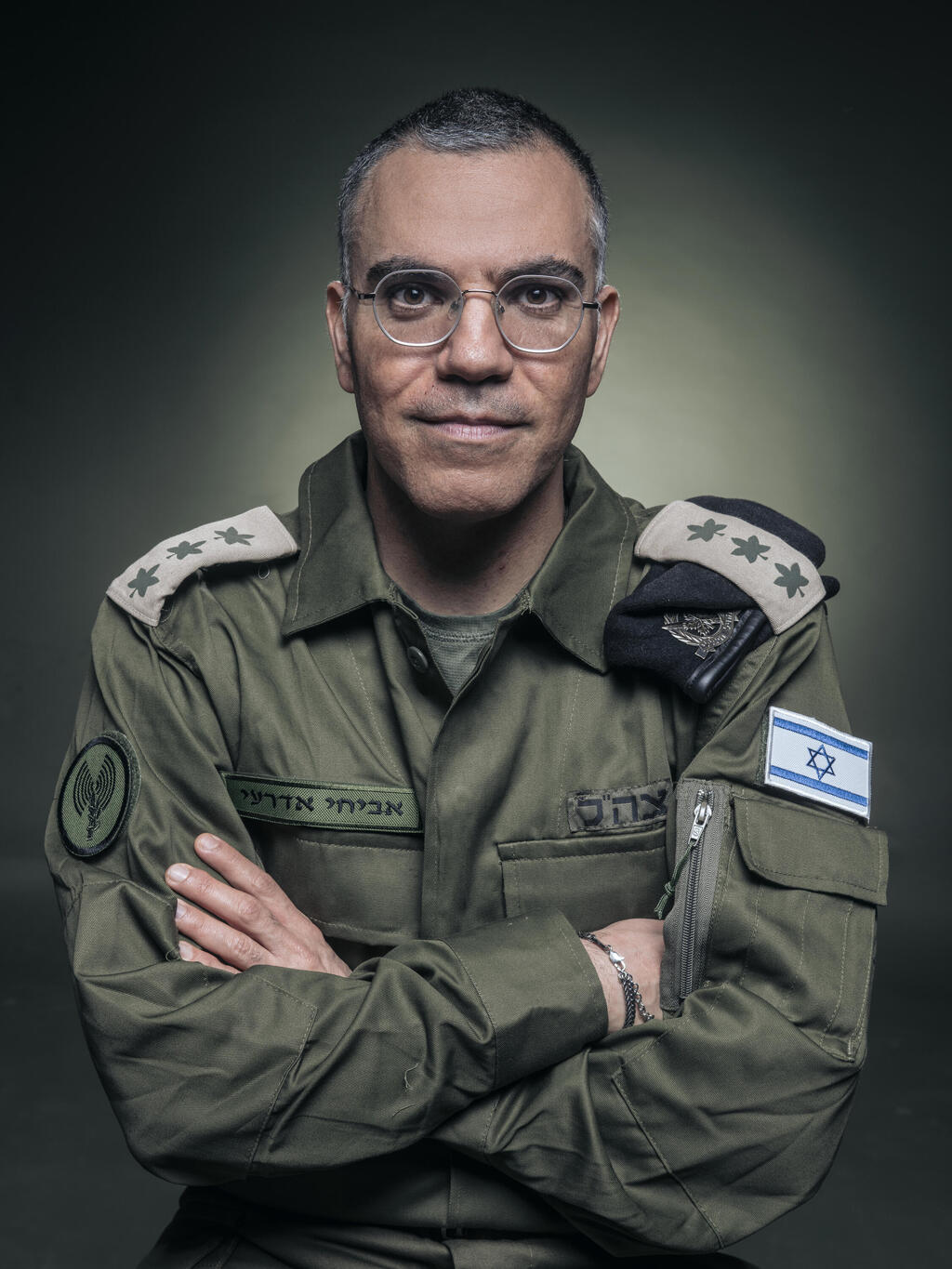
Lt. Col. Avichay Adraee
(Photo: Illya Malinkov)
At the diplomatic level, Israeli governments tried to imitate the IDF’s outreach to Arab media but remained behind. They did not always know how to use the potential, and still often fail to provide authentic, persuasive and professional public diplomacy. Sometimes this comes from ignorance about the Arab world and the changes it is undergoing in its attitude toward Israel. Sometimes it comes from unprofessionalism. Often, it also comes from arrogance.
In the 2.5 years of war, this process has taken a dramatic leap. Since Oct. 7, 2023, the Israeli voice has reached the Arab nation live and from the source. Netanyahu’s speeches and those of his ministers have been broadcast live with simultaneous Arabic translation and later quoted in news bulletins. Studio discussions were repeatedly interrupted for statements by Israeli leaders.
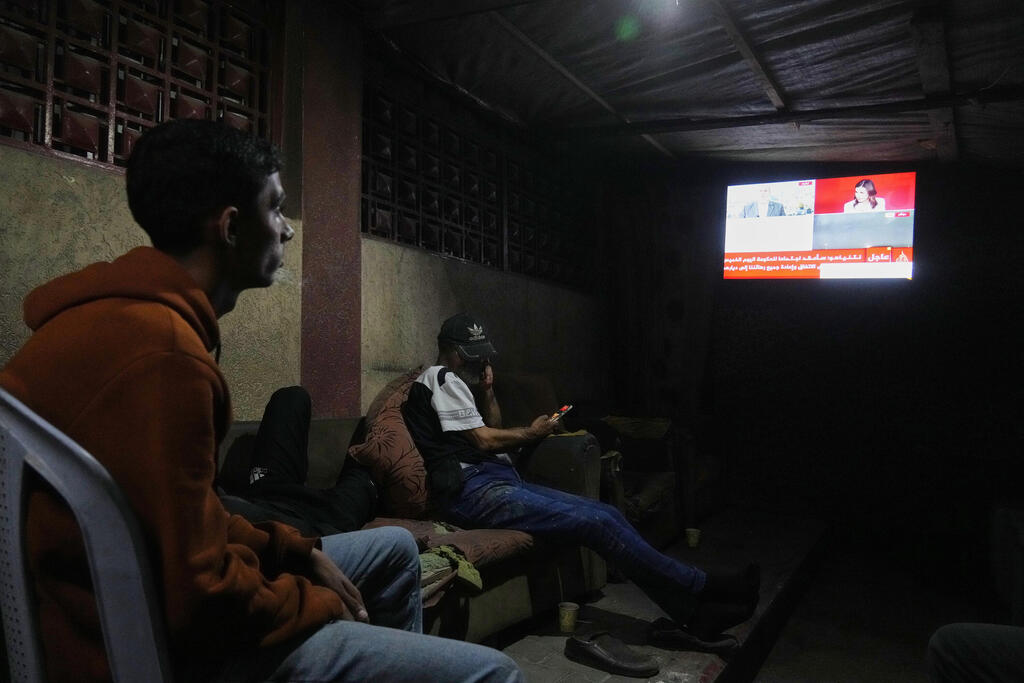
Even as Israeli planes bombed universities, schools, mosques and churches, even as thousands of women and children were killed and homes were destroyed in Gaza and in West Bank refugee camps, the voice and image of IDF spokesman Rear Adm. Daniel Hagari appeared on screens in Palestinian and Arab homes. Every appearance was broadcast and translated reliably for Arab audiences.
At the same time, while Israel practiced military and self-censorship over IDF operations in Gaza and later Lebanon, and while broadcasters, reporters and commentators in Israeli studios often concealed the harsh consequences, Arab media made sure to carry the other voice — the Israeli one.
It was openness against opacity. Veteran Arab journalists remembered the 1960s, when Israel projected great self-confidence and often told the truth, while Arab media concealed it.
After 50 years of deeper and more authentic Arab familiarity with Israel, there is no longer one united Arab hostility toward Israel. There is an internal Arab conflict over Israel. The Abraham Accords were one of the clearest expressions of that change.
Hamas, inspired by Iran, attacked Israel in an effort to destroy that process. Israel’s harsh, unconventional and destructive response turned it, in effect, into a subcontractor for Hamas, helping it advance that goal and damaging the new Arab current that wanted normalization with Israel.
What had been seen as Israeli wisdom suffered a severe blow after Oct. 7.
The questions I now hear from Arab colleagues, influencers and policy figures have become much harder. Covering Israel for the Arab world has become more difficult. Israeli policy is seen as a gamble with everything on the table. Even those who hate Hamas, Iran and Hezbollah cannot digest Israel’s conduct throughout the war. Many believe this policy is helping the extremist axis.
Even friends of President Donald Trump, who strongly supports the Israeli government, do not understand how Netanyahu has placed everything in his hands.
They ask me: “Don’t you think about the day after? Is there no responsible body analyzing reality, examining scenarios and drawing professional conclusions about the future? How is policy made in Israel? What are the considerations? How do Israelis understand the value of good neighbors? Even if there are military achievements, why not use them for a diplomatic horizon? The first rule of wars is to end them with political achievements. Is Israel waiting for Trump to do that work, too?”
A wealthy, educated woman from Gaza, now a refugee in Egypt and known for opposing Hamas, asked me in despair: “Don’t Israelis have children? Don’t they think about their future? Do you know that my grandson talks about revenge?”
A Syrian intellectual living in Canada, who celebrated the fall of the Assad family’s regime, canceled his plan to return to Syria with his family because of the uncertainty there.
(Photo: AHMAD GHARABLI / AFP)
“What do the Israelis want from Syria already?” he asked. “A country without an army, extending a hand for peace and ready to cooperate against terrorism — why is it met with such hostility from Israel?”
A senior Egyptian diplomat I met in Tel Aviv told me: “You know how much I hate Iran. But Israel has been exposed. For me, it is the second Iran in the region. What it did in Gaza conveys weakness more than strength. The arrogance of its leaders and the talk of turning Israel into the most powerful force in the region and the world express a sick internal weakness.”
A senior official in Abu Dhabi, once an enthusiastic supporter of the Abraham Accords, spoke of deep shock.
“What Hamas did was not only carry out a cursed, murderous attack,” he said. “It also pulled Israelis out of judgment and strategic thinking, dragging them into sacrificing future generations to a dark future.”
He recalled Netanyahu’s 2015 comment at the Knesset Foreign Affairs and Defense Committee, when he was asked whether Israel would forever live by the sword and answered, “Yes.”
“Do Israelis understand what that means?” the Abu Dhabi official asked. “What leader promises his people wars for life?”
The Arab world is watching Israel more closely than ever. But attention is not support. Israel’s words are translated, its leaders are heard and its military briefings are broadcast. Yet everything Israel says is now weighed against what Arab audiences see.
The question is whether Israel understands what it is showing them.
Nazir Majli has worked for Asharq Al-Awsat for more than 30 years. He also works for Saudi channels Al Arabiya, Al Hadath and Asharq, Egypt’s Al Ghad and the Emirati channel Al Mashhad. He has hosted current affairs programs on Israeli television and radio and was editor-in-chief of the Haifa-based newspaper Al-Ittihad in the 1990s.