

The Tel Aviv building housing the IDF Medical Corps' Taatzumot center looks like any other residential or office building in the heart of the city. There are no prominent military markings on its facade, and nothing prepares visitors for the reality waiting beyond the door. But behind its ordinary appearance, a daily encounter takes place with one of the heaviest and least visible costs of war: the psychological wounds that combat soldiers bring home from the battlefield.
Here, far from the front lines, a different kind of battle is taking place: the struggle to function again. The soldiers who arrive at the center carry with them what their service has left behind: traumatic events, fallen friends, feelings of guilt, constant alertness and sleepless nights, all of which have become part of their everyday lives. For some, the road to recovery begins at the moment they admit they need help.
In the room where the group meets, uniforms are left outside, and so are names. The center maintains strict confidentiality, and in some sessions, even combat experience and the events themselves remain beyond the door. What remains is a circle of people who need no explanations. Here, no one has to explain what anxiety feels like, why a particular sound makes them jump or why returning home has not brought the peace they expected.
Women also receive treatment at Taatzumot, most of them, according to staff, from military intelligence and mixed-gender battalions. On the day we visited the center, a female combat soldier was sitting in the circle. She did not speak, and no one asked her to explain why. Sometimes, simply sitting in a room alongside people who understand without words is already part of the journey back to life.
The gap between the image of a combat soldier who keeps going under any circumstances and the realization that even they can reach a breaking point is one of the recurring themes in these meetings. While seeking help from a military mental health officer was once seen by some soldiers as embarrassing or a sign of weakness, the center is trying to replace that perception with the understanding that treatment is part of coping with the psychological cost of military service.
At home, one soldier in the group says, everyone worries about him, wants to know what he is going through and tries to help. But sometimes that concern turns into endless questions, while what he really needs is quiet and space to process what he has experienced.
At Taatzumot, he says, they understand that need. Meeting people who have gone through similar experiences allows him to feel that he does not have to explain himself at every moment, and that his difficulties do not make him different from everyone else. "I understand that they worry," he says of his family, "but they need to understand that things have to be done differently."
A new group every Sunday
The Taatzumot center was established about two and a half years ago to provide treatment for soldiers experiencing significant psychological distress and impaired functioning.
Lt. Col. Dr. Michal Lifshitz, head of the Taatzumot branch, explains that the model developed at the center combines intensive treatment with a broad support system that addresses not only symptoms, but also everyday life, military structure and the ability to function again.
"Every Sunday, a new group of 10 to 12 patients begins treatment," she says. "The group is led by a commander, sometimes someone who has served in significant combat roles. Some are commanders from the Duvdevan commando unit who now serve in the reserves, and for about a month, that person serves as the group's commander in every sense."
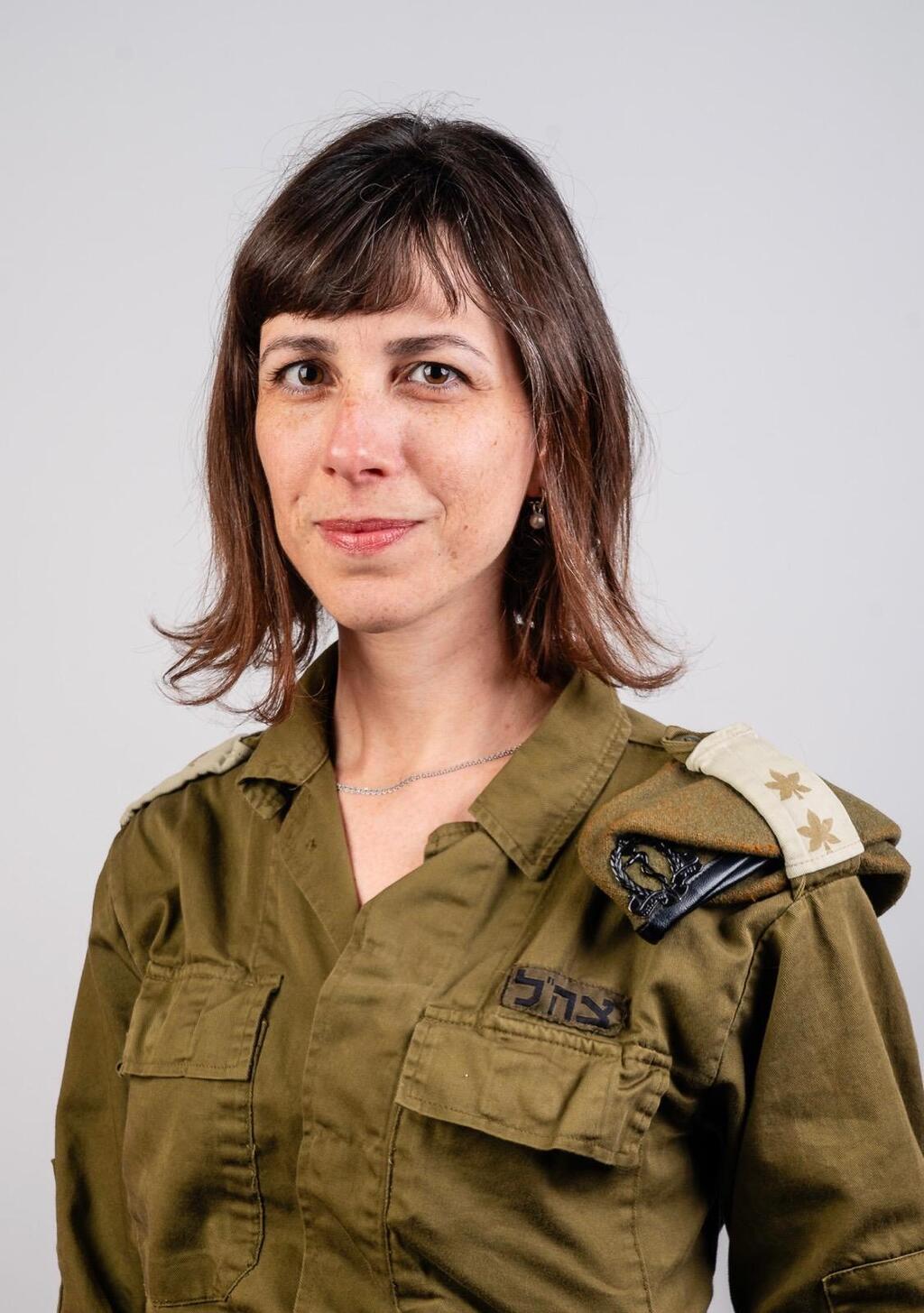
Lt. Col. Dr. Michal Lifshitz
(Photo: IDF)
At first glance, one might assume that someone seeking treatment needs, above all, distance from the military system. But the IDF has found that for some soldiers, the military framework itself is an essential part of recovery.
"Before the center was established, some soldiers dropped out of previous treatment programs. Treatment alone was not always enough to ensure they stayed," Lifshitz explains. "The presence of a commander who makes sure the soldiers arrive every day, sometimes in uniform, maintains a sense of belonging and commitment and helps prevent them from dropping out."
Alongside the commander, she emphasizes, two facilitators accompany the group and are responsible for opening and closing each day.
Throughout the day, patients participate in workshops on emotional regulation and coping with post-traumatic stress symptoms, alongside activities designed to gradually restore their sense of control over their lives. One of the main areas of focus is sleep: sleep hygiene, techniques for falling asleep and coping with sleep disorders. That emphasis is no coincidence.
For those who have become accustomed to long periods of operational alertness, the body does not always know when it is safe to relax. Heightened arousal, adrenaline and a constant sense of needing to be prepared for any scenario can persist long after the immediate danger has passed. The night, which should be a time for rest, becomes another battlefield for some soldiers.
Beyond sleep, mind-body activities play a central role, including boxing, surfing and climbing. These are intended to help patients find different ways to regulate their emotions and establish coping routines they can maintain over time.
The idea is not to offer everyone the same treatment, but to allow patients to try different tools and discover what works for them. For one person, it may be physical exercise; for another, an outdoor activity; and for a third, a personal conversation.
Gradually, the group evolves from a treatment framework into a genuine source of support. Patients form relationships, go out together and sometimes even take trips on weekends. Within the group, a kind of trust develops that is difficult to find outside it. No one has to explain why an anxiety attack disrupts their day, why an innocent question can trigger distress or why someone sometimes needs distance from the people closest to them.

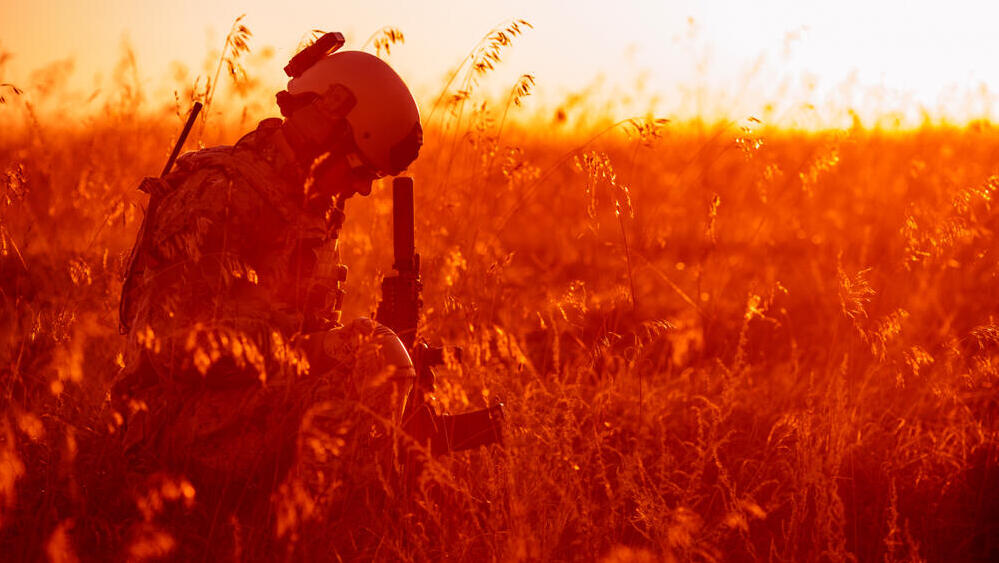
For some combat soldiers, nighttime becomes another battlefield
(Photo: Shutterstock)
Treatment, however, does not end with conversations and activities. Some patients also struggle with everyday tasks they once took for granted. Occupational therapists assess their cognitive and daily functioning and help them rebuild basic habits and abilities. Some need assistance even with getting organized in the morning or performing simple tasks such as brushing their teeth.
These are the moments that reveal just how deeply psychological injuries can affect a person's life. They are not limited to painful memories or feelings of fear. They can seep into everyday routines and undermine the ability to perform even the simplest tasks.
Only about 5% return to combat roles
So far, more than 1,600 soldiers have received treatment at the center. According to figures provided by the branch, about 95% are combat soldiers and roughly 90% are men. Approximately 70% of those who come to the center remain in military service, most of them reassigned to meaningful noncombat roles, including firearms instruction, camouflage, the IDF Education Corps and the IDF Spokesperson's Unit.
Only about 5% return to combat roles. These figures illustrate one of the model's central goals: not necessarily to return every soldier to where they were before the traumatic event, but to help them stabilize, regain their ability to function and find a new place within the military system, whenever possible and appropriate to their condition.
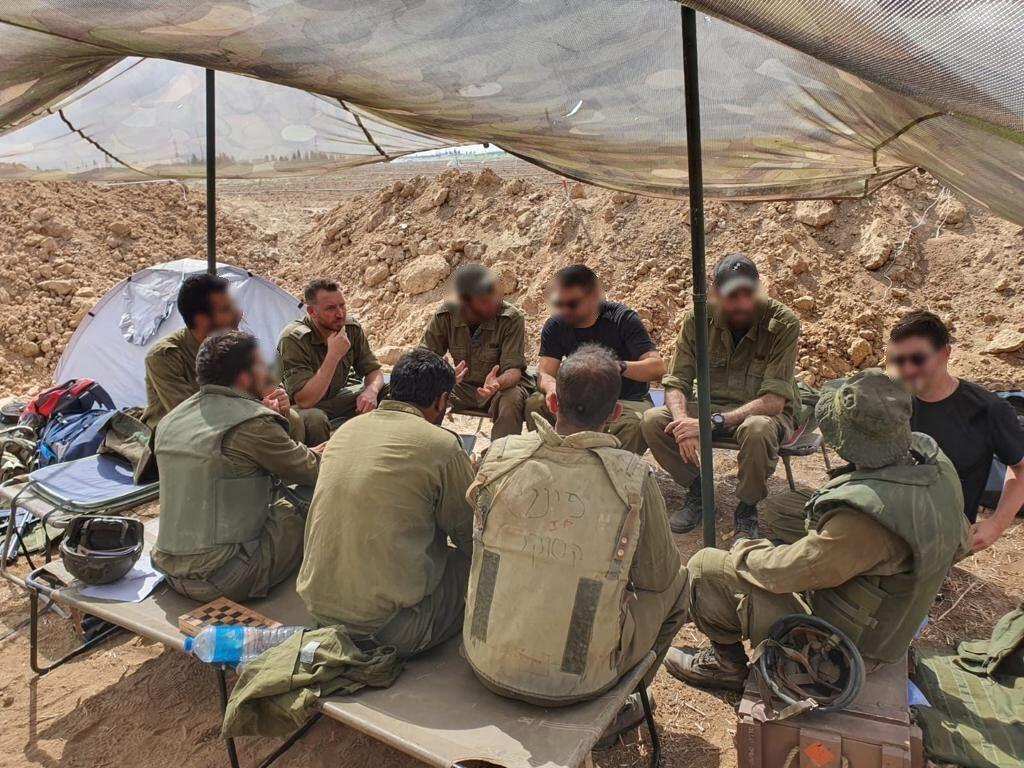
Soldiers during a trauma-processing session with a military mental health officer in the field
(Photo: IDF)
The process is not supposed to stop once treatment at the center ends. Soldiers who are discharged are referred for continued care through the military's Combat Stress Reaction Unit or the Defense Ministry's Rehabilitation Department, with the aim of maintaining continuity of care and preventing a situation in which the transition from military to civilian life leaves patients without a clear source of support.
The branch reports a steady average of about 10 new referrals each week, or roughly 40 new patients per month.
When do most people come to you? At the height of the fighting?
"Not necessarily," Lifshitz says. "Often, the symptoms begin to surface דווקא after soldiers return home or take leave. During operational activity, the soldier is focused on the mission. They are required to function, make decisions and react quickly. Even when difficult events occur, there is not always time or an opportunity to stop and understand what has happened."
"When the operational pressure eases and the soldier returns to a civilian environment, the body and mind begin responding to everything that was pushed aside. In that sense, returning home is not always the end of the battle. Sometimes it is precisely the moment when the internal struggle begins, and the war continues at home."
An abnormal way of life
The path to Taatzumot begins with a referral, followed by assignment to the IDF's RM2 medical support framework and a two- to three-week assessment period, during which the soldier's condition is evaluated and an appropriate treatment plan is determined.
"The clinic provides treatment for soldiers who have experienced a breakdown in their ability to function following deeply distressing events, leading either them or their commanders to recognize that they are struggling," says Alon Mashraki, a reserve military mental health officer. "This manifests itself in post-traumatic stress symptoms, depression, communication difficulties and an inability to return to combat."

Wall climbing is also part of PTSD treatment
(Photo: IDF)
In the intensive core treatment program, patients attend the clinic four days a week, for seven to eight hours each day. The program combines professional support, farm-based therapy, yoga, breathing exercises and workshops. A central part of the process involves looking inward, trying to understand the source of the symptoms and how the events they experienced continue to affect them. One issue that comes up repeatedly is guilt over friends who were killed.
For some combat soldiers, the fact that they themselves returned does not necessarily bring relief. Memories, questions about what they could have done differently and the lingering sense of responsibility toward those who will never return continue to accompany them long after they have left the battlefield.
After the core phase, patients move into an outpatient rehabilitation stage that includes three days of treatment per week, activities such as surfing and individual therapy sessions. Later, their military medical fitness classification is reassessed and they are considered for reassignment to a noncombat role, with continued support from a military mental health officer.
What do you say to a soldier who is convinced that these reactions are a sign of weakness?
"War is an abnormal way of life," Mashraki says. "During combat, soldiers learn to push aside emotions such as fear, anger and guilt so they can continue functioning. At the time, that ability can be essential. But the emotions do not disappear. Sometimes they surface later, in dreams, everyday encounters or situations that seem meaningless to those around them."
"There is no reason to be ashamed of seeking help. Anyone who has experienced difficult events deserves professional treatment, the chance to process what they have been through and an opportunity to rebuild their life, not only as a combat soldier, but also as a civilian, a partner and a parent."
The work at the center represents an attempt by the military to address psychological injuries while soldiers are still serving, before they return to civilian life. But the very success of establishing a structured treatment framework highlights a broader question: What will happen to all those who continue to struggle with the consequences of war after they take off their uniforms?
Within the military, there is a framework, commanders, a mental health system and a clear place to turn for help. In civilian life, the systems are different, rehabilitation can be a lengthy process and the burden of coping often falls on family members.
The question, then, is not only how many discharged soldiers will receive treatment, but whether they will have continuous, accessible and appropriate support over time, at home, at work, in their relationships and within a society that is itself trying to recover from years of upheaval.
This is where the greatest concern lies: that psychological injuries will become a silent war, one that Israeli society will struggle to recognize precisely because it has no clearly defined front line, no uniforms and no single moment that can be identified with certainty as the point where it all began.
The Taatzumot center offers one response to that challenge: coping tools, a framework patients can rely on and fellow soldiers who understand their experiences without demanding explanations. But it cannot carry the weight of a national problem on its own.

(Photo: ShutterStock)
Three years of fighting have demonstrated how difficult it remains for the state to address the scale of psychological injuries among combat soldiers. The IDF and rehabilitation systems are still learning the extent of the problem and the most effective ways to treat it. Not everyone knows how to ask for help, not everyone receives it in time, and not everyone who needs it manages to enter the system.
The real test, therefore, will not be the number of soldiers the IDF has brought into treatment, the percentage who remain in service or the number of centers established. It will be the ability of the state and Israeli society to identify those at risk in time, reach them before it is too late and ensure that no one is left alone with the war that followed them home.