

Over the past decade, dating apps have transformed the way romantic relationships are formed, but a new study warns that behind the seemingly simple swipe lies a complex system of reward mechanisms — some of which may push users toward excessive and addictive patterns of use. It turns out that the very elements that make these apps efficient, appealing and profitable are exactly those that make the act of swiping so hard to quit.
The study, published in Humanities and Social Sciences Communications from the Nature group, was conducted by researchers in social sciences, psychology and digital communication, and examined how the user experience in dating apps translates into usage patterns that persist even when the enjoyment of using them fades.
First, the study distinguishes between two main types of dating apps. One is location-based apps such as Tinder, Tantan and Aloha, which rely on geographic proximity, rapid swiping and instant matches. The second is community- and identity-based apps such as Grindr, which emphasize group belonging, identity characteristics and a sense of community. The researchers found that although both types generate similar levels of excessive use, their addiction mechanisms differ.
Gallery

Addictive and keeps users engaged even long after they stop enjoying it. Dating app
(Photo: shutterstock)
For the study, data from 632 users across 29 countries were analyzed. All participants were 18 or older, most held academic degrees, and all reported regular use of dating apps at least once a week during the three months preceding the study.
Participants completed a dedicated 20-item questionnaire designed to assess dating-app addiction. Among other factors, it examined feelings such as loss of control, tolerance, difficulty stopping use, and using the app as emotional escape. In addition, 12 components of user experience were measured, ranging from technical design features to elements that encourage personal and social motivations.
Data analysis revealed a clear link between addiction levels and actual behavior: the more users reported higher weekly usage time, more frequent app checking, more conversations and more offline meetings, the higher their addiction scores. In other words, all engagement indicators showed a significant positive correlation with compulsive use.
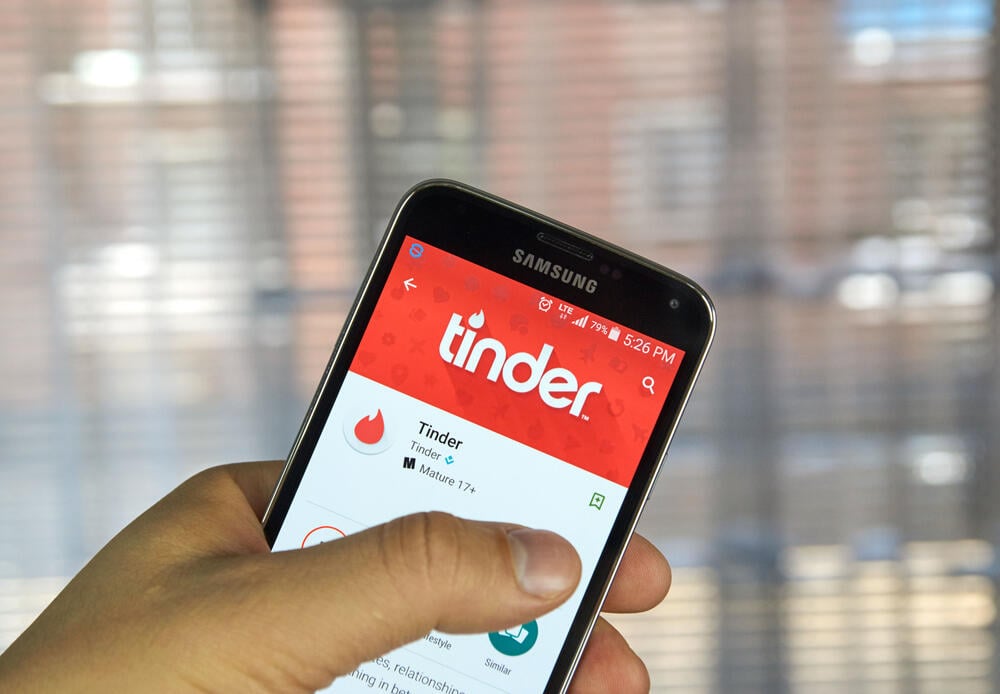
Tinder. A need for self-worth driven by likes
(צילום: Shutterstock)
In location-based apps such as Tinder, five main factors predicted rising addiction. The most prominent was the search for self-realization and social validation — a need for a sense of worth derived from likes, matches and attention. This factor is fueled by the endless stream of profiles presented for selection and is characterized by high usability and constant profile editing. According to the researchers, the faster, more chosen and more desired the app makes users feel, the harder it becomes to stop using it. Geographic proximity and immediate reward shorten the distance between stimulus and response, creating a loop reminiscent of addiction mechanisms known from other fields.
By contrast, in community-based apps such as Grindr, the addiction pattern looks different. Here, speed is not central; rather, it is the sense of belonging. The strongest factor is the ability to maintain a discreet dating life without exposure to one’s immediate social environment. This creates a different kind of addictive engagement, based on emotional connection and belonging, rather than the faster, more transactional nature of Tinder.
In such cases, users did not return to the app for momentary excitement, but because it became an emotional safe space — a place where they could express identity, sexuality and a particular lifestyle without fear of social judgment.
Gender differences also emerged: men reported higher addiction levels than women, averaging 3.73 versus 3.43 on a five-point scale. Although the gap was defined as small, it was statistically significant. Researchers linked this to men reporting more offline meetings — a usage pattern strongly correlated with addiction.
The researchers concluded with a warning that these apps may bypass self-control mechanisms and generate addiction even among individuals with no prior tendency toward addictive behavior.