


After more than seven years of grueling legal proceedings, a Be'er Sheva court delivered a landmark verdict last week convicting Yaniv Zaguri, long suspected of leading one of the country’s most violent organized crime networks, in a multi‑murder revenge campaign that shocked the region.
The courtroom was packed with prosecutors, defense attorneys, defendants and their families, along with journalists and photographers — so crowded that at times it seemed barely large enough to contain all who had gathered for the momentous decision.

Presiding Judge Natan Zeloc’hover, known for his dry cynicism, opened the proceedings by quoting the old adage that “everything good eventually ends — and everything not so good does too,” prompting a sober silence in the packed hall.
The verdict concluded a marathon case built on years of investigation by Israel Police’s Negev Unit for the Investigation of Serious Crimes (YAMAR), the recruitment of multiple state witnesses and exhaustive evidence collection. Prosecutors said Zaguri orchestrated a campaign to murder individuals who cooperated with police, including former criminal figure Tal Korkus, his ex‑wife Dvorah Hirsch, and court witness Elisha Sabach.
Over the course of the trial, prosecutors presented 218 days of evidence, spanning 192 sessions for the prosecution and 26 for the defense. Zaguri himself testified in 10 sessions, and 117 witnesses took the stand. At times, due to COVID‑19 restrictions, the trial was held in a larger adjacent hall normally used as a judges’ club. During Israel’s 2023 war, defense attorneys expressed concern about travelling for hearings in Be'er Sheva, prompting judges to convene sessions in Tel Aviv.
Convictions and charges
Last week’s verdict found Zaguri guilty on nearly all charges. Judges determined that he functioned as a “master criminal” — the architect of a calculated plan to kill anyone who cooperated with law enforcement, motivated by personal vendettas and criminal self‑preservation. The panel found that Zaguri recruited and directed others to carry out murders while knowingly promising they would be executed one way or another — either by them or by others if they refused.
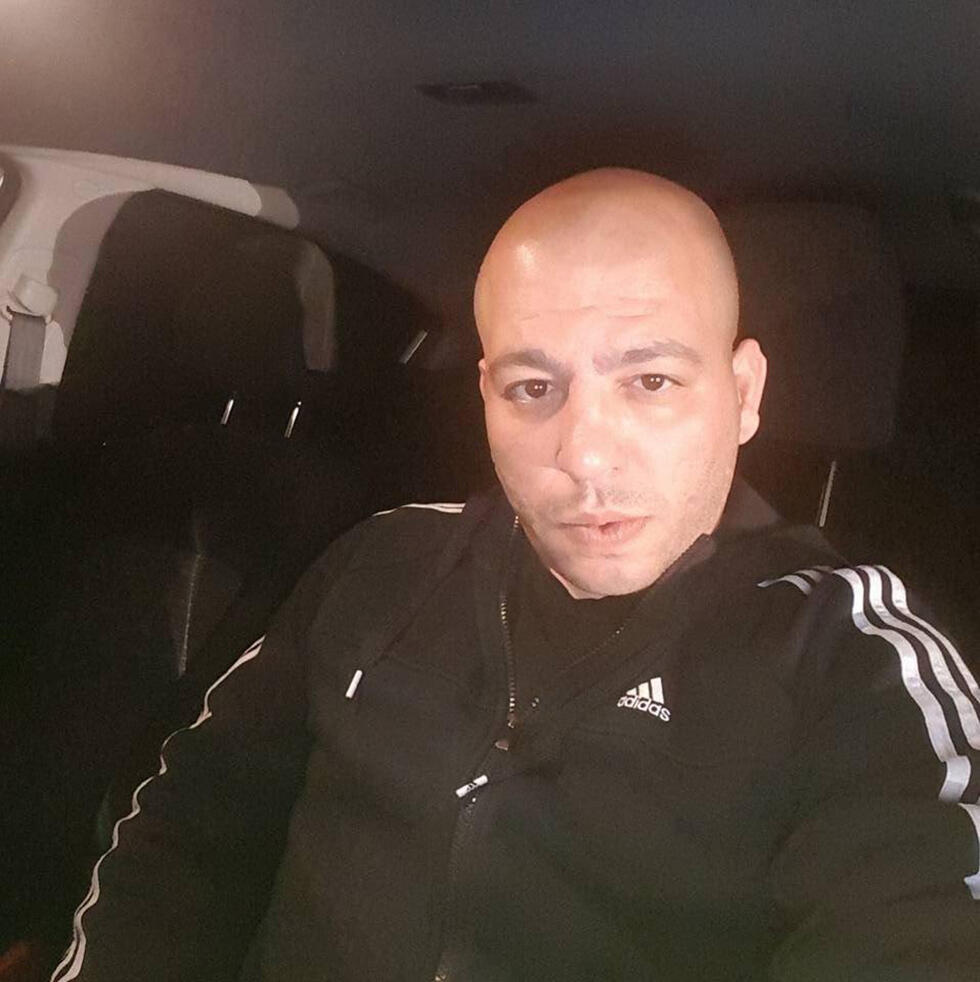
Tal Korkus
Among those convicted alongside him were Arik Ital and associates who executed the violent acts. The court also convicted Zaguri and others of additional crimes including witness tampering, weapons offenses, obstruction of justice and intimidation.
Prosecutors credited a team of Southern District attorneys for the victory, including Sigal Dahan‑Hirsch, Mohammed Suleiman, Mirit Neumann and Rachel Almqais — lawyers who typically avoid the spotlight but played central roles in building the prosecution’s case.
State witnesses and revelations
The prosecution’s breakthrough came in July 2017 when then‑Deputy Southern District Attorney Yoav Kishon informed Dahan‑Hirsch that YAMAR had secured a state witness who provided critical leads in solving Korkus’ murder. By August, another cooperating witness had joined, giving investigators valuable insight into the criminal organization’s inner workings.
One key witness, referred to in court only as “M.,” testified that he agreed to cooperate to avoid a lifetime in prison — and that his testimony shed light on additional murders, including Hirsch’s death, which was not originally part of the investigation’s scope.

Devorah Hirsch
Prosecutors said Ital and “M.” planted an explosive device under Korkus’ car as he walked to a gambling hall in Ashkelon. The bomb detonated, and Korkus was burned alive while shouting “Mama, mama,” according to testimony.
Witness accounts described Zaguri as a charismatic figure whose influence was rooted in a mixture of familial loyalty, financial support and intimidation. “He made men feel protected, he provided for their families,” Dahan‑Hirsch said in court. “But that protection came at a price: violence and obedience.”
Defense and courtroom tension
Zaguri maintained he had personal ties to some accomplices from childhood, describing complex emotional bonds. Court testimony included remarks about shared holidays and mutual support, underscoring the psychological grip he held over his inner circle.
Defense lawyers also challenged the prosecution’s use of surveillance tools such as the Pegasus software, arguing that it should invalidate the case. But judges ruled that any technical issues did not warrant dismissing the evidence, noting that the use was limited and did not prejudice the defendants’ rights.
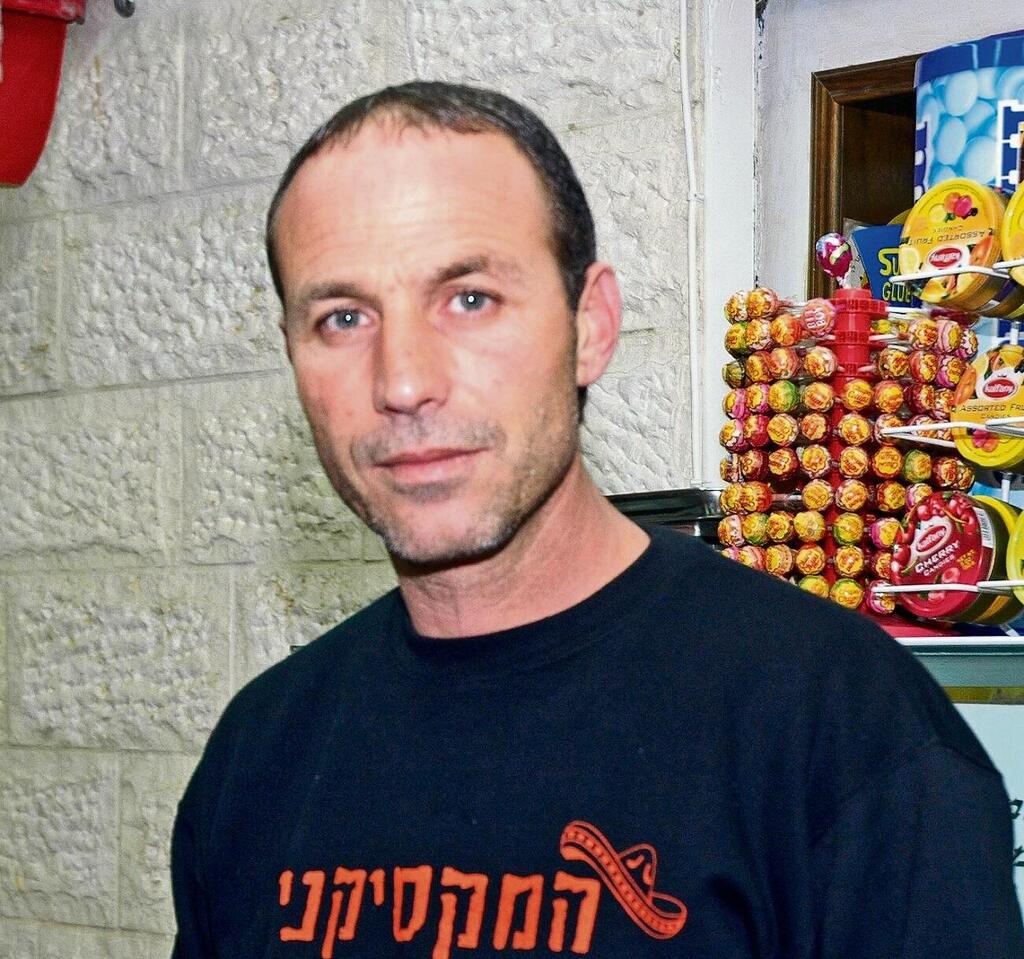
Elisha Sabah
Throughout the trial, tensions sometimes erupted in the courtroom. Zaguri and other defendants frequently reacted with outbursts, including one instance in which Zaguri struck the glass of the defendants’ enclosure. Lawyers for the defense insisted their goal was to ensure a fair trial and that they felt protected in performing their duties.
Impact and aftermath
Prosecutors said the killings carried out on Zaguri’s orders left deep scars on families and communities. The murder of Hirsch, in particular — carried out in Be'er Sheva — was described as especially brutal and shocking. Neumann noted that Hirsch’s murder “left a lasting imprint,” and that the trauma of losing both parents has altered the lives of their children irreversibly.
The trial also highlighted the sophistication and interconnections of criminal networks spanning the south, north and central regions of Israel. Suleiman, who joined the case three years into proceedings due to its complexity, described reviewing tens of thousands of pages of material, videos and intercepted communications as both challenging and harrowing.
In delivering the verdict, judges said Zaguri’s intense hatred toward Korkus and others was evident throughout the case, rejecting his attempts to portray emotional detachment. Testimony showed that Zaguri at times admitted his violent intent plainly, asserting that, if given the chance, he would not hesitate to see his rivals killed.
The convictions mark a significant milestone in Israel’s long battle against organized crime, demonstrating the state’s ability to dismantle entrenched criminal networks and hold powerful figures accountable after years of painstaking investigation.
Sentencing for Zaguri and his co‑defendants is expected in the coming months.