

As beach lovers and avid travelers, it is easy to get lost among the many online rankings and struggle to identify the stretches of coastline that truly offer an exceptional experience. That need led to the creation of the “The World's 50 Best Beaches” project, aimed at bringing order and producing an authoritative, comprehensive list that tells the story of nature’s most spectacular settings.
Selection process
Each year, thousands of experienced tourism professionals are invited to vote for what they consider the best beach on Earth and provide a compelling justification for their choice. Because many extraordinary beaches remain relatively unknown, the final list does not rely solely on vote counts.
Any beach receiving at least one vote undergoes further evaluation by the project team, in collaboration with a select group of seasoned travelers known as “beach ambassadors,” each of whom may also nominate up to three additional beaches.
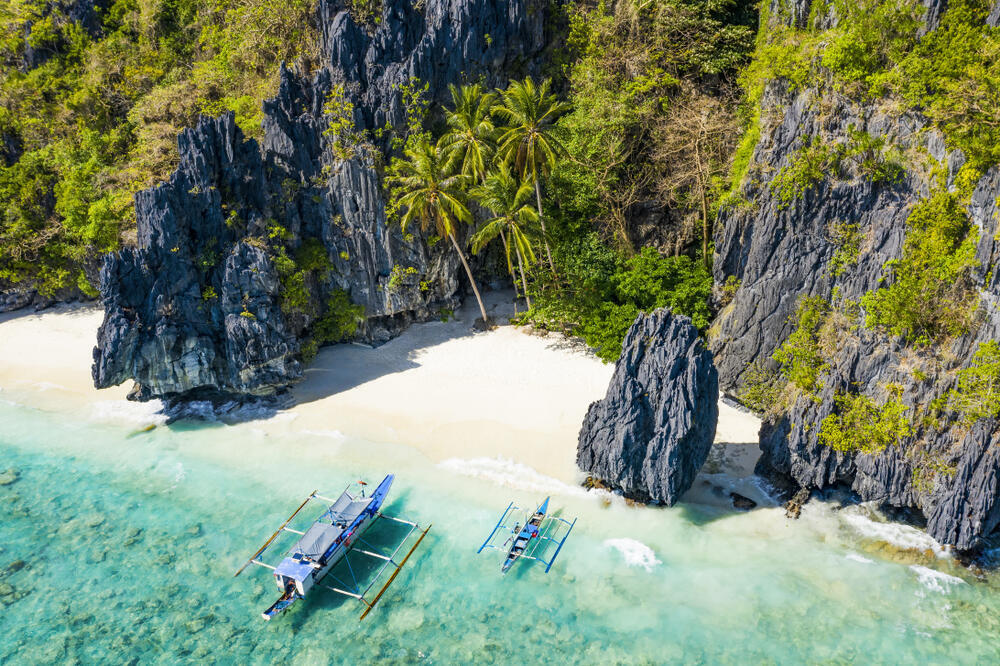
Entalula Beach
(Photo: travelwild / shutterstock )
Criteria for winning beaches
The final ranking is determined based on strict criteria. A beach must be set in a unique landscape, offer a high likelihood of wildlife encounters, remain largely untouched and removed from mass tourism, and feature what organizers describe as a “natural soundtrack,” free of man-made noise.
Other factors include ease of water access, calm wave conditions, the likelihood of ideal sunny weather and the absence of overcrowding. Special consideration is given to beaches visited by team members within the past two years.
Exceptionally iconic beaches that have previously ranked first, or possess extraordinary qualities, are placed in a separate “Best of the Best” category — effectively a hall of fame — removing them from annual competition and making room for new discoveries.
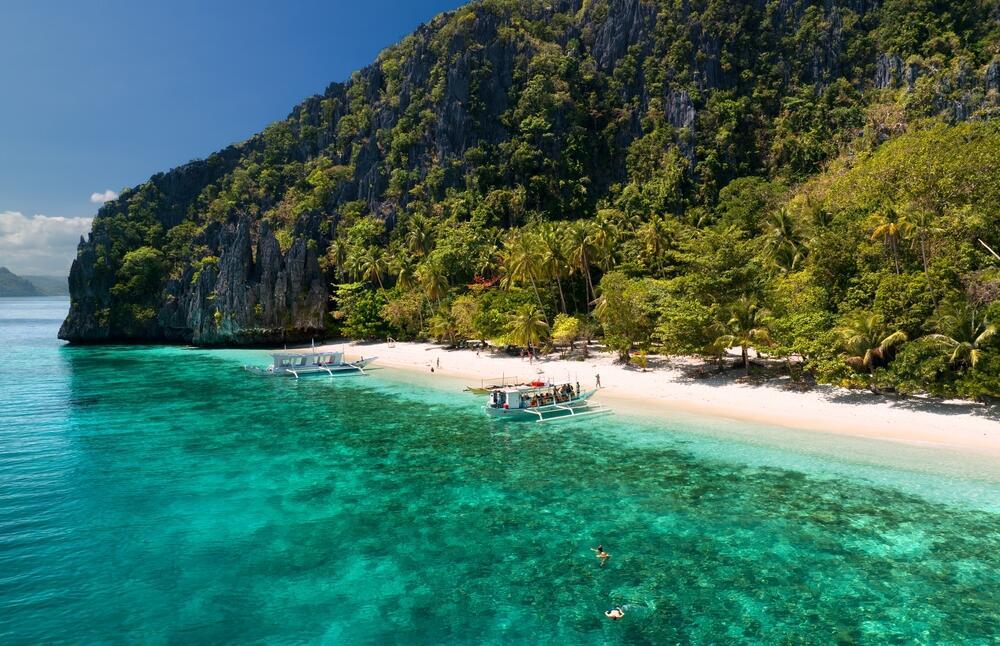
1. Entalula Beach, Palawan, Philippines
“Entalula Beach is one of those places you have to see to believe,” the judges said. Towering limestone cliffs rise sharply behind a stretch of soft white sand, creating one of the most striking backdrops in the region and beyond. Fewer visitors reach the beach compared to nearby sites, a sense of space that is immediately noticeable. The water is exceptionally clear and calm, ideal for swimming. Accessible only by boat, the beach remains quiet, preserving its natural atmosphere. The contrast between dramatic cliffs, clear waters and isolation gives Entalula a rare balance of grandeur and serenity.
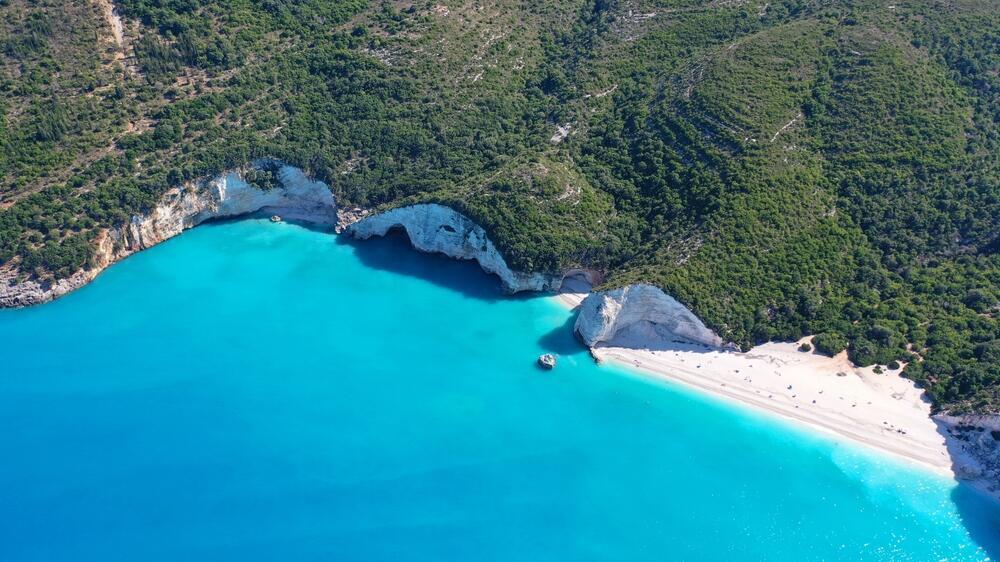
Fteri Beach
(Photo: Aerial-motion / shutterstock )
2. Fteri Beach, Kefalonia, Greece
Hidden in a secluded cove and surrounded by dramatic white cliffs, Fteri Beach is accessible by boat or via a steep hiking trail. Its isolation contributes to a pristine, tranquil atmosphere that sets it apart from more crowded destinations. The cliffs frame a shoreline of white pebbles mixed with sand, meeting the turquoise waters of the Ionian Sea. Its untouched beauty makes it a haven for visitors seeking quiet and a deeper connection to nature.
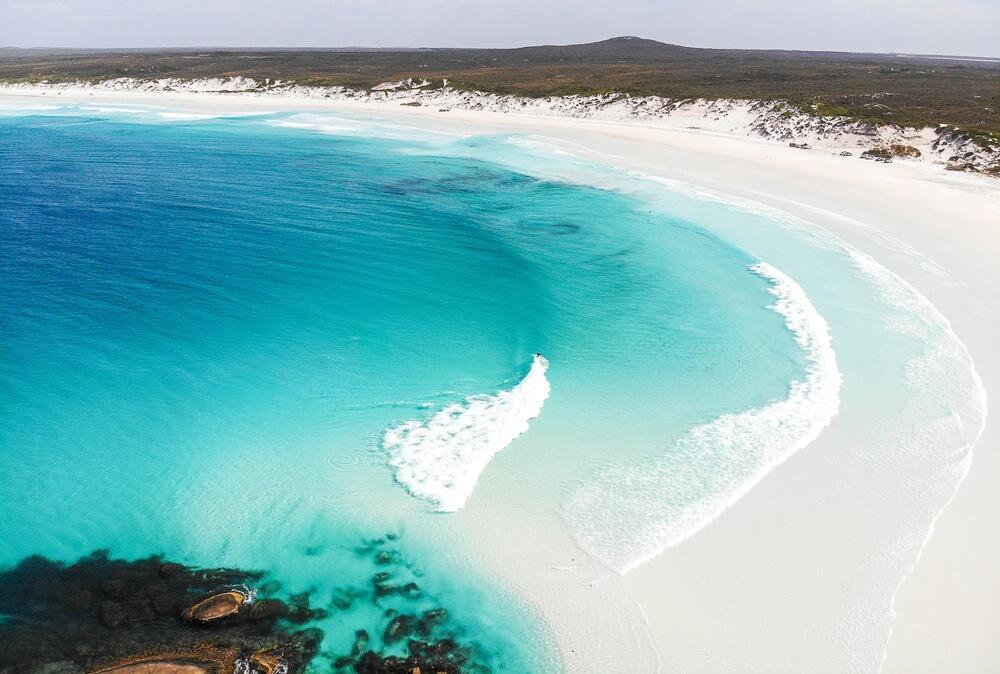
Wharton Beach
(Photo: Coastal View Photography / shutterstock)
3. Wharton Beach, Western Australia, Australia
Located in a remote area along the Duke of Orleans Bay, Wharton Beach stands out for its sweeping coastal scenery and sense of isolation. Even on peak summer days, it rarely feels crowded. Known for its clear turquoise waters and unspoiled white sand, it offers both a peaceful retreat and a popular surfing spot, along with opportunities to spot dolphins. Its panoramic ocean views and remoteness embody the wild beauty of Australia’s southern coastline.
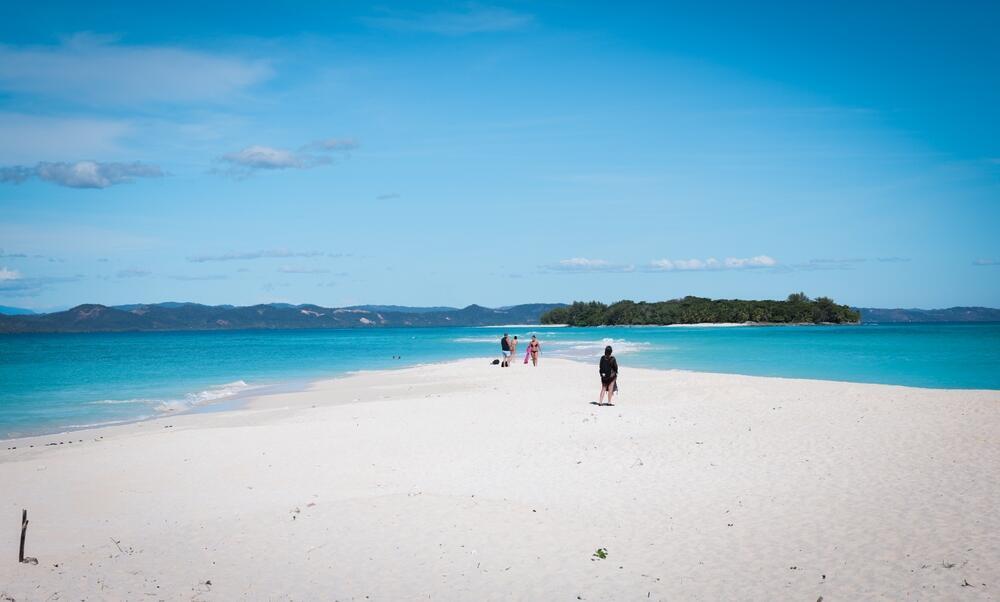
Nosy Iranja
(Photo: Dave Primov / shutterstock)
4. Nosy Iranja, Madagascar
Situated off Madagascar’s coast, Nosy Iranja consists of two small islands connected by a sandbar visible at low tide, creating a rare and breathtaking scene. The two-kilometer (1,24 miles) sandbar disappears when the tide rises, covered by clear turquoise waters. The area is rich in marine life, including nesting sea turtles, and offers opportunities for swimming, snorkeling and exploring lush vegetation.
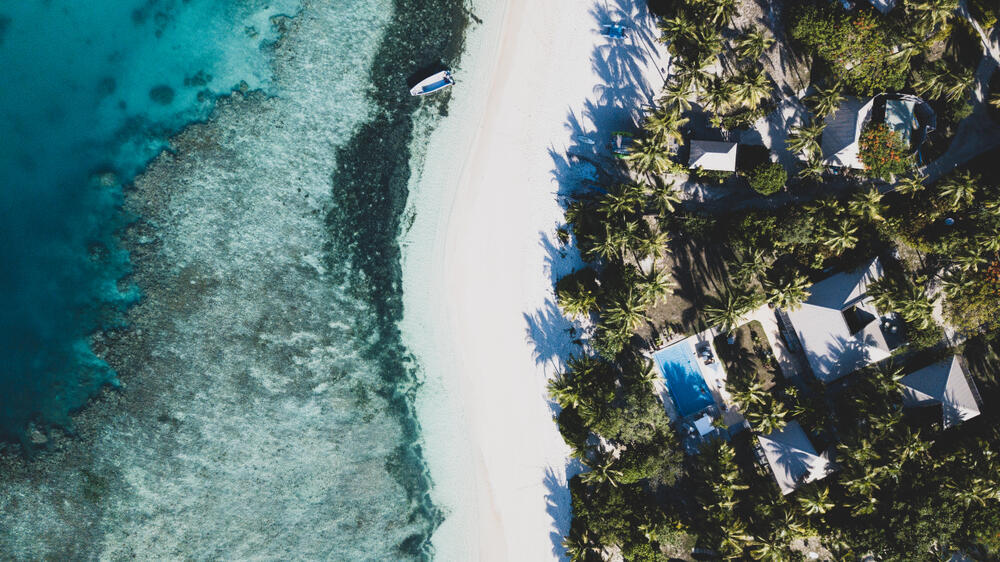
Vomo Island
(Photo: Ignacio Moya Coronado / shutterstock)
5. East Beach Vomo Island, Fiji
East Beach feels hidden from the rest of the world, with tall palm trees and dense vegetation lining a wide stretch of soft white sand. Located on the island’s sheltered side, it offers calm, swimmable waters throughout the day. Minimal development enhances the sense of seclusion, with long stretches often entirely empty.
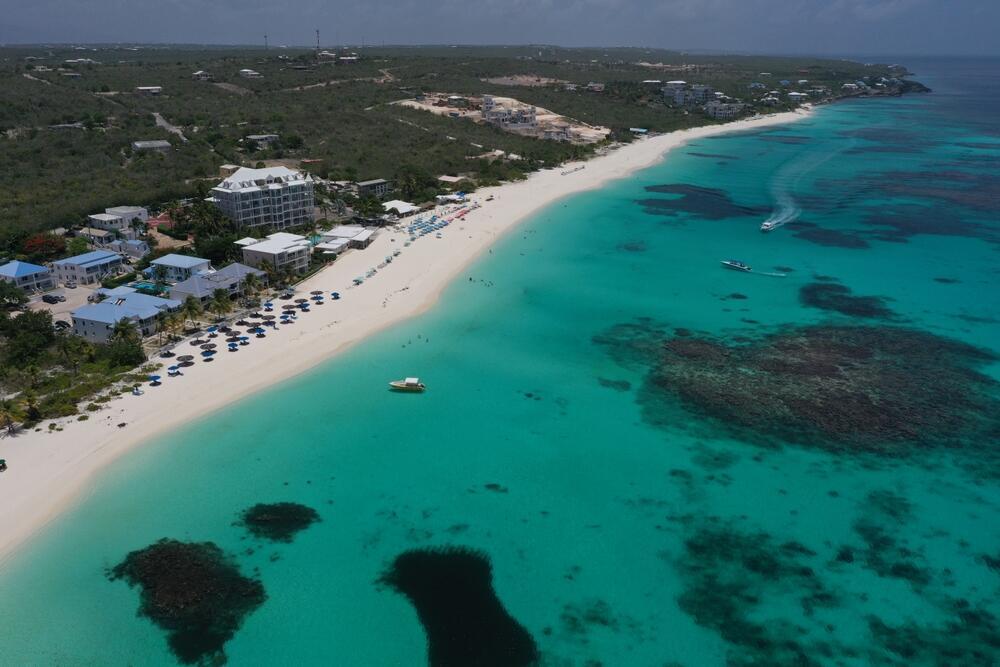
Shoal Bay East
(Photo: Wirestock Creators / shutterstock)
6. Shoal Bay East, Anguilla
Anguilla is known for some of the Caribbean’s best beaches, and Shoal Bay East stands out as one of its most beautiful. Despite its popularity, it retains a peaceful atmosphere. Lined with palm trees and cozy beach bars, it offers soft white sand and calm, clear water, ideal for swimming or snorkeling along nearby coral reefs.
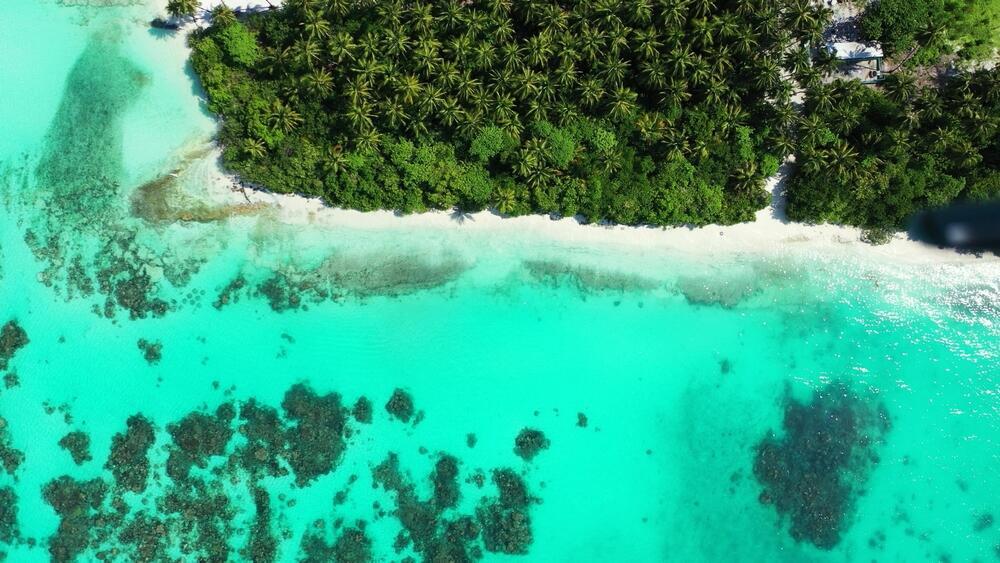
Maldives
(Photo: Wirestock Creators / shutterstock)
7. Dhigurah Beach, Maldives
Dhigurah is known for its unusually long beach and a sandbar stretching far into the lagoon. Easily accessible from the village yet quickly feeling remote, the beach features a narrow strip of white sand bordered by shallow, clear waters on both sides. Calmness make it ideal for long walks and swimming, while nearby reefs teem with marine life.
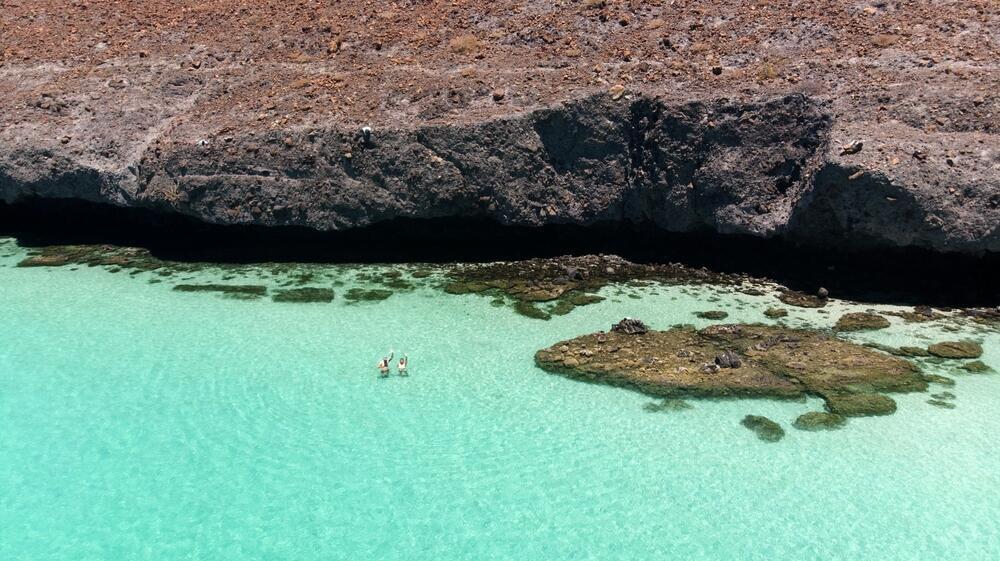
Playa Balandra
(Photo: thomaslabriekl / shutterstock)
8. Playa Balandra, La Paz, Mexico
Despite its popularity, Playa Balandra maintains its natural beauty thanks to strict regulations limiting development and visitor numbers. Part of a protected natural area, it is known for its shallow, calm waters and the distinctive mushroom rock formation, “El Hongo.” The bay includes seven beaches, all easily explored due to consistently shallow tides.
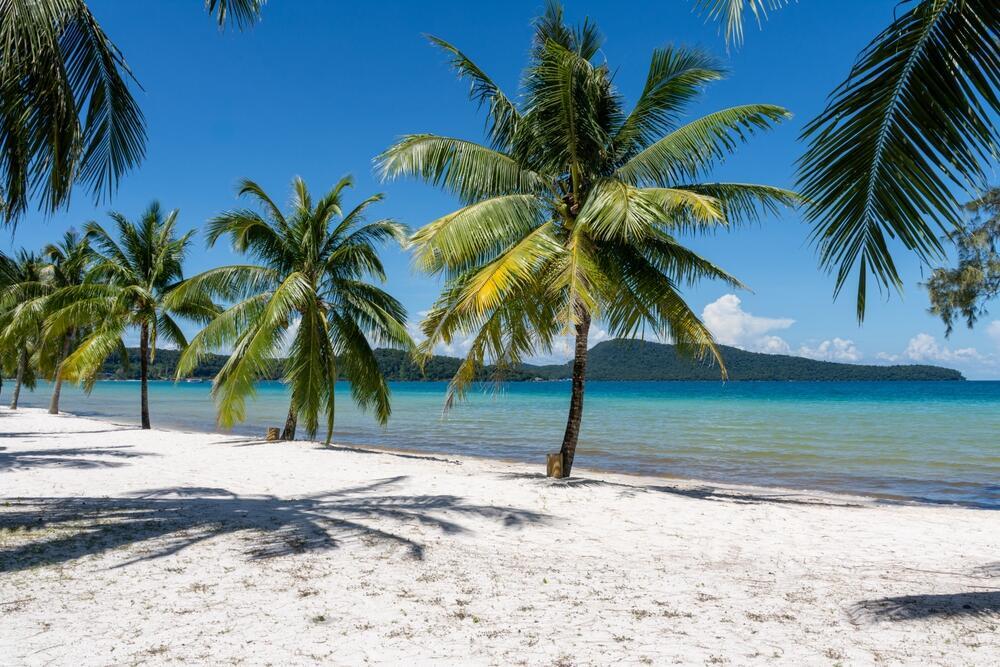
Koh Rong Beach
(Photo: Alexander Jung / shutterstock)
9. Koh Rong Beach, Cambodia
Located off Cambodia’s mainland, Koh Rong features a long, continuous stretch of soft white sand and shallow, clear water. Accessible by boat, much of the coastline remains minimally built-up, preserving a slower, more relaxed atmosphere. Its size, clarity and lack of overdevelopment set it apart from more crowded regional beaches.
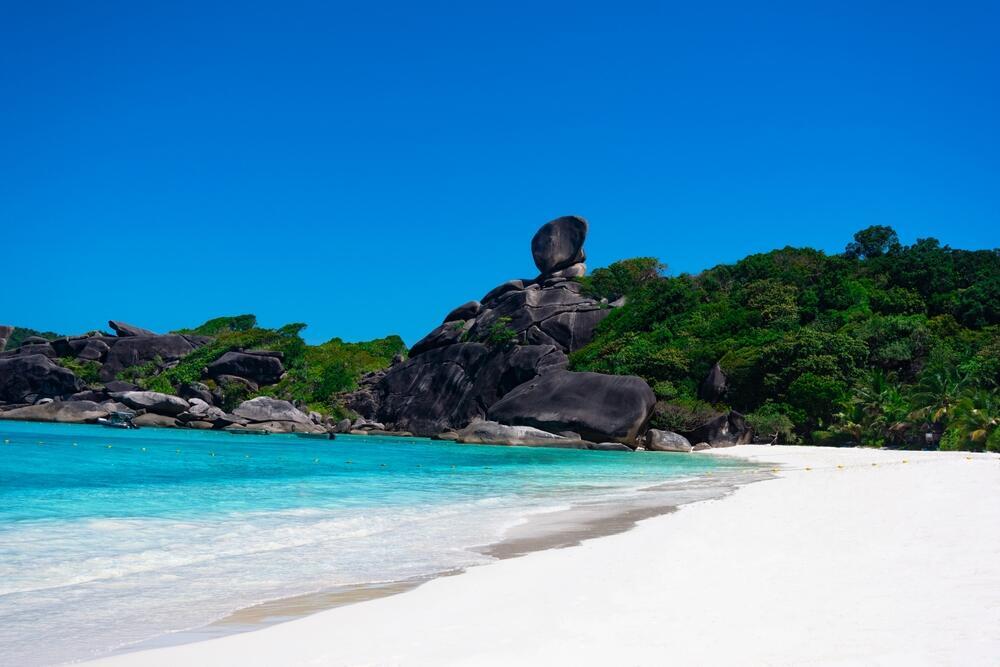
Donald Duck Bay
(Photo: Arazdurdyev Konstantin / shutterstock )
10. Donald Duck Bay, Similan Islands, Thailand
Located within a protected national park, Donald Duck Bay is accessible only during the park’s open season, typically from November to May. Limited access helps preserve its natural state and keeps visitor numbers relatively low. The beach features fine white sand, clear calm waters and distinctive rounded granite rocks including the formation that gives the bay its name.
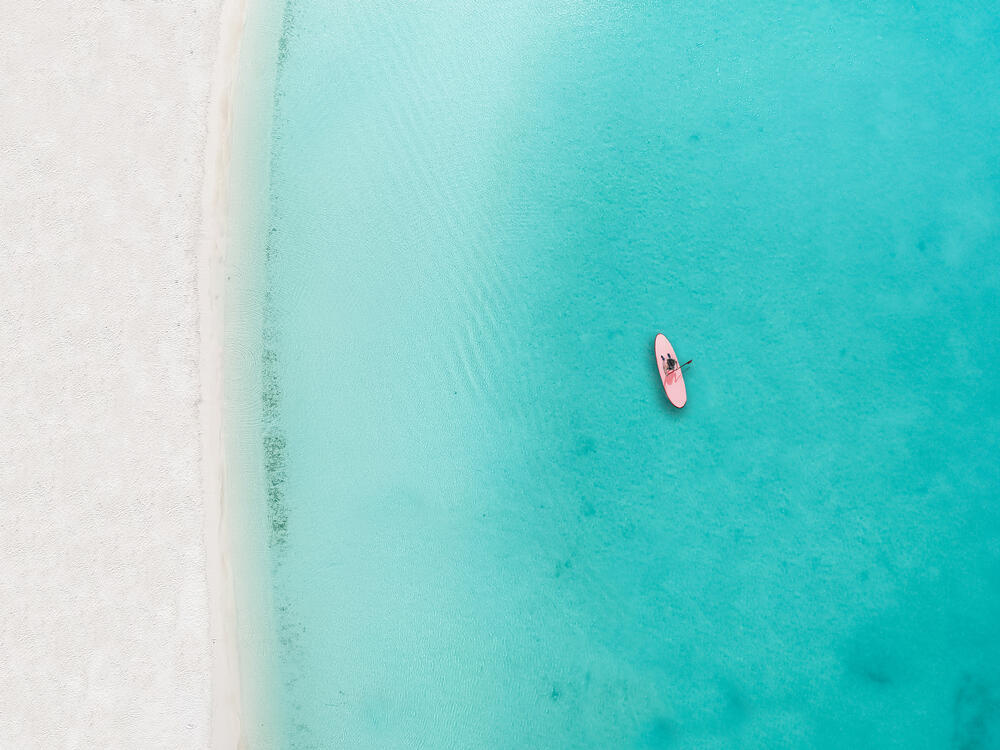
Grace Bay Beach
(Photo: shutterstock)
11-20: From Venezuela to the United Arab Emirates
Cayo de Agua (Venezuela); Cala Macarella (Spain); One Foot Island (Cook Islands); Princess Diana Beach (Barbuda); Turquoise Bay (Australia); PK 9 Beach (French Polynesia); Grace Bay (Turks and Caicos); Cala dei Gabbiani (Italy); Saadiyat Beach (United Arab Emirates); Canto de la Playa (Dominican Republic).
21-30: Pearls in Indonesia and the Caribbean
Wineglass Bay (Australia); Pink Beach (Indonesia); Paradise Beach (Thailand); Anse Source d’Argent (Seychelles); Kalanggaman (Philippines); Seven Mile Beach (Cayman Islands); Freedom Beach (Thailand); Siesta Beach (United States); Kaputas Beach (Turkey); Cayo Zapatilla (Panama).
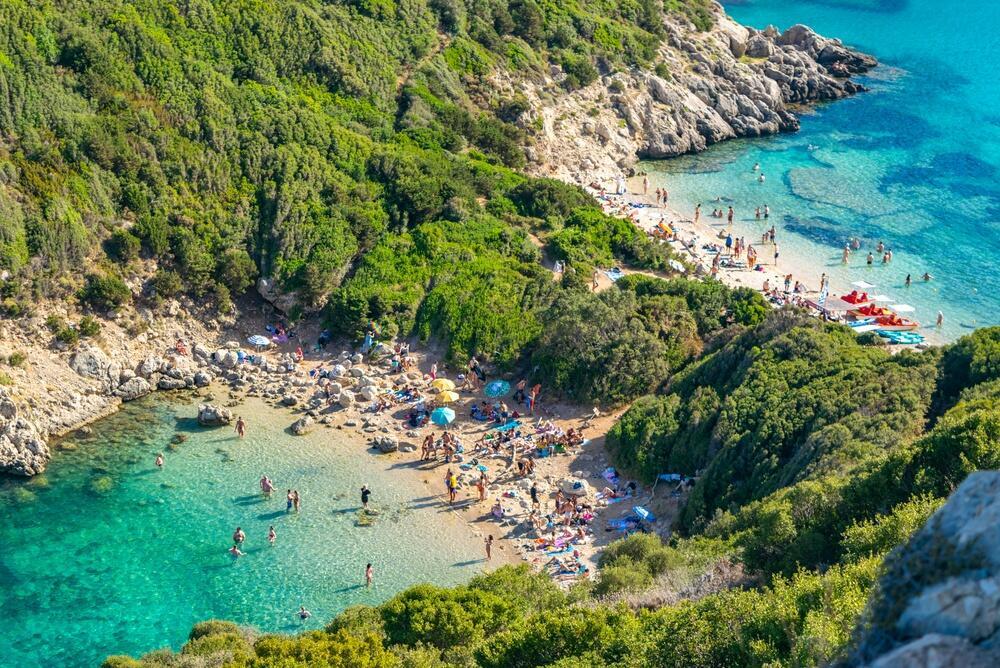
Porto Timoni
(Photo: Jana Janina / shutterstock)
31-40: The Wild Lagoons and Bays
The Baths (British Virgin Islands); Cabo San Juan del Guia (Colombia); Baia do Sancho (Brazil); Porto Katsiki (Greece); Santa Giulia (France); Blue Lagoon (Fiji); Playa Xpu Ha (Mexico); Ofu Beach (American Samoa); Playa Cofete (Spain); Le Morne Beach (Mauritius).
41-50: Last but not least
Flamenco Beach (Puerto Rico); Grand Anse (Grenada); Praia da Falesia (Portugal); Pontal do Atalaia (Brazil); Boulder Beach (South Africa); Porto Timoni (Greece); Paje Beach (Zanzibar); La Pelosa (Italy); Cas Abao (Curaçao); Keem Beach (Ireland)
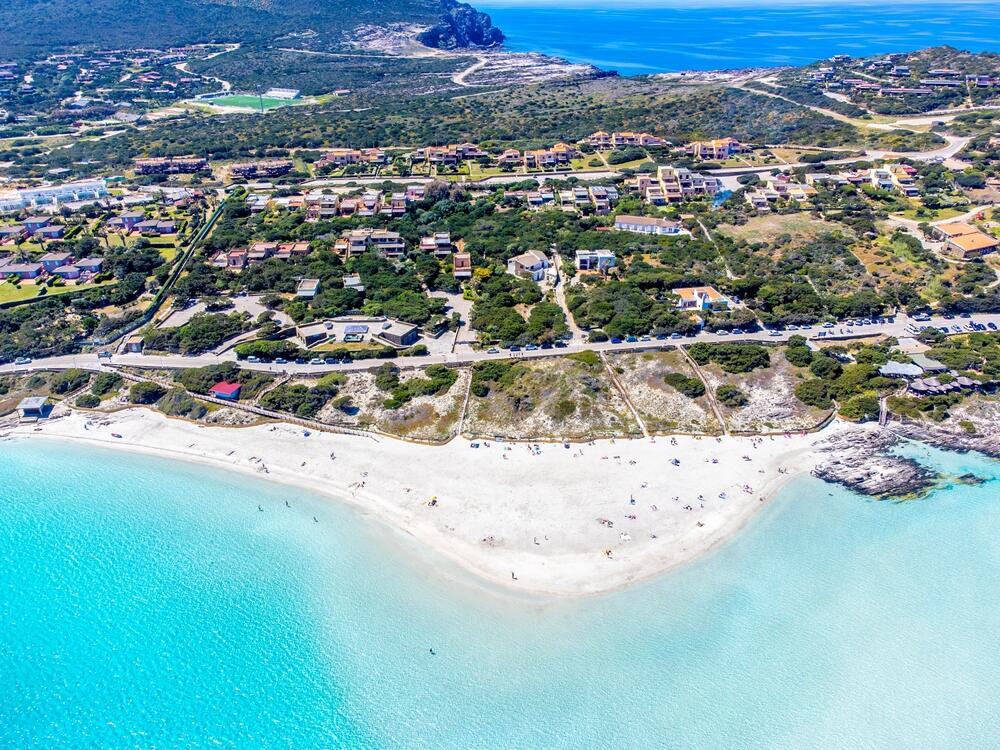
La Pelosa
(Photo: Gabriele Maltinti / shutterstock)