

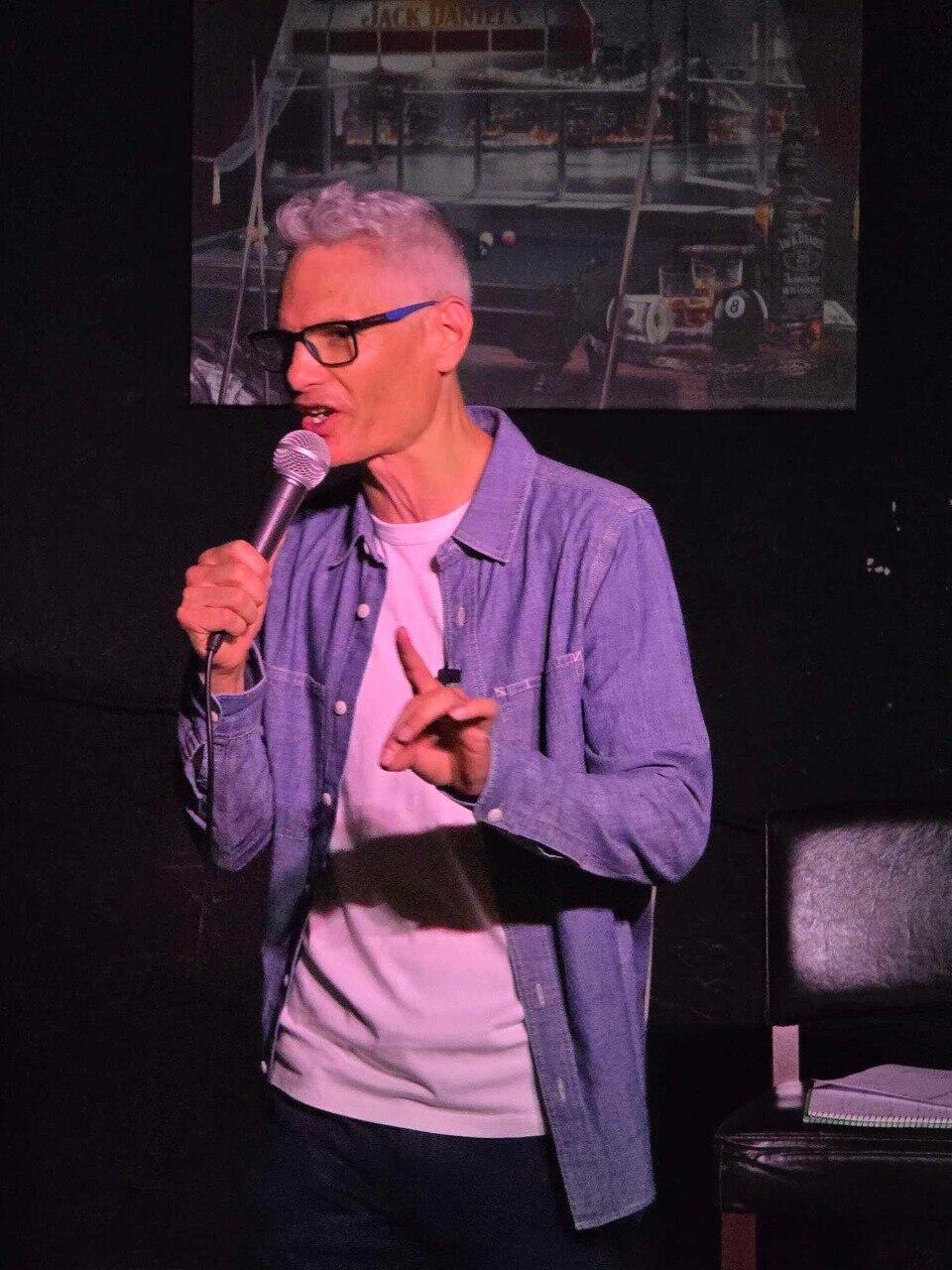
Joel Chasnoff doesn't wear a suit, doesn't carry a diplomatic passport and isn't funded by any government—yet he’s arguably one of Israel’s most effective unofficial ambassadors. A Jewish-American comedian who made aliyah and served in the IDF's Armored Corps, Chasnoff is best known today for his sharp, warm and disarmingly funny reflections on Israeli life.
From satire about traffic circles to the deep pain and absurdity of war, he’s made it his mission to use humor as a bridge—connecting diaspora Jews to the Israeli story in ways that facts and footnotes can’t.
The American-Israeli comedian turning laughter into Hasbara
(Video: Mickey Schmidt)


“Comedy comes from tension,” he explains. “And living in Israel is absurd. We cry a lot—but we can also laugh.” For Chasnoff, that absurdity is fertile ground. It fuels the funny Instagram skits he posts about anti-Semitism, bureaucracy, and cultural quirks. But it also anchors his advocacy: a comedic lens that opens emotional doors facts cannot.
Born in Chicago and raised with a strong Jewish identity, Chasnoff first visited Israel at 17 and felt instantly at home. “I felt like I could be a better version of myself here,” he says. After college, he moved permanently, volunteered for the IDF, and—thanks to a lost-in-translation moment—found himself not with the paratroopers but in the 188th Armored Brigade. “It was one of the hardest experiences of my life,” he says, “but also one of the best.”
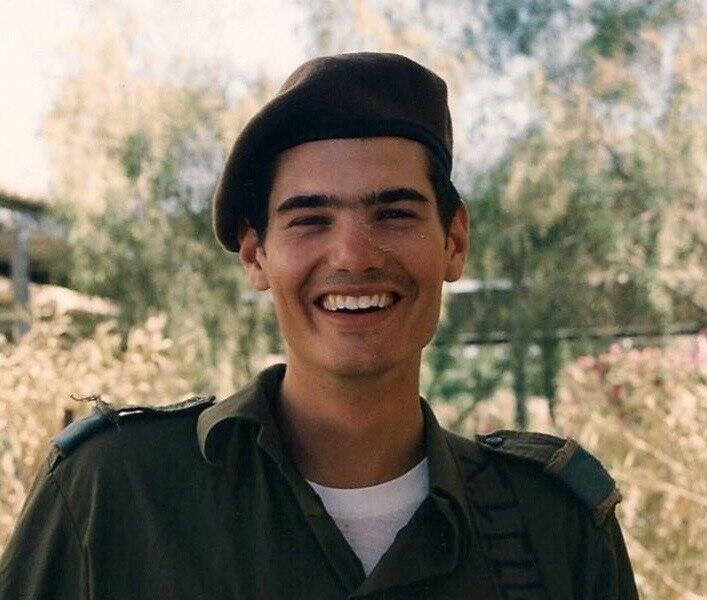
Joel Chasnoff during his military service
(Photo: Courtesy)
Since October 7, his shows have taken on a new weight. In his tours across North America, audiences no longer come just for jokes—they come with questions, grief, and longing. “At first, no one wanted to laugh,” he admits. “They just wanted to hear what it’s like in Israel. But after a few months, people said, ‘We need to laugh again.’” That return to humor, he believes, is vital. It offers not just relief, but a reminder—of Israel’s vibrancy, its people’s resilience, and its layered complexity.
After every set, he now stays for Q&As. Audiences want to talk. They want to know what daily life looks like behind the headlines. They ask about politics, about army service, about how families cope. “They love Israel, but feel powerless and far away,” he says. “If I can help them feel closer—if I can help make sense of it, even through comedy—that’s everything.”
(Photo: Courtesy)
(Photo: Courtesy)
The humor doesn’t always translate the same way. “In America, people want to laugh. In Israel, they want to laugh—and then explain why your joke was wrong.” But the mission stays the same. Whether onstage or online, Chasnoff sees himself as doing miluim—reserve duty—just in a different uniform. “There are many ways to serve. Just living here, volunteering, helping—it matters. And sharing that with the world? That’s my contribution.”
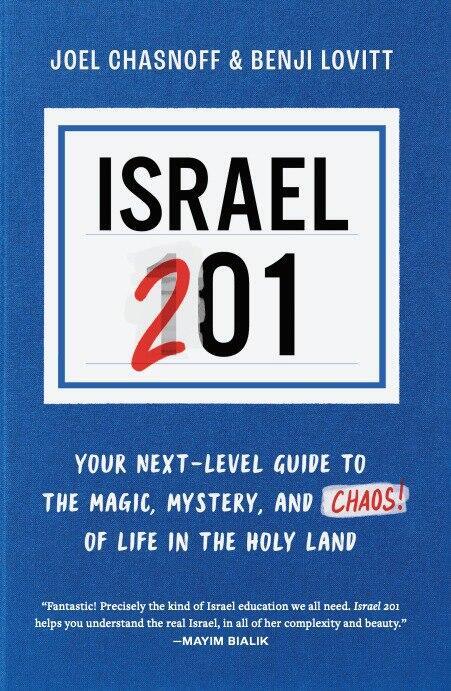
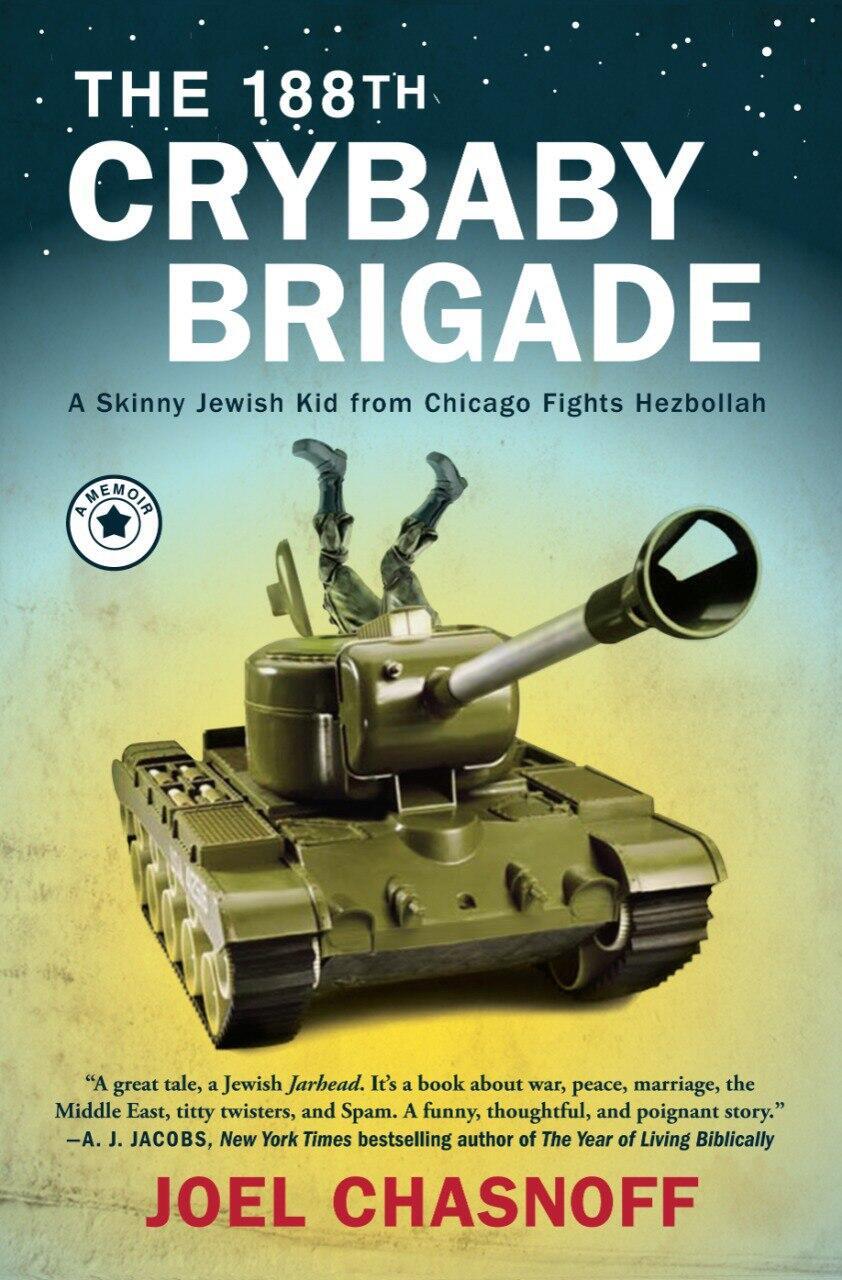
He’s also an author. His memoir, The 188th Crybaby Brigade, details his time as a lone soldier in the IDF. More recently, he co-authored Israel 201, a collection of essays about the lesser-known quirks of Israeli life—why there are so many cats, the origins of hiking trails, and the poetry of the everyday.
At heart, Chasnoff is still just a guy with a mic, trying to make people laugh. But in a world where every laugh for Israel feels like a small act of resistance, maybe that’s more than enough.