

Kupershtein’s first Passover in captivity
Time passes.
Whenever they can hurt us and abuse us, they do.
Five months after the abduction, we are told that, following the cancellation of benefits for prisoners in Israeli jails, we will be beaten and denied food.
They beat us violently, especially “Shahroznik.”
The news from Israel fuels their hatred, but they don’t need reasons to beat us. They abuse us as much as possible, all the time.
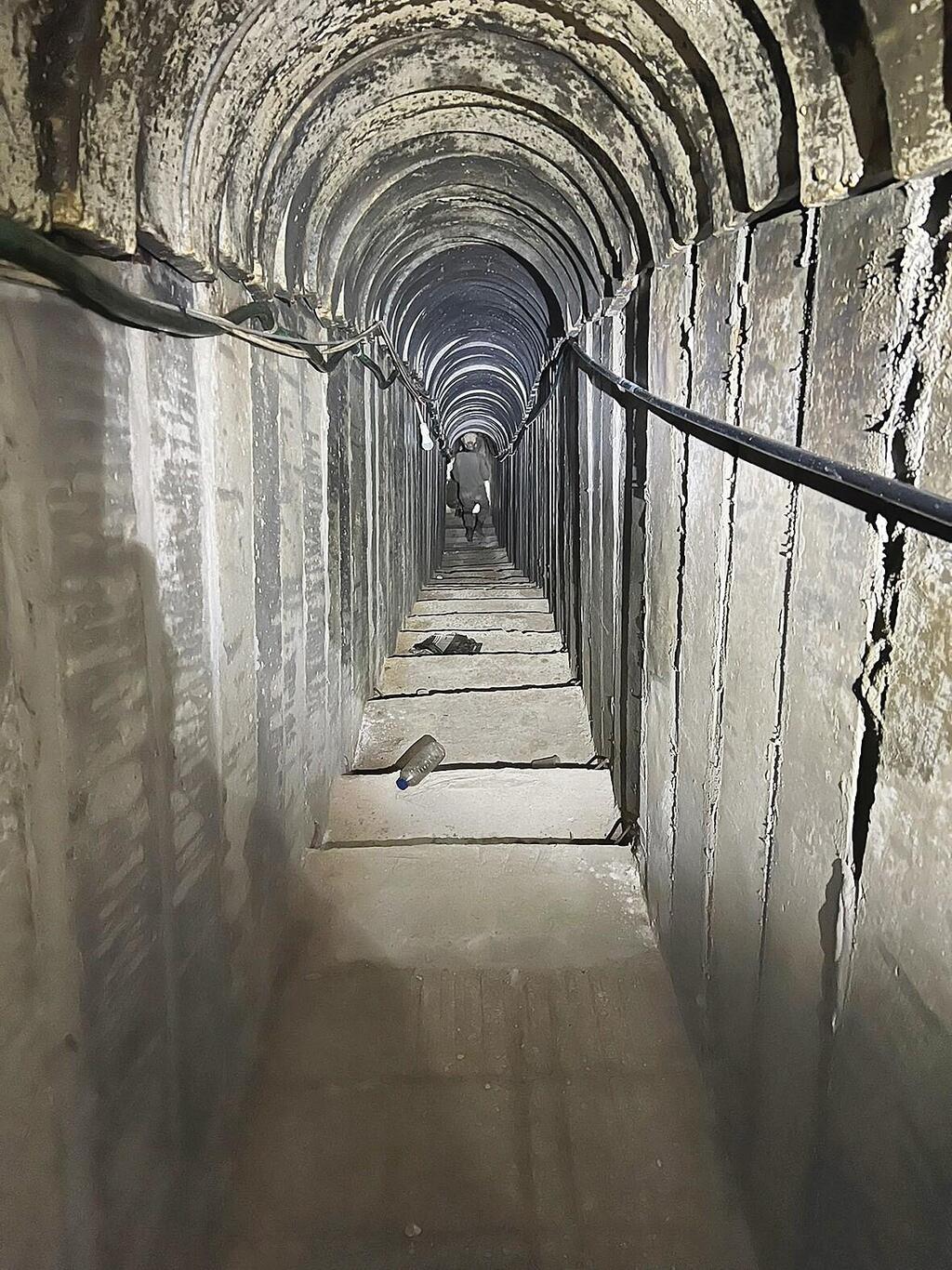
There are days when they do not come near us, when they leave us alone and only tell us when to come take food, if there is any.
Ahead of someone’s birthday or a holiday, we save something small and sweet, even a tiny piece of halva, for months, just to feel a moment of happiness inside all the sadness.
Six months since the abduction, and Passover is approaching, the holiday of freedom, and with it my birthday.
We have no matzah, of course, and no birthday cake, but suddenly the terrorists throw out a comment: “They tried to bring matzah for you prisoners, but they didn’t give food to us Gazans.”
That casual, seemingly meaningless sentence encourages me like a small gift.
Despite having no medicine, no conditions and certainly no matzah, it is a greeting from home. They are thinking of us. They have not forgotten us.
I can imagine my mother turning the world upside down for me.
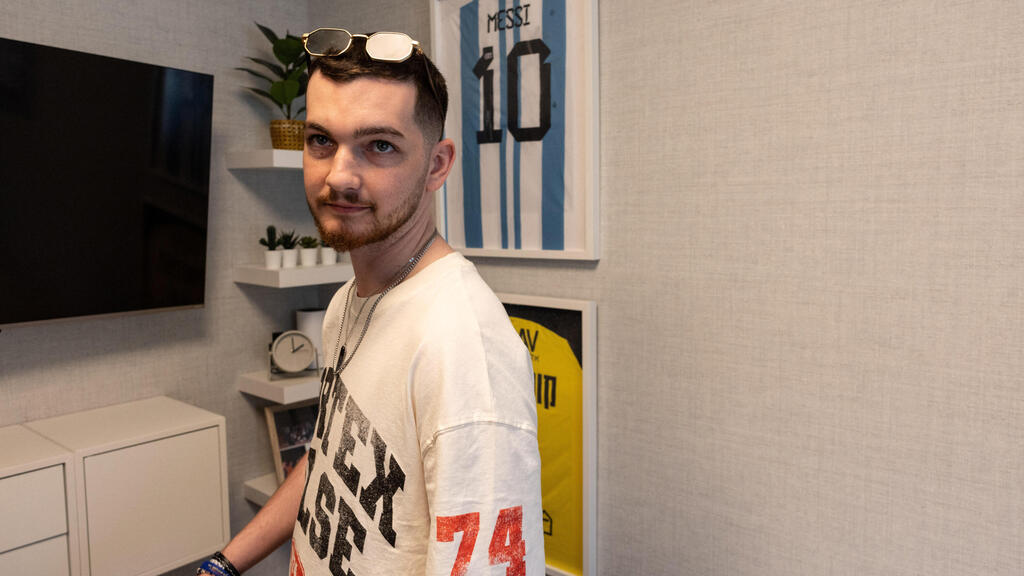
Bar Kupershtein
(Photo: Nir Elias/ Reuters)
A mother’s question
Passover is also Bar’s birthday.
“My child will be 22,” his mother, Julie Kupershtein, says. “I wonder how to mark that day. I don’t want balloons or cakes. I am searching for my own way for him.”
Ahead of Passover, she arrives at the prayer tent at Hostages Square in Tel Aviv, where she is asked how it is possible that matzah is not being brought to the hostages in Gaza.
They have no medicine or humanitarian supplies there, so matzah?
But the question does not let her go.
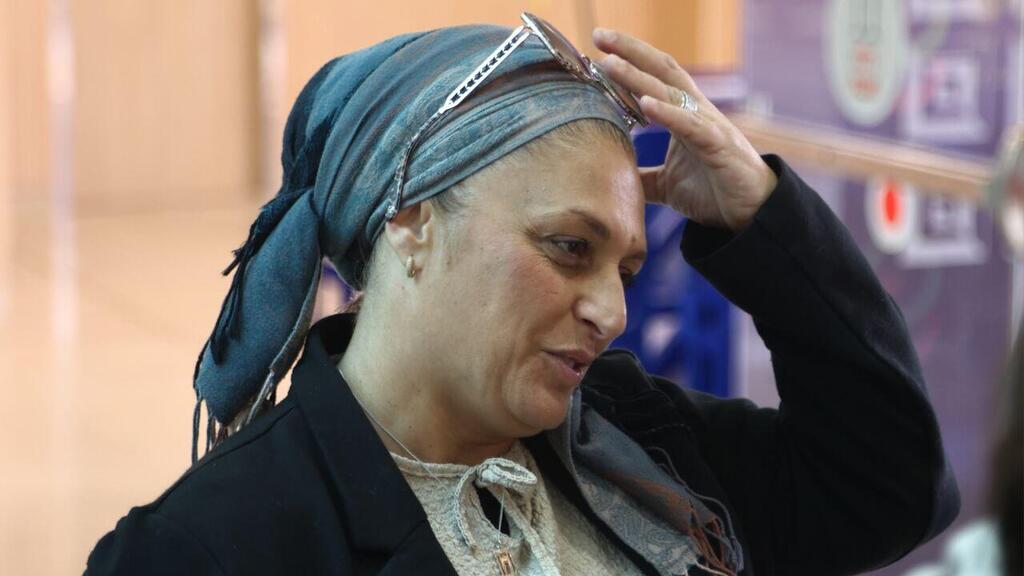
Julie Kupershtein
(צילום: מוטי קמחי)
“What will Bar do without matzah? The child who was born on Passover and has never eaten leavened bread on the holiday.”
She turns to contacts involved in efforts to help the hostages and asks to try to send matzah through a humanitarian convoy.
Through the military and relevant negotiating channels, she sends a message:
“My Bar has been held hostage in Gaza for 188 days. I wish he and the others will not be there for Passover. Bar is Jewish. Bar has never eaten leavened bread on Passover. Bar will not eat leavened bread on Passover. I fear for his life. I demand to send a humanitarian truck of matzah to him and the other hostages. I appeal to Muslim religious leaders and human rights figures to ensure the matzah reaches them before the holiday, with a verse from the Quran about caring for captives.”
There is no response.
She somehow gets through the Seder night, but the tension builds in her body and among the children at home.
She travels to the Sea of Galilee with family, hoping to breathe, to find a moment of normalcy.
While floating in the water, she suddenly loses consciousness and sinks.
Her daughter notices and calls for help. She is pulled from the water and taken to the hospital.
Her vital signs are normal, but she does not wake up.
“Apparently the soul did not want to return to our reality,” she says.
Only after two days does she begin to recover.
Bar’s birthday passes while he is in Hamas tunnels.
“I cannot contain all of this.”
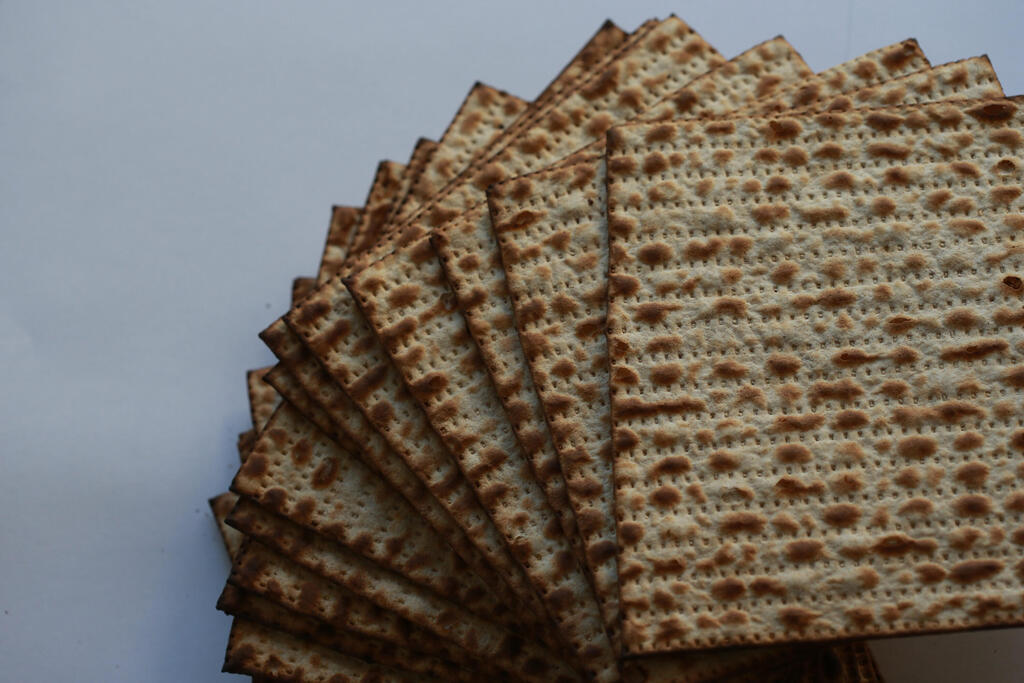
Matzah
The second Passover in captivity
Five hundred and thirty days.
It is my second birthday here.
My friends go to sleep, but I stay by the radio, maybe they will say something about me.
On Army Radio, I hear people wishing me a happy birthday. I am happy. They have not forgotten me.
I keep listening.
And then, suddenly, my mother.
I wake everyone and we gather around the radio.
Her voice comes through the device: “Hostages who returned said they know. I hope he is among them. I wish I knew more. I am sure something is happening there.”
“To mark the day,” the interviewer says, “you decided on a special evening at Hostages Square in Tel Aviv, music and Torah study.”
“Yes,” she says. “Something different, to bring unity to these people. It is so important to see the beauty of the people of Israel. Artists, rabbis, everyone comes voluntarily. We want to give him strength.”
I cannot stop the tears.
This is my mother.
If she goes on air on my birthday, it is an incredible gift.
I take her voice into me, her words, that greeting that passes through sand and concrete and reaches me.
I am in God’s hands.
I go to our corner, the “nest,” and cry my soul out.
“Sorry, Mom and Dad. Sorry, my family, that you are sad today instead of happy.”
Thank you, Mom.
Thank you to the people who speak about me. I am not alone.
Bar Kupershtein meets his family after being released from Hamas captivity


Dilemmas and forced labor underground
Passover arrives, and with it one of the captors approaches them.
“Listen, I want to ask you something,” he says. “I received an order: if the army comes down here, we are to kill you. But I am connected to you. I don’t want that to happen. Let’s sit together and think of a solution.”
He hates them like the others, Kupershtein writes, but still feels some responsibility.
“If I bring you weapons, will you fight with me? I will not stay here and die, but I also won’t let the army win.”
Kupershtein describes the dilemma.
“In principle, I have no problem shooting him, but from an intelligence perspective, the army needs to interrogate him.”
Another hostage suggests escaping together.
“How many exits does the tunnel have?” he asks.
“Two.”
“Then maybe we escape from the second exit.”
“No, soldiers will come from both.”
“Then let’s dig another exit.”
The captor listens and leaves.
Each morning, they wake early, “like Gaza laborers,” and are sent to dig.
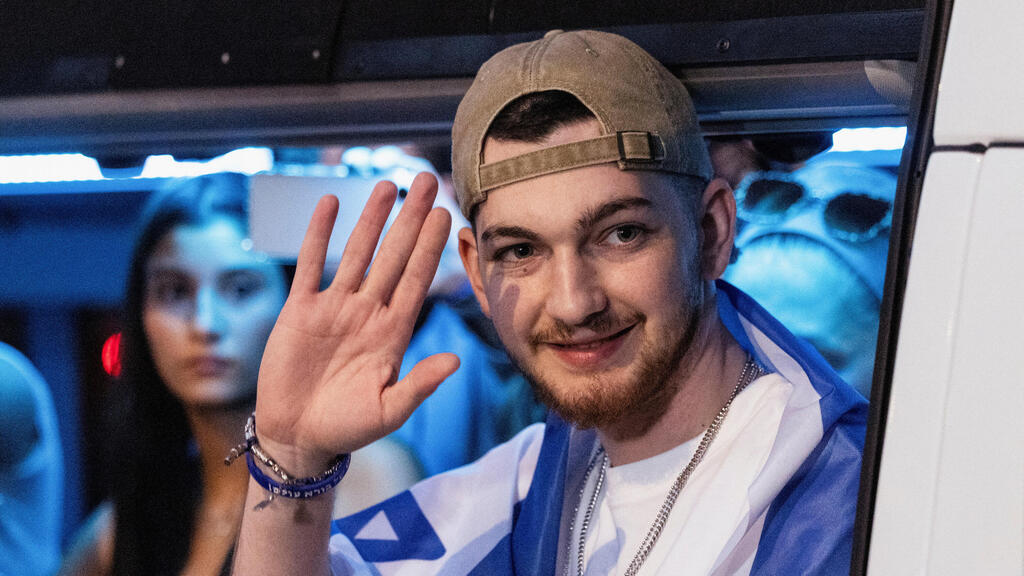
בר קופרשטיין חוזר הבייתה
(Photo: Nir Elias/ Reuters)
It is hard labor, long days of digging with pickaxes and shovels, loading dirt onto carts that run on tracks.
All the time, armed terrorists stand over them.
Their bodies are weak, but they cooperate to receive a bit more food and because they have no choice.
Eventually, they manage to dig a passage that connects to another tunnel that had been bombed.
“Who knows, maybe one day this opening will be used for escape.”
Small mercies in darkness
One day, they discover a water pipe above them, the captors’ shower.
From then on, they are allowed to use it instead of washing from a bucket.
Even that small relief is controlled. One captor allows only five minutes per person, timing them with a watch.

Bar Kupershtein with a Torah scroll after his return
(Photo: Oz Mualem)
The water is freezing.
“It is not enough,” he writes, “but despite that, I manage to remove layers of dirt from my body and heart.”
He recalls cold showers during his military service in the Golan Heights, but says this is far more extreme.
“I scream my life out in every shower, but I have nothing better. This is what there is.”
On another day, while digging, they are suddenly told to stop.
The tunnels they were digging from opposite directions have met.
What was meant to take 50 meters is completed in less than 30 days.
The captors celebrate with sweets and, reluctantly, give each hostage three small pieces.
They are also forced to wear Hamas shirts and be filmed for propaganda videos.
“This is what our Passover looks like,” Kupershtein writes. “Slaves holding on.”
Kupershtein, who was kidnapped by Hamas terrorists from the Nova festival on October 7, 2023, was released in October 2025.
Now 24 and free, he reflects on those moments of darkness, and the small gestures that helped him survive.
“I am not alone.”