

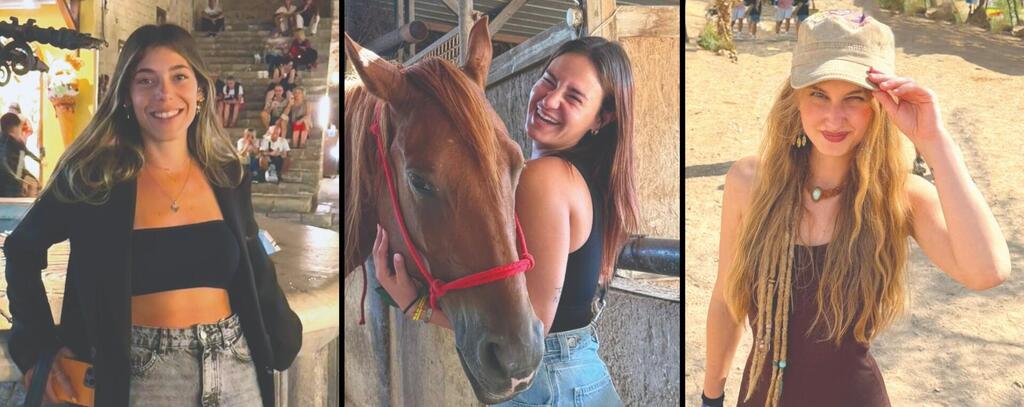
“I want to open up, but I’m afraid”
Vlada Brik, 24, Pardes Hanna, naturopathy and yoga therapy student
My survival story:
“I was at the Nova music festival with my boyfriend of a year. We hid in the compound until 8:20 a.m., when the terrorists were just meters away. We escaped on foot, ran 15 kilometers, hearing gunfire and screams. After four hours, we found a crater and hid there until a car picked us up and took us to Moshav Patish, where we stayed until evening.”
The breakup:
“Six months later, I ended things with my boyfriend. He couldn’t understand or contain me. He was called up for reserve duty, and I was angry that he was in denial about what we’d been through. I had no patience for anyone, not him, not the world.
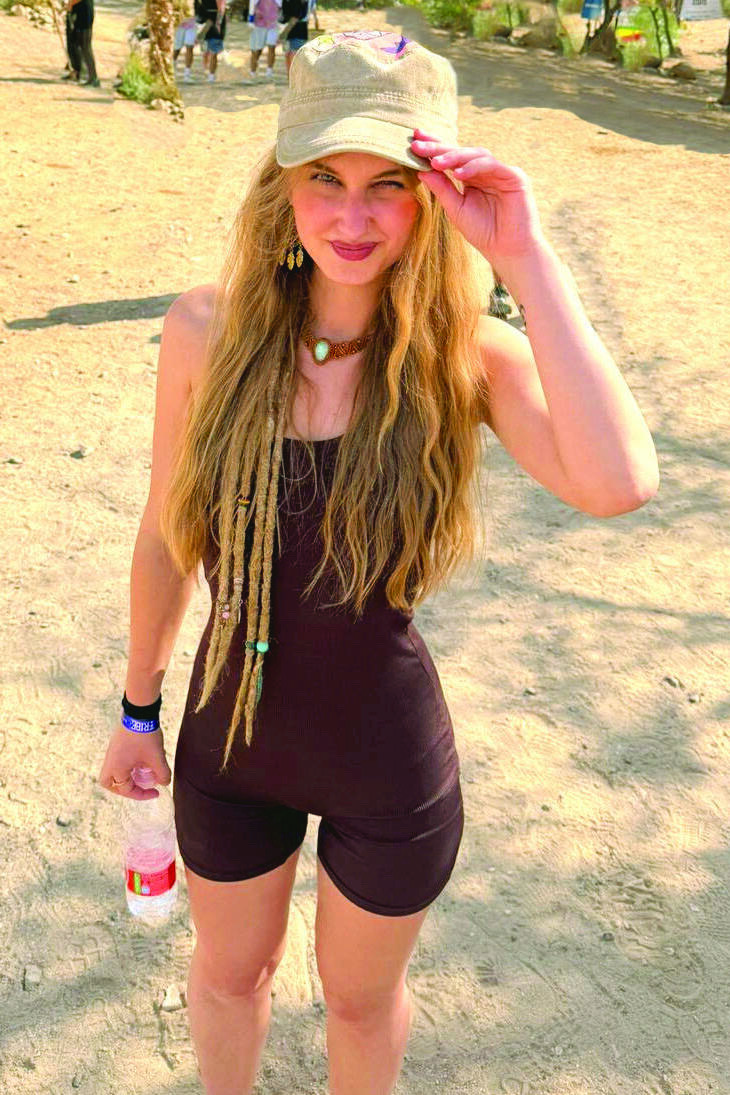
“In the first months after the breakup, I completely denied I’d even been at Nova. I wouldn’t tell anyone. Later, I went through a phase where that’s all I was, ‘Vlada, the Nova survivor.’ I’d cancel dates, ghost people. I was terrified of men, of the world, of myself.
Vlada Brik: “I was afraid of men, of the world. I felt I didn’t deserve to be in a relationship with a normal person. I accepted that I’d be alone for the rest of my life.”
“I felt I didn’t deserve to be with a ‘normal’ person, that no one would want someone with this kind of baggage. I thought if I found love again, something terrible would happen. That was the darkest time of my life.
“Half a year after the breakup, I realized I couldn’t keep denying it. I started talking with friends, with family. It helped me see life differently.”
To share or not to share:
“On a first date, I’m always torn about whether to say I was at Nova. I can’t relax until I do. The topic always comes up — the war, the hostages, reserve duty — and that’s my cue. I feel my heartbeat quicken. I want to release it, but I’m afraid it’ll push him away. I worry he’ll think I’ll have a panic attack mid-date or that it’s too much for him emotionally. Usually, I tell. It sits in my throat until I do.
“Some men get visibly startled. I tell them I’m fine, but I can see the fear. Those are not the right men for me, if he can’t handle emotions, he’s not for me. Others go too far, asking endless questions. I answer one or two, then shift uncomfortably so they get the hint. Sometimes I set boundaries, sometimes I change the subject. It depends.
“And then there are the ones who just move on, like I didn’t say anything. I stay silent. I don’t know if it’s apathy or shock.”
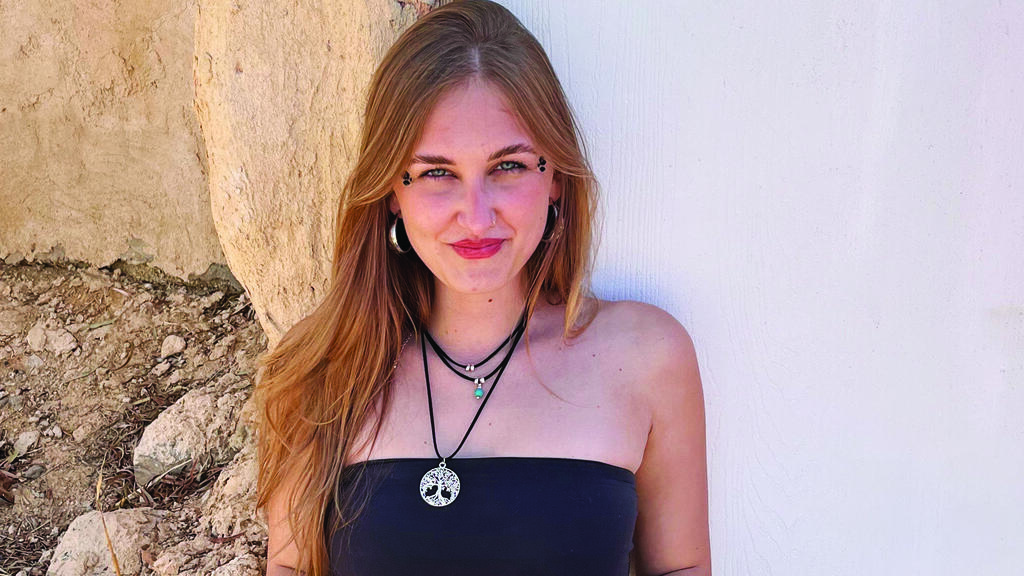
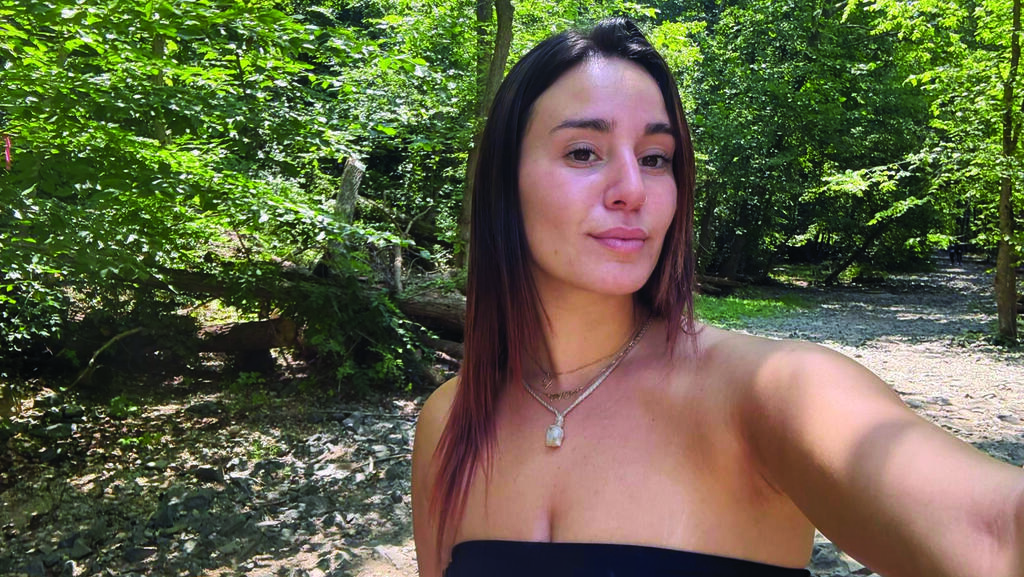
Vlada Brik
(Photo: Courtesy of the subject)
Matchmaking: “People kept trying to set me up with other trauma survivors, as if that’s what I needed. I did date one who had been at a southern base attacked on October 7. We connected deeply same language, same pain. But I realized trauma can’t be the foundation of a relationship.”
My current status:
“None of my dates this past year lasted more than two meetings. I think the issue is me, not them. I need to love and accept myself completely before I can do that for someone else.
“Before October 7, I was carefree and naive. I thought nothing could harm me. Now, I’m more anxious, quieter, withdrawn. It’ll take time before someone really gets to know me and before I get to know myself again.
“Only four months ago I started therapy, and things began to shift. I’m finally on the rise. I’m no longer denying life. I’m realizing I’m so much more than just a Nova survivor.”
“I was disconnected from myself”
Danielle Gelbaum, 24, Petah Tikva — reservist, soon-to-be law and psychology student
My survival story:
“Three weeks before October 7, I returned from my post-army trip to South America. I went to Nova with my sister and friends, we almost didn’t go. We got there at 1:30 a.m., the atmosphere was amazing.
“When the rockets started, we fled by car until we couldn’t drive further. We ran through the fields as bullets flew. Every few seconds someone fell. Then a pickup truck stopped, a couple fleeing the site. Sixteen of us crammed into the open trunk. They drove us to Netivot, and from there we got home.”
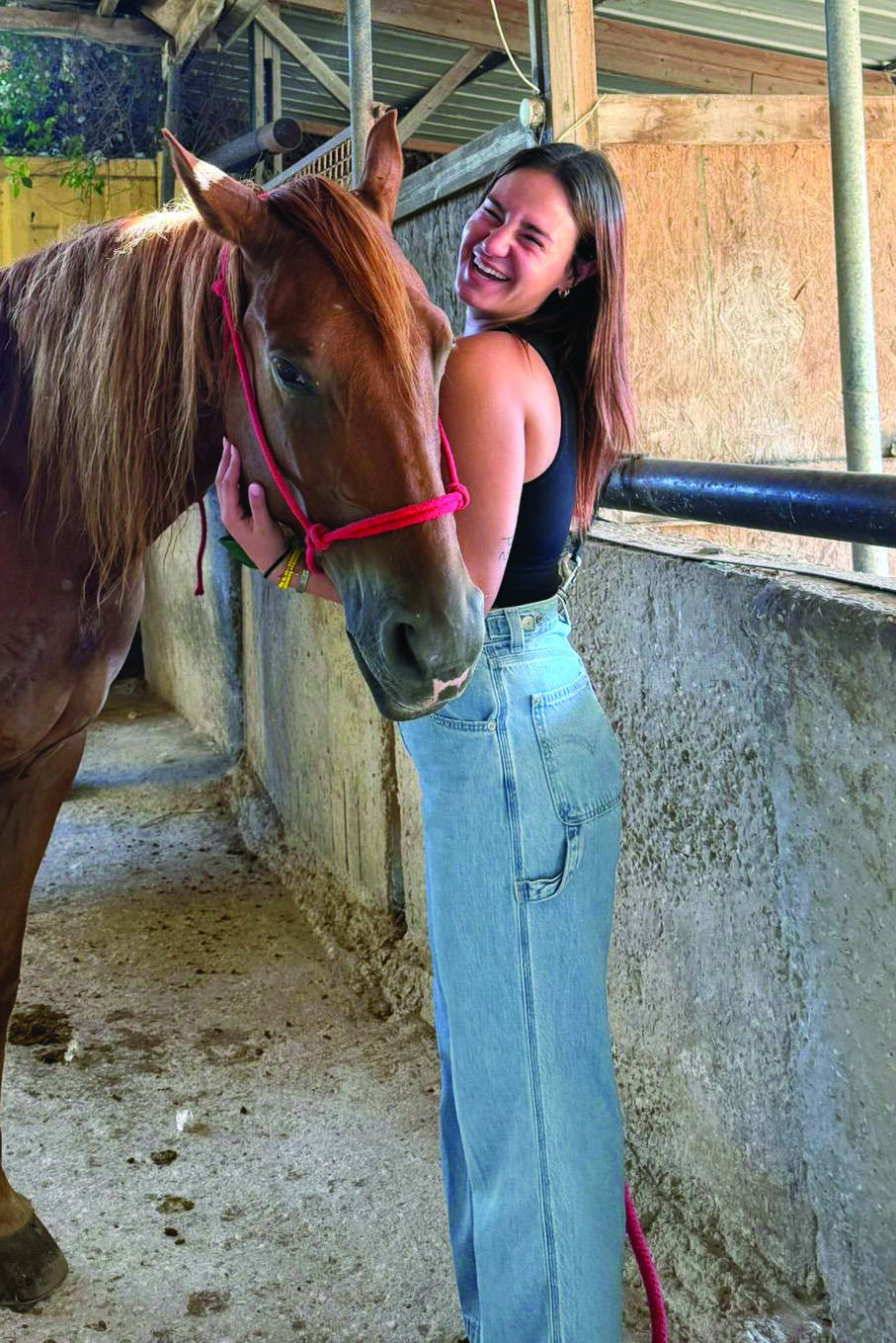
Danielle Gelbaum
(Photo: Courtesy of the subject)
Post-trauma:
“I can’t compare myself to who I was before. My confidence, my sense of safety — shattered. Posters of the hostages are a trigger. Even a cloud that looks like an Iron Dome interception makes my heart race. If I see someone step out of a car on the highway, I assume he’s a terrorist. I plan my escape routes. You live with it every day and it affects relationships.”
First relationship after Nova:
“Six months later I met someone at a party. He knew my story, it’s on my Instagram, my Facebook, in interviews. He was kind, empathetic. But I couldn’t open up. I was still in shock, disconnected. I couldn’t let him into that chaos. The relationship lasted nine months.”
Danielle Gelbaum: “I went on a date at a bar and had a panic attack. I froze, shut down completely. It’s embarrassing when you’re with someone who doesn’t know you.”
To tell or not to tell:
“My story always comes up on the first date, it’s public. People are curious, and I get that. I even wait for them to ask so I can talk about it and move on. Some tread carefully: ‘Only if you’re comfortable,’ they say. I tell them, and they’re stunned.
“One man told me outright on a first date that he didn’t want to see me again because of Nova. He said I’d be too sensitive and he wouldn’t know how to handle it. It hurt deeply.”
Danielle Gelbaum
(Photo: Courtesy of the subject)
A trigger during a date:
“About a year ago, I had a panic attack in a crowded Tel Aviv bar. I froze, completely. The guy I was with noticed, took me outside, and drove me home.”
My current status:
“I’ve been seeing someone for four months, he’s not Israeli. We met at a Nova advocacy conference in Washington, D.C. He heard my story there. Dating someone foreign is complicated, he can’t fully grasp what we went through as a nation.
“When he visited Israel recently, we drove north. At one point I saw signs in Arabic, and the fear came back. I grabbed him, digging my nails into his arm. He was understanding and calm.
“I’m not sitting at home crying, I’m living, functioning, projecting normalcy. Everyone my age carries some scar now. In Israel today, trauma is part of dating.”
“Don’t ask me about it”
Neta Cohen, 30, Herzliya — project manager at Wolt and Nova Foundation volunteer, featured in Kan 11 documentary After the Party
My survival story:
“I arrived at 4:30 a.m. on a whim. When the rockets started, we tried to leave but got stuck in traffic. At 8:30 a.m., police redirected us back into the field. We escaped on foot until we reached Kibbutz Tze’elim and stayed there until evacuation.”
Post-trauma:
“Five days later I went to a healing center and said, ‘Help me.’ Two months later I went back to work, but I wasn’t myself, detached, hollow. My old life was erased.
“The first year was about survival and rebuilding. I wasn’t capable of dating, I needed to meet myself first.
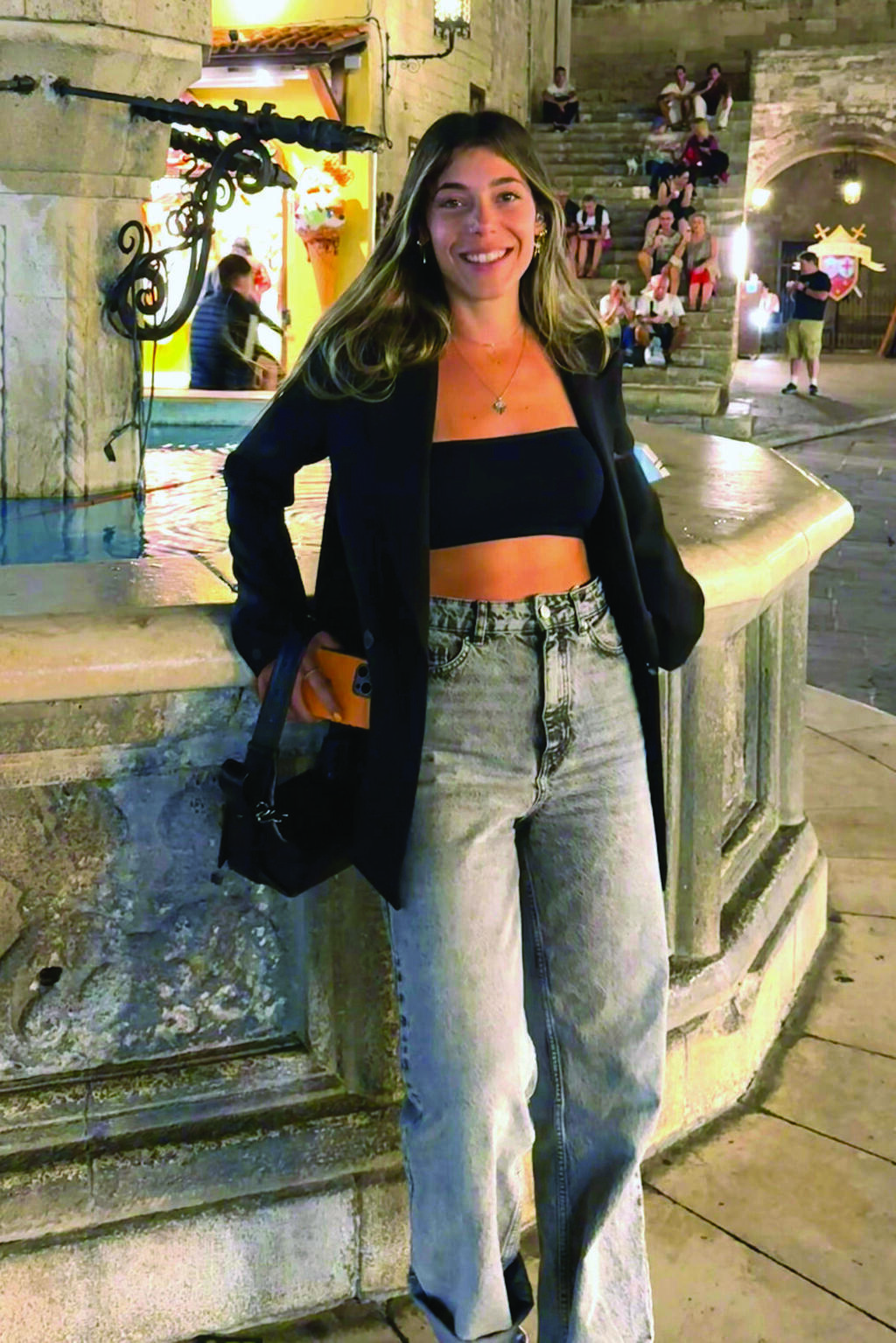
Neta Cohen
(Photo: Courtesy of the subject)
“By the second year, I felt growth. I learned about post-traumatic growth, how trauma can lead to strength. I began enjoying my solitude, discovering who I am now. Only then was I ready to meet someone new.”
Neta Cohen: “I’d rather not be asked about it on a first date. Now I also know how to say I don’t feel like answering. I just say, ‘Don’t ask, it’s not appropriate.’”
Triggers on a date:
“A year ago, I went out with a guy from a workshop I attended. He was kind, considerate, took me to dinner in Jaffa. The moment we got out of the car, a man speaking Arabic passed by and I froze. Then an engine revved, I dissociated. Because he already knew my story, he handled it with care. I no longer apologize for my reactions. I also avoid crowded places. That date didn’t lead anywhere, but it taught me how to navigate these moments.”

Neta Cohen
(Photo: Courtesy of the subject)
To tell or not to tell:
“I prefer not to be asked about Nova on a first date. Maybe on the second or third. The more someone asks, the less I want to talk. Even close friends were hesitant to ask. Now I can say, ‘I don’t want to answer that,’ and that’s okay. I’ve learned to set boundaries.”
Bottom line:
“I carry Nova with me, for better and for worse.”
“Don’t let trauma isolate you”
Keren Gilat, relationship coach and head of the holistic coaching school at Reidman College explains:
“Many women carry suppressed trauma into relationships. But Nova is different, it’s collective, visible, understood. There’s no shame or guilt in it. It’s something that happened to you, not about you. It doesn’t define your worth.
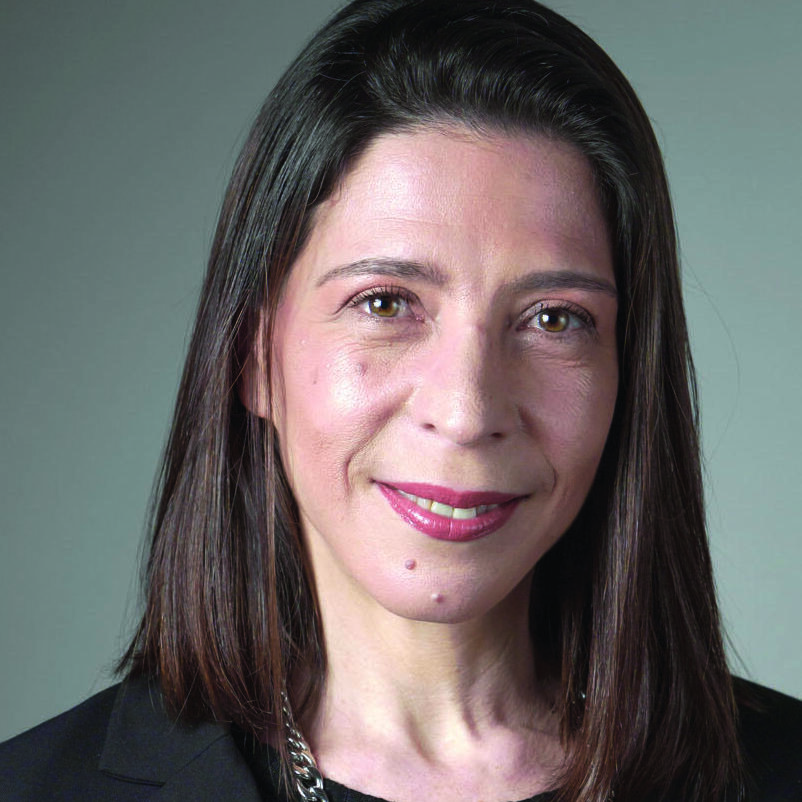
Keren Gilat
(Photo: Adi Shamay Hacohen)
“When it comes up on a date, share only as much as you feel comfortable. If a man probes too much, stop. If he’s indifferent, that’s also a sign, thank him and move on. It’s a filter for emotional maturity.
“Trust is hard after trauma, but relationships are vital for healing. Don’t let the trauma isolate you. Remember: besides PTSD, there’s PTG, post-traumatic growth. I’ve seen people become stronger, more open to love, more eager for connection after the war.
“And yes, two trauma survivors can absolutely make it work, they speak the same emotional language.”