

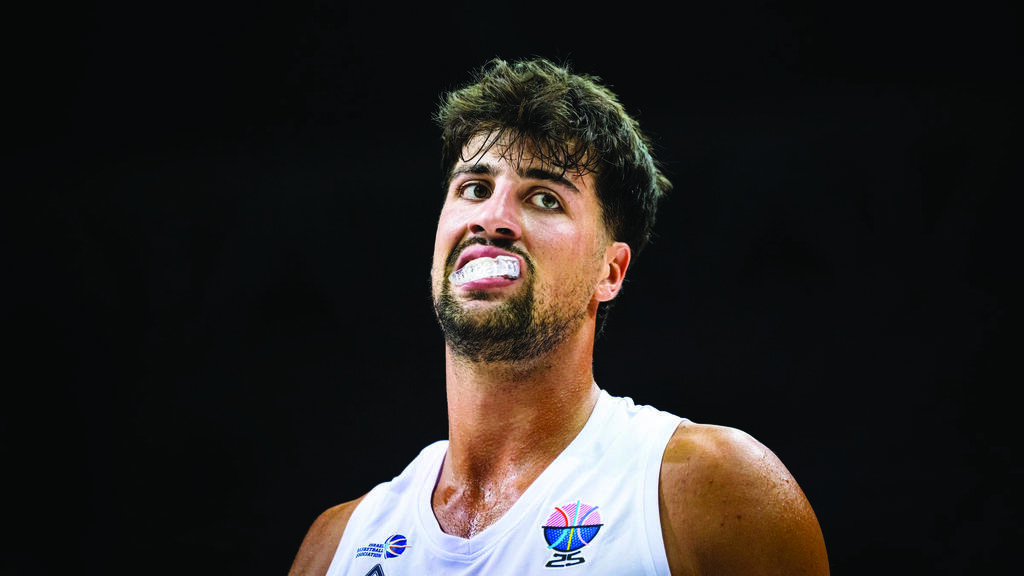
On Jan. 29, 2024, Deni Avdija was playing for the NBA’s Washington Wizards. During the third quarter, San Antonio Spurs player Keldon Johnson accidentally elbowed Avdija in the face, breaking one of his front teeth. Avdija was filmed briefly leaving the court in visible pain before returning to the game.
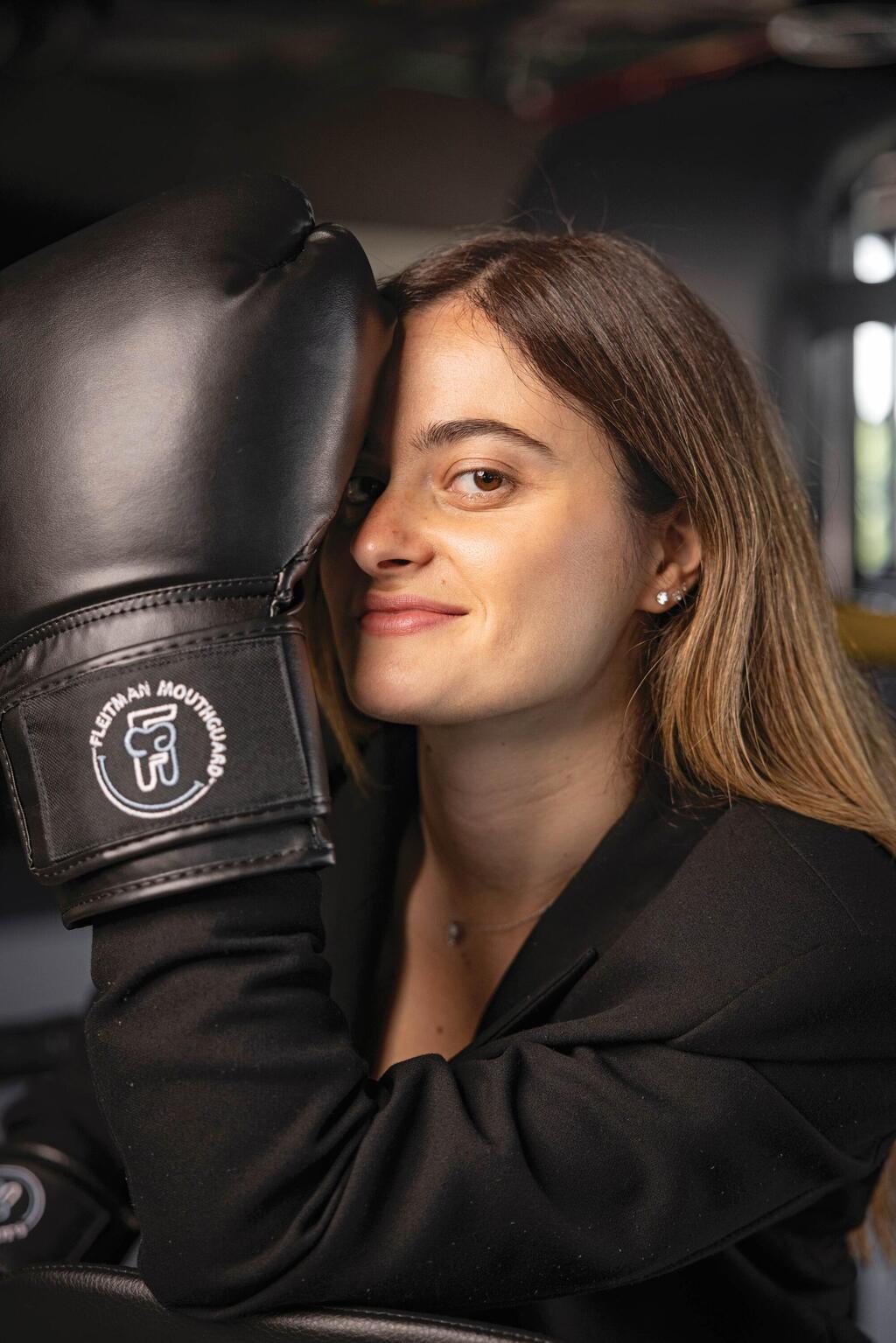
Gal Fleitman, a former athlete, has not forgotten that incident. Avdija had been treated from a young age at the family dental clinic run by Fleitman’s father and his two brothers. When he returned to Israel, he came to the clinic with the broken tooth. After receiving treatment, Fleitman provided him with mouthguards from the small business she had recently launched.
So, how is Deni Avdija doing?
“Since the dental injury in 2024, he has come in every summer to get new mouthguards before flying back to the NBA. We replace them every year because wear and tear on the material can reduce the level of protection from 90% to 40%, depending on how frequently they are used.
“After his tooth broke, I posted about it on social media. I explained what had happened, and it gave us a boost in exposure. The second time he came to us was after the repaired tooth was hit during a game. He was already wearing one of my mouthguards, which was fortunate. I posted a story explaining how important it is to wear a mouthguard because it reduces the risk of a far more serious injury.”
Deni Avdija
(Photo: FIBA)
Fleitman, 29, is single and lives in Tel Aviv. She is the daughter of a dentist who treats many athletes — more on that later — but she was never steered toward the family profession. She played tennis and volleyball and, after serving in an IDF computer unit, realized at 21 that she would eventually have to find a new calling.
“In volleyball, especially for women, there is a glass ceiling,” she said. “I knew I had to find my own path and I wanted to work in television.”
When she was 21, veteran Israeli journalist Gadi Sukenik visited the family clinic and gave her a valuable piece of advice: “If you want to work in media, you have to throw yourself into the deep end and start working in the field.”
Did you take the plunge?
“I took a television studies course and it opened the door for me. On the final day of the course, the chief editor of ‘Married at First Sight’ came in and invited me for an interview. The next day I started working in television. I moved from one project to another and became completely consumed by it.”
She later worked in casting for “Game of Chefs” and “Big Brother VIP.” The years were intense but also fascinating.
Sports at the center of her life
Fleitman was born and raised in Tzoran, one of three daughters — she has an older sister and a twin — in a family of dentists.
“My late grandfather, my father, his older brother, his younger brother and the wife of one of the brothers are all dentists,” she said. “My sister is a dental hygienist, my cousin is a dentist at the clinic and his wife is a dental technician. Even my grandmother helps out a little at reception.”
And you?
“I worked as a dental assistant. My father trained me.”
But Fleitman always preferred training courts to the clinic and has been involved in sports throughout her life. From age 6 to 13, she trained in acrobatics, competing in tournaments and Israeli championships. She later switched to tennis and volleyball.
A moment of crisis came when she was invited to try out for Israel’s national tennis team and study at the Wingate Institute.
“I panicked and decided to give it up,” she said. “That decision is my wound and it stays with me to this day. At the time, I did not have the mental ability to cope with failure. Being accepted to Wingate and moving there was stressful, and I simply ran away. I was not ready to deal with it. Today, I am a completely different person.”
After serving as a commander in an IDF computer training unit, she continued playing volleyball until age 25 in Israel’s women’s second division. She helped her team earn promotion to the Premier League and represented Israel’s national snow volleyball team in Austria and Germany.
She then began working as a casting director and researcher for reality documentary programs. At 26, she left both television and volleyball to develop her new brand.
Ahavat Hashem Gordon
(Photo: Reels.il)
Why leave a challenging television job that also creates so many connections?
“I became completely absorbed in casting and had no life. It is very similar to the adrenaline of sports because you are constantly active, constantly chasing something and moving nonstop from one achievement to the next.
“I realized how much the job was taking over when my friends started telling me, ‘Gal, you are not here. We sit with you at a cafe or go to events, but you are working. You are not with us and your mind is always on work.’
“My nieces and nephews were born and I felt I was not really part of their lives because I never had time. I felt I was giving up part of myself for my television career.
“I looked around and saw editors bringing their children to the office, some of them single mothers, and I understood that the job would run my life. I did not want to be swallowed up by it.”
So what did you want?
“I very much want to be the kind of mother my mother was for me — present and raising us without a nanny. On the other hand, she gave up part of herself. I want to find a way to combine my future family life with the business I have built.”
Have you found a winning formula?
“I have a business adviser and a strategic consultant. They taught me that the most important thing is knowing how to make decisions, believing in myself without consulting other people about everything and not torturing myself even when a decision turns out to have been wrong.”
Backed by the family business
About three years ago, after seeing athletes arrive at the family dental clinic with dental injuries, Fleitman decided to establish Fleitman Mouthguards.
“I remembered that 10 years earlier, my father and his brothers had seen a machine at a conference in Germany that produces mouthguards for athletes. They never did anything with it,” she said.
“I realized it was a developing field and decided to enter it. I joined the international organization of mouthguard manufacturers and traveled through it to professional conferences. I acquired all the necessary laboratory production knowledge and learned how to make the most advanced mouthguards for athletes in the world’s top sports leagues.
“The machine is located in the family clinic. Today, I am affiliated with the international organization, work according to medical standards and manufacture the mouthguards under license.”
Ruach Hashem Bechayenu Gordon
(Photo: Reels.il)
How involved are your parents and the family clinic in your business?
“They are my investors. They are my backing. Without them, none of this would have happened. My business is a subsidiary within the family business.”
Who makes the decisions?
“Today, I do not consult my parents on business matters. I tell them what I am going to do. At first, I asked them about everything.
“My father and his brothers are dentists, not businesspeople. They do not understand marketing and, at first, they did not understand that you have to invest money to make money. I am pleased that I proved I could market the business successfully on my own.”
How aware are Israeli athletes of the need to protect their teeth?
“It is my life’s mission to raise awareness. In basketball, both in Israel and abroad, there is no rule requiring athletes to wear mouthguards on the court.
“The idea of producing advanced mouthguards came after I saw quite a few athletes arrive at the clinic with terrible injuries. Sometimes oral and maxillofacial specialists had to become involved. I asked myself why they were not using mouthguards. A mouthguard could protect them. An athlete without one is far more exposed to injury.
“There was an Israeli basketball player in the second division who went to save a ball and collided with another player. He broke his jaw and was off the court for four months. A mouthguard might not have prevented the injury, but it probably would have significantly reduced the force of the impact and the damage.
“And yes, awareness is growing. Every player on Israel’s women’s national basketball team uses our mouthguards. One of them was struck in the head during a warm-up game. She suffered a concussion and split her lip, but her teeth and tongue remained healthy and intact.”
Which athletes did you treat when you were starting out?
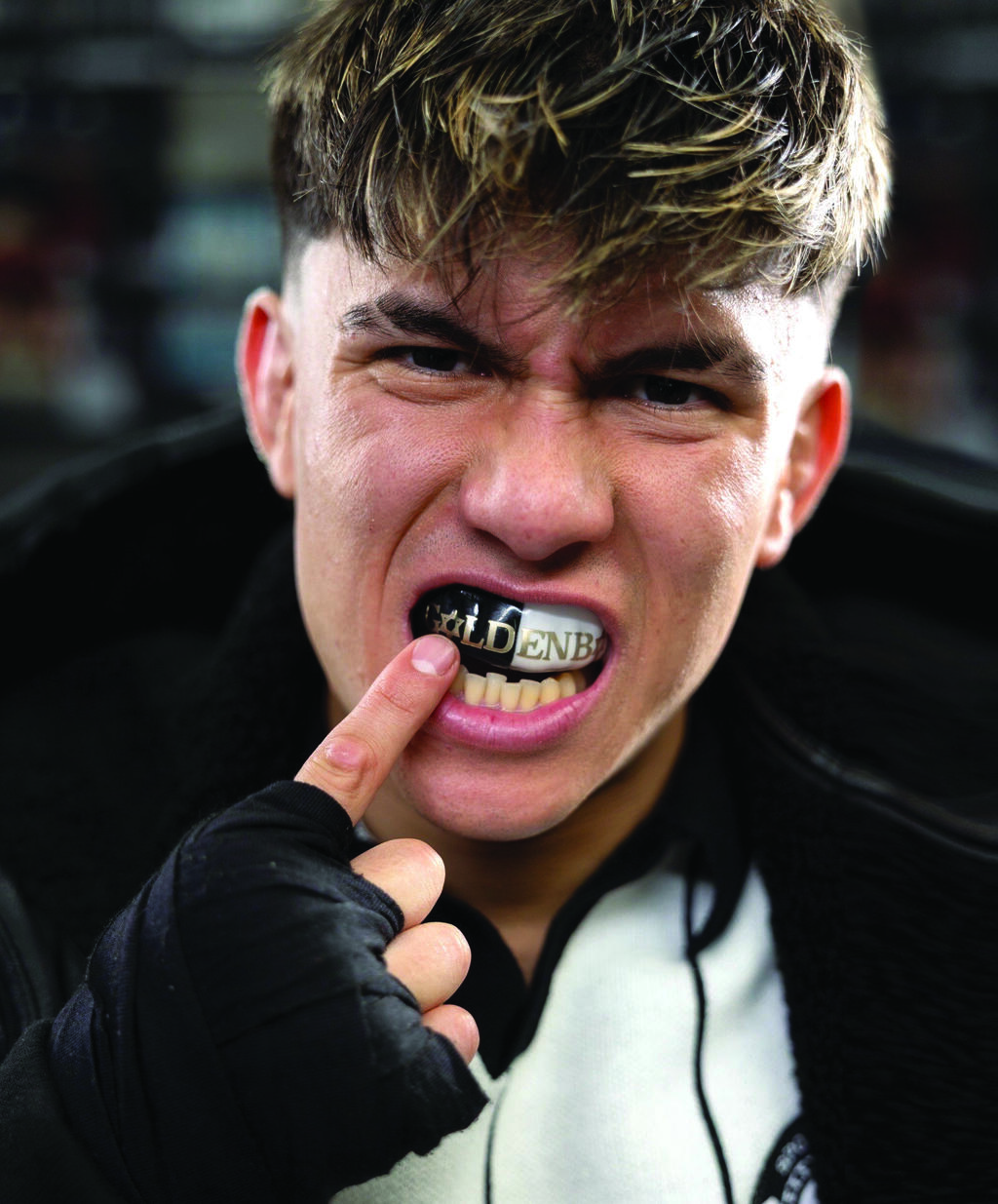
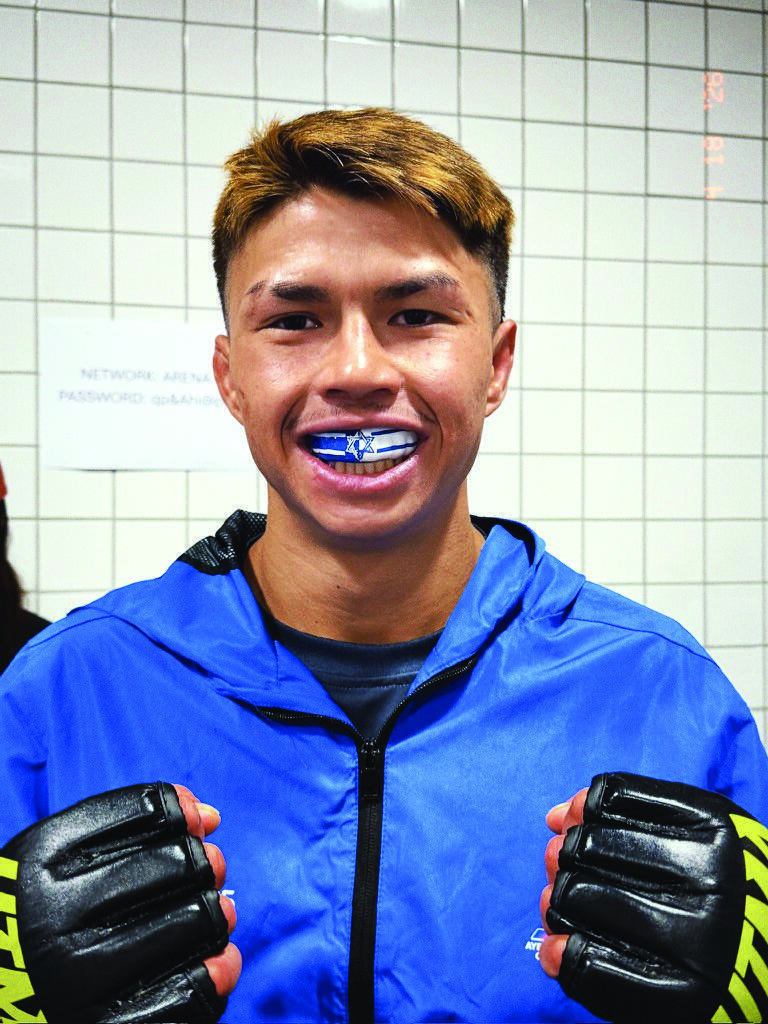
“Tamir Blatt, for example. When he broke a tooth, we treated him at the clinic and then I fitted him with a mouthguard. I also made one for Ben Saraf, who currently plays for the Brooklyn Nets in the NBA, and for boxers Ahavat Hashem Gordon and his brother, Ruach Hashem.
“Two or three years ago, Ahavat Hashem sent me a message asking, ‘Do you do collaborations?’ I was not familiar with boxing and did not yet know who he was. I arranged a meeting with him and began following his career. At the time, they were training and living in Thailand.
“Eight months later, I invited him to have mouthguards made because I knew something big was going to happen with him. Thanks to my television work, I know how to identify stars.
“Since then, it has been a love story. I genuinely cannot explain how, but I have a close friendship with most of the athletes. I stay in touch with them. They are not only my clients, they are my friends. Ahavat Hashem invited me to his wedding next month. That is how close we are.”
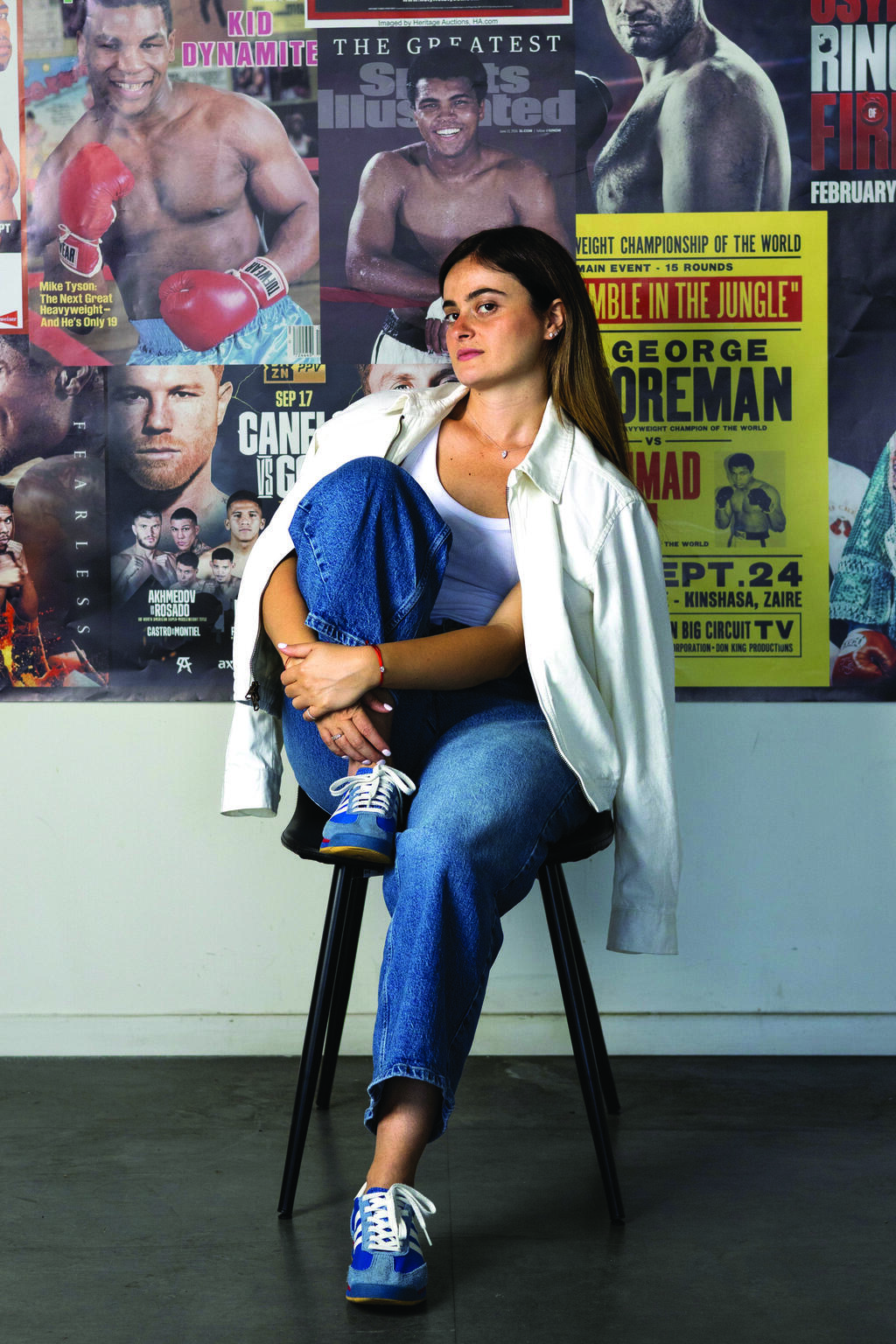
'I have an incredible passion to succeed'
(Photo: Mai Goldstein)
A mouthguard costs 1,000 to 1,500 shekels and must be replaced every year. Do you think that is a realistic price?
“I have a story about that too. During my first year, I met a successful entrepreneur and told him about the venture. He asked, ‘How much do you charge for a mouthguard?’ I said 450 shekels.
“He looked at me and laughed. ‘Are you a charity? Why is the price so low? Unless you raise it tomorrow, you might as well close the business.’
“I asked, ‘But who will buy it at that price?’ I had no idea how to do it. Once I understood how I could upgrade the product enough to justify a higher price, I raised it.”
How did you upgrade it?
“A mouthguard is a medical product made by hand. What makes ours unique is that we produce custom-made mouthguards that look like jewelry.
“Ahavat Hashem, for example, was photographed for a Mania Jeans campaign wearing one of our mouthguards with an Israeli flag on it. It appeared on television and everyone wrote to me, ‘Your mouthguard is on TV.’ It really became an accessory.
“Now Ahavat Hashem’s sponsors have also contacted me. They want us to make him two mouthguards bearing their logos. The mouthguard has become advertising space. When he enters the ring, it is like having a logo on a shirt.
“I also began making matching keychains for the mouthguards and people love them.”
About 1,500 shekels per mouthguard
Fleitman acknowledges that one of the challenges she faces is operating a small business within a large family enterprise.
“I recently launched an advertisement for our mouthguards featuring leading athletes. It airs on Israel’s ONE sports channel and is intended to increase exposure across all sports,” she said.
“It was difficult to approach my family and ask for money. At this stage, I should already have an annual marketing budget, and I had to present the business to my family from the day it was established, just as I would to investors.
“I told them, ‘This is the first-year target. This is the potential financial target for the second and third years. Are you with me? Do I have the green light?’ Fortunately, I convinced them to invest.
“I have an incredible passion to succeed. It is true that I have family backing and that none of this would have happened without them. But ultimately, either you manage to leverage that support or the business closes.
“About 60 new mouthguards with special patterns and prints are sold each month. The average price of a mouthguard — covering only the upper teeth — is between 1,000 and 1,500 shekels.”
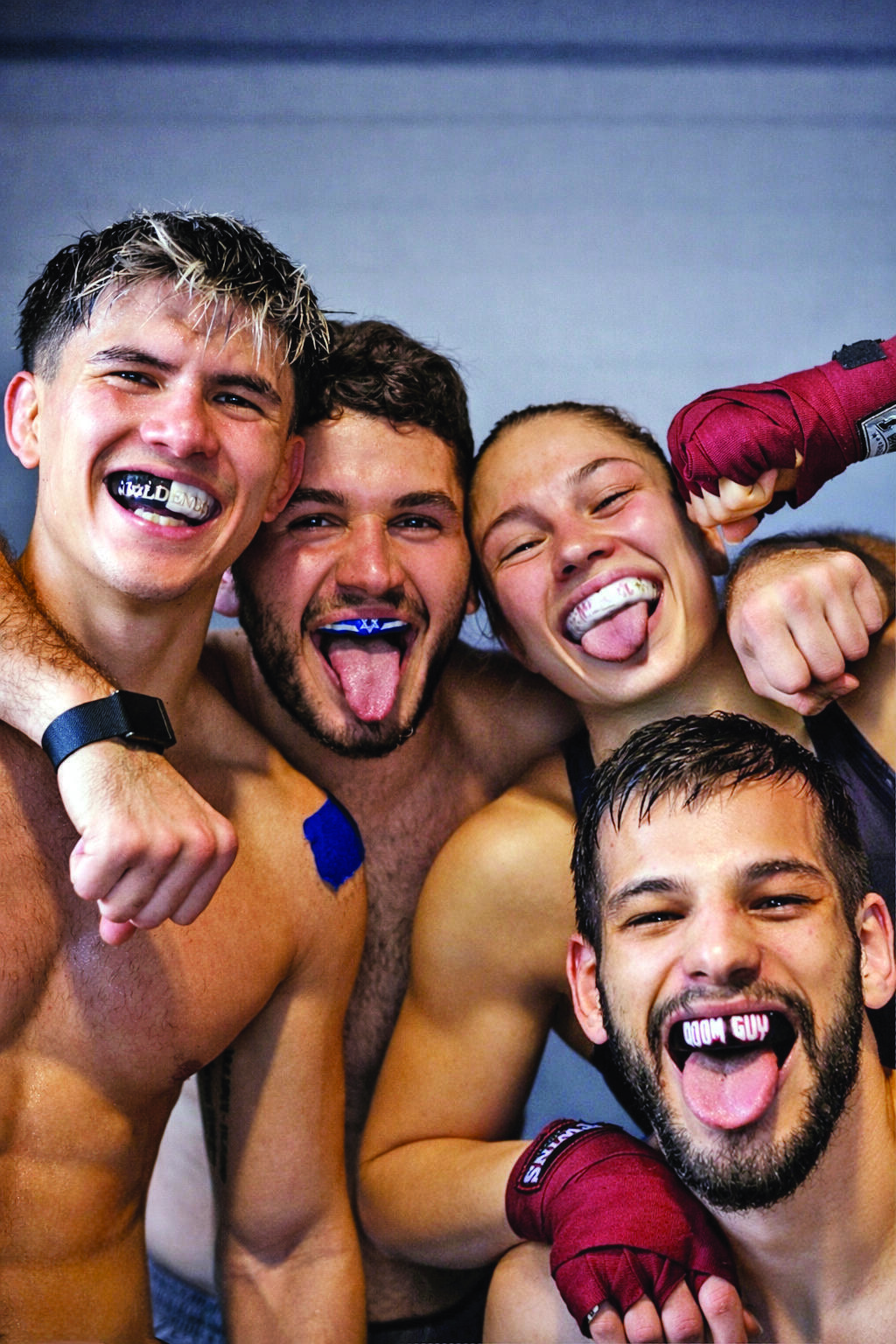
The Gordon brothers
(Photo: Ariel Doron)
Fleitman recently presented her products at a sports innovation conference at Expo Tel Aviv.
“There were three booths and I was the only woman,” she said. “It is a very male-dominated field and sometimes men dismiss me or treat me condescendingly.
“Once, I got into an elevator on my way to a meeting at the Israel Basketball Association. Someone who does not value my work walked in and said, ‘What are you doing here? Nothing will come of this.’
“Imagine that happening before a very important meeting, when you have to arrive full of energy and project success. I did not respond, but I thought to myself, ‘Why are you interfering?’
“The challenge is to ignore the noise and enter the meeting as though you are at the absolute peak of your life.”
Which athlete would you most like to see wearing your mouthguards?
“Deni Avdija is our star and he is several levels above everyone else. But I would also love for Stephen Curry, the NBA superstar with the Golden State Warriors, to use our mouthguards.
“When he was a college player, he suffered a dental injury and broke a tooth. Since then, he has played with mouthguards that have become his trademark. When he shoots free throws, he chews on his mouthguard. The media analyzed the statistics and found that his free-throw percentage rose by 3 percentage points when he chewed on it while shooting.”
What is the next goal?
“I have just returned from a conference in Los Angeles and San Diego. We visited the world’s largest dental laboratory, which employs 5,000 people. It was incredible. They manufacture 1,000 mouthguards a month.
“We want to collaborate with them to produce innovative mouthguards containing a chip — a sensor that provides data on performance levels, calories burned, heart rate and the force of an impact in case, God forbid, an athlete collides with another player.
“In rugby and football leagues in the United States, for example, players are required to wear mouthguards. A head-to-head collision between two players can be severe. The chip can identify the force of the impact, allowing the team doctor to determine whether a player has suffered a concussion and must be removed from the field immediately.”