


The people who shape the future rarely wait for permission. They see where the world is going, place their bets early and start building. These five are doing that in fields that are already changing how we live.
They work in very different arenas — artificial intelligence, medicine, media, entrepreneurship — but all of them are doing some version of the same thing: refusing to wait passively for change. Instead, they are helping drive it. In some cases, they are redefining entire industries. In others, they are taking fields that already exist and forcing them into their next phase.

Sam Altman is perhaps the clearest example of what that kind of power looks like today. He never finished a computer science degree, but that hardly slowed him down.
Long before AI became a daily subject of dinner-table conversation, Altman was already positioning himself at the center of it. As CEO and co-founder of OpenAI, he helped bring ChatGPT into the mainstream and, in doing so, transformed artificial intelligence from something abstract and distant into a tool millions now use to work, learn, search, write and think.
AI had existed for years, but ChatGPT changed its place in public life. It made the technology feel immediate, personal and unavoidable.
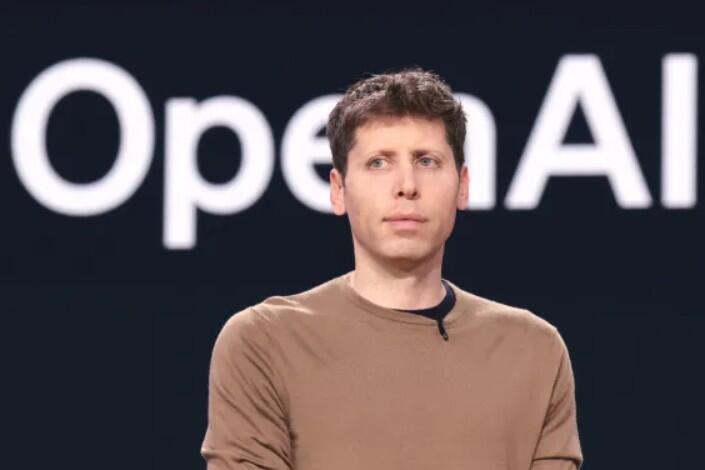
Sam Altman
(Photo: AFP)
That alone would have been enough to secure Altman’s place in the story of this era. But what makes him more than a one-company phenomenon is the scale of his ambition. Between bets on energy, biotechnology and other frontier fields, he seems less interested in merely responding to the future than in accelerating it.
David Ellison is building power in a very different way, through media, influence and cultural leverage. As the son of Larry Ellison, he never lacked access or resources, but inheritance alone does not explain the position he now occupies. Over the years, Ellison established himself as a serious Hollywood producer and executive, yet what stands out just as much are the choices he has made beyond the screen.
After Oct. 7, Skydance pledged a $1 million donation to Magen David Adom and later helped bring Israeli films about the massacre to international audiences.
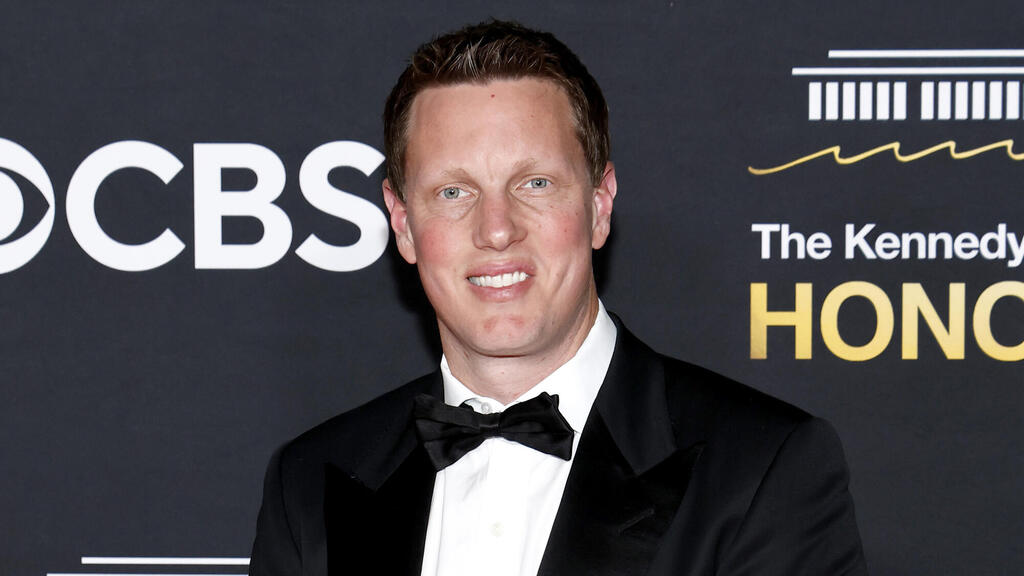
David Ellison
(Photo: Paul Morigi/Gettyimages)
Under his leadership, Paramount became the first major studio to publicly push back against the Hollywood boycott of Israeli film institutions. In a moment when anti-Israel posturing has become fashionable in parts of the entertainment world, Ellison chose a different path.
Now, with an eye on a merger with Warner Bros. Discovery, he is moving toward a position that could place two of the most powerful brands in television news — CBS and CNN — under his influence. That is no longer just a story about entertainment. It is a story about who gets to shape the cultural and political conversation in America.
Dr. Kira Radinsky has spent much of her career doing something that sounds almost mystical, except that her method is pure mathematics and machine learning. She predicts what comes next. Not through intuition, and certainly not through a crystal ball, but through algorithms built to detect patterns before others can see them clearly.
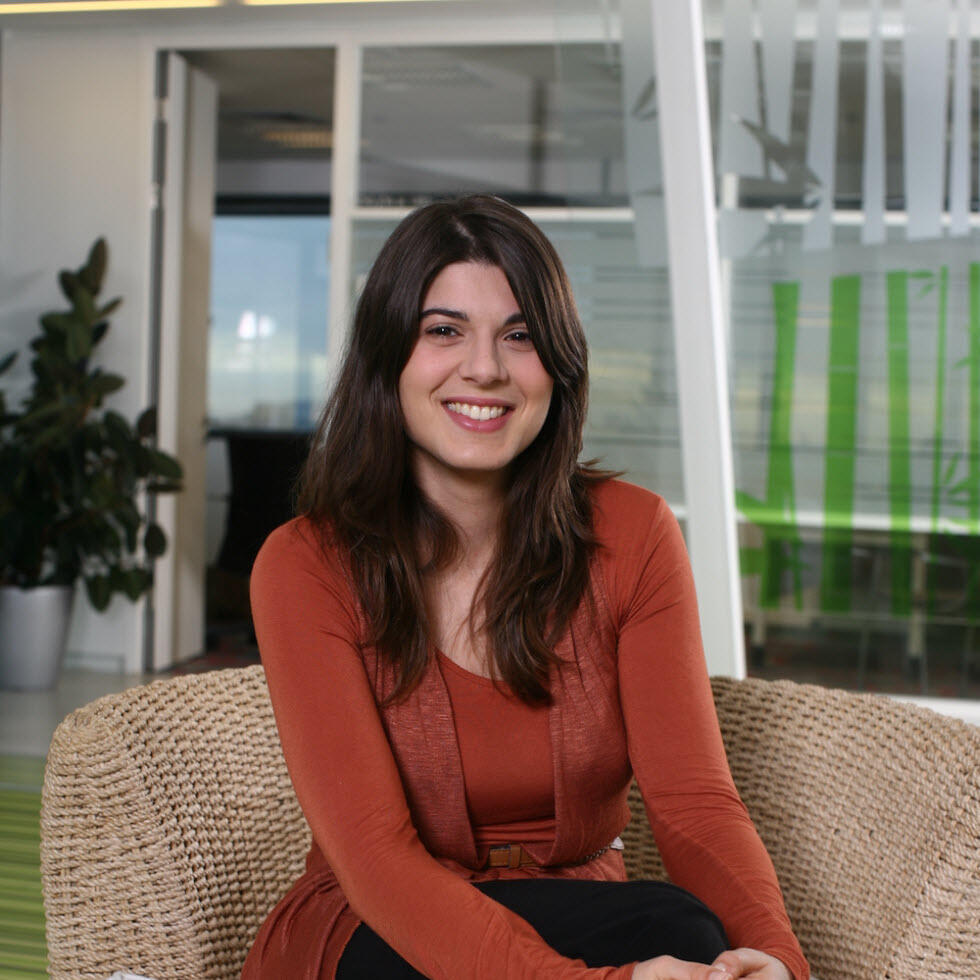
Dr. Kira Radinsky
(Photo: Innovation Conference)
Radinsky was one of the people who grasped the real potential of AI early on, not just as a buzzword, but as a practical tool with the power to translate vast, messy streams of data into meaningful forecasts.
A child prodigy who began studying at the Technion while still a teenager, she built an international reputation as both a researcher and entrepreneur. Her work first drew attention for identifying early signals of disease outbreaks and geopolitical instability, then expanded into ventures designed to turn predictive intelligence into tools the business world could actually use.
Now she is channeling that same knowledge into medicine, where the stakes are higher and the promise even greater. Alongside her academic work and more than 50 published papers, she is helping develop AI systems meant to make medicine smarter, more precise and more accessible. In her case, the future is not just something to be anticipated. It is something to be modeled, refined and applied.
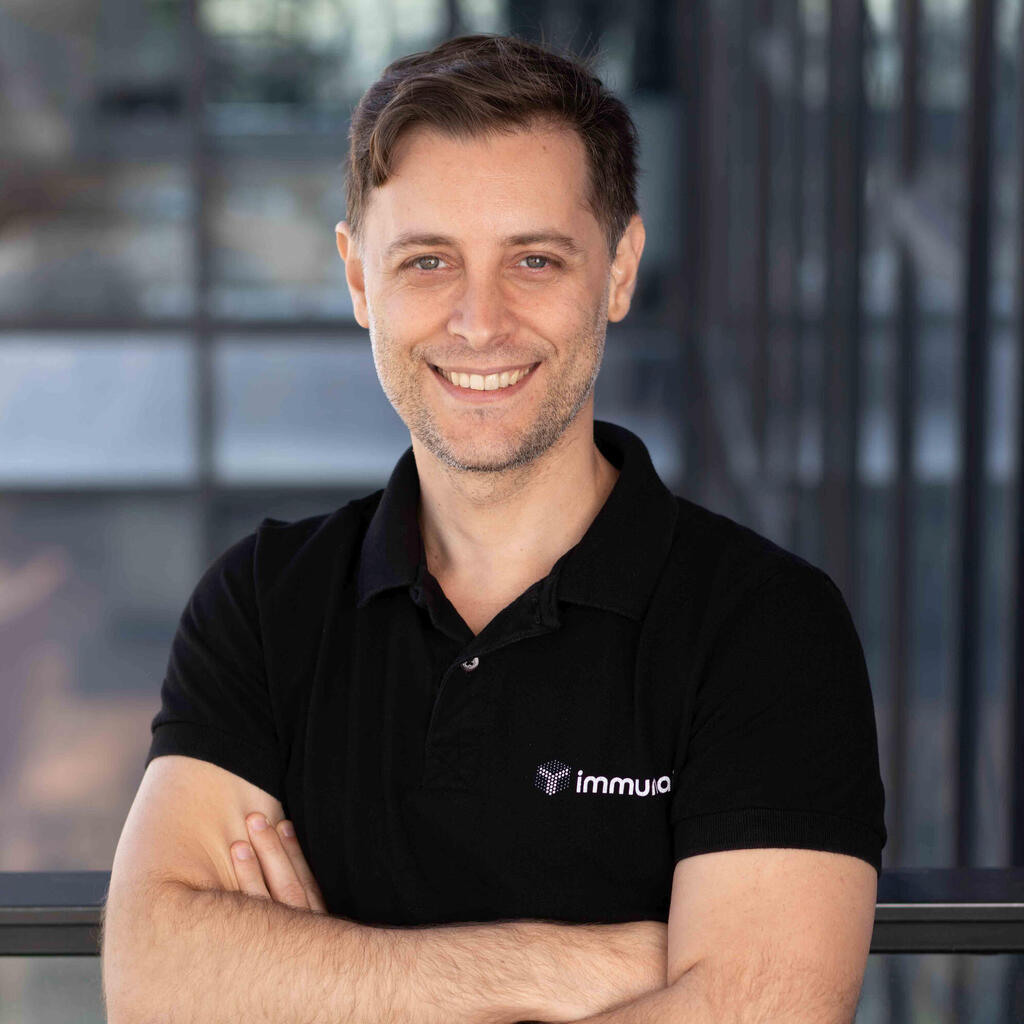
Noam Solomon
(Photo: Arik Sultan)
Noam Solomon is also trying to change medicine, but from deeper inside the system. His path was unusual from the start. He struggled to fit into the traditional school framework, yet by 14 he was already studying mathematics at the university level. That trajectory eventually led to two doctorates, one in mathematics and one in computer science, followed by postdoctoral work at Harvard and MIT.
By any standard, he seemed headed for a distinguished academic career. Instead, he chose to leave that path behind and build something of his own. The result was Immunai, a company that brings together biology, medicine and artificial intelligence in an effort to map the immune system with unprecedented precision. That may sound technical, but the ambition behind it is enormous: to understand the immune system well enough to transform the way diseases are diagnosed and treated.
So far, the company has raised about $300 million and employs nearly 200 people around the world. Its long-term goal is not incremental improvement, but a fundamental shift in how modern medicine approaches everything from Crohn’s disease to cancer.
Solomon is part of a new class of founders who do not see a boundary between academic rigor and entrepreneurial scale. For them, science is not meant to remain in journals. It is meant to become infrastructure.

Ben Pasternak
(Photo: Courtesy)
Then there is Ben Pasternak, whose story feels almost designed to embody the restless logic of a younger entrepreneurial generation. He dropped out of high school at 15 and launched Monkey, an app that quickly took off and turned him into one of the most closely watched young founders around.
That alone could have become his entire identity: a teenage wunderkind who hit early. But Pasternak’s career has been marked less by one breakthrough than by an unusual willingness to keep changing fields, testing himself and starting over.
After apps, he made an unexpected leap into food tech with SIMULATE, a company that set out to turn plant-based protein into a convincing alternative to chicken. It was a sharp pivot, but also a revealing one.
Pasternak has never seemed particularly attached to staying in one lane. What interests him is the chance to build in spaces where habits are changing and new consumer worlds are taking shape.
Now, still only 26, he has also spent time in the crypto world. That kind of reinvention can look erratic from the outside, but it may be exactly what makes him emblematic of this moment: bold, global and unafraid to abandon one version of the future in pursuit of another.

First published: 14:37, 04.20.26