

When Daniel Lurie, a philanthropic Jew, launched his campaign for mayor of San Francisco, many dismissed him as an inexperienced outsider—naive, even—devoid of the grit needed for the city’s notoriously brutal political scene, which he, himself, once described as “a knife fight in a phone booth.” But just months since he took office in January, Lurie has managed to prove the skeptics wrong.
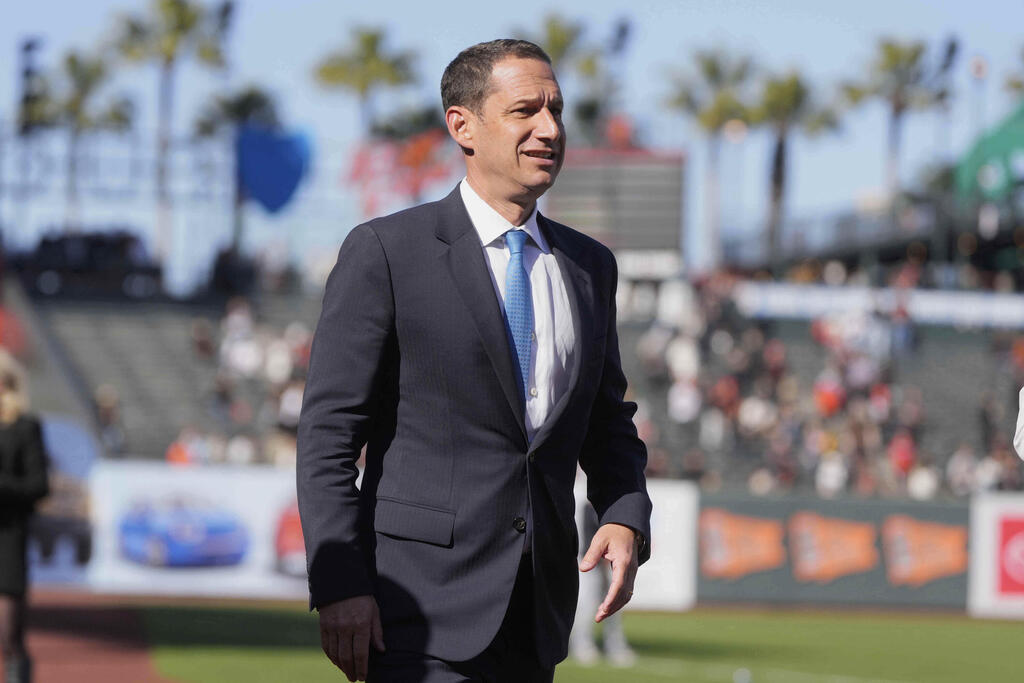
On Thursday, July 24, the mayor approved a two-year budget that marks the clearest indication yet of his administration’s priorities: a leaner city government and a sharp focus on public safety. The $15.9 billion budget closes an $817.5 million deficit and allocates the highest amounts to public works, transportation, and commerce ($6.23 billion), as well as community health ($3.38 billion). Roughly $3 billion is set aside for human services and neighborhood development, $2.22 billion for public safety, and $1.68 billion for general city operations.
Lurie protected funding for the police and fire departments, the district attorney’s office, and the public defender’s office. He also earmarked $400 million for a rainy day reserve, in anticipation of future economic challenges amid uncertainty over federal funding.
For many in the Bay Area frustrated by former Mayor London Breed’s tenure, Lurie represents a breath of fresh air. Despite allocating hundreds of millions of dollars to services for the unhoused, Breed's term saw homelessness increase by 7% increase in 2024—driven largely by families forced to live in vehicles. Around 60% of those offered shelter turned it down, underscoring deep systemic challenges in addressing homelessness.
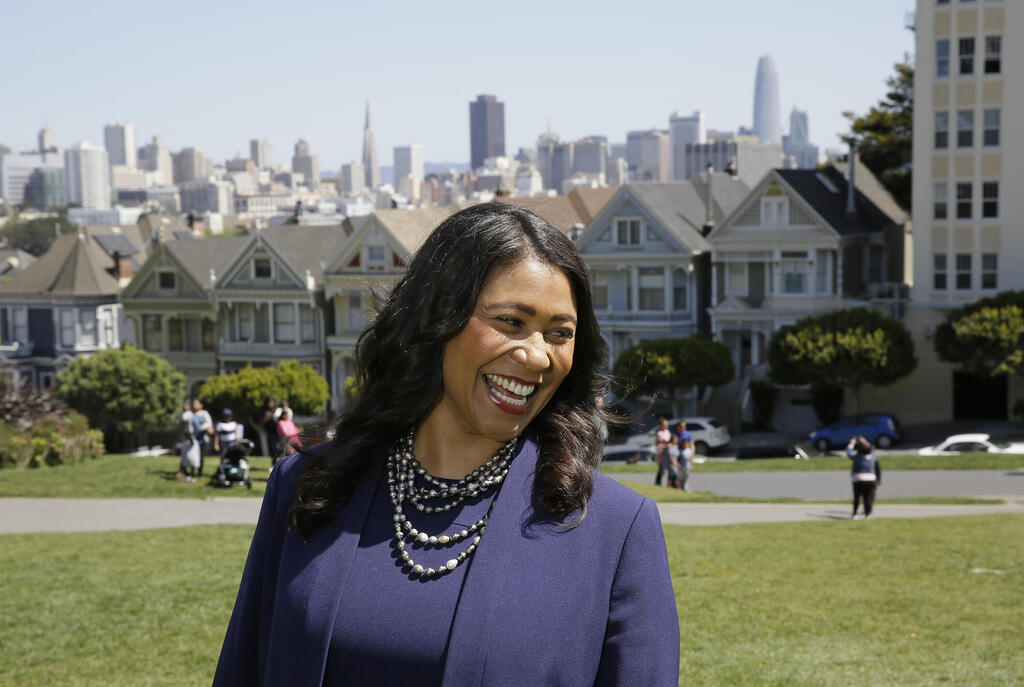
Former mayor London Nicole Breed
(Photo: AP Photo/Eric Risberg)
Meanwhile, Breed’s progressive “harm reduction” drug policy, intended to curb disease among addicts, was widely viewed as ineffective, failing to treat addiction while enabling drug culture.
As a result of past policies, homelessness and drug addiction have become embedded in the city’s landscape, particularly downtown. Reports detail how poor conditions, slow referrals, and frequent evictions for minor rule violations left many housing units vacant. Hundreds of jobs intended to manage the crisis went unfilled, and a lack of community coordination stalled new housing and treatment centers.
Residents, fed up with deteriorating streets, a shrinking business base, and rising crime, were ready for change. Lurie, a San Francisco native, arrived at just the right moment. Office buildings sat vacant as companies shifted to remote work, and Lurie responded in June by signing legislation to convert offices into housing. This effort, part of a new financing district, helped reduce office vacancy to 35.1%—the city’s most significant quarterly improvement in a decade. He also convened a coalition of 26 leaders in tech, finance, and philanthropy to spur economic growth through partnerships and innovation.
Another initiative offers tax breaks and entry incentives to businesses moving into downtown, in collaboration with local entrepreneurs to establish pop-ups, street culture, and a vibrant commercial atmosphere. According to the Washington Post, AI company office space in San Francisco surged from 2 million to 5.7 million square feet in recent years. That influx of young professionals and renewed business activity has driven up demand for both offices and housing, positioning the city as a major AI hub.
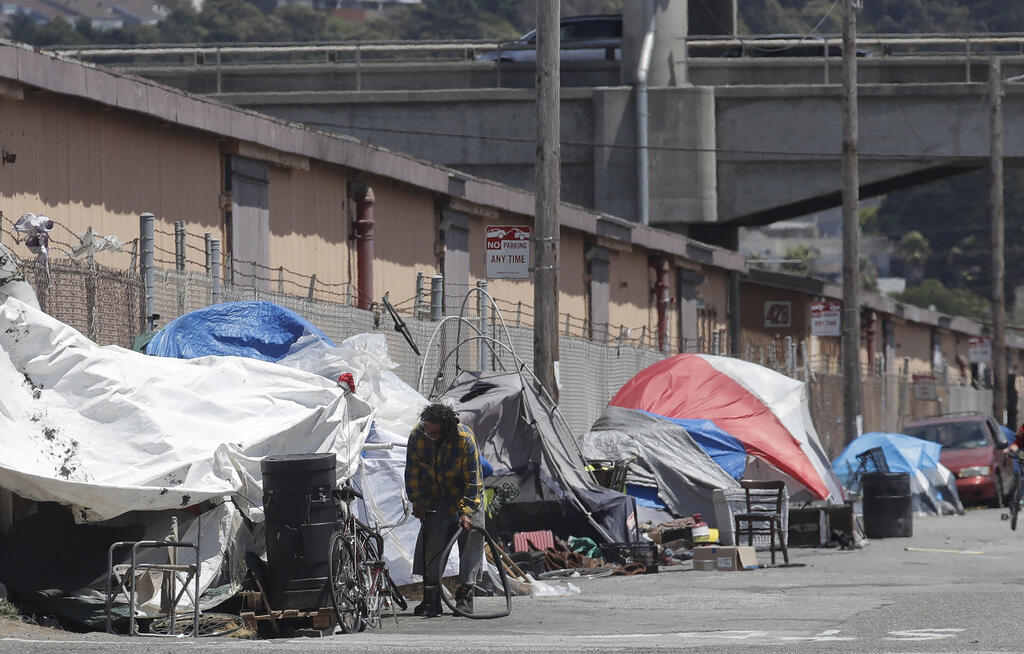
A homeless SF encampment
(Photo: AP Photo/Jeff Chiu, file)
Lurie also launched targeted police recruitment for key commercial areas such as Union Square and the Moscone Convention Center, aiming to attract tourists, conferences, and businesses by ensuring safety and revitalizing the urban core.
A philanthropist, husband, and father of two, Lurie comes from a prominent Jewish family in San Francisco. He is the son of Rabbi Brian Lurie—former president of the New Israel Fund—and Miriam (Mimi), who later married Peter Haas, great-grandnephew of Levi Strauss. While Lurie does not hold direct shares in the Levi Strauss company, his half-brothers inherited a substantial stake. He nonetheless benefits from family wealth estimated at over $2.7 billion. He spent more than $8 million on his mayoral campaign, while his mother contributed an additional $1 million through an independent committee.
San Francisco, once one of California’s crown jewels, has seen its image tarnished by failed policies. The city is now infamous for rampant homelessness, drug use on public streets, and lenient crime enforcement. Signs warn visitors not to leave valuables in vehicles, and tourists often return to find windows smashed and belongings stolen. Residents have dubbed the city “Glitter City” due to the shards of glass that sparkle on the pavement. Window-smashing, considered a minor offense, rarely leads to arrest.
Get the Ynetnews app on your smartphone: Google Play: https://bit.ly/4eJ37pE | Apple App Store: https://bit.ly/3ZL7iNv
“I won’t even leave my phone charger in the car,” said Daniela Nir, an Israeli resident of San Francisco. “They broke into my car for less than that.”
Locals avoid entire neighborhoods, especially at night. The Tenderloin has a crime rate 270% above the national average. The Mission District is about 250% higher. Bayview-Hunters Point, in the city’s southeast, struggles with chronic poverty, pollution, and gang activity.
Public safety is central to Lurie’s agenda. He set a goal to recruit 425 police officers, corrections staff, and 911 dispatchers within three years to improve response times and street patrols. He also pledged transparency in city spending, launched a new permitting oversight tool, and ordered a review of contracts with nonprofits to ensure efficient use of public funds.
Backed by financial clout and deep philanthropic experience, Lurie says he is driven by public service, not personal gain. Though the mayor’s annual salary is around $400,000—one of the highest in the country—he has opted to take only $1 per year. With that symbolic gesture, Lurie aims to show that his focus is on restoring the city’s economy and social fabric. The question now is whether his optimistic vision can endure the harsh realities of a city long overdue for renewal.