

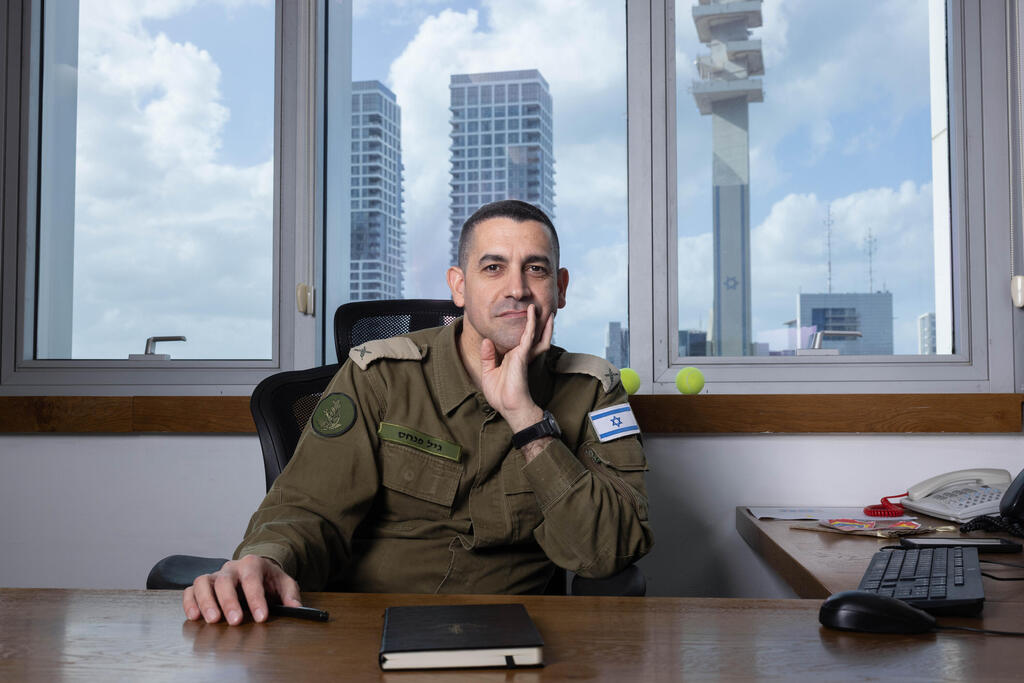
When Brig. Gen. Dr. Gil Pinchas was rushed from his family home in Tiberias to a General Staff forum meeting in Tel Aviv on October 7, he did not imagine it would mark the beginning of what he now calls the longest and most expensive war in Israel’s history.
In an exclusive farewell interview with Mamon magazine, Pinchas, the financial adviser to the IDF chief of staff, head of the military’s economic division and director of the Defense Ministry’s Budget Department, speaks about the immense cost of the war, reserve duty payments, the economic need to draft ultra-Orthodox men, the meaning of U.S. security aid and budget planning for a potential confrontation with Iran.
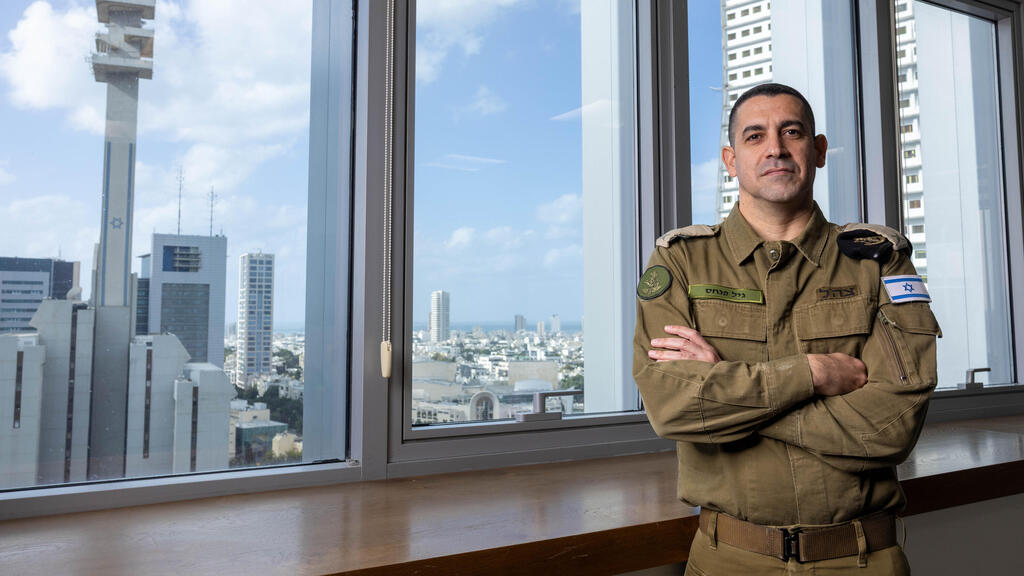
“Even during the war, the IDF did not receive a blank check or permission for unlimited spending,” Pinchas said. “Budgetary considerations were never forgotten. The drive for efficiency and savings is deeply embedded in the army’s DNA.”
Pinchas, 45, was appointed to the role in July 2021 and is retiring from the IDF this weekend. A native of Tiberias, he holds a doctorate in economics, strategy and management from Tel Aviv University.
He speaks with pride about the economic division he heads, known by its Hebrew acronym Yuakh”l. “Today, the military’s economic system includes about 400 economists, both women and men, including reservists, career personnel and civilian employees,” he said. “It’s a strong system. I can say with confidence that this is the highest-quality team of economists in the country.”
But economic thinking, he stressed, extends far beyond that unit. “Senior and junior commanders alike have learned and internalized economic management. Efficiency and savings are part of the culture, both outside the IDF and within its own training frameworks. The army’s needs always meet, and must meet, budget constraints that reflect the economy’s overall capacity.”
When he was rushed from Tiberias to the General Staff forum on October 7, 2023, Pinchas said, neither he nor his colleagues anticipated what lay ahead. “In the first months of the Iron Swords war, I spoke every evening with senior Treasury officials and together we produced cost estimates. As time passed, our calculations became more refined,” he said.
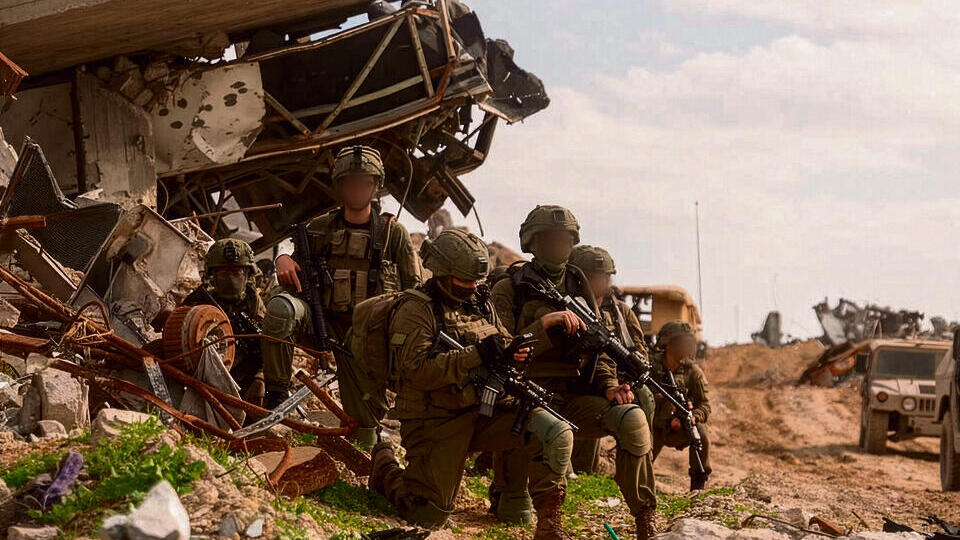
‘The IDF’s greatest asset is its people’
(Photo: IDF)
“In the end, you have to operate within a framework. There were cases where the primary consideration was the availability of a vital item, and we were forced to pay three or four times the standard price. These were very rare cases.”
Bank of Israel Governor Prof. Amir Yaron, Pinchas noted, visited the Kirya military headquarters in Tel Aviv at least once a month to receive firsthand data. “Yaron, an outstanding central bank governor, is also a graduate of our unit,” he said.
‘The cost so far is 222 billion shekels’
Asked directly how much Israel’s “seven-front war” has cost so far, Pinchas said the IDF’s calculations put the figure at 222 billion shekels ($60 billion), including special U.S. security assistance.
However, he emphasized that this figure reflects the military’s direct costs and differs from the broader macroeconomic cost to the country. It does not include lost economic output due to reserve mobilization, interest on war-related debt, damage to homes and infrastructure in the south, north and center of the country, or compensation payments to civilians.
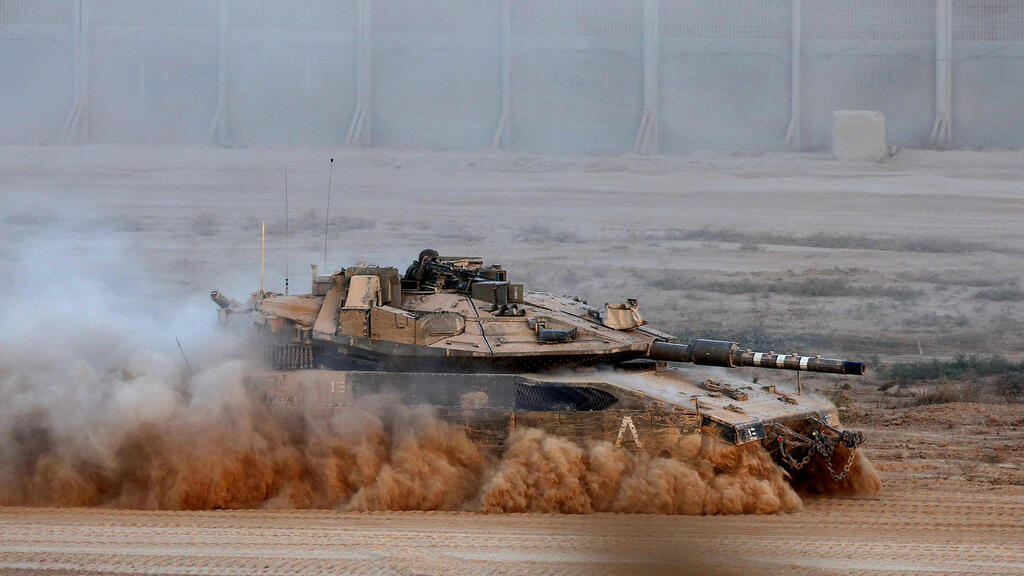
'Every shell has a price'
(Photo: Jack Guez/ AFP)
The average daily cost of the war over two years and three months, he said, stands at about 300 million shekels ($80 million).
The calculation is based on what Pinchas described as a rigorous professional methodology. “Every item the IDF uses in combat has a price tag in shekels, detailed in a special, highly specific price book,” he said. That includes costs per combat ration, per liter of fuel, for ammunition and rifles, for interceptors and flight hours, as well as depreciation of aircraft, naval vessels and vehicles. “The book is updated constantly, including during the war. We keep our finger on the pulse.”
Reserve duty: the single heaviest cost
The most expensive component of the war, Pinchas said, has been reserve mobilization.
“At the peak of the fighting, we mobilized 230,000 reservists and faced extraordinary logistical challenges,” he said. “We handled them successfully, and I immediately authorized hundreds of millions of shekels for these missions.”
Over the past year, the average number of reservists dropped to about 76,000, then to 50,000, and is expected to fall to around 40,000 this year. Payments to reservists, mostly through Israel’s National Insurance Institute and partly through direct supplements from the defense establishment to self-employed reservists and business owners, reached 73 billion shekels ($20 billion).
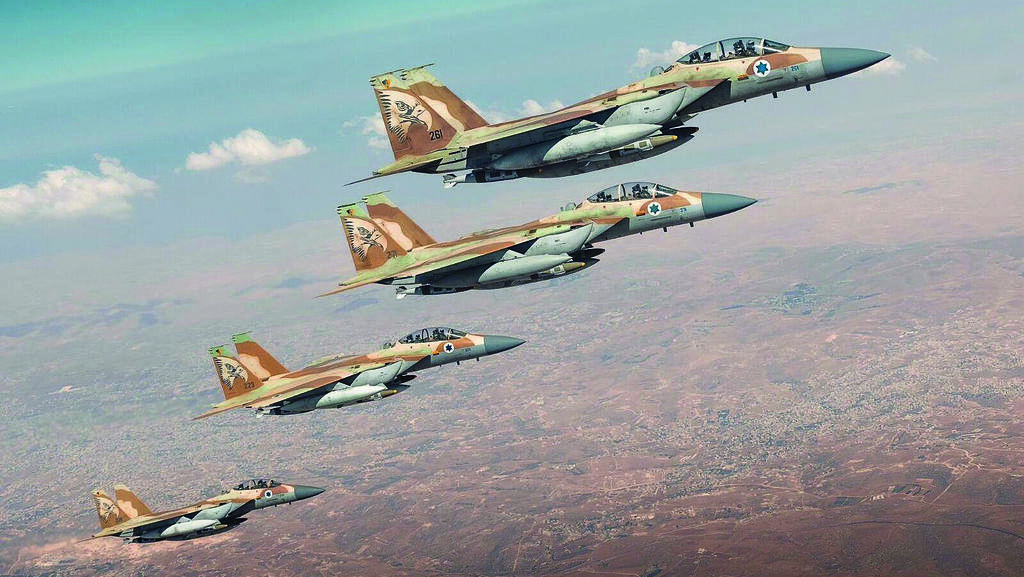
IAF aircrafts en route to strike in Iran
(Photo: IDF)
Pinchas stressed that the war’s cost does not encompass the full defense budget. Since October 7, total procurement by the IDF and the Defense Ministry has amounted to about 340 billion shekels ($92 billion).
Of that sum, 235 billion shekels ($64 billion) was spent domestically on local procurement, providing a major boost to the Israeli economy and defense industries. Purchases from large Israeli companies totaled 108 billion shekels ($29 billion), while procurement from medium and small manufacturers, including about 300 defense-related startups, reached 92 billion shekels ($25 billion).
“We spread orders across the entire country,” Pinchas said. “Industry worked with us in full cooperation and, more than once, gave up profitable deals to meet urgent timelines.”
Defense spending and growth
Before the war, Israel’s defense budget from domestic sources stood at just 3.9 percent of gross domestic product. That figure jumped to 7.6 percent in 2024, then declined to 6.7 percent last year. This year, assuming no major military escalation, it is expected to fall below 5 percent, and next year to about 4.4 percent.
“High, but manageable, and close to prewar levels,” Pinchas said.
Looking ahead to the next multiyear IDF plan, Prime Minister Benjamin Netanyahu has pledged an additional 300 billion shekels ($81 billion) to the defense budget over the coming decade. The IDF has also committed to internal savings of 50 billion shekels ($14 billion).
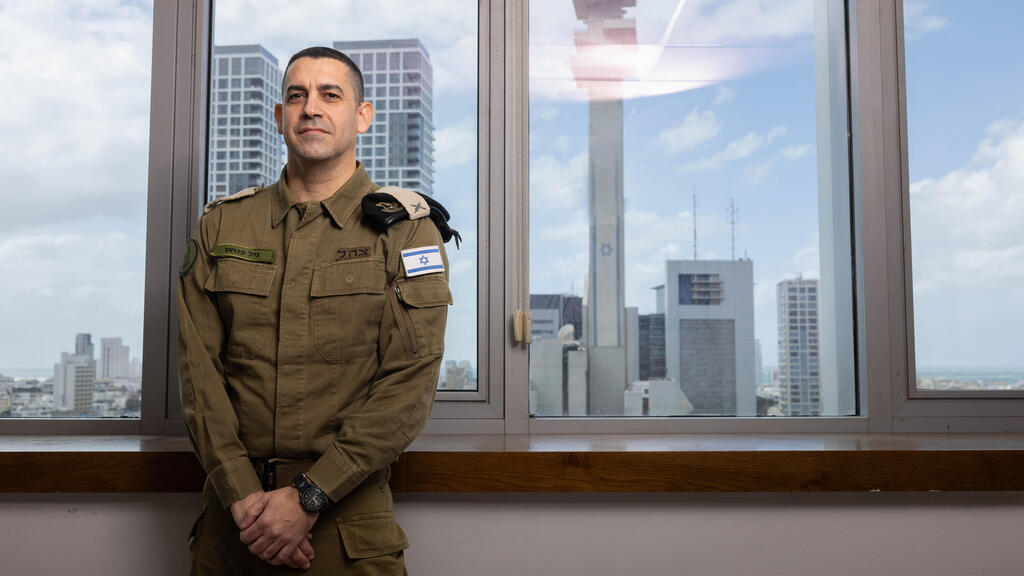
Pinchas
(Photo: Oz Mualem)
That translates into an annual defense budget of about 115 billion to 120 billion shekels ($31 billion to $33 billion) starting in 2027. But Pinchas warned against viewing the defense budget solely as an expense.
“The IDF invests heavily in innovation and technology that are later applied in civilian sectors, boosting productivity and accelerating growth,” he said. “The faster the economy grows, the smaller the relative weight of the defense budget becomes. Growth and security are intertwined.”
Efficiency, innovation and long-term planning
Pinchas rejected claims that the IDF’s target of saving 5 billion shekels ($1.3 billion) per year is unrealistic. In the five-year period before the war, the IDF committed to savings of 10 billion shekels ($2.7 billion) and achieved the goal within four years, a result approved by both the Treasury and the state comptroller.
Among the innovations he cited were mobile, protected solar power stations developed with the Defense Ministry’s research directorate, robotics used for tunnel operations and the development of gluten-free combat rations for soldiers with celiac disease.
Energy efficiency alone, he said, saved 600 million shekels ($160 million) during the war years.
US aid and Iran
Netanyahu has publicly floated the idea of gradually phasing out regular U.S. military aid of $3.8 billion per year, beginning in 2029. Pinchas said that while the aid is important, money is not the core issue in Israel’s relationship with the United States.
During the war, Israeli defense purchases in the U.S. exceeded American aid by $1.3 billion, he said. The current aid memorandum of understanding, signed under President Barack Obama, expires in 2028, and professional teams on both sides have begun discussions on future arrangements.
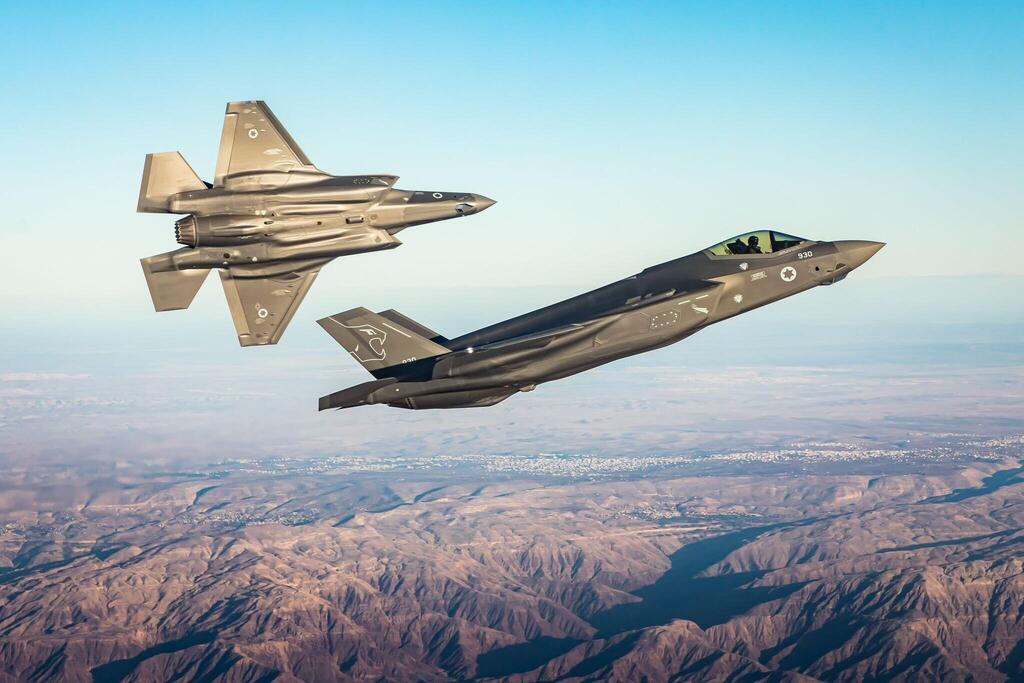
Israeli F-35
(Photo: IDF)
Regarding Iran, Pinchas said Operation Rising Lion cost the IDF 20 billion shekels ($5.4 billion), including 6.5 billion shekels ($1.8 billion) for ammunition and 3.5 billion shekels ($950 million) for interceptors.
Despite heavy blows, he said, Iran is accelerating weapons production. “About 30 percent of the surprise capabilities we used were the result of R&D investments that began decades ago,” he said. “Without long-term planning, we would not have those capabilities.”
‘The IDF’s greatest asset is its people’
Pinchas concluded by stressing the economic and strategic value of human capital. “With all due respect to weapons and technology, the IDF’s greatest asset is its people,” he said.
“Fighters and commanders gain unmatched experience making life-and-death decisions under extreme uncertainty. That’s why they’re in demand in the business world. We must do everything to keep them in service and expand recruitment. The IDF is the country’s central leadership crucible.”