

Next month, Israel will mark 50 years since Operation Entebbe, one of the most daring hostage rescue missions in history. Official ceremonies will rightly honor the creativity of the planners, the bravery of Yoni Netanyahu, Sayeret Matkal fighters and Israeli Air Force crews, and the almost unimaginable achievement of rescuing hostages from the heart of Africa.
But behind the scenes stood a key figure without whom the operation may never have happened: Bruce McKenzie.
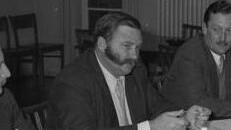
McKenzie was a British secret agent who became a close friend and trusted partner of Israel’s Mossad. His ties with Israeli intelligence led him to assist Israel in two critical moments: foiling a plot to shoot down Israeli passenger planes in Kenya and providing the vital intelligence and logistical support that made the Entebbe rescue possible.
For standing with Israel in some of its most difficult hours, he ultimately paid with his life.
McKenzie was born in South Africa in 1919. During World War II, he served as a fighter pilot in North Africa and Europe. After the war, he moved to Kenya, where he became a successful farmer and businessman near Nakuru.
Although he was a white settler who had risen during the colonial era, Kenya’s first president, Jomo Kenyatta, brought him into government after independence in 1963 as agriculture and settlement minister. McKenzie became a crucial political bridge between colonial Kenya and the newly independent state, gaining enormous political and business influence.
Behind the polished image of a cabinet minister and seasoned politician, however, was another life entirely. McKenzie, known by some as “a man of many hats” and “the spy inside,” was recruited by Britain’s MI6 shortly before Kenya gained independence. Through the connections of MI6 chief Sir Maurice Oldfield, he built a historic relationship with Israel’s intelligence community. As part of his covert role during the Cold War, he used his position to pass critical intelligence to Britain and Israel.
That alliance with Israel became operational in January 1976, when a terrorist cell made up of Palestinian militants and German Marxists planned to fire missiles at an El Al plane as it landed at Nairobi airport. McKenzie was directly involved in the secret capture of five wanted terrorists, who were immediately transferred to Israel and later sentenced to lengthy prison terms.
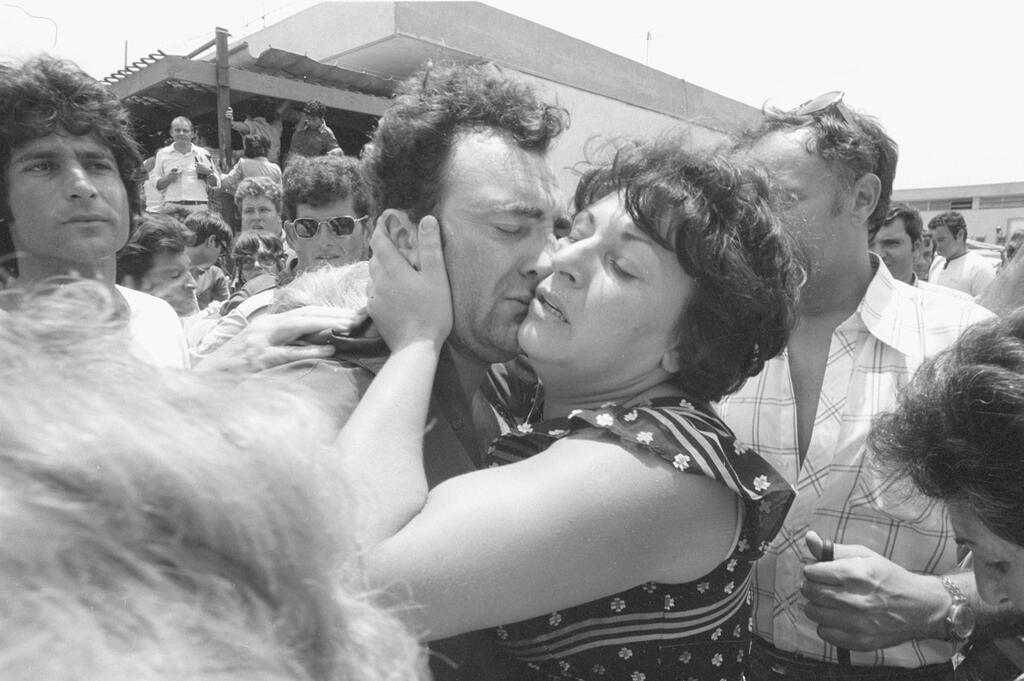
Reception for hostages who returned after Operation Entebbe
(Photo: Avi Simhoni and Miki Tzarfati, BaMahane)
A few months later came the defining moment in his covert relationship with Israel. In June 1976, an Air France plane was hijacked to Entebbe, Uganda, under the protection of dictator Idi Amin. As Israel searched desperately for a military solution, McKenzie became the central link that made the plan possible.
He used all his influence to persuade Kenya’s president to provide Israel with extraordinary assistance: permission for Mossad personnel to operate from Kenya to gather intelligence, and the crucial authorization for Israeli Air Force planes to land in Nairobi for refueling and medical support on their way home.
McKenzie went even further. He personally helped a Mossad agent fly a light aircraft over Entebbe airport, producing aerial photographs that were critical to the Israeli assault force.
In Israel and across the West, Operation Entebbe was celebrated as a spectacular success. But for Amin, the Kenyan-Israeli cooperation was a humiliation and a personal betrayal. His suspicions focused on McKenzie.
On May 24, 1978, McKenzie traveled to Uganda for a meeting with Amin on behalf of Kenya’s president. After the meeting, he boarded a plane back to Nairobi. During the flight, a powerful bomb exploded, killing McKenzie and the other passengers.
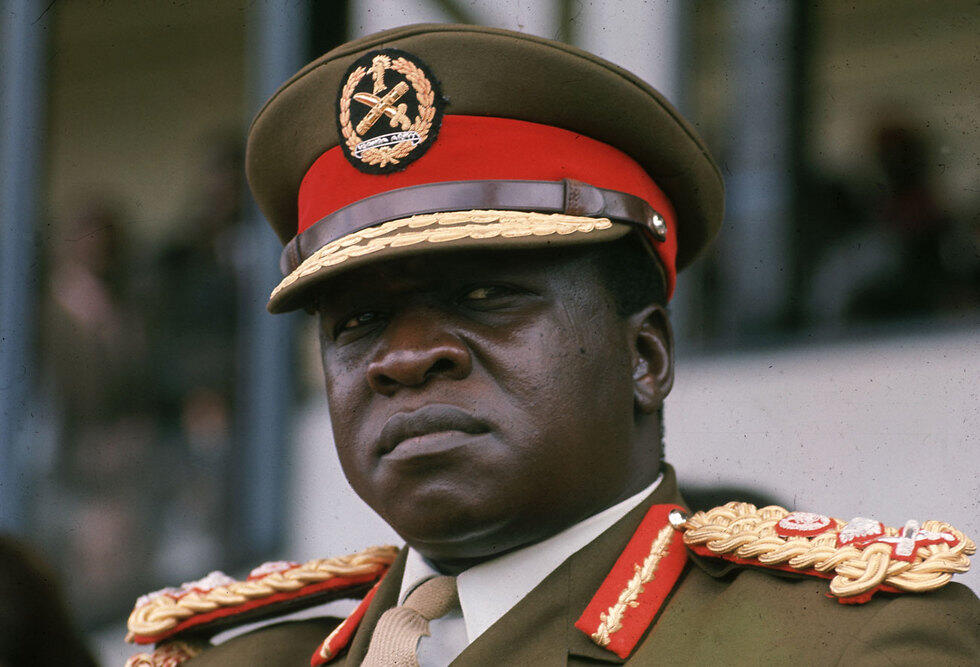
Idi Amin
(Photo: gettyimages)
The bomb, it later emerged, had been planted on Amin’s direct orders as revenge for McKenzie’s role in Operation Entebbe. It was hidden inside a farewell gift Amin had personally given him shortly before takeoff, reportedly an antelope head or a carved wooden lion.
Although much of McKenzie’s work was done in the shadows, Israel did not forget the man who risked everything for its security. After his assassination, Mossad chief Meir Amit initiated the planting of a forest in Israel in McKenzie’s name.
With quiet assistance from Kenyan authorities, McKenzie’s widow was later flown to Israel to attend a Mossad-backed ceremony, where she accepted on his behalf the “Yakir HaSeter” award, a rare honor given to those who risked their lives and freedom to secretly assist Israel’s special operations.