

Three years after October 7, a different kind of reality unfolds away from the headlines. For thousands of wounded soldiers and civilians, recovery is a long and demanding process that requires persistence, support and hard work every day.
While there are no quick fixes, the right intervention can have an immediate and meaningful impact. Through initiatives led by the American Jewish Joint Distribution Committee (JDC) and its partners, innovative approaches are opening new possibilities for rehabilitation and helping people focus more fully on recovery.
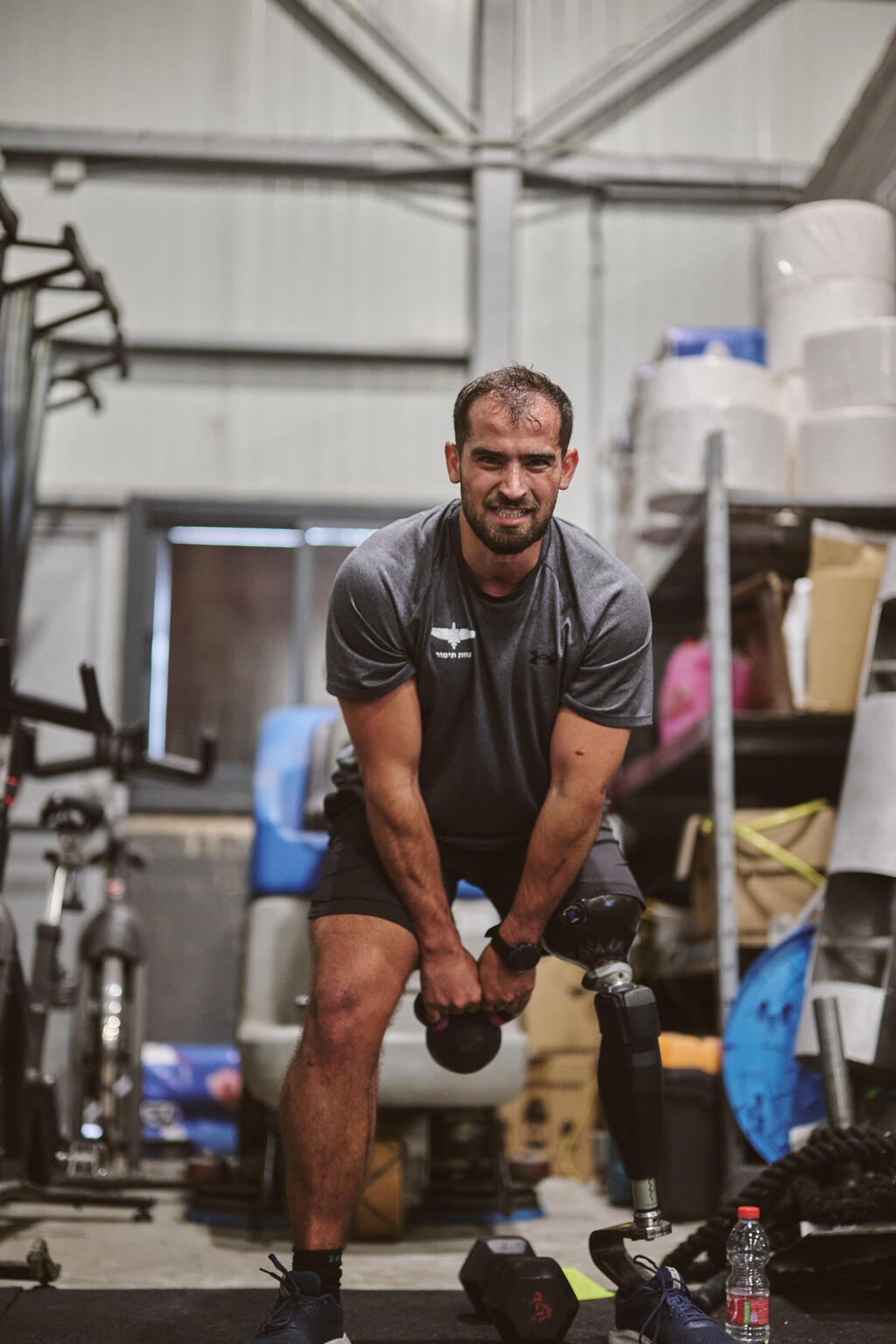
When Adi Timor pushes himself too hard during a workout, the consequences are immediate. If his prosthetic leg does not sit properly for even half a mile, he can spend the next two days unable to walk. That uncertainty is part of his life now. But so is running.
Before he was wounded in the war, Adi was a reserve officer and fitness trainer preparing for his first marathon. Today, as he works his way toward achieving his rehabilitation goal of running again, some of the technology helping him is surprisingly ordinary: smart lighting, automated shutters, a voice assistant, a robot vacuum and a high chair he can lean on while cooking or washing dishes.
These adaptations make his home manageable enough that he can push himself harder in training, knowing he will be able to still function independently afterward. “The solutions in my apartment give me a safety net,” he said. “They allow me to train at a level that pushes the boundary and really see what I’m capable of.”
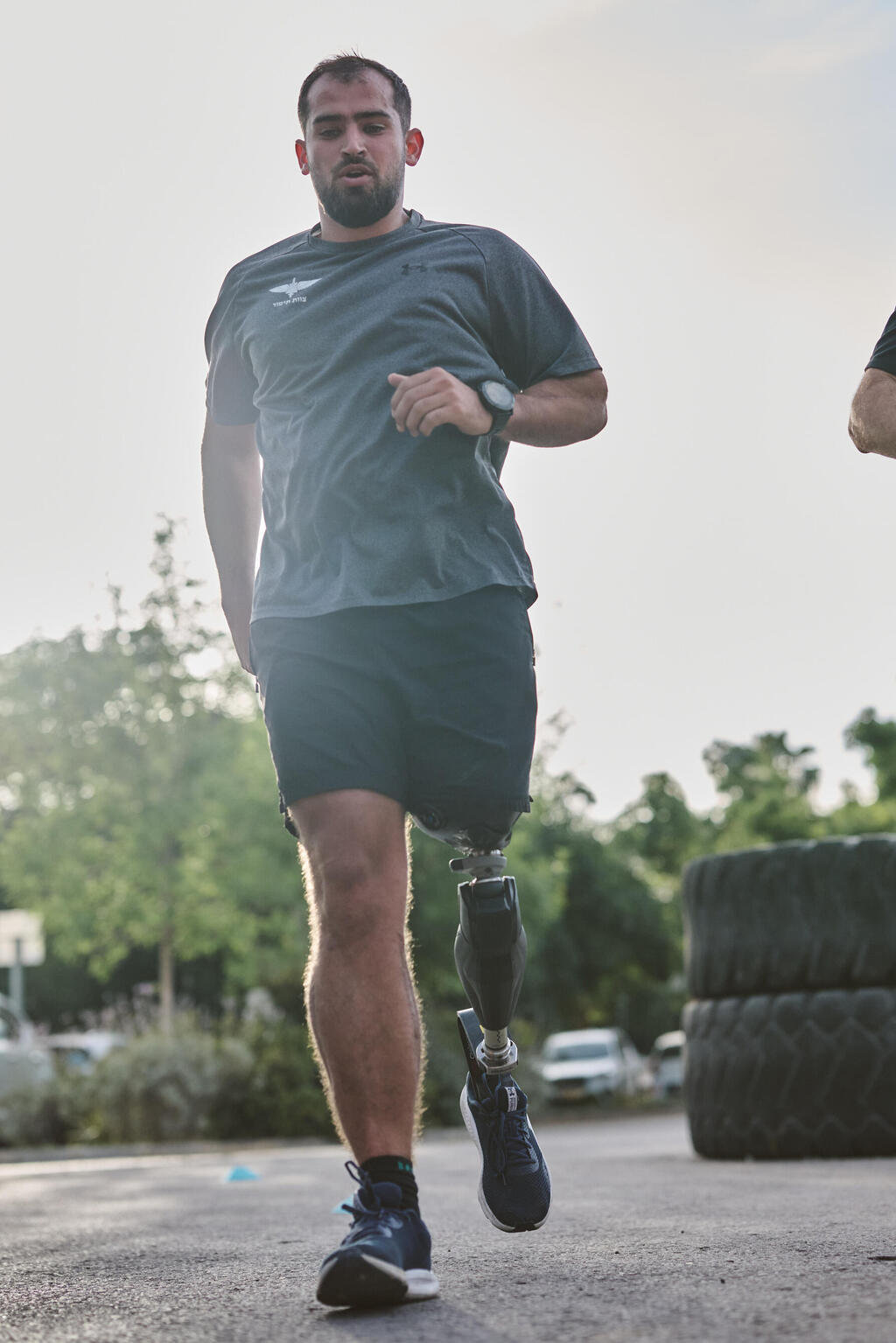
Before he was wounded in the war, Adi Timor was a reserve officer and fitness trainer preparing for his first marathon
(Photo: I.C MEDIA)

Adi also is surfing as part of his rehabilitation
(Photo: Uri RIchter)
The principle of improving daily independence and restoring a sense of control is at the heart of Tech for Heroes, a program developed by JDC, Beit Issie Shapiro and Restart Global.
JDC has worked for more than a century in Israel to address social challenges and expand opportunities for the country’s most vulnerable people.
Since the launch of Tech for Heroes ten months into the war, 428 wounded people, including soldiers and victims of terror attacks, have received 1,280 technology solutions tailored to help them navigate daily life more independently at home, in self-care, at work or school and in the world around them.
The devices range from smart-home systems and noise-filtering headphones to kitchen appliances and air purifiers, helping people who were injured physically or emotionally function more independently by addressing specific challenges in their daily lives.
‘Five minutes with my daughter is a whole world’
Amir’s path home looked very different. After October 7, he joined ZAKA teams helping recover the bodies of people murdered at the Nova festival site, in kibbutzim and at military bases in southern Israel. The work continued for months, including assisting archaeologists and accompanying remains for burial. Then came an instruction for which, he said, no one could really prepare him: We’re done - Go home.
For the first six months, he could not hold his young daughter. The barrier was not physical. It was smell. Babies have a distinctive scent, he explained, but his mind had begun transforming ordinary smells into those connected to what he had encountered while recovering bodies. “At its worst, it was the smell of burned flesh,” Amir said. “That is a smell you never forget. It is the worst smell there is.”
When Tech for Heroes became involved, a specially trained occupational therapist from the program spent time learning from Amir and his wife about the challenges they were facing. At the time, Amir was avoiding family interactions, unable to take part in cooking or meals and spending most of his days alone on the balcony coping with his PTSD symptoms.
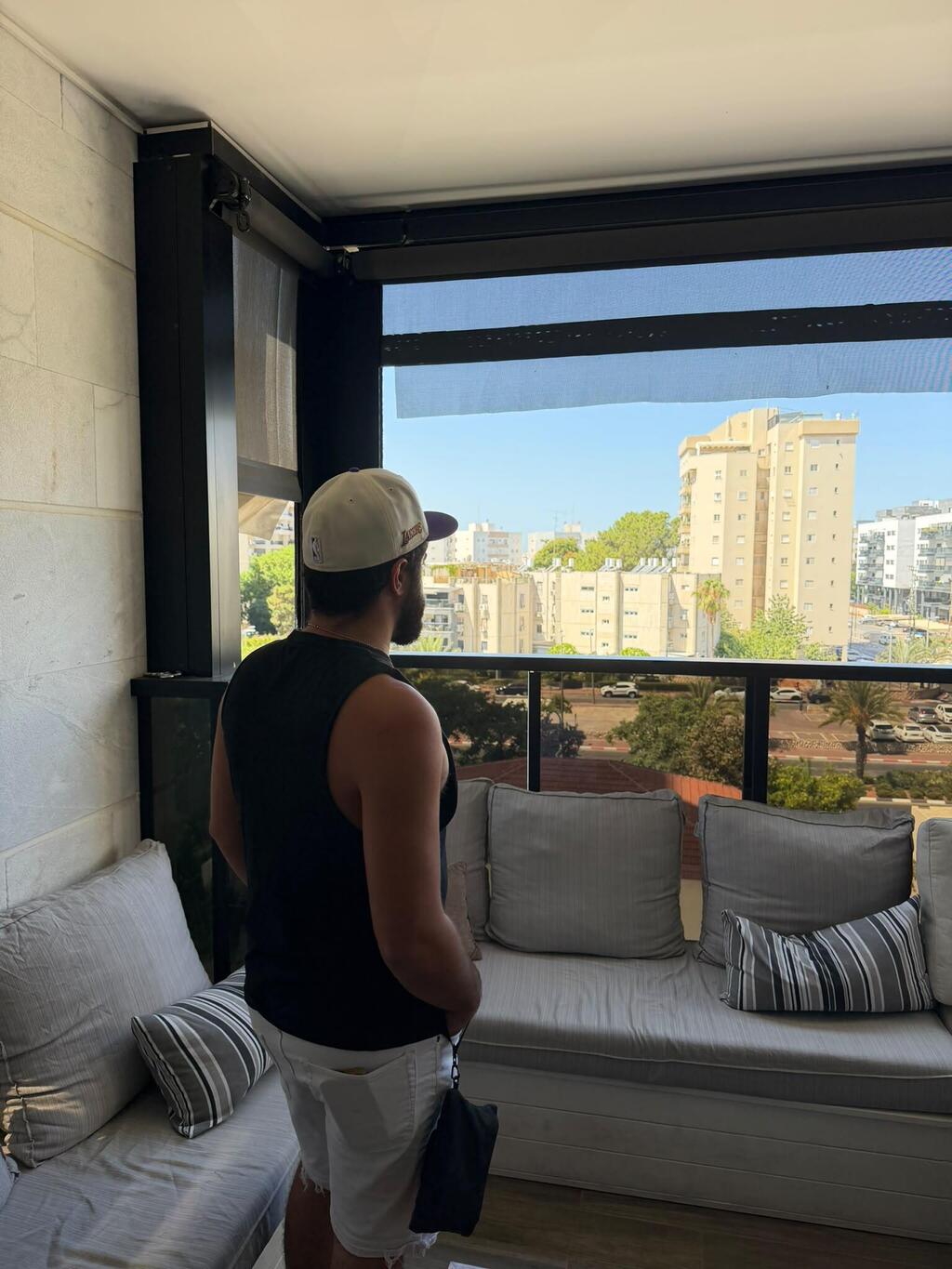
Amir on the balcony of his home: Tech for Heroes solutions enabled him to reconnect with family life
(Photo: Courtesy of Amir)
Among the solutions the Tech for Heroes team identified was an air purifier and an electric indoor grill. Cooking smells had become triggers for Amir, and the combination between the two appliances helps clear odors quickly enough that he no longer has to retreat while his family prepares or eats food. “It removes the effect of the smells from the apartment, which means I don’t have to wait several hours after they eat,” he said. “I can even sit with them at the table, be with my kids, even if I’m not eating and have no appetite, or I can sit in front of the television while my wife cooks.”
“Being able to hold my daughter for five minutes is a whole world.”
Amir’s experience is one of thousands emerging from the war’s unprecedented rehabilitation needs. According to the Defense Ministry Rehabilitation Department, more than 25,000 newly wounded men and women entered the rehabilitation system between Oct. 7, 2023, and July 2, 2026, with 65% coping with psychological distress or PTSD. Many are young reservists whose injuries continue to affect daily life for them and their families long after they return home.
A shattered face, and a reason to leave the room
Oren, whose name has been changed to protect his privacy, was injured when a rocket-propelled grenade struck the military vehicle he was in during the war. His face was severely damaged by the blast and shrapnel, and a fellow crew member was killed next to him. “When I came back from the hospital, I suddenly realized that things were not working for me, not physically and not emotionally,” he said.
He struggled to sleep and often retreated to his room when his children came home. Brushing his teeth became difficult because parts of his mouth had lost sensation. Household chores consumed energy he did not have, and eating was difficult because chewing could be painful.
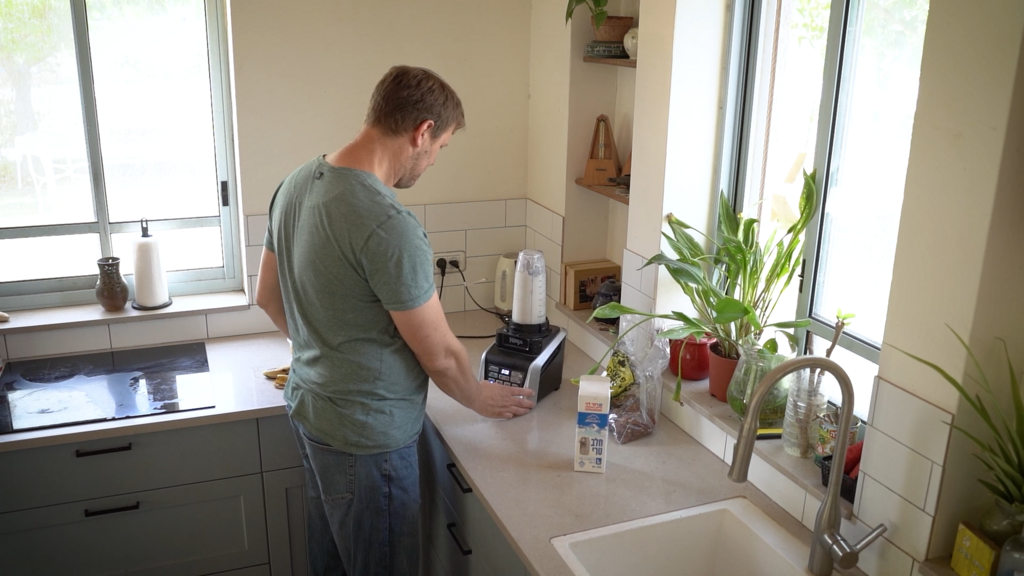
Oren in his kitchen: Devices provided through Tech for Heroes make daily tasks more manageable
(Photo: Erez Miller)
A specialized electric toothbrush helped improve Oren’s oral hygiene, while kitchen appliances such as a blender and an electric grill made preparing and eating food easier. He also received a robot vacuum cleaner that helped him participate in household routines.
Some of the biggest effects came indirectly. Because the robotic cleaner runs on a schedule, the floor has to be cleared first. Aligning his schedule with the robotic cleaner helped him get out of bed and become active like nothing else managed to do. Easier meal preparation also made it more likely that he would sit at the table with his family.
“And once you are sitting together, conversations begin: ‘How are you? How was your day? How was school? How was kindergarten?’” He said. “That has a much broader impact on the family, because otherwise I might simply stay in my room.”
The technology is only the starting point
According to findings from the Tech for Heroes impact study, participants reported that their sense of independence increased from 80% to 91% after six months of using the technology solutions. By the second survey wave, 97% reported improved quality of life, and 77% said the technology enabled them to do things they had been unable to do since being wounded.
While the findings highlight the value of expert guidance in selecting technological solutions tailored to individual needs, rehabilitation professionals note that the work does not end with providing a device.
Anat Shpilberg, a psychologist who heads an intensive rehabilitation program for people coping with PTSD at the Rehovot branch of the National Institute for Neuropsychological Rehabilitation, said technology can also affect therapy. After referring several participants to Tech for Heroes, she said “The technology brought emotional and psychological issues to the surface that might otherwise have taken much longer to emerge, if at all."
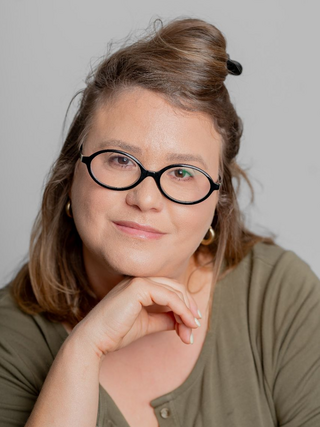 Anat ShpilbergPhoto: Hila Erenlib
Noise-filtering headphones may make public transportation possible again for someone whose sensitivity to noise has made a bus or train unbearable. Devices designed to regulate breathing and engage several senses, can help some patients ground themselves as anxiety surfaces. “What helps one person will not necessarily help another, so that personalization is essential,” Shpilberg said. “Patients need to feel that someone sees them, understands them and validates the daily challenges they are experiencing.”
That personalization is built into Tech for Heroes. Participants complete a questionnaire and meet with an occupational therapist who specializes in adapting technology. During the process, they identify challenges in daily life and determine which technologies can best address them, adjusting solutions as needs change.
“Behind every statistic is a wounded servicemember working to reclaim independence and rebuild meaningful daily life. We’ve learned how simple, accessible technology can make a difference, even when the challenges are complex.” said Efrat Shaprut, director of JDC's Division for Independent Living for People with Disabilities, Resilience and Mental Health.
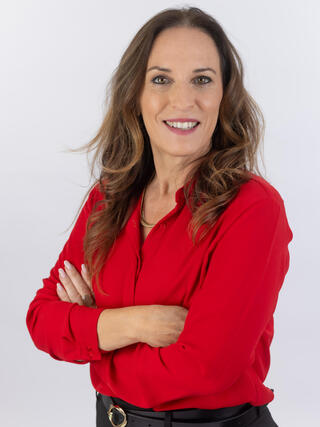 Efrat ShaprutPhoto: Eric Sultan
“This unique model brings together professional expertise, personalized solutions, and compassionate human support. Recovering from injuries that affect both physical and mental health requires an approach that is sensitive, flexible, and centered on the individual. There are no shortcuts in recovery, yet technology can profoundly support the process."
‘I know I can function in my own home’

Adi Timor is surfing as part of his rehabilitation
(Photo: Uri RIchter)
For Adi, independence does not mean pretending his leg injury no longer matters. It means knowing that on a bad day, when his body has reached its limit, his home will not become one more obstacle. “What mattered most to me was being independent and not dependent on other people,” he said. “I know that even if I’m tired from physical therapy or training, I can still manage my own home.”
He is now testing how far he can go again: running, surfing, studying and rebuilding the life he envisioned before he was wounded.
For Amir, progress can mean sitting at the table while his family eats. For Oren, it can mean getting out of bed and creating a daily routine. The technology itself may be no more remarkable than a smart light switch, a kitchen appliance, an air filter or a high chair. What it is helping restore is much larger: The ability to take control over their life.